
When traveling with an infant or toddler, your hands are your most valuable asset. A dedicated travel diaper backpack keeps your hands free to navigate busy airport terminals, manage stroller folding, and hold your baby securely. In tropical climates like the Philippines, where sudden downpours and high humidity are part of daily life, choosing the right bag requires looking beyond aesthetics to prioritize functional design, physical comfort, and weather-resistant materials.
Selecting the ideal mommy backpack involves evaluating how the bag carries weight, how quickly you can access emergency wipes or bottles, and how well the materials withstand the rigors of transit. By focusing on specific structural features and material standards, you can find a reliable travel companion that protects your baby gear and prevents physical fatigue during long journeys.
Evaluating Capacity and Weight Distribution Specs
When preparing for travel, bag capacity is the first specification to check. For single-day trips, a backpack with a capacity of 15 to 20 liters is generally sufficient to hold basic changing supplies, a change of clothes, and feeding essentials. If you are planning long-haul flights, traveling with multiple children, or packing for unpredictable transit delays, look for a larger capacity of 25 to 30 liters to accommodate extra layers, toys, and backup formula.
Products mentioned in this guide
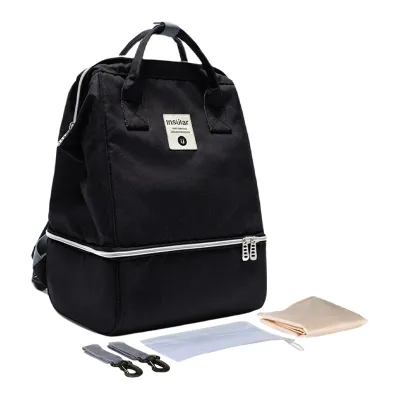
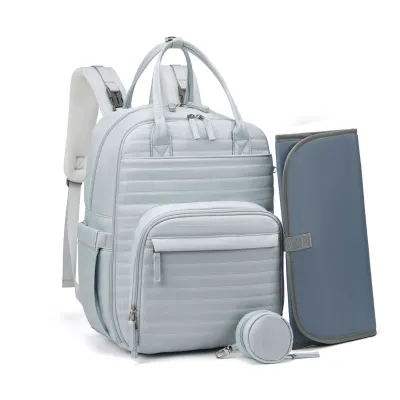
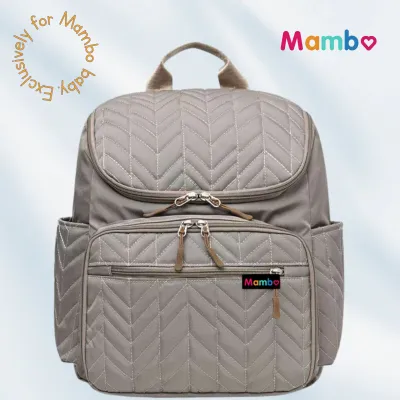
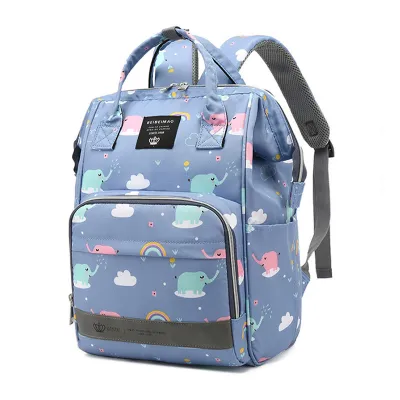
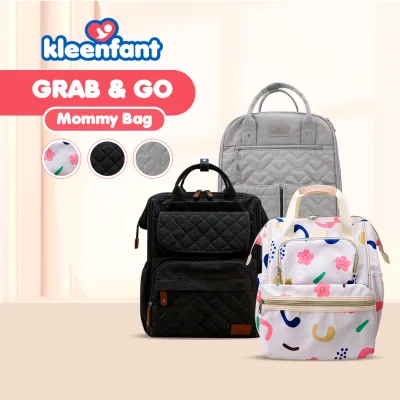
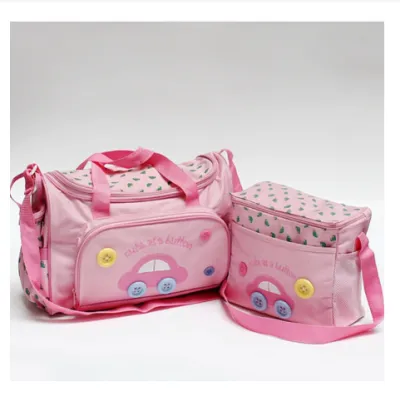
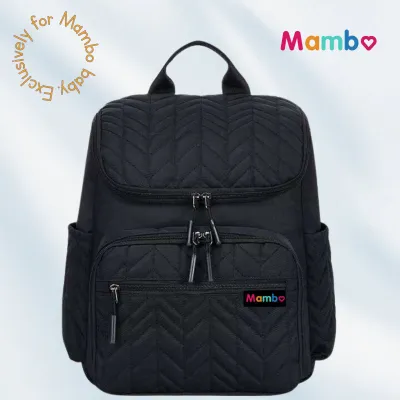
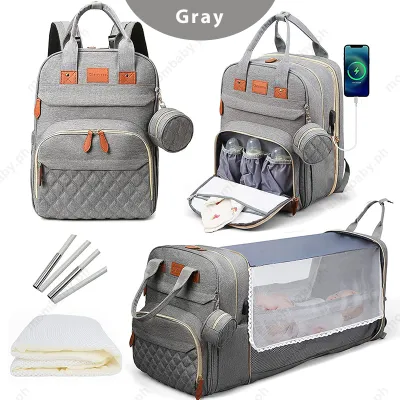
Prices are valid at publication and may change. Please refer to the product page for the latest price.
However, a larger capacity must not come at the cost of your physical comfort. Always check the empty weight of the backpack before purchasing; a heavy bag empty will quickly become painful once fully loaded. Aim for an empty weight of under 1 kilogram. Carrying a heavy load for hours through transit hubs can cause severe shoulder and neck strain if the bag lacks proper ergonomic support.
To ensure comfortable weight distribution, verify that the shoulder straps are wide (ideally 5 to 6 centimeters) and generously padded with breathable, high-density foam. In warm, humid environments, look for a back panel lined with 3D mesh fabric to promote airflow and reduce sweat buildup. A chest strap or a supportive waist belt is highly beneficial for travel, as it helps transfer a portion of the load from your shoulders to your hips and core, stabilizing the bag while you walk.
Decoding Compartment Layout and Accessibility
How a backpack opens and organizes its contents directly dictates your stress levels during a travel emergency. Traditional top-loading backpacks often force you to dig blindly to find an item buried at the bottom. For travel, a clamshell or wide-frame doctor-bag opening is highly superior, allowing the main compartment to open fully so you can view and access all packed items instantly during airport security checks.

Dedicated storage zones prevent cross-contamination and keep essentials organized. Look for insulated bottle pockets lined with thermal material to keep milk, water, or baby food at a stable temperature during transit. A waterproof wet-dry separation pocket is another travel essential, providing a secure space to isolate soiled clothes, damp washcloths, or leaky wipes from dry diapers and clean garments.
External pocket design is equally critical for quick-access items. Check that the side pockets are deep and elasticized to securely hold travel water bottles or umbrellas. Many travel-focused diaper bags feature a dedicated wipe dispenser pocket on the side, allowing you to pull out wet wipes one-handed without opening the main bag. Additionally, look for a hidden anti-theft pocket on the back panel, which sits securely against your body to protect passports, boarding passes, and mobile phones.
Checking Material Durability and Weather Resistance
Travel exposes your gear to diverse environments, from dusty roads to sudden tropical rainstorms. When evaluating fabrics, distinguish between water-resistant and fully waterproof labels. Water-resistant fabrics, such as high-density nylon or polyester with a polyurethane coating, are excellent for repelling light rain and spills while remaining lightweight and flexible. Fully waterproof materials offer maximum protection but can add significant weight to the bag.
Hardware durability is a common failure point for heavily packed travel bags. Inspect the zippers closely; look for thick, self-repairing nylon coil zippers or heavy-duty metal zippers with smooth pulling action. Double zippers on the main compartments are essential, allowing you to open the bag from either side. Ensure that high-stress areas, such as the points where the shoulder straps and top handle attach to the bag body, feature reinforced box-stitch patterns to prevent tearing under maximum load conditions.
Spills are inevitable when traveling with a baby. Before purchasing, verify that the interior lining is made of a wipeable, non-porous material like PEVA or water-resistant polyester. A light-colored interior lining is also highly practical, as it reflects light and makes it much easier to locate small items in low-light environments, such as airplane cabins or evening transit stops.
Assessing Travel Add-ons and Stroller Compatibility
Many mommy backpacks come with integrated travel features, but some are more practical than others. Stroller straps or integrated clips are highly convenient for transferring the weight of the bag off your shoulders. However, you must always prioritize safety when using them. Consult your stroller’s manual to check weight limits, as hanging a heavy backpack on the handlebar can alter the stroller’s center of gravity, creating a serious tipping hazard. Always remove the backpack before lifting your baby out of the stroller.
Another essential travel add-on is a portable changing pad. Check if the included pad is sufficiently padded and large enough to accommodate your baby’s current length. A removable changing pad is preferred, as it allows you to wash it separately and sanitize it after use on public changing tables. Look for pads made of wipeable, waterproof materials that can be quickly cleaned with a disinfectant wipe.
Be cautious of low-impact features that add weight or complexity without real-world utility. For example, built-in USB charging ports often require you to supply your own power bank and can complicate the washing process. Focus your budget on high-quality fabric, robust zippers, and comfortable straps rather than electronic gimmicks that may fail after a few trips.
Frequently Asked Questions (FAQ)
Can I use a regular backpack instead of a specific mommy backpack for travel?
While you can use a standard backpack, it often lacks the specialized organization required for efficient baby care. Regular backpacks typically feature one or two large compartments without insulated bottle holders, wet-dry separation zones, or quick-access wipe pockets. Lacking these features means you will spend more time rummaging through your bag during high-stress moments, such as diaper changes in cramped airplane restrooms or feeding times on the go.
How do I clean and maintain the backpack after a long trip?
Always refer to the manufacturer’s care label before cleaning your backpack. Many structured travel diaper bags are not machine-washable due to internal frame supports, insulated pockets, or delicate hardware. To clean, empty the bag completely and vacuum out crumbs. Spot-clean the exterior and interior linings using a soft cloth, warm water, and mild, baby-safe soap. Avoid harsh detergents or bleach, and allow the backpack to air dry completely in a well-ventilated, shaded area to prevent mold growth and fabric degradation.

Community discussion
Share your experience or ask a question. Comments are reviewed before publication.