
Feeding a baby while running errands or traveling requires careful preparation, especially when managing expressed breast milk or prepared formula. In a tropical climate where high temperatures and humidity accelerate bacterial growth, choosing the right storage milk container is a critical decision for your baby’s health. The ideal travel container must do more than just hold liquid; it must actively preserve nutritional quality, prevent messy diaper bag spills, and remain easy to clean when you are far from home. By focusing on key features like reliable sealing mechanisms, thermal insulation, and material safety, you can confidently feed your little one anytime, anywhere.
Quick Guide: Must-Have Features for a Storage Milk Container
When preparing for an outing, you need a reliable system that minimizes stress and keeps your baby’s milk safe. Standard home refrigerator bottles or simple storage bags often fall short when subjected to the physical movement of travel and the warmth of the outdoors. A dedicated storage milk container designed for travel bridges this gap by offering robust protection against environmental factors.
Before purchasing a container for your next trip, ensure it meets these critical requirements:
Products mentioned in this guide
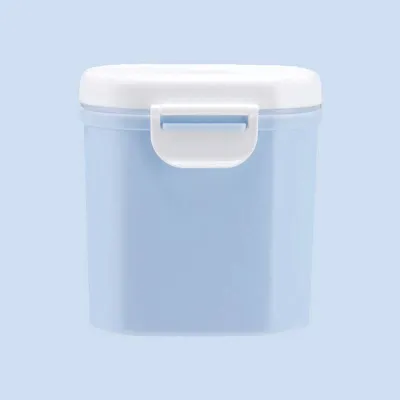
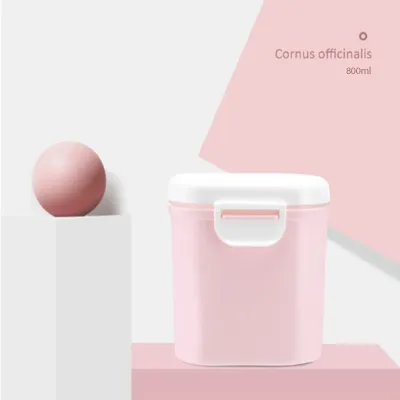
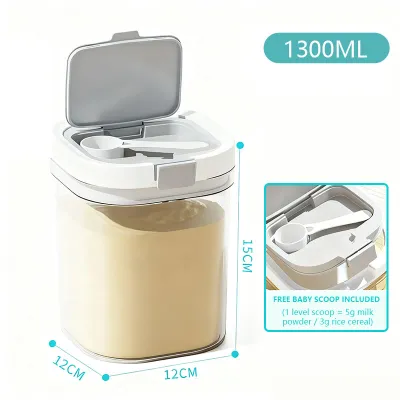
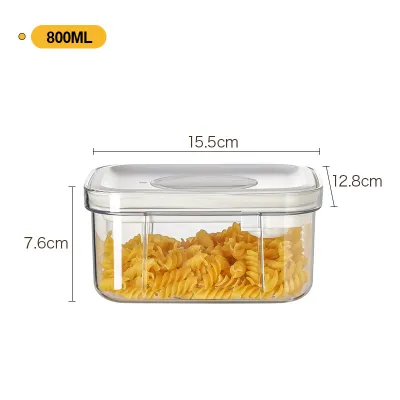
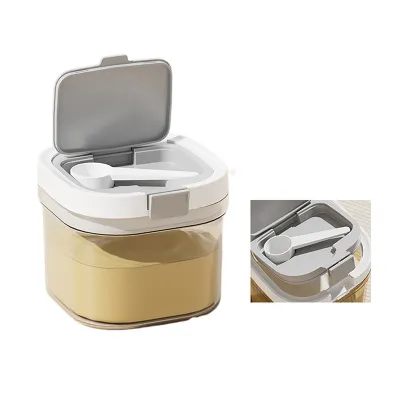
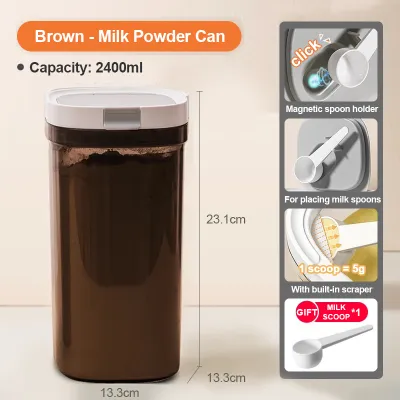
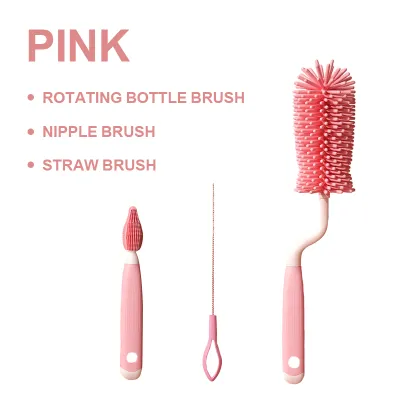
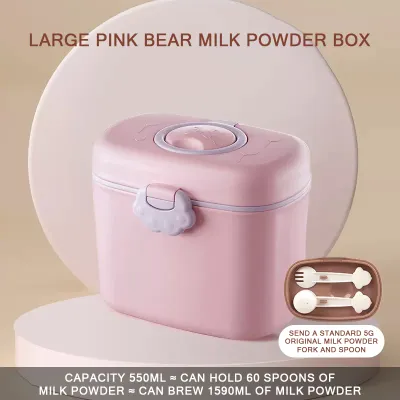
Prices are valid at publication and may change. Please refer to the product page for the latest price.
- Reliable Leak-Proof Mechanisms: Look for secure sealing systems, such as food-grade silicone rings and reinforced locking lids, that prevent leaks even when the container is tipped sideways or stored horizontally in a crowded diaper bag.
- Effective Temperature Insulation: In hot and humid environments, containers with double-wall vacuum insulation or compatible thermal sleeves help maintain safe temperatures, preventing rapid spoilage.
- Food-Grade Material Safety: Ensure all components are free from harmful chemicals like BPA, BPS, and phthalates, and check that the materials can withstand your preferred sterilization methods.
- Ergonomic Portability: Lightweight, compact designs that fit easily into standard stroller cup holders, diaper bag side pockets, or car bottle slots make transport effortless.
Unlike stationary home storage, mobile feeding demands containers that can withstand being bumped, dropped, and exposed to varying temperatures. By prioritizing these four pillars, you protect both your liquid gold and your peace of mind.
Essential Features for Outings and Travel
Traveling with infant milk presents unique challenges that do not exist within the controlled environment of your kitchen. Temperature fluctuations, physical jostling, and varying humidity levels can all compromise the safety and quality of breast milk or formula. To safeguard your baby’s nutrition, you must look for specific physical and functional characteristics designed to counter these external pressures.

Leak-Proof Seals and Spill Prevention
A leaking bottle is more than just a minor inconvenience; it can ruin expensive diaper bags, soil spare baby clothes, and waste precious breast milk. To prevent these messy accidents, prioritize containers featuring high-quality silicone sealing rings that create an airtight barrier. Secure screw-top locks and hinged flip-cap designs with secondary locking latches offer an extra layer of defense against accidental openings during transit.
When evaluating a storage milk container, inspect how the seal is integrated. It is highly recommended to choose containers where the silicone sealing ring is completely removable. In humid climates, trapped moisture, milk residue, and condensation can quickly accumulate in fixed or non-removable seals, creating a breeding ground for mold and bacteria. Removable rings allow you to scrub every crevice thoroughly during cleaning.
Additionally, understand the distinction between “spill-resistant” and “leak-proof” ratings. A spill-resistant container is designed to prevent splashes when held upright or tipped momentarily, which is suitable for highchair use but inadequate for travel. A truly leak-proof container will remain completely sealed even when subjected to continuous movement, pressure changes during flights, or when tossed horizontally into a backpack. Always verify the manufacturer’s specific closure ratings before trusting a container in your travel bag.
Temperature Control and Insulation
Maintaining safe temperatures is the single most important factor in preventing bacterial growth in expressed breast milk or prepared formula. In tropical regions, ambient temperatures can rise rapidly, making insulation a non-negotiable feature for any travel container. Double-wall vacuum insulation, typically found in high-quality stainless steel options, provides the most robust thermal barrier by preventing heat transfer from the outside environment.
If you prefer lightweight plastic or silicone containers, look for models that include external thermal sleeves or neoprene wraps. While these do not offer the same level of thermal resistance as double-wall stainless steel, they provide a helpful layer of defense against ambient warmth. For maximum safety, insulation should always work in tandem with external cooling sources. Placing your insulated container inside a dedicated cooler bag alongside frozen gel packs will significantly extend safe storage times.
Always verify the manufacturer’s claims regarding how many hours a container can keep liquids cold. Cross-reference these performance claims with established medical and pediatric guidelines for safe milk storage. Remember that vacuum insulation only slows down temperature changes; it does not refrigerate the milk. If you are unsure whether the milk has remained sufficiently cold during a long trip, it is safest to discard it or consult a healthcare professional.
Portability and Ergonomic Design
An on-the-go container must be practical to carry and use in public spaces, such as malls, parks, or transit hubs. Opt for lightweight materials that do not add unnecessary bulk to your already heavy diaper bag. Slim, streamlined profiles are highly beneficial as they easily slide into standard stroller cup holders, car bottle compartments, or elasticized side pockets of backpacks.
Design elements like built-in silicone carry loops, integrated handles, or carabiner clips allow you to secure the container to the outside of your stroller frame or bag, freeing up valuable interior space. If your chosen storage milk container is designed to double as a feeding bottle, pay close attention to the feeding interface. Features like integrated anti-colic vents and an ergonomic, contoured grip make it easier for both you and your baby to hold the bottle comfortably during feeding sessions.
For extended outings, consider modular or stackable storage systems. These designs allow you to lock multiple formula dispensers or milk storage compartments together vertically. This column-style arrangement utilizes vertical space efficiently, keeping your diaper bag organized and ensuring you have multiple pre-measured servings ready without carrying several loose, bulky containers.
Material Safety and Easy Cleaning on the Go
Selecting the right material for your travel container involves balancing durability, weight, safety, and ease of maintenance. The three most common materials used in modern milk storage each present distinct advantages and trade-offs:
- Food-Grade Silicone: Highly flexible, lightweight, and often collapsible, silicone is excellent for space-saving. It is naturally slip-resistant and highly durable, though it can sometimes absorb odors if not cleaned promptly.
- Stainless Steel: This material is incredibly durable, completely shatterproof, and offers superior temperature retention. However, it is heavier than plastic or silicone, and its opaque walls make it impossible to visually measure milk volume without opening the container.
- BPA/BPS-Free Plastics: Lightweight and transparent, plastic allows you to easily read measurement markings. However, plastic is susceptible to scratching and does not retain temperature on its own.
Regardless of the material you choose, prioritize a wide-mouth design. When traveling, you may not have access to a dishwasher or a specialized bottle sterilizer. A wide opening allows you to easily insert a standard bottle brush to scrub the bottom and corners of the container using clean water and baby-safe dish soap in a hotel room or public restroom.
Be aware of the hygiene risks associated with micro-scratches, particularly in plastic containers. Over time, abrasive cleaning brushes or normal wear and tear can create tiny scratches on the inner walls. These microscopic crevices can harbor stubborn milk fat, moisture, and bacteria that resist standard washing. Inspect your plastic containers regularly under a bright light; if you notice cloudiness, deep scratches, or persistent odors, it is time to retire and replace the container.
Always check the manufacturer’s specific care instructions regarding sterilization methods. While some materials can safely tolerate boiling water, UV sterilizers, or microwave steam bags, others may warp, degrade, or release compounds if exposed to extreme heat or radiation. Always follow the official guidelines to maintain the structural integrity and safety of the container.
Choosing the Right Container for Different Trips
Your choice of a storage milk container should match the duration and nature of your typical outings. Over-packing can make traveling with a baby exhausting, while under-preparing can leave you without a safe feeding solution when your baby gets hungry.
For short, local errands lasting only one to two hours, a simple, lightweight, single-serve bottle with a reliable leak-proof travel cap is usually sufficient. Since the time away from home is minimal, you can rely on a basic insulated sleeve or a small cooler pouch with a single ice pack to keep the milk fresh. This keeps your load light and highly mobile.
For long travel days, flights, or full-day road trips, your strategy must adapt. In these scenarios, high-capacity double-wall insulated stainless steel containers or modular stacking systems are indispensable. You will need a system that can keep milk cold for extended periods without frequent ice pack replacements. Additionally, carrying pre-measured dry formula in stackable compartments allows you to mix fresh bottles on demand using safe, bottled water, eliminating the risk of liquid milk spoiling during transit.
To minimize contamination risks, seek out cross-scenario compatibility. Some advanced storage systems allow you to pump breast milk directly into a storage cup, freeze it at home, transport it in an insulated sleeve, and then attach a nipple directly to the same cup for feeding. This seamless transition eliminates the need to pour milk between different vessels while traveling, reducing the risk of introducing environmental bacteria or spilling precious milk in public spaces. Assess your weekly routine to determine whether a single versatile system or a combination of specialized containers best fits your lifestyle.
Safe Milk Storage and Feeding Practices Away from Home
Using a high-quality container is only half the battle; practicing proper hygiene and temperature management is vital to protecting your baby’s developing immune system. When away from home, always store your milk containers inside an insulated bag packed with frozen gel ice packs. Avoid leaving the diaper bag in direct sunlight, on hot pavement, or inside a parked vehicle, as temperatures in these environments can climb rapidly and overwhelm any thermal insulation.
One of the most critical safety rules of infant feeding is the immediate disposal of leftover milk. Once your baby begins feeding, bacteria from their saliva enter the bottle through the nipple. These bacteria can multiply rapidly in the warm, nutrient-rich milk. Strongly advise yourself to discard any milk remaining in the container within one to two hours after the start of a feeding session. Never save leftover milk for a later feed, and do not mix fresh milk with partially consumed milk.
Maintaining personal hygiene while traveling requires deliberate effort. Before assembling feeding parts, opening storage containers, or handling nipples, ensure your hands are clean. If running water and soap are unavailable in public parks or transport terminals, use alcohol-free sanitizing wipes or baby-safe hand sanitizer. Clean the exterior of the storage container before opening it to prevent any dirt or dust collected on the outside from falling into the milk.
Frequently Asked Questions (FAQ)
Can I freeze breast milk directly in an insulated travel container?
While some travel containers are marketed as highly versatile, freezing breast milk directly inside double-walled insulated stainless steel or thick-walled rigid travel bottles is generally not recommended. Liquid expands as it freezes, and the rigid walls of these containers do not flex to accommodate this expansion. This physical stress can damage the vacuum seal of insulated bottles, compromise the structural integrity of the container, or cause the lid to pop off, exposing the milk to freezer burn.
To verify if a container can handle freezing, always check the manufacturer’s explicit freezer-safe label and instructions. If you plan to freeze milk, leave at least an inch of empty space at the top of the container to allow for expansion. For long-term freezer storage, it is highly recommended to use dedicated, flexible silicone storage bags or specialized single-use breast milk storage bags. Save your rigid, insulated travel containers specifically for transporting and feeding on the actual day of your outing.

Community discussion
Share your experience or ask a question. Comments are reviewed before publication.