
Preparing baby formula while away from home requires a delicate balance of timing, hygiene, and precision. The most critical milk powder container features for outings include airtight sealing with moisture-proof silicone rings, pre-measured portion compartments, food-grade BPA-free materials, and an ergonomic, narrow-spout pouring design. These elements ensure that formula powder remains dry in high humidity, prevents messy diaper bag spills, and allows for rapid, stress-free bottle preparation in crowded public spaces.
Selecting the right container depends heavily on your typical outing duration, travel conditions, and feeding routine. By focusing on structural durability and ease of cleaning, you can maintain strict hygiene standards even when far from your home kitchen. This guide details the essential design features, material safety standards, and practical configurations that make on-the-go feeding seamless and safe for your baby.
The Challenge of Preparing Formula Away from Home
Feeding a baby at home is a controlled process where clean countertops, sterilizers, and stable surfaces are readily available. You can easily level a scoop of formula, pour water at the correct temperature, and mix the bottle without distraction. Once you step outside, however, this predictable environment disappears, turning a simple feeding routine into a logistical challenge.
Products mentioned in this guide
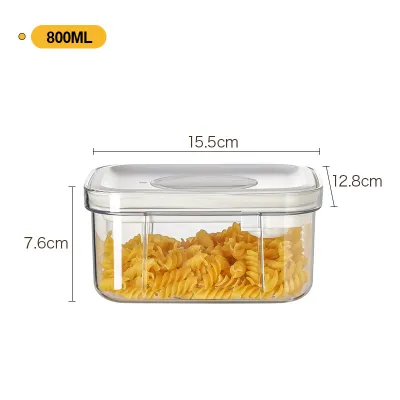
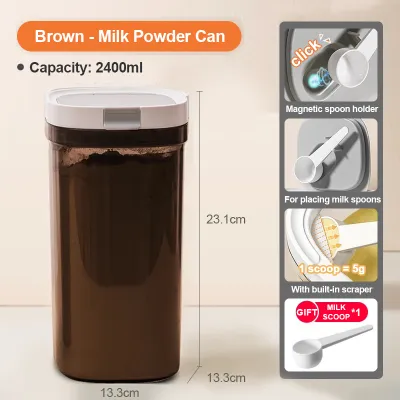
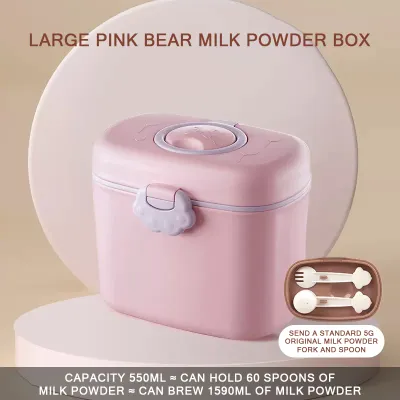
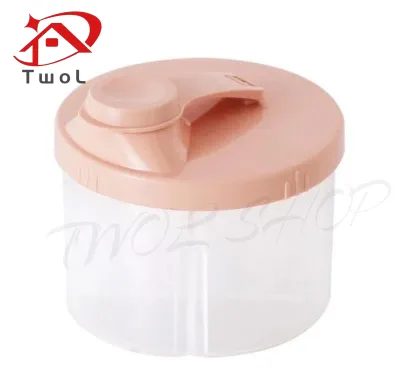
Prices are valid at publication and may change. Please refer to the product page for the latest price.
Carrying a standard 900-gram formula tin in a diaper bag is highly impractical. These metal tins are bulky, heavy, and prone to popping open under pressure, which can coat your entire bag in expensive powder. Furthermore, opening a large tin in public spaces exposes the remaining formula to air, dust, and ambient humidity, accelerating the degradation of the product.
Measuring individual scoops while on the move presents significant physical difficulties. Attempting to hold a crying, hungry baby in one arm while balancing a bottle and leveling a scoop with your free hand often results in inaccurate measurements. In crowded malls, outdoor parks, or moving vehicles, sudden movements can lead to spilled powder, incorrect water-to-powder ratios, and increased frustration.
Public environments also introduce contamination risks that are difficult to manage without the right gear. Touching a scoop with unwashed hands or exposing the powder to wind can introduce unwanted pathogens into your baby’s food. A specialized, pre-portioned container eliminates these variables, allowing you to prepare a bottle in seconds with minimal exposure to the outside environment.
Key Features to Look for in an On-the-Go Milk Powder Container
Airtight Sealing and Moisture Protection
Milk powder is highly hygroscopic, meaning it readily absorbs moisture from the surrounding air. In humid tropical climates, exposure to ambient air causes formula powder to clump rapidly, making it difficult to dissolve completely and increasing the risk of bacterial spoilage. To combat this, look for containers that feature thick, food-grade silicone sealing rings integrated into the lid.

Secure locking mechanisms are equally vital to prevent accidental openings inside your travel bag. Opt for containers with robust snap-lock latches or deep, multi-thread screw tops rather than simple friction-fit lids. These mechanical closures ensure that even if the container is tossed, dropped, or squeezed inside a packed diaper bag, the seal remains unbroken and the powder stays dry.
Portion Control and Pre-measured Dispensing
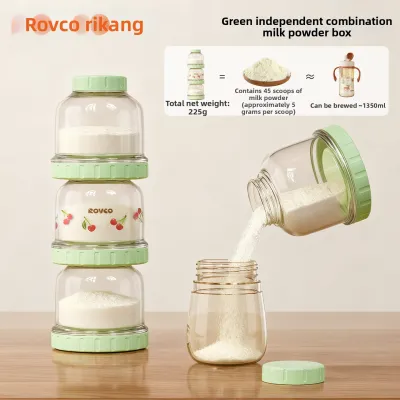
Pre-portioning your baby’s formula at home is the most effective way to streamline outdoor feeding. Multi-compartment containers or stackable towers allow you to measure exact doses of powder into separate sections before you leave. This preparation removes the need for scoop-counting and leveling when your baby is hungry and crying.
When evaluating dispensers, check how the internal compartments are separated. Individual compartments must be completely isolated from one another to prevent powder from migrating between sections. A rotating lid with a single dispensing opening allows you to access one pre-measured portion at a time without exposing the remaining compartments to air or moisture.
Material Safety and Durability
Because baby gear is subjected to constant travel, frequent drops, and high-temperature sterilization, material selection is paramount. Always verify that the product packaging explicitly states the container is food-grade, BPA-free, and BPS-free. High-quality plastics like polypropylene (PP) or Tritan are excellent choices because they do not leach harmful chemicals into the dry powder.
Durability is another crucial factor for travel gear. Choose shatterproof materials that can withstand accidental drops onto hard concrete pavements or tiled mall floors without cracking. Thick-walled containers also offer better resistance to temperature fluctuations, protecting the delicate nutrients in the formula from heat degradation during outdoor trips.
Ergonomic Pouring and Scooping Design
An exceptional travel container must be easy to fill at home and easy to empty on the road. Look for a wide-mouth opening on the main body of the container, which allows you to scoop powder from the original tin without spilling it over the edges. This wide opening also makes manual washing and thorough drying much easier.
For dispensing, the container should feature a narrow, angled spout that fits easily into both standard and wide-neck baby bottles. A smooth, funnel-shaped spout ensures that the powder flows freely without getting stuck in corners or clumping at the exit. Additionally, lids designed for one-handed operation—such as flip-caps that lock back out of the way—allow you to hold your baby securely while preparing the bottle.
Matching Container Types to Your Outing Duration
Stackable Portion Dispensers for Short Trips
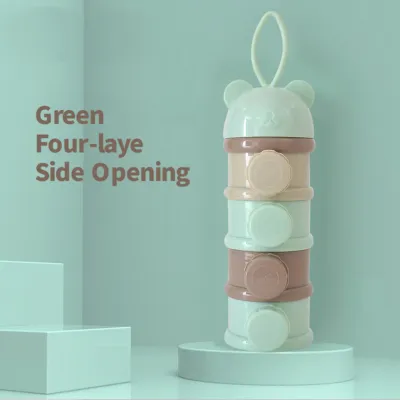
For quick errands, routine doctor visits, or brief trips to a local park, stackable portion dispensers offer the most practical solution. These modular towers consist of three to four individual compartments that screw into one another vertically, capped with a single funnel-shaped lid. This design allows you to carry only the number of feeds you need, keeping your diaper bag light and organized.
Their narrow, cylindrical footprint fits perfectly into the side pockets of standard diaper bags or backpack bottle holders. Because each compartment is self-contained with its own base, you can easily unscrew the top layer, attach the funnel lid, and pour. Once a compartment is empty, it can be moved to the bottom of the stack to keep your clean and dirty sections clearly separated.
Large-Capacity Airtight Caddies for Travel
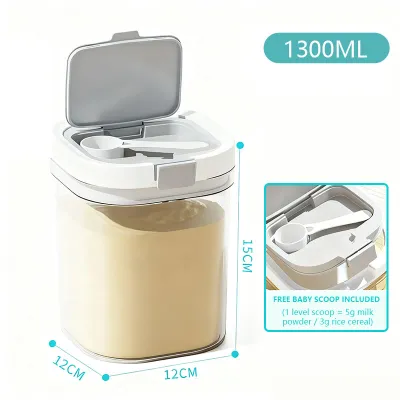
When planning overnight stays, weekend family vacations, or full-day road trips, a small portion dispenser may not hold enough formula. In these scenarios, a large-capacity airtight caddy is highly beneficial. These caddies resemble miniature, highly durable formula tins, often holding between 300 to 500 grams of loose powder.
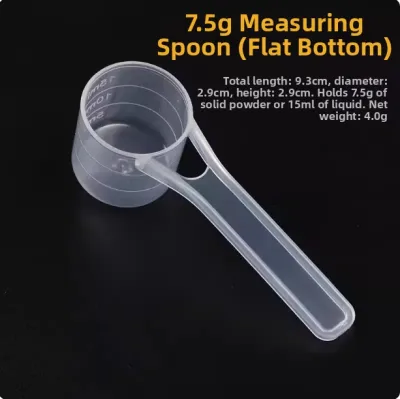
To match the convenience of home preparation, premium travel caddies feature built-in leveling bars across the inner corner, allowing you to get an accurate scoop every time. They also include a dedicated scoop hanger or holder mounted on the underside of the lid. This keeps the scoop suspended above the powder, preventing your fingers from contacting the formula and keeping the scoop clean and dry.
Funnel-Integrated Containers for Quick Feeds
If you frequently find yourself preparing bottles in moving vehicles, cramped airplane seats, or poorly lit environments, speed and spill prevention are your top priorities. Funnel-integrated containers feature built-in, non-removable pouring spouts that guide the powder directly into the bottle neck. This design minimizes the risk of misalignment, which is the leading cause of wasted formula during outdoor preparation.
These containers are engineered to empty completely with a single tilt and tap, leaving no residual powder trapped in crevices. The seamless transition from the storage compartment to the spout reduces the surface area where moisture can collect, making them highly reliable in challenging environments where quick, mess-free execution is mandatory.
Cross-Scenario Compatibility
To maximize the value of your purchase, consider how well a container transitions between different uses. Many high-quality modular dispensers are designed to grow with your child. Once your baby transitions away from infant formula, these airtight, durable compartments can be repurposed to store solid baby foods, purees, or toddler snacks like sliced fruits and biscuits.
Some airtight travel caddies can also double as everyday kitchen storage for small baking ingredients, loose tea leaves, or travel snacks. Choosing a container with removable internal dividers or highly versatile sealing lids ensures that the product remains useful long after your baby has graduated from bottle feeding, reducing the overall cost of your baby gear.
Hygiene and Storage Safety for Formula on the Move
Maintaining strict hygiene while traveling is essential to protect your baby’s developing immune system. Before using any milk powder container for the first time, check the manufacturer’s care instructions regarding temperature limits. Wash all parts thoroughly with warm, soapy water, rinse them with clean water, and sterilize them using your preferred method, such as boiling water, steam, or a UV sterilizer.
Complete air-drying is the most critical step in the cleaning process. Even a microscopic droplet of water left inside a compartment can cause formula powder to clump, ferment, or harbor harmful bacteria like Cronobacter sakazakii. Lay all disassembled parts on a clean, dry towel in a well-ventilated area, and ensure they are entirely bone-dry before sealing them or adding powder.
Regularly inspect your travel containers for signs of wear and tear. Plastic materials can develop micro-scratches over time from repeated scooping, washing, or contact with bottle brushes. These tiny crevices can trap milk residue and bacteria, making them difficult to sterilize effectively; if you notice deep scratches, cloudiness, or persistent odors, replace the container immediately.
Never use a dry milk powder container to store pre-mixed liquid formula. These containers are engineered and tested exclusively for dry powder; they lack the insulation required to keep liquids cold and are not designed to prevent liquid leaks over long periods. Storing liquid formula at room temperature encourages rapid bacterial growth, which can lead to severe foodborne illness in infants.
Finally, always consult your specific formula manufacturer’s guidelines regarding how long pre-portioned powder remains safe to use once exposed to air. Generally, powder transferred from the original airtight tin to a travel dispenser should be consumed within a few days. For long-distance travel, keep the dispenser in a cool, dry place away from direct sunlight, and avoid storing it in hot car trunks or glove compartments.
Frequently Asked Questions (FAQ)
Can I store mixed liquid formula in a milk powder container?
No, milk powder containers are designed and tested exclusively for dry powder storage. They do not possess the thermal insulation required to keep prepared liquid formula at a safe temperature, nor do they feature liquid-tight seals capable of preventing leaks under travel pressure. Storing mixed liquid formula in these containers at room temperature poses a severe risk of rapid bacterial growth, which can cause food poisoning. Always prepare formula fresh at the time of feeding, or use dedicated insulated thermal flasks to carry hot water separately.
How do I prevent formula powder from clumping inside the dispenser?
To prevent clumping, ensure that every part of the container is completely dry before adding any powder. Even slight residual moisture from washing will cause the powder to stick and harden. Additionally, always store the container in a cool, dry part of your diaper bag, away from direct sunlight, steam, or wet items. Regularly inspect the silicone sealing rings to ensure they are clean, properly aligned, and free of cracks, as a compromised seal will allow humid air to enter and ruin the powder.
Community discussion
Share your experience or ask a question. Comments are reviewed before publication.