
When choosing a toothbrush for a 1-year-old, look for extra-soft rounded bristles, a compact brush head sized for tiny mouths, an ergonomic handle that supports both parental control and early self-grip, and built-in safety features like a choke guard. At twelve months, your baby is transitioning from simple gum massages to active plaque removal as their first primary teeth emerge. Selecting a tool designed specifically for this developmental stage ensures effective cleaning while protecting delicate oral tissues.
Essential Bristle and Brush Head Features for Tiny Mouths
Extra-soft bristles are non-negotiable for infant oral care. A baby’s gums and newly erupted primary teeth have thin enamel that is highly susceptible to mechanical wear. Look for packaging that explicitly labels bristles as “extra-soft” or “ultra-soft.” Rounded bristle tips, often processed through end-rounding manufacturing, help prevent micro-abrasions on the delicate oral mucosa. Nylon bristles are the standard choice for effective plaque removal, but they must be soft enough to bend easily under minimal pressure.
The brush head must be exceptionally small and contoured. A 1-year-old’s oral cavity is highly restricted, and a head that is too large will cause gagging or fail to reach the back molars. Look for tapered or oval-shaped heads that measure roughly one to one and a half centimeters in length. This compact profile allows you to navigate the tight spaces between the cheeks and the gums without causing discomfort. A rubberized or padded brush head can also provide extra cushioning against accidental bumps during brushing.
Products mentioned in this guide

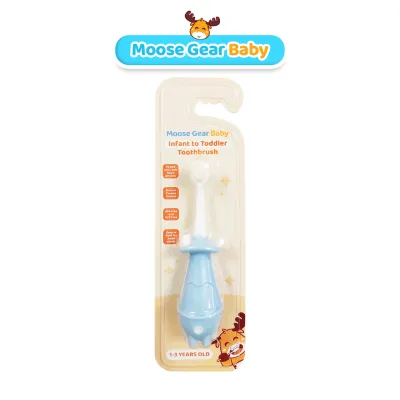


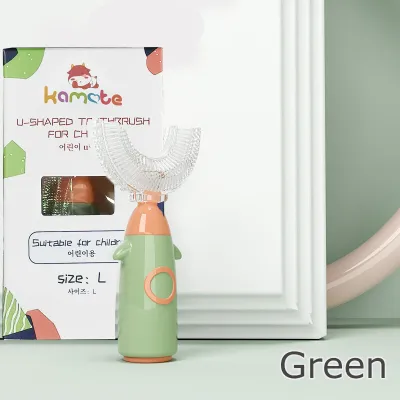
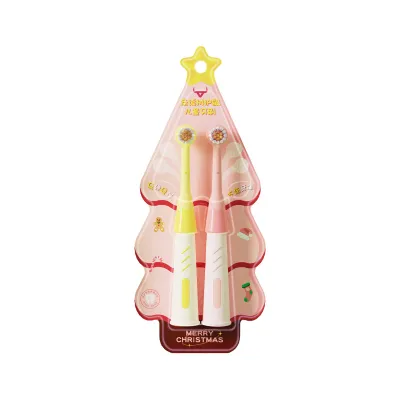
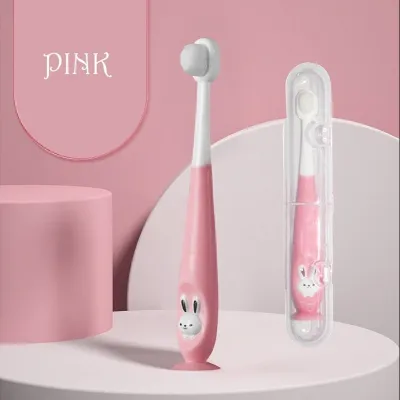
Prices are valid at publication and may change. Please refer to the product page for the latest price.
Bristles degrade quickly, especially when babies bite down on them during brushing sessions. Frayed, splayed, or bent bristles lose their structural integrity and can no longer clean tooth surfaces effectively. Furthermore, damaged bristles can harbor oral bacteria and trap moisture, which is particularly problematic in warm, humid environments. Inspect the brush head daily to ensure the bristles remain upright and uniform. If the bristles begin to point in different directions, the brush’s ability to sweep away plaque is severely compromised.
Handle Design and Grip for Parents and Toddlers
At one year old, babies lack the manual dexterity to clean their own teeth effectively, meaning parents must perform the actual brushing. A long, ergonomic handle is highly beneficial for caregivers. It provides the leverage needed to reach the back of the mouth at a safe, controlled angle without blocking your view of the baby’s face. Look for handles with non-slip rubber grips that prevent the brush from slipping if your hands are wet. A comfortable grip allows you to apply the correct, gentle pressure without straining your hand.

While parents do the heavy lifting, 1-year-olds are eager to explore and mimic adult behaviors. Brushes with chunky, wide handles or circular teething-ring styles accommodate a toddler’s developing palmar grasp. These designs allow your child to hold the brush comfortably, fostering early interest in oral hygiene without compromising safety. Allowing your baby to hold their own brush during a designated play-brushing time can build positive associations with the routine.
Some specialized training toothbrushes feature dual-grip configurations or extended handles designed for cooperative brushing. These allow both the parent and the child to hold the brush simultaneously. This cooperative setup helps guide the baby’s hand movements, teaching them the physical sensation of brushing while ensuring the caregiver retains ultimate control over the cleaning stroke. It bridges the gap between passive cleaning and active, independent habits.
Safety Materials and Choking Hazard Prevention
Because babies naturally chew on their toothbrushes, the materials must meet strict safety standards. Verify that the product packaging explicitly states the toothbrush is free from bisphenol A (BPA), phthalates, and heavy metals. Look for food-grade silicone or high-quality, non-toxic plastics that can withstand biting without shedding small particles. Avoid any brushes with painted designs that could flake off over time.
A primary hazard during early brushing is the risk of the toothbrush slipping too far into the baby’s throat, triggering a severe gag reflex or causing airway obstruction. To prevent this, look for toothbrushes equipped with built-in choke guards, wide barrier rings, or flared protective shields. These safety barriers physically prevent the brush head from over-penetrating the oral cavity, providing peace of mind during cooperative brushing sessions. Ensure the guard is securely attached and cannot be easily pulled off by a curious toddler.
Always cross-reference the manufacturer’s age guidelines printed on the packaging before purchasing. A brush labeled for “0-6 months” or “3+ years” will not suit a 1-year-old’s specific developmental needs. Manufacturers design these age brackets based on average oral cavity dimensions, tooth eruption patterns, and safety testing standards, making compliance essential for safe use. Never assume a toothbrush is safe simply because it is marketed for children.
Building Your Shortlist: What to Check Before Buying
When browsing physical stores or online marketplaces, filter your search specifically for products labeled for 12+ months or 1 to 2 years. Avoid generic “baby” or “toddler” labels that span too wide an age range, as these often feature brush heads that are too large or bristles that are too stiff for a twelve-month-old. Checking the fine print on the back of the packaging is the most reliable way to confirm the intended age range.
If you are purchasing online, carefully review the product specifications, dimensions, and close-up images of the brush head. Check the bristle density and look for a uniform, compact arrangement. In physical stores, you can often feel the bristles through a packaging window or inspect the physical scale of the head relative to your thumb to gauge its suitability. Reading customer reviews can also provide insight into how well the bristles hold up to chewing.
Toothbrushes for 1-year-olds require frequent replacement due to wear and hygiene standards. When comparing options, evaluate the cost-effectiveness of purchasing multi-packs versus single premium training brushes. In the local market, a high-quality multi-pack priced around ₱150 to ₱300 can offer excellent value, ensuring you always have a fresh, clean replacement on hand without delaying a necessary swap. Balance the initial cost against the expected lifespan of the brush to find the most practical option.
Transitioning from Finger Brushes to Standard Toddler Brushes
Many parents begin oral care with a soft silicone finger brush. However, as your baby approaches one year of age, several developmental signs indicate it is time to transition to a standard handled toothbrush. The eruption of multiple front teeth, the emergence of the first molars, or a tendency for the baby to bite down hard on your finger are clear indicators that a finger brush is no longer sufficient or safe. A handled brush also introduces the concept of independent grooming.
Finger brushes are excellent for soothing sore gums and clearing away loose debris, but they lack the mechanical cleaning power required for erupted teeth. A handled toothbrush with nylon or dense silicone bristles is necessary to sweep away plaque from the grooves and crevices of newly emerged teeth. Transitioning ensures that plaque does not accumulate along the gumline, which can lead to early childhood caries. The physical bristles of a standard brush provide a much more thorough clean than a smooth silicone sleeve.
During this transition phase, active parental supervision is mandatory. Never allow a 1-year-old to walk, run, or play while holding a toothbrush, as a fall can cause severe oral trauma. For optimal safety and control, position your baby in your lap facing away from you, or tilt their head back slightly while supporting their chin, allowing you a clear view and stable access to all tooth surfaces. Keep the experience positive and stress-free by singing songs or making playful sounds.
Frequently Asked Questions (FAQ)
Do I need to use toothpaste with my 1-year-old's toothbrush?
Yes, pediatric dental guidelines generally recommend using toothpaste as soon as the first tooth erupts. For children under two years old, use a tiny smear of toothpaste, no larger than a single grain of rice. This minimal amount provides the protective benefits of the paste while minimizing the risk of ingestion, as infants at this age cannot yet spit reliably. Consult a pediatric dentist to determine whether a fluoride or fluoride-free formula is most appropriate for your child’s specific cavity risk and local water conditions.
How often should I replace my baby's toothbrush?
A baby’s toothbrush should typically be replaced every three months, or sooner if you notice signs of wear. Because 1-year-olds frequently chew on the bristles, the brush head can become splayed, frayed, or discolored much faster than an adult’s brush. Additionally, you should replace the toothbrush immediately after your baby recovers from an oral or respiratory illness to prevent the reintroduction of bacteria or viruses. Regular replacement is key to maintaining both hygiene and cleaning efficacy.
Can my 1-year-old use an electric toothbrush?
While manual toothbrushes are the standard recommendation for this age group, some manufacturers offer gentle, battery-operated electric toothbrushes designed specifically for infants and toddlers. If you consider an electric model, verify that the packaging explicitly states it is safe for ages 12+ months and features ultra-gentle, low-intensity vibrations. Parental control is absolute; you must hold and guide the electric brush at all times, using it as a tool to assist with cleaning rather than letting the baby use it independently. Compare the ongoing cost of replacement brush heads and battery maintenance against the simplicity of manual brushes before making your decision.

Community discussion
Share your experience or ask a question. Comments are reviewed before publication.