
Selecting your child’s first toddler spoon and fork set is a significant milestone in their transition to solid foods. For beginners, the ideal utensils must bridge the gap between infant feeding tools and adult cutlery by offering ergonomic grips, verifiable material safety, and appropriately sized heads. Rather than relying on generic marketing claims, parents should evaluate specific design features that match their toddler’s current motor skills and dietary stage. By focusing on observable design elements—such as handle thickness, bowl depth, and material composition—you can select a set that fosters self-feeding confidence while keeping mealtime safe and manageable.
In tropical environments like the Philippines, where high humidity can accelerate mold growth and food residue degradation, choosing the right materials and construction is especially critical. A poorly designed utensil with hidden crevices can quickly become a hygiene hazard. Therefore, understanding how to inspect joints, verify material certifications, and assess physical ergonomics will help you make an informed purchase that supports your child’s development and simplifies your daily kitchen routine.
Essential Grip and Handle Designs for Little Hands
A toddler’s ability to hold a utensil depends entirely on their current stage of fine motor development. Beginners typically start with a palmar grasp, using their entire fist to clutch the handle. For this stage, chunky, short, and rounded handles are highly effective because they fill the palm and require less finger coordination. As your child’s motor skills mature, they will transition to a pincer grasp, using their fingers to control the utensil. Slimmer, longer, and more transitional handle designs are better suited for this later stage, helping them mimic adult hand positioning.
Products mentioned in this guide
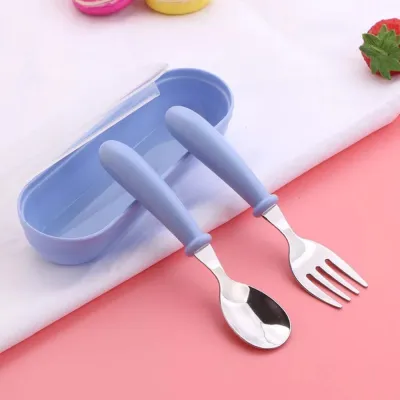
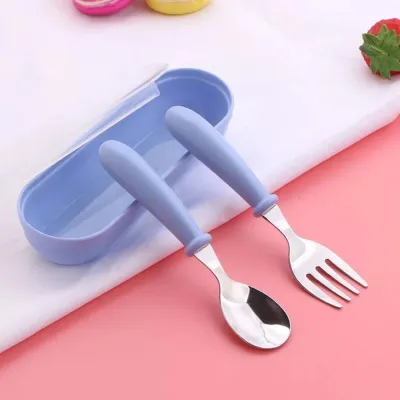
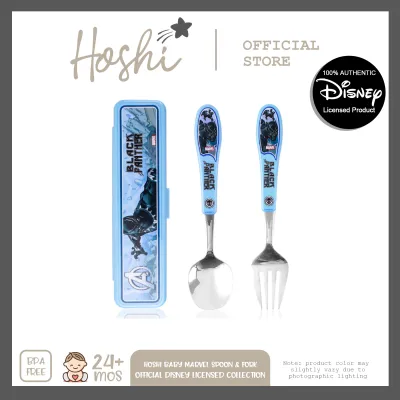
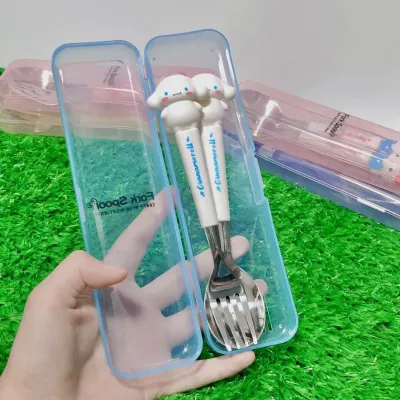

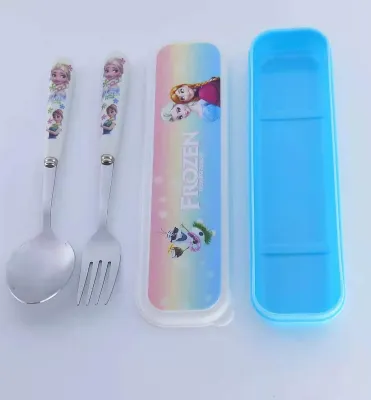
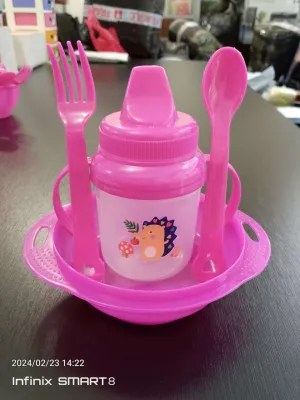
Prices are valid at publication and may change. Please refer to the product page for the latest price.
Textured and non-slip grips are essential features to inspect when evaluating any toddler spoon and fork set. During self-feeding, hands frequently become wet, greasy, or covered in food, which can cause smooth plastic or polished metal handles to slip out of a child’s grasp. Look for handles that feature raised silicone ridges, rubberized outer layers, or contoured finger indentations. These physical textures provide the necessary friction for a secure hold, reducing frustration and encouraging your toddler to keep trying.
Angled or curved handles are another design innovation worth considering for early beginners. When toddlers first attempt to feed themselves, they often lack the wrist rotation required to bring a straight spoon directly to their mouth without spilling the contents. Utensils with slightly curved or angled heads help bypass this physical limitation by aligning the spoon bowl with the mouth even when the wrist remains rigid. This design allows the child to scoop and eat with minimal wrist twisting, building confidence during their first independent meals.
Finally, pay close attention to the overall weight distribution of the utensil. A set that is too top-heavy—where the head of the spoon or fork is significantly heavier than the handle—will constantly tip out of a small hand or roll off the edge of a plate. The weight should be balanced, or slightly concentrated in the handle, to help the utensil rest naturally in the child’s palm. Lightweight materials like silicone or hollow-core plastics are generally easier for young toddlers to maneuver without experiencing muscle fatigue during a long meal.
Material Safety and Durability Standards to Verify
When shopping for baby and toddler products, material safety must always be verified directly rather than assumed. Parents should inspect the manufacturer’s packaging or official product listings for explicit food-grade material claims and third-party safety certifications. Look for clear labels indicating that the product is free from Bisphenol A (BPA), phthalates, lead, and PVC. Because these chemical standards are dynamic, checking for compliance with recognized international safety standards on the packaging is a reliable way to ensure the materials are safe for daily contact with food.

The three most common materials used in toddler utensils are food-grade silicone, stainless steel, and durable plastics, each presenting distinct physical trade-offs. Food-grade silicone is highly favored for beginners because of its soft, flexible texture, which is exceptionally gentle on sensitive, teething gums. However, silicone can be prone to tearing if bitten repeatedly by toddlers with sharp primary teeth. Stainless steel offers unmatched durability and bite resistance, but its hard surface requires more careful handling to prevent accidental gum injury. Durable plastics are lightweight and affordable, but they can degrade, scratch, or become brittle over time.
Before finalizing a purchase, inspect the utensils for visual red flags that could compromise safety. Examine the edges of plastic and metal components to ensure there are no sharp burrs, rough seams, or easily chewed edges that could break off and be swallowed. Avoid designs with small, glued-on decorative elements or multi-piece constructions that could loosen over time, as these pose severe choking hazards. A high-quality beginner set should feature robust, integrated construction where the head and handle are securely bonded or molded as a single piece.
Additionally, always check the manufacturer’s stated temperature limits before exposing the utensils to high heat. In many households, sanitizing baby gear in boiling water, steam sterilizers, or high-temperature dishwashers is a standard practice. Some plastics can warp, leach chemicals, or degrade when exposed to temperatures exceeding their rated limits. Verifying these thermal specifications on the packaging ensures you can safely sanitize the utensils without compromising their structural integrity or safety.
Sizing the Spoon Bowl and Fork Tines for First Foods
The size and shape of the spoon bowl must match your toddler’s physical mouth capacity and their current eating abilities. For absolute beginners, shallow spoon bowls are highly recommended. A shallow bowl allows the toddler to easily clear all the food from the spoon using only their upper lip, which is a key developmental step in learning how to swallow solids. Deep spoon bowls, by contrast, often trap food at the bottom, leading to frustration or causing the child to tilt their head back excessively to reach the remaining portion.
When evaluating the fork in a beginner set, the design of the tines is critical for both safety and functionality. The tines must be rounded and blunt to prevent painful punctures to the child’s gums, tongue, or lips. At the same time, they must possess enough structural rigidity to successfully stab soft, bite-sized chunks of food like steamed sweet potatoes or ripe mangoes. Avoid forks with sharp, needle-like tines, as well as those made of overly flexible silicone that bends completely when pressed against food, making it impossible for the toddler to pierce their meals.
The overall length of the utensil should also be matched to the tableware you plan to use. If the handles are too short, they will easily slide down into deep bowls or high-sided suction plates, leaving the grip covered in sticky food. Conversely, excessively long handles can be unwieldy for a toddler to balance and may accidentally poke the back of their throat. A medium-length handle that extends slightly past the edge of your child’s favorite feeding bowl is usually the most practical choice for maintaining clean hands and easy access.
As your child transitions from smooth, runny purees to thicker mashes and eventually solid finger foods, their utensil requirements will naturally evolve. Early on, a soft, wide spoon is ideal for scooping purees and yogurt. As they begin eating denser foods like rice, pasta, and soft meats, they will need a sturdier spoon with a slightly deeper bowl and a functional fork to practice stabbing. Choosing a set that accommodates these shifting textures will ensure a smoother transition through each stage of their culinary journey.
Ease of Cleaning and Maintenance Requirements
Keeping toddler utensils clean is a daily, high-frequency task that requires careful attention to product design. Before buying, verify the manufacturer’s cleaning instructions to confirm whether the set is dishwasher-safe. If you prefer using a dishwasher, check if the utensils must be placed on the top rack only, as the heating elements at the bottom of many dishwashers can warp or degrade sensitive plastics and silicone over time. If hand-washing is required, ensure you have appropriate brushes to clean all surfaces thoroughly.
To minimize the risk of bacterial growth, prioritize one-piece designs or utensils with seamless joints. Multi-piece utensils—such as those with a plastic handle glued to a metal head—often have tiny gaps where food particles, dishwater, and saliva can accumulate. In humid climates, these dark, damp crevices become prime breeding grounds for mold and bacteria that are nearly impossible to clean out. A seamless, single-piece silicone or molded plastic design eliminates these hidden pockets, ensuring a much higher standard of hygiene.
Stain resistance is another practical factor to consider, particularly when feeding your toddler highly pigmented foods. Ingredients like tomato sauce, squash, carrots, and berries can quickly discolor light-colored silicone or plastic utensils, leaving them looking dirty even after a thorough wash. While staining does not necessarily affect the safety of the utensil, choosing darker colors or stain-resistant materials can keep the set looking clean and appealing for longer periods.
Finally, always review the manufacturer’s specific guidelines for drying and storage. After washing, utensils should be allowed to air dry completely in a well-ventilated area before being stored in closed drawers or travel cases. Storing damp utensils in airtight containers can trap moisture, leading to musty odors and mold development. Following the recommended care routine will extend the lifespan of the materials and ensure that every meal is served on a clean, sanitary surface.
Building Your Shortlist: What to Check Before Buying
Before making a final purchase, cross-reference the manufacturer’s stated age and developmental stage recommendations with your child’s actual physical milestones. Age labels on packaging, such as “6 months+” or “12 months+”, serve as general guidelines, but every child develops at their own pace. If your toddler is still struggling with basic hand-to-mouth coordination, a set designed for older toddlers with longer, heavier handles may cause unnecessary frustration. Choose a set that aligns with their current physical abilities rather than their chronological age.
It is also wise to review the return and exchange policies of the retailer or online marketplace before checking out. Because toddler utensils are classified as personal hygiene items, many stores maintain strict policies that prohibit the return of opened or used products. Double-check the product dimensions, material specifications, and user feedback carefully before purchasing to avoid being stuck with a set that is too large or too small for your child’s current needs.
Consider the practical value of any included accessories, such as matching travel cases or carrying pouches. A dedicated travel case is incredibly useful for keeping clean utensils sanitary inside your diaper bag when dining out, visiting relatives, or traveling. It also provides a convenient place to store dirty, food-covered utensils after a meal, preventing messy spills inside your bag until you can wash them at home. If a set does not include a case, check if you have a reusable silicone pouch that can serve the same purpose.
Lastly, take the time to inspect user reviews specifically for feedback regarding long-term durability. Look for comments from parents who have used the utensils for several months, paying close attention to reports of handles bending, silicone outer layers peeling, or fork tines snapping. While a utensil set may look appealing and sturdy in product photos, real-world feedback on how the materials withstand repeated washing, dropping, and biting will give you the most accurate picture of its overall quality and value.
Frequently Asked Questions (FAQ)
When should I introduce a fork alongside a spoon?
You can typically introduce a beginner fork when your toddler shows interest in stabbing food and has developed the motor skills to coordinate hand-to-mouth movements. Key developmental signs include the ability to isolate finger movements, a reliable grasp on a spoon, and the coordination needed to bring objects directly to their mouth without dropping them. Start by offering the fork with soft, easily pierceable foods such as steamed carrot slices, banana chunks, or soft pasta shapes. Always maintain active caregiver supervision during meals to ensure your child does not wave the fork around, use it too aggressively, or insert it too deeply into their mouth, which could cause injury to their throat or gums.
Are silicone or stainless steel utensils better for beginners?
Both materials offer distinct advantages depending on your toddler’s current developmental stage and sensory preferences. Silicone is highly recommended for absolute beginners because its soft, flexible texture is gentle on sensitive gums and teeth, making it comfortable for babies who are still learning to control their hand movements. However, as your child transitions to solid finger foods, stainless steel utensils become highly beneficial; their thinner, sturdier profiles make it much easier to pierce and scoop denser foods. When choosing between them, consider the weight, as heavier metal handles can cause wrist fatigue for very young beginners. Additionally, always check the manufacturer’s temperature warnings, as stainless steel conducts heat much faster than silicone and can become uncomfortably warm if left in hot food.

Community discussion
Share your experience or ask a question. Comments are reviewed before publication.