
Starting solid foods is an exciting milestone in your baby’s development, marking the transition from a purely liquid diet to a world of diverse textures and flavors. As parents prepare for this journey, selecting the right spoon and fork for kids becomes a foundational decision. The ideal first utensils do more than just transport food; they support oral motor development, encourage self-feeding confidence, and protect sensitive gums. By understanding what to look for in terms of material safety, ergonomic design, and developmental suitability, you can make informed choices that turn mealtime into a safe, positive learning experience.
Core Features to Evaluate in First Spoons and Forks
When evaluating your baby’s first utensils, material safety must always be your primary consideration. Do not rely solely on product titles or marketing claims on online marketplaces, as these can sometimes be misleading. Instead, carefully inspect the physical packaging or official manufacturer specifications for verified food-grade certifications. Look for explicit labels indicating the product is BPA-free, phthalate-free, and made from food-grade silicone or high-quality, non-toxic plastics. These certifications ensure that no harmful chemicals will leach into your baby’s food during preparation, feeding, or sterilization.
The physical proportions of the utensils must align with your baby’s small anatomy. A spoon bowl that is too wide or deep can overload your baby’s mouth, trigger their gag reflex, or make it difficult for them to clear the food. Look for a spoon with a narrow, shallow bowl that fits comfortably inside an infant’s mouth. Similarly, early forks should feature short, widely spaced, and rounded tines rather than sharp points. This design allows the baby to experience the sensation of piercing food without the risk of poking or scraping their delicate oral cavity.
Products mentioned in this guide
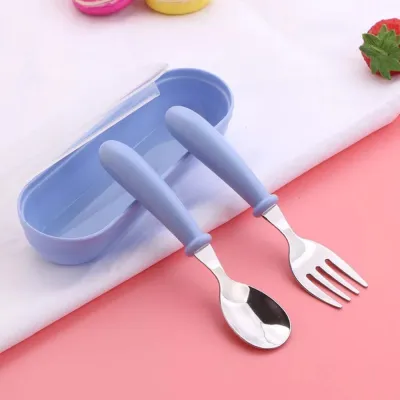
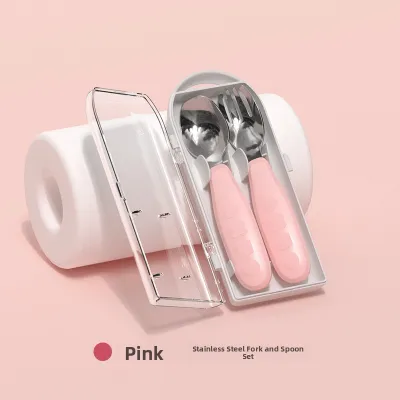
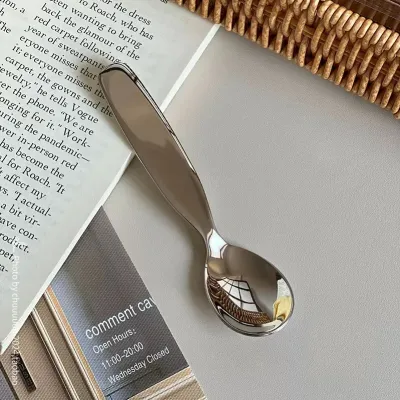
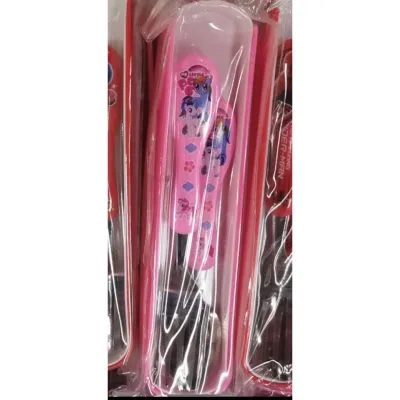
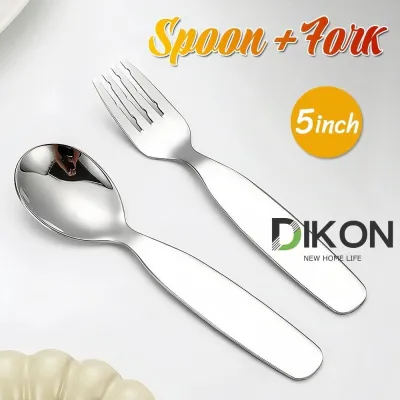
Prices are valid at publication and may change. Please refer to the product page for the latest price.
Handle design is another critical factor that varies depending on who is directing the meal. If you are primarily leading the feeding process, a spoon with a long, slender handle is highly practical. This length allows you to easily reach the bottom of deep baby food jars or blending containers while maintaining a comfortable grip. However, once your baby begins showing interest in holding the utensil, transition to short, chunky, and textured handles. These ergonomic designs are specifically engineered for an infant’s palmar grasp, allowing them to hold the tool securely with their entire fist.
Spoons for Purees and Parent-Led Feeding
During the initial stage of introducing solids, which typically involves smooth purees and mashed foods, parent-led feeding is common. At this point, your baby’s gums are highly sensitive, and newly emerging teeth may make their mouth tender. Using a hard plastic or metal spoon can cause discomfort if it accidentally bumps against their gums. Soft-tip spoons, usually crafted from flexible silicone, provide a gentle, cushioned contact surface that bends slightly under pressure, protecting your baby’s mouth from accidental impact.

The shape and depth of the spoon bowl play a significant role in how easily your baby learns to swallow. Beginners have not yet developed the coordination to use their upper lip to scrape food out of a deep spoon bowl. A shallow, relatively flat spoon bowl is ideal for this phase. It allows you to deposit a small, manageable portion of puree onto the tongue, and enables the baby to easily sweep the food off the spoon using their lips. This design minimizes frustration and helps prevent choking hazards associated with overfeeding.
Many modern baby spoons feature temperature-sensing technology, where the tip changes color if the food is too hot. While these indicators can serve as a helpful visual cue, they have distinct limitations and should never replace manual safety checks. Factors such as ambient lighting, wear from repeated washing, and material degradation over time can affect the accuracy of the color change. Always perform a manual temperature test by placing a small dab of the food on the inside of your wrist before offering it to your baby.
Forks and Spoons for Early Self-Feeding
As your baby transitions toward self-feeding or Baby-Led Weaning (BLW), their utensils must adapt to support their growing independence. Look for self-feeding spoons and forks equipped with built-in safety features, such as choke guards. A choke guard is a widened collar or shield located just below the spoon bowl or fork tines. This physical barrier prevents the baby from inserting the utensil too deeply into their throat, reducing the risk of gagging or choking while they practice their hand-eye coordination.
Introducing a fork during early self-feeding requires careful attention to the design of the tines. Early forks are not meant for sharp piercing; instead, they should feature blunt, rounded tips that can gently hold soft, mashable foods. Ideal starter foods for fork practice include steamed squash, ripe bananas, or soft-cooked sweet potatoes. Avoid metal tines during this initial self-feeding phase, as a sudden, uncoordinated movement could cause oral injury. Silicone or rounded plastic tines are much safer alternatives for beginners.
The weight and balance of the utensils also influence how quickly your baby masters self-feeding. If a spoon or fork is too heavy or top-heavy, it will repeatedly slip from your baby’s grasp, leading to mealtime frustration. Look for lightweight options with balanced weight distribution that sit naturally in a small hand. Utensils with slightly weighted bases can sometimes help keep the spoon upright when placed on a highchair tray, minimizing spills and keeping the eating area cleaner.
Safety Checks, Cleaning, and Replacement Guidelines
Maintaining the hygiene and structural integrity of your baby’s utensils is essential for their health and safety. Before cleaning or sterilizing any spoon or fork, always verify the manufacturer’s instructions on the packaging. While some materials can withstand the high temperatures of steam sterilizers, boiling water, or dishwashers, others may warp, crack, or degrade. For instance, utensils with wooden handles or complex joints should never be submerged in boiling water or placed in a dishwasher, as this can cause the material to split and harbor bacteria.
Regularly inspect all feeding tools under good lighting to identify signs of wear and tear. Look closely for deep scratches, bite marks, peeling layers, or discoloration on silicone and plastic surfaces. Over time, babies can bite through soft silicone, creating small fragments that present a severe choking hazard. Additionally, damaged surfaces can trap food particles and bacteria that are difficult to clean. If you notice any cracks, tears, or structural compromises, dispose of the utensil immediately.
Proper storage is particularly important in tropical climates where high humidity can encourage the growth of mold and mildew. After washing, ensure all spoons and forks are completely air-dried or towel-dried before storing them in closed drawers or containers. Pay special attention to utensils with complex joints, crevices, or wooden components, as these areas easily trap moisture. Storing utensils in a well-ventilated area helps maintain their hygiene and extends their usable lifespan.
Building Your Shortlist: What to Verify Before Buying
When building your shortlist of utensils to purchase, start by cross-referencing the manufacturer’s recommended age on the label with your baby’s actual physical milestones. Age ratings like “6m+” or “12m+” are helpful guidelines, but every baby develops at their own pace. A baby who cannot yet sit upright independently or show interest in grasping objects is not ready for self-feeding utensils, regardless of the age printed on the box. Prioritize your baby’s current motor skills over chronological age.
Always look for recognized safety standard symbols on the packaging rather than trusting unverified seller descriptions on e-commerce platforms. Legitimate safety marks indicate that the product has undergone testing to comply with international or local safety regulations for children’s products. Avoid purchasing utensils that lack clear manufacturer labeling, ingredient lists, or contact information, as these products may not have undergone rigorous quality control checks.
Finally, consider whether to buy utensils individually or as part of a coordinated set. Buying a complete feeding bundle can be cost-effective, but it may include items your baby is not yet ready to use, such as complex forks or deep bowls. Starting with a single pair of high-quality, soft-tip spoons allows you to test your baby’s acceptance and comfort before investing in larger sets. Because utensils frequently get lost, dropped, or damaged, having a few reliable, identical backups is always a practical approach for busy parents.
Frequently Asked Questions (FAQ)
When should I introduce a fork to my baby?
Most babies are ready to explore using a fork around 10 to 12 months of age, though this timing varies based on individual motor development. Look for signs of readiness, such as a refined pincer grasp, the ability to successfully bring a spoon to the mouth, and an active interest in piercing soft foods. Always start with a blunt, rounded fork designed specifically for infants, and ensure close caregiver supervision during every meal to prevent accidental pokes to the eyes or face.
Are silicone spoons better than plastic or metal for beginners?
Silicone spoons are generally considered the most suitable option for beginners starting solid foods. Their soft, flexible texture is gentle on sensitive gums and newly erupting teeth, and the material naturally offers a non-slip grip for tiny hands. Plastic spoons are lightweight and affordable but can degrade or scratch over time, while metal utensils are best reserved for older toddlers who have fully mastered self-feeding and no longer bite down hard on their cutlery. Always check the product packaging to ensure the material is certified food-safe.
Community discussion
Share your experience or ask a question. Comments are reviewed before publication.