
When your little one transitions from being spoon-fed to exploring solid foods independently, mealtime becomes an exciting, sensory-rich adventure. However, this developmental milestone also brings a fair share of flying purees, overturned dishes, and floor cleanups. Choosing the right toddler plate is one of the most practical steps you can take to support your child’s self-feeding journey while keeping household chaos to a minimum. The ideal plate acts as a learning tool, designed specifically to accommodate a toddler’s developing motor skills and natural curiosity.
To set your child up for success, look for a plate that prioritizes stability, safety, and ergonomic design. A high-quality toddler plate should feature a strong suction base to prevent accidental tips, divided sections to help organize different food groups, and curved walls that make scooping easier for tiny hands. In tropical climates like the Philippines, where high humidity can influence food spoilage and mold growth, selecting materials that are easy to sanitize and quick to dry is equally essential. By focusing on these core features, you can transform mealtime from a stressful cleanup chore into a positive, independent learning experience for your growing baby.
Essential Features for Mess-Free Self-Feeding
The primary challenge of early self-feeding is keeping the food on the table rather than on the floor. Toddlers love to test gravity, and a standard plate is easily flipped, slid, or thrown in a moment of excitement or frustration. This is why a robust suction base is the single most important feature for mess-free dining. A high-quality suction plate utilizes a wide, flexible silicone or rubber base that creates a powerful vacuum seal when pressed down onto a flat, non-porous surface. To ensure the plate stays put, look for designs that feature a hidden release tab. This tab should face away from your child, preventing clever toddlers from figuring out how to break the vacuum seal themselves.
Products mentioned in this guide
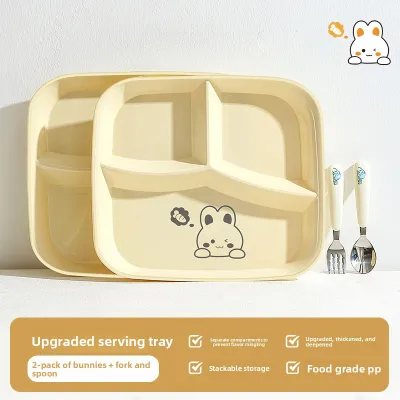
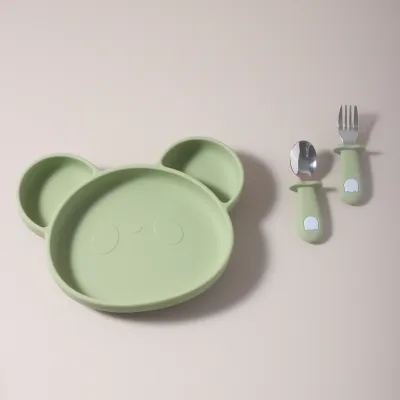
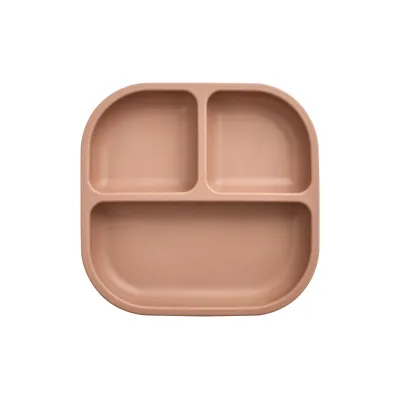
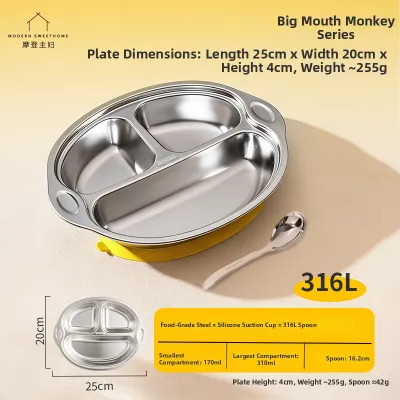
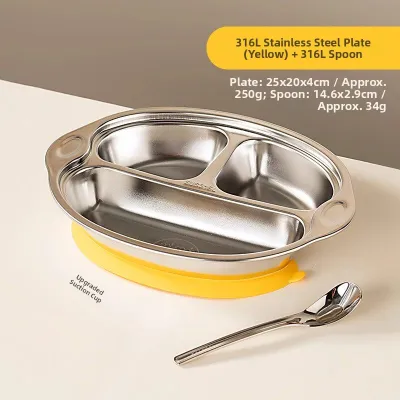
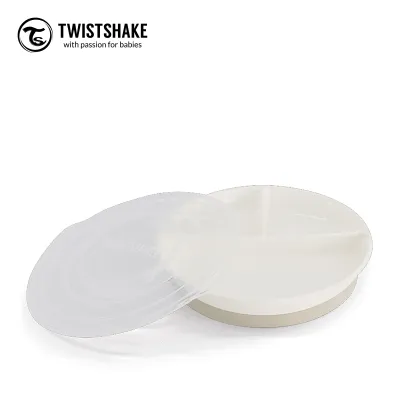
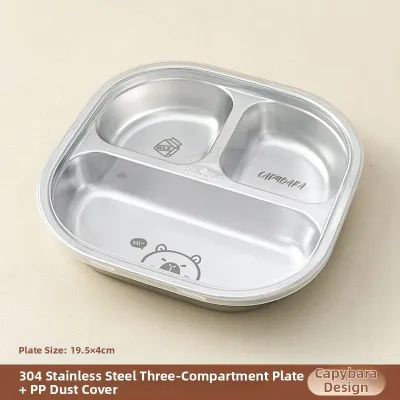
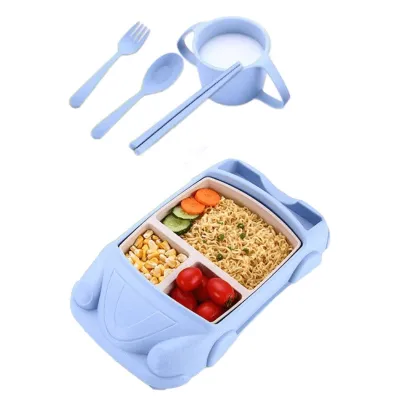
Prices are valid at publication and may change. Please refer to the product page for the latest price.
Beyond suction, the internal structure of the plate plays a vital role in managing mealtime messes. Divided sections are highly beneficial for several reasons. From a developmental perspective, many toddlers go through a phase where they prefer their foods not to touch. Divided plates keep purees, grains, and finger foods neatly separated, which can make meals look more appealing and less overwhelming to a picky eater. Additionally, these dividers act as built-in barriers. When your child is learning to use a spoon or fork, they will naturally push food against the sides of the plate; divided walls provide extra surfaces to help them scoop food onto their utensils.
For situations where suction bases are not compatible with your dining surface—such as on textured wooden tables—stability must be achieved through other design elements. Weighted bases and non-slip outer rims are excellent alternatives. A plate with a heavy, low-profile bottom is much harder for a toddler to tip over accidentally. Non-slip silicone or rubberized borders along the bottom edge provide friction, preventing the plate from sliding across the highchair tray when your child attempts to spear a piece of food. When evaluating these features, look for seamless integration between the non-slip material and the main plate body to prevent food particles from getting trapped in small crevices.
Material Safety and Durability Checks
When selecting any product that comes into direct contact with your child’s food, material safety is paramount. Parents must carefully inspect product labels to verify that the materials used are food-grade and free from harmful chemicals. Look for explicit certifications indicating that the plate is free from Bisphenol A (BPA), Bisphenol S (BPS), lead, phthalates, and PVC. Food-grade silicone has become a gold standard in toddler tableware because it is naturally hypoallergenic, resistant to bacteria, and incredibly durable. Other popular options include sustainably sourced bamboo and high-grade stainless steel, both of which offer excellent durability without the chemical risks associated with low-quality plastics.

Durability and ease of maintenance are closely tied to material choice, especially under daily wear and tear. You should always verify the manufacturer’s instructions regarding heat resistance, microwave compatibility, and dishwasher safety. For instance, while high-quality silicone plates are typically microwave-safe and can withstand the high temperatures of a sterilizer or dishwasher, bamboo plates are highly sensitive to heat and moisture. In warm, humid environments, bamboo must be hand-washed and dried thoroughly in a well-ventilated area to prevent mold growth and cracking. Stainless steel is incredibly hygienic and long-lasting, but it cannot be placed in a microwave, which may limit its convenience for quick meal prep.
Another critical safety check involves inspecting the plate for potential physical hazards. Before purchasing, examine the design for any small, detachable parts—such as removable suction rings, decorative plugs, or multi-piece components—that could pose a choking hazard if they become loose. Additionally, avoid plates with painted designs or cheap plastic coatings that can peel, chip, or degrade over time, especially after repeated exposure to warm food and washing. A solid, single-piece construction is generally the safest and most durable choice, ensuring that no small parts can break off and no hidden crevices can harbor harmful bacteria.
Ergonomics and Grip-Friendly Designs
A toddler’s fine motor skills are still developing during the weaning phase, meaning their grip and coordination are quite different from an adult’s. To support their independence, a toddler plate must be ergonomically designed to match their physical capabilities. One of the most helpful design features is an inward-curved outer edge or a deep plate wall. When a toddler attempts to scoop up food, they often push it toward the edge of the plate. A plate with a gentle, inward-curved rim guides the food back onto the spoon rather than letting it spill over the side, boosting your child’s confidence and reducing frustration during self-feeding practice.
In addition to curved walls, the outer design of the plate should accommodate small hands. Built-in handles or wide, textured outer rims allow toddlers to easily grip and stabilize the plate themselves if they need to adjust its position. These handles should be made of non-slip, heat-resistant materials to protect delicate hands from warm food. A lightweight design is also beneficial if you plan to let your child practice carrying their own plate to the sink after a meal, which is an excellent way to encourage responsibility and daily life skills.
Before finalizing your purchase, it is crucial to measure your dining setup to ensure dimensional compatibility. Highchair trays come in a wide variety of shapes and sizes, and many feature curved or textured surfaces. A suction plate that is too large for your highchair tray will overlap the edges, preventing a proper vacuum seal from forming. Measure the flat surface area of your highchair tray and compare it directly with the plate’s dimensions specified by the manufacturer. If you plan to transition your child to the family dining table, ensure the plate’s footprint fits comfortably alongside adult dinnerware without crowding the space.
How to Build Your Toddler Plate Shortlist
To narrow down your options and find the perfect plate for your household, it helps to use a structured, scenario-based filtering framework. Start by matching the plate type to your child’s current developmental and weaning stage. If your baby is just starting with smooth purees and mashed foods, a deep, bowl-like plate with high dividers is ideal for containing liquids. For older toddlers who are mastering finger foods and practicing with a fork, a flatter plate with wider, shallower sections will give them better visibility and access to their food, allowing them to practice their pincer grasp more effectively.
Next, evaluate your family’s daily cleaning routine and lifestyle. If you rely heavily on a dishwasher or steam sterilizer for sanitization, prioritize 100% food-grade silicone or dishwasher-safe plastics, and avoid materials like bamboo or wood that require meticulous hand-washing and air-drying. Consider your local climate as well; in highly humid regions, choosing materials that dry quickly and do not absorb moisture is essential for maintaining hygiene. If you travel frequently or dine out often, look for lightweight, flexible silicone plates that can be easily folded or packed into a diaper bag without losing their shape.
Finally, establish a realistic budget and consult real-world feedback. High-quality toddler plates in the local market typically range from budget-friendly options around ₱200 to premium, medical-grade silicone designs that can cost ₱800 or more. While it can be tempting to opt for the cheapest option, investing in a durable, well-designed plate often saves money in the long run by avoiding frequent replacements. When browsing online marketplaces, look past the promotional descriptions and focus on verified user reviews. Pay close attention to feedback regarding long-term suction reliability, resistance to staining, and whether the material retains soapy odors after washing, as these practical insights will help you make a highly informed decision.
Transitioning from Toddler Plates to Regular Dishware
Specialized toddler plates are wonderful training tools, but they are not meant to be used indefinitely. As your child grows, you should look for key developmental signs that indicate they are ready to transition to standard family dishware. These signs include improved hand-eye coordination, consistent and accurate use of utensils, and a noticeable reduction in intentional food throwing or plate tipping. If your child can sit through a meal without attempting to lift or slide their plate, they are likely ready to take the next step toward regular tableware.
The transition should be a gradual, positive process rather than an abrupt change. Start by introducing non-suction plates during supervised snack times, allowing your child to practice keeping the plate stable on their own. You can also look for transitional plates that feature a removable suction base, giving you the flexibility to convert the plate into a standard dish once the suction is no longer needed. Gradually introduce durable, lightweight family plates made of break-resistant materials like melamine or tempered glass, ensuring your child feels included in the family dining experience while minimizing the risk of broken dishes.
Frequently Asked Questions (FAQ)
Are silicone plates better than bamboo or plastic?
Each material has distinct trade-offs depending on your daily household needs. Food-grade silicone is highly favored for its exceptional durability, flexibility, and resistance to drops, making it virtually indestructible during toddler tantrums. It is also highly heat-tolerant, meaning it can safely go into the microwave, dishwasher, and sterilizer. However, silicone can sometimes absorb soapy scents if washed with heavily perfumed dish soaps. Bamboo is an eco-friendly, visually appealing option, but it requires careful hand-washing and cannot be microwaved. Plastic is lightweight and highly affordable, but it scratches easily under metal utensils, creating tiny grooves where bacteria can accumulate over time.
Why is my suction plate not sticking to the highchair tray?
Suction failure is almost always caused by a disruption in the vacuum seal between the plate’s base and the mounting surface. If your highchair tray has a textured, matte, or slightly porous surface, air will seep under the suction cup, causing it to release almost immediately. To resolve this, ensure you are using the plate on a completely smooth, clean, and non-porous surface like glass, polished wood, or smooth plastic. Additionally, invisible grease, dust, or soap residue on either the tray or the plate’s suction base can prevent a tight seal. Thoroughly clean both surfaces with warm water, dry them completely, and try applying a tiny drop of moisture to the suction cup before pressing it firmly down from the center outward to expel all trapped air.

Community discussion
Share your experience or ask a question. Comments are reviewed before publication.