
Finding the right milk powder storage bag for travel requires balancing safety, convenience, and reliability. When you are away from home, a dedicated storage solution prevents spills, protects the formula from moisture, and streamlines on-the-go feeding. This guide breaks down the essential features you should evaluate—from material safety and sealing mechanisms to portability and cleaning requirements—helping you build a practical shortlist that fits your specific travel routine and your baby’s needs.
To find the right storage solution, you must balance convenience with strict hygiene and safety standards. The ideal bag must protect the formula from moisture, prevent leaks during transit, and be easy to pour into a bottle under less-than-ideal travel conditions. By evaluating key features such as material safety, sealing mechanisms, and cleaning requirements, you can select a product that fits seamlessly into your travel routine and keeps your baby’s nutrition safe.
Essential Safety and Material Features to Check First
The safety of the material that comes into direct contact with your baby’s formula is the most critical factor to consider. Infant formula is highly sensitive to chemical contamination and environmental factors, meaning the storage bag must be made from certified food-grade materials. When browsing options, look for clear labels on the packaging indicating that the product is free from Bisphenol A (BPA), Bisphenol S (BPS), and phthalates. Because regulatory standards can vary, it is best to verify these safety claims by checking the manufacturer’s official website or product packaging directly rather than relying solely on unverified online marketplace listings.
Products mentioned in this guide
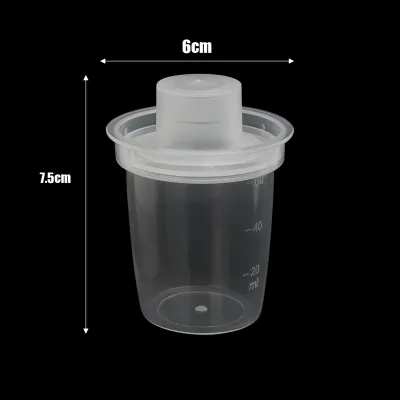
Prices are valid at publication and may change. Please refer to the product page for the latest price.
Material thickness and durability are equally important when traveling. A storage bag must withstand being squeezed, jostled, and pressed against other items inside a packed diaper bag or suitcase. Thin, low-quality plastics are highly susceptible to punctures from keys, toys, or the sharp edges of baby utensils, which can lead to wasted formula and a difficult cleanup. Look for bags constructed with multi-layer laminated plastics or thick, flexible food-grade silicone, as these materials offer superior puncture resistance and structural integrity during transit.
Additionally, you should carefully review the manufacturer’s guidelines regarding temperature limits and safe storage durations. Dry milk powder can degrade or clump when exposed to high temperatures, which is a common concern when traveling in warm climates or leaving bags in a vehicle. Check if the storage bags are rated for temperature extremes, especially if you plan to sterilize reusable options using heat. Always follow the formula manufacturer’s instructions regarding how long dry powder can safely remain outside its original airtight container before feeding.
Sealing Mechanisms and Portion Control for Travel
A secure sealing mechanism is your primary defense against spills and environmental moisture. Double-ziplock seals are a popular and reliable choice, providing two parallel barriers that lock out air and humidity. When using double-ziplock bags, you must manually press along the entire length of the seal to ensure it is completely closed, as any small gap can allow moisture to seep in and cause the powder to clump. Slider seals offer a convenient physical tab that slides across to close the bag, though you should inspect the ends of the slider to confirm a tight seal. Snap-seal mechanisms, commonly found on reusable silicone bags, provide a rigid, tactile closure that is highly secure but may add slightly more bulk to your packing setup.

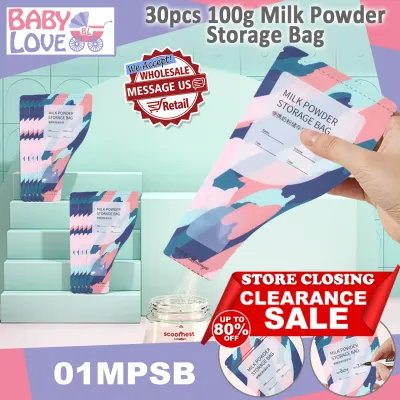
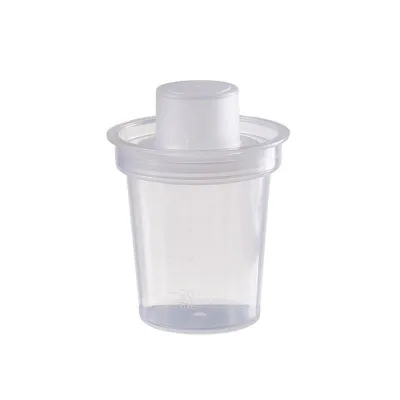
Portion control is another essential feature that simplifies travel feeding. Single-serve pouches are designed to hold a single pre-measured portion of formula, allowing you to pour the exact amount needed for one bottle without the need for scoops or measuring cups on the go. This is incredibly helpful when feeding your baby in crowded spaces, such as airports, buses, or malls. Alternatively, some bags feature multi-compartment designs that allow you to carry several pre-measured portions in a single organized pouch, reducing the number of individual items you need to track in your bag.
The design of the opening and pouring mechanism can make a significant difference in preventing wasted powder. Look for bags that feature an easy-pour spout or a narrow, funnel-shaped opening at the bottom or side. Standard wide-mouth bags can be difficult to align with narrow-neck baby bottles, often resulting in spilled powder and inaccurate formula concentrations. A dedicated tear-away or zippered spout allows you to direct the powder cleanly into the bottle neck, minimizing mess and ensuring your baby gets the exact intended measurement.
Portability, Cleaning, and Daily Use Practicality
Portioning your baby’s meals is only helpful if the storage bags themselves are easy to pack and carry. Evaluate the physical footprint, weight, and flexibility of the bags to ensure they fit comfortably inside your standard diaper bag, backpack, or carry-on luggage. Flexible bags that can lay flat or compress as they are emptied are highly efficient for travel, as they take up progressively less space as your trip progresses. Avoid overly rigid containers if your packing space is highly limited, as they maintain their bulky shape even when empty.
For parents who prefer reusable storage options, cleaning and hygiene practicality must be a top priority. Check the care labels on reusable silicone or PEVA bags to determine if they are dishwasher-safe or require meticulous hand-washing. Reusable bags must be washed with warm, soapy water and thoroughly dried before every use. Any residual moisture left inside the bag will cause the next batch of milk powder to clump, spoil, and potentially harbor harmful bacteria. Look for designs that can be turned inside out or have wide openings that allow for complete air drying.
Be on the lookout for potential design flaws that can compromise hygiene or convenience over time. Bags with deep, sharp corners or complex internal crevices can trap dry powder, making them extremely difficult to clean thoroughly. Weak seams are another common issue; inspect the physical seams of the bag to ensure they are wide and well-reinforced to prevent splitting under pressure. Additionally, some lower-grade plastics can retain the odor of previous contents or dishwashing soaps, which may alter the taste of the formula and cause your baby to reject their feed.
Matching Bag Types to Your Travel Feeding Routine
Selecting the right milk powder storage bag depends heavily on your specific travel style, feeding frequency, and destination. Reusable silicone or PEVA bags are an excellent choice for frequent travelers who want a durable, eco-friendly, and cost-effective solution. These bags are highly resilient and can be used repeatedly, reducing plastic waste. However, they require access to clean water, baby-safe dish soap, and a clean space for drying, which may not always be available during hotel stays or outdoor excursions.
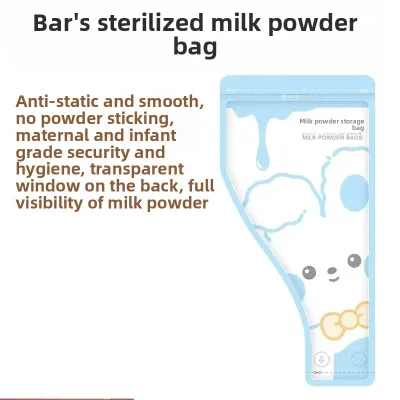
Disposable or single-use pouches offer unmatched convenience for short trips, flights, or busy travel days. Because they are pre-sterilized and designed to be discarded after a single use, they eliminate the need for washing and drying on the go. This significantly reduces your luggage weight and cleanup time, allowing you to focus on enjoying your trip. However, they generate more waste and require a continuous supply of new bags for future travels.
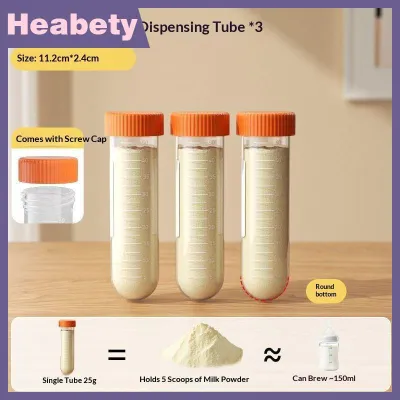
Multi-compartment dispensers are highly suitable for parents who manage multiple daily feeds and prefer a structured, all-in-one container. These dispensers keep several pre-measured portions separated within a single, semi-rigid container, making it easy to rotate through feeds during a full day of sightseeing. They are highly durable and easy to locate in a deep diaper bag, though they do not compress like flexible pouches.
When planning your travel gear, it is helpful to create a personal checklist based on your trip duration, feeding frequency, and local climate considerations. For instance, when traveling in hot and highly humid tropical environments like the Philippines, moisture control becomes your absolute priority. High humidity can cause dry milk powder to clump rapidly, making it difficult to dissolve properly and potentially affecting its nutritional consistency. In these conditions, prioritize bags with airtight double-ziplocks, store them in insulated, cool compartments of your diaper bag, and avoid leaving the bags exposed to humid air for extended periods.
Frequently Asked Questions (FAQ)
Can I store prepared liquid formula in these bags instead of powder?
No, you should not store prepared liquid formula in bags designed specifically for dry milk powder. Powder storage bags lack the specialized seals, structural reinforcement, and thermal properties required to safely contain liquids, which greatly increases the risk of leaks and spills. Furthermore, prepared liquid formula is highly perishable and prone to rapid bacterial growth if not kept continuously refrigerated. For liquid storage, always use dedicated breast milk storage bags or sterile baby bottles, and consult a qualified healthcare professional regarding safe preparation and storage timelines.
How do I prevent milk powder from clumping in a storage bag during humid trips?
To prevent clumping in humid conditions, always squeeze out as much excess air as possible from the bag before sealing it shut. Store the sealed bags in a cool, dry, and shaded compartment of your diaper bag, away from direct sunlight, hot vehicles, or damp items. If the manufacturer’s instructions explicitly permit it, you can place the sealed storage bags inside a secondary airtight container with a food-safe desiccant packet, ensuring the packet never comes into direct contact with the formula powder itself.
Are there specific features to look for when traveling by air with a baby?
When traveling by air, look for storage bags with reinforced seams and highly flexible materials that can withstand cabin pressure changes during the flight. It is also wise to pack your formula storage bags in an easily accessible, clear organizer pouch within your carry-on luggage. Airport security protocols often require baby food, formula, and associated supplies to be inspected separately, so having them organized and ready to present will streamline your security screening process. Always verify current airline and airport security policies regarding baby supplies before your departure date.

Community discussion
Share your experience or ask a question. Comments are reviewed before publication.