
Preparing a baby’s bottle while away from home requires speed, precision, and absolute hygiene. A reliable milk powder storage container simplifies this process by keeping pre-measured formula dry, secure, and ready to pour. In warm, humid environments like the Philippines, choosing the right container is not just about convenience; it is also about protecting the powder from moisture clumping and contamination. By focusing on airtight seals, safe materials, and bottle-compatible spouts, you can ensure smooth feeding times during mall trips, family visits, or long travel days.
When selecting a container, parents must balance portability with ease of use. A container that leaks or is difficult to pour can quickly turn a routine outing into a stressful ordeal. Understanding the key design features and matching them to your specific travel habits will help you find the most practical solution for your family. Always consult a pediatrician or healthcare professional if you have questions about your baby’s specific nutritional needs or feeding schedule.
Essential Features for a Leak-Proof and Convenient Container
A leak-proof seal is your primary defense against humidity and accidental spills inside a diaper bag. Look for containers equipped with food-grade silicone sealing rings embedded securely in the lids. Threaded screw-on lids generally offer a more reliable closure than simple snap-on caps, which can easily pop open when compressed inside a packed bag. Inspect the locking latches to ensure they click firmly into place, providing a physical and audible confirmation of a tight seal.
Products mentioned in this guide
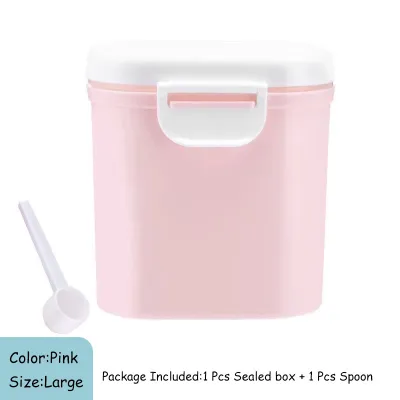
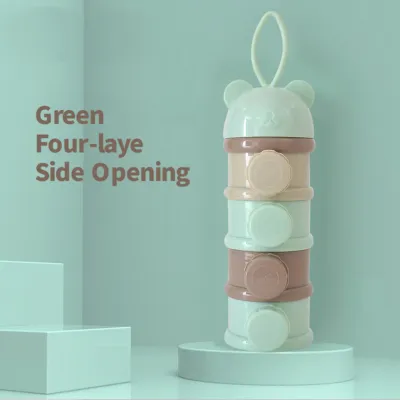
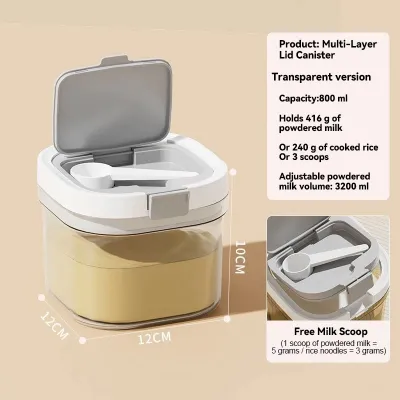
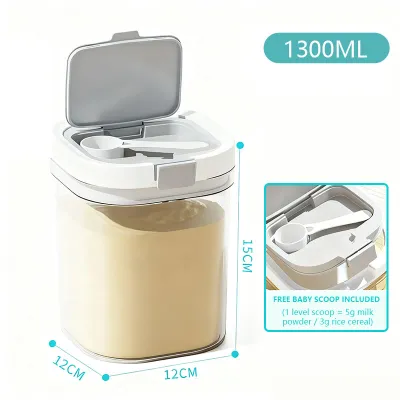
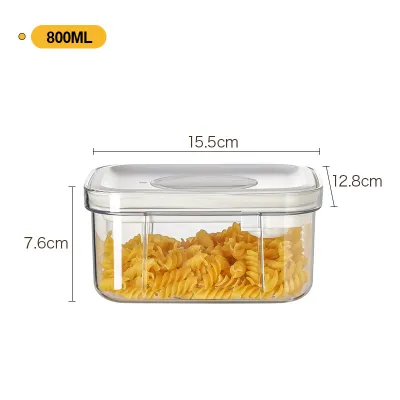
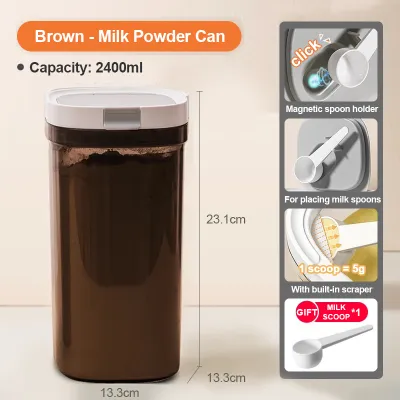
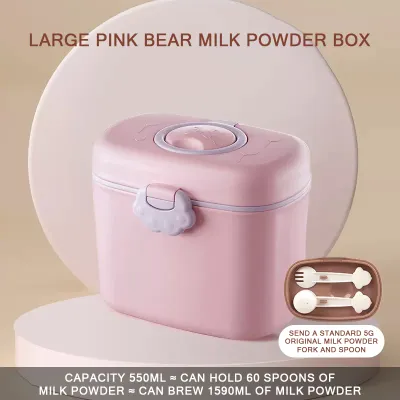
Prices are valid at publication and may change. Please refer to the product page for the latest price.
Material safety is another critical factor to verify before making a purchase. Because these containers hold dry food that your baby consumes, check the product packaging to confirm that the manufacturer explicitly labels the product as BPA-free. Common safe plastics include polypropylene (PP) and polyphenylsulfone (PPSU), both of which are durable and heat-resistant. Verify the manufacturer’s cleaning instructions to see if the material is compatible with your steam sterilizer or top-rack dishwasher, as high temperatures can warp low-quality plastics.
The design of the pouring spout must match the specific baby bottles you use daily. A container with a narrow, funnel-shaped spout allows the powder to flow smoothly into standard or wide-neck bottles without spilling over the edges. If the spout is too wide, you risk losing precious formula on your hands or the diaper mat. Conversely, an opening that is too narrow can cause the powder to clog, forcing you to shake the container vigorously, which often leads to messes.
Consider how easy the container is to operate when you are holding a fussy baby. One-handed operation is a major advantage during hectic travel moments. Look for lids that flip open with a simple thumb press or caps that unscrew smoothly without requiring two hands to stabilize the base. A textured outer surface or an ergonomic grip can also prevent the container from slipping out of your hands during a hurried feeding session in a public restroom or a moving vehicle.
Matching Container Types to Your Travel Scenarios
Different travel scenarios call for different container designs, and choosing the right format depends on your typical daily routine. Stacked dispensers, often referred to as formula towers, consist of individual compartments that screw into one another vertically. This design is highly efficient for short trips or daily stroller walks around the neighborhood. Because they stack vertically, they slide easily into the side pockets of most diaper bags, taking up minimal horizontal space. You can carry only the number of layers you need for that specific outing, making your bag lighter.

For longer journeys or full-day trips, multi-compartment rotary trays are highly practical. These round containers feature a single lid with a rotating spout that aligns with different internal compartments. This setup allows you to store three to four pre-measured feeds in one compact unit. It is particularly useful if you need to carry different types of formula or if you want to keep track of feeding intervals throughout the day. However, ensure the internal dividers fit snugly against the lid to prevent powder from migrating between compartments.
Single-serve pods or reusable silicone pouches offer an ultra-lightweight alternative for minimalist packers. These are ideal as backup storage options kept permanently in your car or stroller basket. While they lack the rigid structure of plastic dispensers, they conform easily to tight spaces. If you choose pouches, verify that they have a secure zip-lock or slide-closure mechanism to prevent accidental opening under pressure.
When evaluating cross-scenario compatibility, think about your typical weekly routine. If you transition frequently between quick errands and long transit periods, a modular stacked system offers the most flexibility. You can use a single compartment for a quick doctor’s visit or stack four layers together for a weekend trip. Always prioritize a design that fits comfortably inside your preferred diaper bag without forcing you to leave other essentials behind.
Hygiene and Maintenance for Milk Powder Storage
Maintaining strict hygiene is vital to protect your baby’s developing immune system. Always follow the manufacturer’s specific guidelines for disassembling the container before cleaning. Remove all silicone gaskets, lids, and individual compartments, as milk powder residue can easily trap moisture and harbor bacteria in hidden crevices. Wash all parts thoroughly with mild baby bottle cleanser and warm water, using a soft sponge to avoid scratching the plastic.
In tropical climates, complete air-drying is a critical step that cannot be rushed. Even a single drop of trapped moisture inside a compartment will cause the milk powder to clump, spoil, or stick to the walls, making it difficult to pour. Lay all components flat on a clean drying rack in a well-ventilated area. Avoid assembling or refilling the container until every piece is completely dry to the touch.
Regularly inspect the container for signs of wear and tear. Look closely for deep scratches on the inner plastic walls, as these micro-grooves can trap bacteria even after washing. Check the silicone sealing rings for stretching, cracking, or discoloration. If a seal becomes loose or degraded, the container will lose its airtight properties, increasing the risk of leaks and moisture ingress.
Establish clear criteria for when to retire a container. If you notice persistent odors that do not wash away, visible cracks in the plastic, or a lid that no longer clicks securely, stop using the container immediately. Replacing a worn-out dispenser ensures that your baby’s formula remains safe, dry, and uncontaminated during every outing.
How to Pre-Measure and Pack for On-the-Go Feeding
Before you begin packing, wash your hands thoroughly with soap and water, and ensure your preparation surface is clean and dry. Ensure the container components have been properly sanitized and are completely free of moisture. Any dampness on your hands or the counter can transfer to the powder, compromising its quality before you even leave the house.
When measuring the formula, always use the scoop provided in the current formula tub. Do not use household spoons or scoops from different brands, as scoop sizes vary significantly. Scoop the powder gently and level it off using the built-in leveler on the formula tub or the flat edge of a clean knife. Avoid packing the powder tightly into the scoop, as this can result in an overly concentrated feed that may upset your baby’s stomach.
Once the compartments are filled and sealed, store the container in a cool, dry place inside your bag. Avoid placing it next to warm items, such as freshly heated water thermoses, or leaving your diaper bag inside a hot car parked under the sun. High temperatures can degrade the nutrients in the milk powder and cause condensation to form inside the sealed compartments.
When it is time to feed, always pour the pre-measured powder into the bottle after you have filled it with the correct amount of water. This order of preparation ensures accurate water measurement and helps the powder dissolve quickly without clumping at the bottom of the bottle. Swirl or shake the bottle gently until the powder is fully dissolved, and check the temperature on your wrist before feeding.
Frequently Asked Questions (FAQ)
Can I store mixed liquid formula in a milk powder container?
No, portable milk powder containers are designed exclusively for dry powder and are not liquid-tight. Storing mixed liquid formula in these dispensers can lead to severe leaks and rapid bacterial growth. According to standard pediatric safety guidelines, once formula is mixed with water, it should be consumed within two hours at room temperature or kept refrigerated for no more than 24 hours. For on-the-go feeding, always carry the dry powder and water separately, mixing them only when your baby is ready to feed.
How long can pre-measured milk powder stay in the portable container?
Dry milk powder can generally remain in a clean, airtight portable container for up to a few days, provided the container is kept in a cool, dry place away from direct sunlight. However, you should always check your specific formula manufacturer’s packaging for guidelines on moisture sensitivity and exposure to air. If you live in a highly humid environment, it is best to pack only what you need for the day to minimize the risk of moisture clumping and preserve the nutritional quality of the formula.
Community discussion
Share your experience or ask a question. Comments are reviewed before publication.