
A cesarean section is a major abdominal surgery, which means your postpartum recovery requires specialized physical support that goes far beyond standard cosmetic shapewear. To find the right binder for cesarean section recovery, you must prioritize three essential design elements: highly breathable and moisture-wicking fabrics, flat or non-existent seams over the incision site, and multi-stage adjustable compression. These features ensure the binder supports your weakened core muscles without irritating your healing scar or trapping moisture. Always consult your OB-GYN before introducing any compression garment to your recovery routine.
While many products claim to support postpartum recovery, surgical healing demands a highly cautious approach. Wrapping a fresh surgical wound too tightly or using the wrong materials can lead to skin irritation, friction-induced pain, or even serious wound complications. Understanding what to look for—and what to avoid—will help you select a binder that safely aids your physical recovery while keeping you comfortable during those demanding early weeks with your baby.
Why C-Section Binders Differ from Standard Postpartum Wraps
Standard postpartum wraps are designed primarily to support the uterus as it naturally shrinks and to provide gentle compression to stretched abdominal walls after an uncomplicated vaginal birth. While helpful for general core support, these standard wraps often lack the structural considerations required for surgical healing. A dedicated C-section binder is specifically engineered to accommodate a low transverse incision, protecting a healing surgical wound while providing structural stability to the surrounding muscle groups.
Products mentioned in this guide
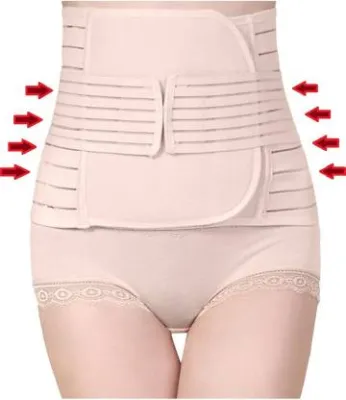
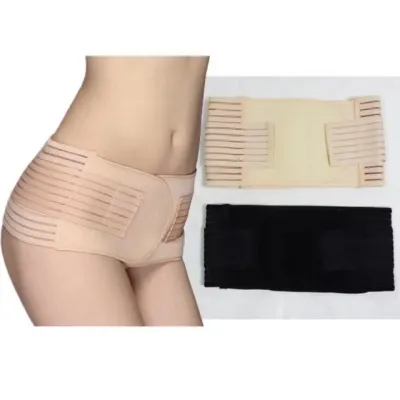
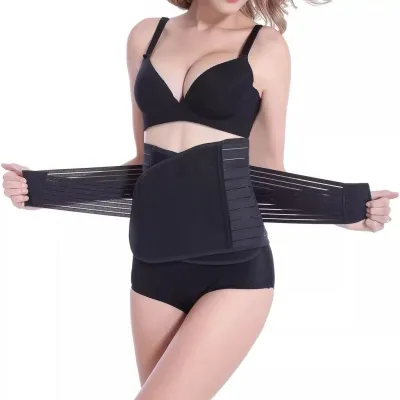
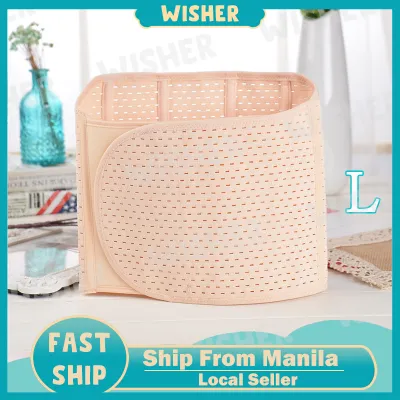
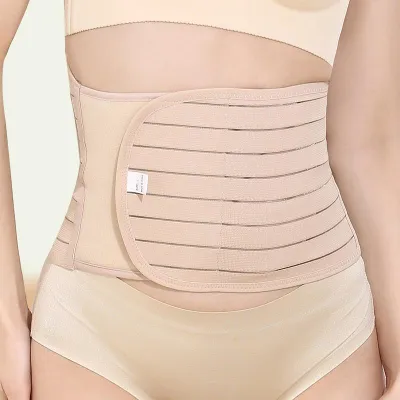
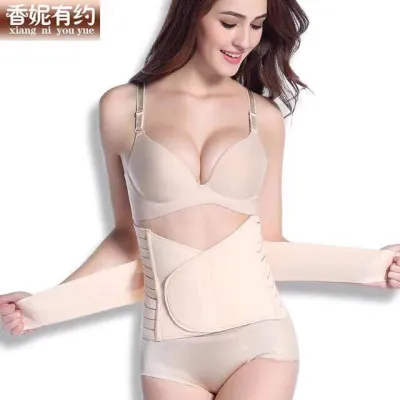

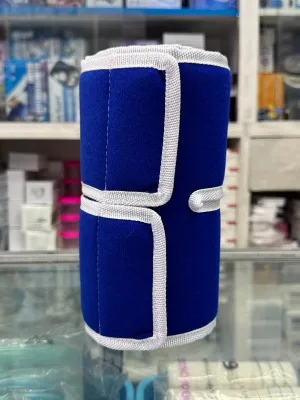
Prices are valid at publication and may change. Please refer to the product page for the latest price.
The primary goal of a specialized C-section binder is to minimize micro-movements of the abdominal wall. Simple, everyday actions like laughing, coughing, standing up from a low chair, or lifting your baby can cause sudden, painful pulling at your incision site. By stabilizing the core, the binder reduces this movement-related pain, giving you the confidence to move gently during your early mobilization phases.
Additionally, a proper surgical binder acts as a physical shield. It prevents your everyday clothing, underwear waistbands, or your baby’s kicking feet from rubbing against the sensitive incision. This friction reduction is vital for preventing skin irritation and supporting clean scar formation over the long term.
It is crucial to understand that an abdominal binder is a supportive comfort tool, not a medical device that replaces professional postpartum care, pelvic floor therapy, or prescribed wound management. It does not speed up physiological muscle re-education on its own. Before purchasing or wearing any compression garment, you must obtain explicit clearance from your OB-GYN, as wrapping a surgical wound too early or too tightly can lead to complications.
Essential Features for Incision Care and Comfort
Selecting the right binder requires looking past aesthetic promises and focusing entirely on functional design. Because your body will undergo rapid physical changes in the first six weeks postpartum, a one-size-fits-all approach simply will not work. The ideal binder must actively protect your surgical wound while adapting to your shrinking abdomen.

Three core pillars define a high-quality C-section binder: material composition, strategic incision coverage, and step-down adjustability. Evaluating these features together helps you avoid products that cause discomfort, trap heat, or delay your healing process.
Breathable, Skin-Friendly Materials
In warm, humid climates, heat and moisture management are paramount for wound care. Trapped sweat around a surgical incision creates a prime breeding ground for bacteria and yeast, significantly increasing the risk of surgical site infections. Choosing lightweight, breathable fabrics is your first line of defense against these complications.
Look for binders made from natural or highly breathable fibers such as cotton blends, bamboo viscose, or medical-grade mesh. Bamboo viscose is particularly beneficial as it is naturally soft, hypoallergenic, and highly moisture-wicking, keeping the skin cool even during humid afternoons. Medical-grade mesh panels allow for maximum airflow directly to the skin while maintaining structural integrity.
When reading product descriptions, actively look for latex-free claims and certifications indicating hypoallergenic properties. Avoid thick, non-breathable synthetic plastics, heavy neoprene, or cheap polyester blends. These materials trap body heat and sweat, which can soften the healing scar tissue (maceration) and cause severe itching or localized dermatitis. Always verify the exact material composition on the manufacturer’s label before use.
Strategic Incision Coverage and Seam Placement
The physical structure of the binder must never interfere with your low transverse incision. Standard wraps often place seams, closures, or thick hems directly at the bottom of the band, which can dig into your fresh scar every time you sit down. A C-section binder must have a smooth, flat, or completely seamless lower panel.
Avoid binders that feature rigid plastic or steel boning near the front or sides, as these structural elements will bend and poke directly into your lower abdomen when you sit or bend over. Similarly, heavy metal zippers, thick hook-and-eye rows, or rough decorative lace should be kept far away from the lower third of the binder.
When shopping, examine product images closely and read user reviews specifically searching for terms like “seam placement,” “scar clearance,” or “rubbing.” The lower edge of the binder should either sit comfortably below the incision line on your hips or feature a soft, padded, seamless panel that distributes pressure evenly across the lower abdomen without localized friction.
Adjustability for Changing Postpartum Bodies
Your body changes rapidly in the weeks following childbirth as postpartum swelling subsides and the uterus naturally contracts. A fixed-size, pull-on elastic band cannot accommodate these shifts and will quickly become either too loose to provide support or too difficult to pull over your hips without hurting your incision.
Instead, opt for binders with highly adjustable closure systems, such as medical-grade hook-and-loop (Velcro) fasteners or multi-panel wrap designs. These allow you to customize the tightness of the band daily. Look for “step-down adjustability,” which refers to the ability to tighten the binder incrementally as your waistline decreases, extending the product’s usable life.
Dual-side adjustment panels or triple-strap systems are highly recommended over single-pull wraps. These multi-strap designs allow you to apply different levels of tension to different areas of your torso. For example, you can keep the compression light and gentle over your lower abdomen where the incision is located, while securing a firmer, more supportive fit around your upper waist and hips to stabilize your lower back.
Evaluating Compression Levels for Safe Healing
A common misconception is that tighter compression leads to faster recovery or a flatter stomach. In reality, excessive compression after a C-section is highly dangerous. The goal of a recovery binder is to provide gentle, graduated support to weakened abdominal muscles and the lower back, not to forcefully reshape your body.
To understand the difference, contrast gentle medical support with aggressive waist training. Waist trainers and high-compression shapewear are designed to restrict the midsection using rigid materials. This extreme pressure increases intra-abdominal pressure, pushing down on your healing pelvic floor muscles and compressing your internal organs. For a postpartum mother, this can worsen pelvic floor dysfunction, cause urinary incontinence, and restrict deep diaphragmatic breathing.
You can easily test the fit of your binder using a few simple physical checks. Once fastened, the binder should feel like a firm, supportive hug. You must be able to take deep, unrestricted breaths into your belly, sit down comfortably without the top edge digging into your ribs, and speak without feeling winded. It should not cause acid reflux, nausea, or localized pain.
Safety must remain your top priority throughout your recovery. You must immediately remove the binder and consult your healthcare provider if you experience any of the following warning signs:
- Increased or sharp pain at the incision site.
- Numbness, tingling, or a pins-and-needles sensation in your legs, hips, or abdomen.
- Shortness of breath or difficulty taking a deep breath.
- Skin discoloration, coldness, or swelling in your lower extremities, which indicate restricted blood flow.
- Moisture or dampness on the binder itself, which may point to wound drainage or excessive sweating.
Keep in mind that your compression needs will change over time. A compression level that feels incredibly supportive and relieving on day 10 may feel restrictive or unnecessary by week 4 or 5. Listen to your body, adjust the straps accordingly, and transition away from the binder as your core muscles regain their natural strength.
Sizing, Fit, and Usage Guidelines
Finding the correct size is critical to ensuring the binder functions safely and does not roll up or slide down. Many mothers make the mistake of purchasing a binder based on their pre-pregnancy clothing size or their weight. However, postpartum body shapes vary widely, and generic small, medium, or large labels are rarely accurate across different brands.
To get an accurate fit, measure your hips and your waist using a flexible measuring tape, and compare these numbers directly to the manufacturer’s specific sizing chart. When measuring, focus heavily on your hip measurement. Because a C-section binder needs to anchor firmly around your hips to stay in place, a binder that is too small for your hips will constantly slide upward, bunching at your waist and putting painful pressure on your upper abdomen while leaving your incision unprotected.
Establishing safe daily wearing habits is just as important as choosing the right size. Unless your OB-GYN specifically instructs otherwise for a medical reason, you should always remove the binder before going to sleep. Sleeping in a binder can restrict deep breathing, limit blood circulation during rest, and prevent your skin from receiving necessary airflow.
You should also remove the binder for showering, skin inspections, and gentle mobility exercises. Use these times to perform a daily inspection of your incision. Check the area in a well-lit room for any red flags of infection, such as:
- Increased redness or swelling spreading outward from the scar.
- Warmth radiating from the incision site.
- Pus or foul-smelling discharge leaking from the wound.
- Gaps opening up along the incision line.
If you notice any of these signs, or if you develop a fever, stop using the binder immediately and contact your doctor. Never cover an infected or weeping incision with a compression garment, as this will trap bacteria and worsen the condition.
Red Flags: Features to Avoid After a C-Section
When browsing online marketplaces or local baby stores, you will encounter hundreds of postpartum wraps. Many of these are marketed with aggressive, unrealistic promises, and some contain design elements that are hazardous for a healing C-section incision. Knowing what to avoid is just as important as knowing what to look for.
First, completely avoid any product that contains rigid steel or plastic boning. While boning is common in back-support belts and corsets to keep the fabric from rolling, these rigid stays will bend when you sit, creating sharp pressure points. This pressure can easily bruise your healing abdominal wall or rub directly against your delicate scar, causing pain and delaying tissue healing.
Second, stay away from products explicitly labeled as waist trainers, sweat belts, sauna wraps, or cinchers. These items are often made of thick, non-breathable materials like neoprene or latex designed to induce localized sweating. After a surgical procedure, trapping sweat against your skin is highly dangerous as it softens the skin around the incision, increases friction, and invites fungal or bacterial infections.
Finally, be highly skeptical of marketing claims that promise to erase the C-section pouch, melt belly fat, or force your muscles back together. These claims are biologically impossible. The postpartum pouch is a combination of stretched skin, natural fat distribution changes, and weakened deep core muscles—none of which can be compressed away permanently by a band. Unrealistic claims often hide products designed with dangerously high compression levels that can harm your internal recovery.
Shopping Checklist: How to Evaluate Binders Before Buying
Before you finalize your purchase, use this practical checklist to evaluate your options. Taking a few minutes to verify these details will help ensure you select a safe, comfortable, and highly functional recovery tool.
- Fabric and Breathability: Check the product description to ensure the material is breathable, moisture-wicking, and hypoallergenic. Look for cotton, bamboo, or medical-grade mesh, and verify that it is latex-free.
- Seam and Hardware Placement: Examine the product images closely. Ensure there are no thick seams, horizontal bands, zippers, or hooks located on the lower third of the binder where your low transverse incision sits.
- Adjustability: Confirm the closure system uses a highly adjustable hook-and-loop (Velcro) or multi-strap design. Symmetrical, dual-side adjustment panels are preferred over single-pull wraps.
- Compression Type: Ensure the product is described as providing gentle support, abdominal stabilization, or medical postpartum recovery. Avoid anything marketed for waist training or sweat induction.
- Sizing Methodology: Verify that the sizing chart relies on actual hip and waist measurements rather than pre-pregnancy weight or clothing sizes.
- Return Policy: Check the seller's return and exchange policy. Because postpartum binders are considered hygiene and intimate garments, many retailers will not accept returns once the packaging is opened. If you are between sizes, look for brands with clear exchange policies or consider purchasing an adjustable multi-panel wrap that can accommodate a wider size range.
- User Feedback: Filter online reviews using keywords like "C-section," "cesarean," "incision," "scar," and "humid." Reading about the experiences of other mothers who recovered in warm climates will provide invaluable insight into the binder's real-world breathability and comfort.
Always check the product’s packaging, label, and the manufacturer’s instructions before use. If these instructions conflict with your doctor’s advice, or if the product’s suitability for surgical recovery is unclear, stop using it immediately and consult your OB-GYY or a qualified healthcare professional. Binders generally range in price from budget-friendly options under ₱1,000 to premium medical-grade supports over ₱3,000, so focus on functional safety features rather than price alone.
Frequently Asked Questions (FAQ)
Can I wear a C-section binder while sleeping?
Generally, postpartum care guidelines recommend removing your abdominal binder before going to sleep. Removing the binder at night allows your skin to breathe, reduces the risk of moisture buildup around your incision, and prevents any potential restriction of blood circulation while you are lying flat. It also gives your digestive system and core muscles a natural break. Always follow the specific care instructions provided by your OB-GYN and your binder’s manufacturer, as individual medical needs can vary.
Will a binder help my C-section pouch go away?
No, an abdominal binder will not permanently remove or cure a C-section pouch, nor will it burn or melt abdominal fat. The binder’s role is strictly supportive: it stabilizes your core, reduces movement-related pain, and helps manage immediate postpartum swelling. Long-term recovery of your abdominal wall and the reduction of the postpartum pouch require time, balanced nutrition, and gradual, doctor-approved pelvic floor and deep core rehabilitation exercises once your surgical incision has fully healed.

Community discussion
Share your experience or ask a question. Comments are reviewed before publication.