
When looking for a baby pillow to prevent flat head (positional plagiocephaly), the most critical design features to evaluate are a contoured center depression, highly breathable fabrics, and a gentle edge slope that supports natural neck alignment. These physical attributes help distribute the weight of a baby’s head more evenly across the surface.
However, safety must always come first. Standard pediatric safe sleep guidelines emphasize a completely bare sleep environment for young infants to reduce the risk of Sudden Infant Death Syndrome (SIDS) and suffocation. Consequently, any head-shaping pillow should be restricted to supervised awake periods, such as lounging, stroller rides, or specific developmental stages recommended by the manufacturer.
It is also vital to recognize that a baby pillow is a supportive, preventative tool rather than a standalone medical cure. If a baby has already developed a noticeable flat spot, a pillow alone cannot replace professional medical advice or prescribed therapies.
Products mentioned in this guide
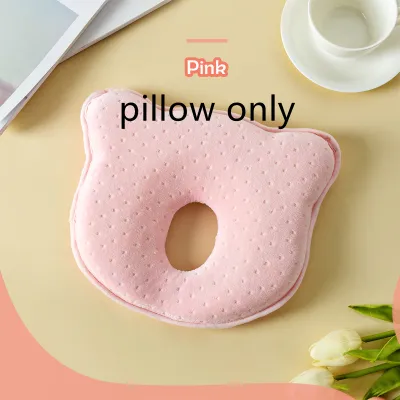
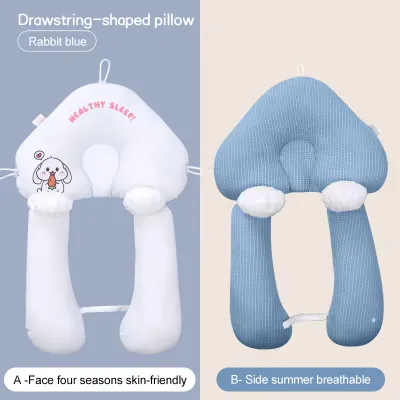
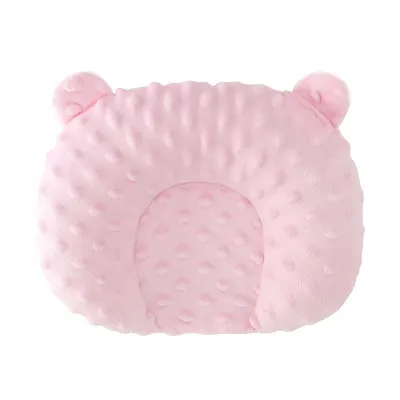
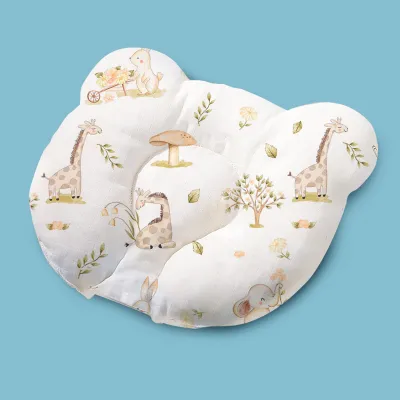
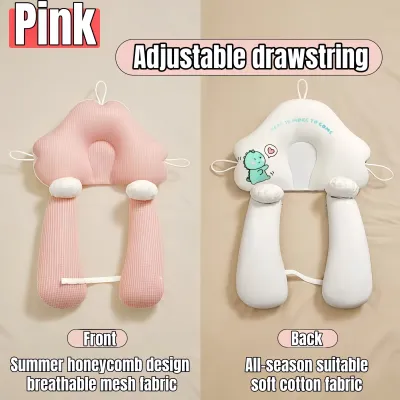
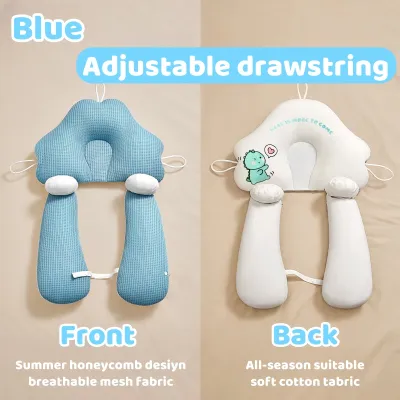
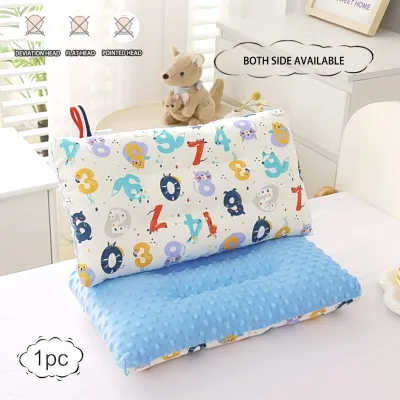
Prices are valid at publication and may change. Please refer to the product page for the latest price.
Understand the Safety Boundaries and Age Recommendations
Before purchasing any baby bedding accessory, caregivers must carefully review the manufacturer’s documentation for strict age, weight, and developmental milestone restrictions. Suitability cannot be assumed based on product names or marketing images alone. Many products are designed specifically for infants within a narrow age range, and using them outside these parameters can compromise safety.
A clear distinction must be made between supervised awake use and unsupervised sleep. Pediatric health organizations globally advise against placing pillows, blankets, or soft toys in an infant’s crib during unsupervised sleep. Therefore, head-shaping pillows are best utilized during supervised awake times, such as when the baby is resting on a play mat, riding in a stroller, or during supervised lounging.
Caregivers must also identify the mandatory stop-use conditions for these products. The moment an infant shows signs of rolling over, or if they begin to outgrow the physical dimensions of the pillow, use must be discontinued immediately. A rolling baby can easily turn their face into the pillow, creating a suffocation hazard, or roll off the pillow entirely, leading to improper neck positioning.
In tropical climates like the Philippines, where high humidity and warm temperatures are common, monitoring a baby’s physical state during use is even more critical. Overheating is a known risk factor for infant distress, making it essential to observe the baby closely during any supervised session with a supportive pillow.
Essential Design Features for Head Support
The primary function of a flat-head prevention pillow is to reduce localized pressure on the soft, developing bones of an infant’s skull. To achieve this, the pillow must feature a distinct center depression or a contoured, concave shape. This hollowed-out center cradles the back of the head, allowing the weight to be distributed evenly across a wider surface area rather than concentrating on a single flat spot.

When evaluating the contour, ensure that the depression is not so deep that it restricts the baby’s natural head movement. The baby should still be able to turn their head gently from side to side. A design that forces the head into a rigid, locked position can cause muscle strain and limit the natural neck movements necessary for healthy motor development.
Edge thickness and slope are equally critical factors to assess. The transition from the contoured center to the outer edges must be gradual and low-profile. If the edges are too thick or the slope is too steep, the pillow may push the baby’s chin forward toward their chest. This forward flexion can restrict the airway, presenting a severe safety hazard. The neck must remain in a neutral, unforced alignment, parallel to the flat surface beneath them.
Finally, caregivers must verify that the overall dimensions of the pillow match the baby’s current head size and shoulder width. An oversized pillow can swallow the baby’s head or push their shoulders upward, while an undersized option will fail to provide adequate support. Check the product specifications to confirm that the pillow is scaled appropriately for your baby’s current growth stage.
Material and Breathability Specifications
The materials used in a baby pillow directly impact both safety and comfort, especially in warm, humid environments. Prioritizing highly breathable outer covers is essential. Materials such as 3D mesh fabrics or natural, open-weave cotton are excellent choices because they facilitate continuous airflow. This ventilation helps regulate the baby’s body temperature, reducing the risk of overheating and minimizing sweat buildup during supervised rest.
In the Philippines, where tropical humidity can make bedding feel damp and warm, a breathable cover is not just a comfort feature but a necessity for skin health. Trapped moisture can lead to heat rashes and skin irritation on the baby’s delicate scalp and neck. Choosing materials that wick moisture away and allow heat to escape ensures a much more comfortable experience.
Beyond the cover, the filling density of the pillow must be carefully evaluated. The core material should provide gentle, resilient support. It must be firm enough to prevent the baby’s head from sinking completely to the hard surface below, yet soft enough to cushion the skull comfortably. Avoid fillings that are easily compressible, too plush, or prone to permanent flattening, as these will fail to distribute pressure effectively and may pose a suffocation risk if the baby’s face comes into contact with them.
Hygiene is another critical consideration when selecting materials. Babies are prone to spills, drool, spit-up, and sweat, which can quickly accumulate on bedding. Look for pillows that feature removable, machine-washable covers. Being able to wash the cover frequently at recommended temperatures helps maintain a clean, allergen-free environment, protecting the baby’s sensitive respiratory system and skin.
How to Evaluate and Use the Pillow Safely
When shopping for a baby pillow, always inspect the product tags and packaging for safety compliance marks, clear manufacturer warnings, and detailed care instructions. While specific certifications can change, verifying that a product has undergone standard safety testing for physical hazards and non-toxic materials is a crucial step for any caregiver. Avoid products that lack clear labeling, age recommendations, or contact information for the manufacturer.
It is vital to remember that a supportive pillow is only one component of a comprehensive flat-head prevention routine. Caregivers should combine pillow use with active, evidence-based strategies. Supervised tummy time is one of the most effective ways to strengthen neck muscles and keep pressure off the back of the head entirely. Aim for multiple short sessions of tummy time throughout the day when the baby is awake and alert.
Additionally, practice alternating the direction of the baby’s head during sleep. Because babies naturally turn toward light, doors, or interesting sights, rotating their position in the crib or bassinet encourages them to turn their head to the opposite side, naturally distributing pressure.
Continuous monitoring is mandatory whenever a baby is using a supportive pillow. Caregivers must watch for any signs of discomfort, fussiness, or restricted movement. If the baby attempts to roll, or if they seem uncomfortable, stop using the pillow immediately. Always consult a qualified pediatrician or physical therapist if you notice persistent flat spots or if you have concerns about your baby’s neck strength and head shape.
Frequently Asked Questions (FAQ)
Can a baby pillow completely cure flat head syndrome?
No, a baby pillow cannot completely cure flat head syndrome (positional plagiocephaly). These pillows are designed as supportive tools to help distribute pressure during supervised awake times, but they are not standalone medical treatments. If an infant has a moderate to severe flat spot, or if the flatness is caused by underlying conditions like torticollis (tight neck muscles), professional pediatric evaluation is necessary. A pediatrician or pediatric physical therapist can recommend targeted exercises, repositioning therapy, or, in some cases, corrective helmet therapy.
At what age can my baby start using a head-shaping pillow?
The appropriate age to introduce a head-shaping pillow depends entirely on the manufacturer’s specific guidelines and your pediatrician’s advice. Many manufacturers design these pillows for infants starting around three months of age, when neck strength begins to develop, but you must verify the exact age and weight limits on the product label before use. During the early months of life, standard safe sleep guidelines require a completely bare sleep surface with no pillows or loose bedding to ensure maximum safety. Always consult your pediatrician before introducing any new bedding accessory to your baby’s routine.

Community discussion
Share your experience or ask a question. Comments are reviewed before publication.