
Finding the right jolly jumper for baby bouncing requires balancing active play with strict safety checks. In Filipino households, where living spaces range from compact condominiums in urban centers to open-layout homes with tiled floors, choosing the right baby gear involves understanding your specific environment. A baby jumper can offer an engaging way for your little one to practice leg coordination and burn off energy, but not all models are built the same. To make an informed purchase, parents must evaluate structural stability, harness security, and developmental readiness. By focusing on key design features, you can ensure your baby enjoys a secure and physically supportive bouncing experience.
Assessing Weight, Age, and Developmental Readiness
Before purchasing a jolly jumper for baby bouncing, the most critical step is assessing whether your baby is physically ready. Placing a child in a suspended seat too early can strain their developing spine, neck, and hip joints. Parents must verify that the baby can hold their head up completely unassisted and has strong trunk control before introducing this gear. Always check the manufacturer’s specific minimum and maximum weight limits printed on the product label or user manual, as these limits vary significantly between brands. Additionally, keep a close eye on developmental milestones; once your baby begins showing signs of readiness to walk, such as pulling themselves up to a standing position on furniture or attempting to take steps, it is time to transition away from the jumper to prevent injury.
Comparing Suspension Types: Doorway Clamps vs. Freestanding Frames
Choosing between a doorway clamp and a freestanding frame depends heavily on your home’s architecture and floor layout. If you lean toward a doorway clamp model, you must thoroughly inspect your door frames. Many homes in the Philippines feature concrete walls or decorative, non-standard wooden moldings that may not support a clamp securely. Ensure the frame has adequate thickness, solid wood construction, and a flat, non-slippery surface for the clamp to grip. Alternatively, freestanding frames offer excellent portability but require a larger footprint. When evaluating freestanding models, check the base width and look for robust anti-slip rubber pads that prevent sliding on smooth ceramic tiles, polished wood, or terrazzo floors. Regardless of the type, always measure the surrounding swing radius to ensure your baby will not collide with nearby walls, furniture, or door frames during a vigorous bouncing session.
Products mentioned in this guide
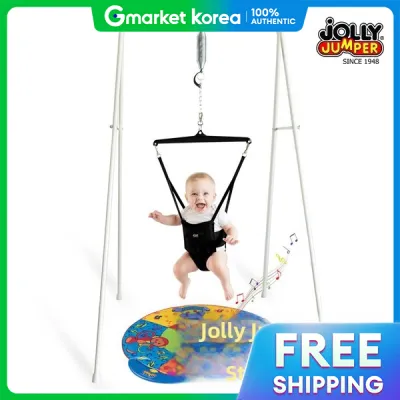
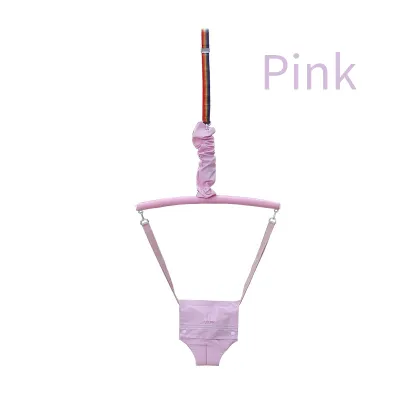
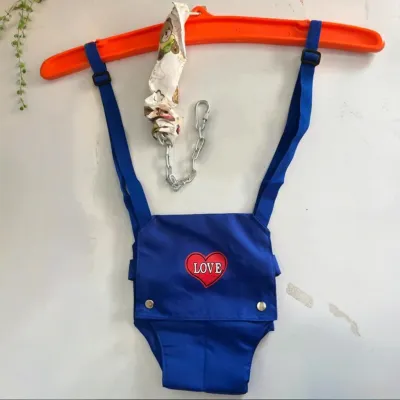
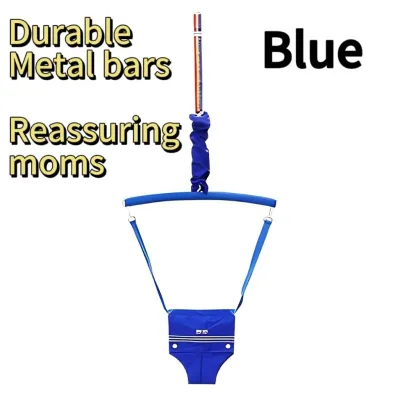
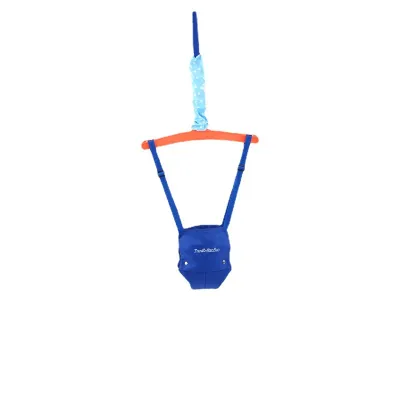
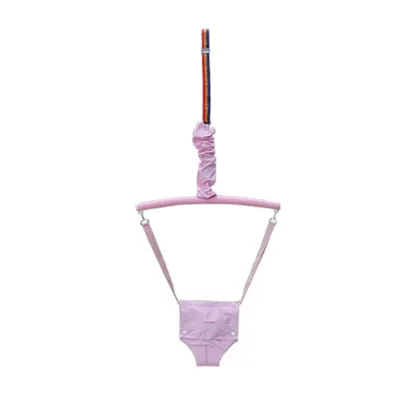
Prices are valid at publication and may change. Please refer to the product page for the latest price.

Evaluating Seat Ergonomics and Harness Security
The design of the seat saddle is paramount for protecting your baby’s posture and preventing accidental falls. Look for a secure multi-point harness system—ideally a five-point or heavy-duty wrap-around design—that keeps the baby perfectly centered and prevents them from slipping or leaning precariously to one side. The seat itself should be deep, well-padded, and designed with a wide crotch strip to provide adequate thigh support. This support helps maintain a natural, open hip angle, often referred to as the “M-position,” where the baby’s knees are slightly higher than their hips. Given the warm and humid climate in the Philippines, prioritize breathable, hypoallergenic, and machine-washable fabrics to prevent heat rashes and make cleanup easy after sweaty play sessions. Avoid shallow seats, flimsy fabric inserts, or poorly balanced designs that allow the baby to lean too far forward, as these increase the risk of tipping or putting excessive pressure on the lower spine.
Inspecting Spring Mechanisms and Height Adjustability
A safe bouncing experience relies on high-quality mechanical components that can be customized to your baby’s height. Inspect the spring or bungee cord system closely; these parts must have durable, protective fabric covers to prevent tiny fingers from getting pinched or hair from becoming entangled in the coils. Height adjustability is another non-negotiable feature. The jumper must feature heavy-duty adjustable straps or chains so you can set the height precisely. When adjusted correctly, your baby’s feet should be positioned so their toes can touch the floor flatly, rather than leaving them dangling or forcing them to stand on their tiptoes. Finally, check if the model includes built-in bounce limiters or tension adjustments that restrict excessive jumping heights, keeping the movement controlled and safe.
Establishing Safe Usage Limits and Supervision Rules
Even the most secure jolly jumper for baby bouncing requires strict operational boundaries to keep your baby safe. Parents should always follow the manufacturer’s recommended maximum time limits for daily bouncing sessions, as prolonged use can lead to overstimulation, muscle fatigue, or joint stress. Before securing your baby in the harness, clear the surrounding area of any potential hazards, including sharp table edges, electrical cords, window blind cords, and hard furniture. Most importantly, maintain constant visual supervision. A baby jumper is an active play device, not a babysitter; never leave your baby unattended in the jumper, and never use it as a substitute for a safe sleeping environment like a crib or a secure feeding chair.
Frequently Asked Questions (FAQ)
At what age or milestone should a baby stop using a jolly jumper?
Knowing when to retire a baby jumper is just as important as knowing when to start. While chronological age can serve as a loose guideline, you should primarily base this decision on physical milestones. Stop using the jumper immediately if your baby can pull themselves up to stand, attempts to climb out of the seat, or begins walking independently. Additionally, regularly check the product manual to ensure your baby has not exceeded the manufacturer’s maximum height and weight thresholds, as overloading the suspension system poses a severe safety risk.
Can using a jolly jumper affect a baby's hip development or walking progress?
Yes, improper use or poor equipment design can negatively impact physical development. If the seat is too narrow or the height is adjusted incorrectly—forcing the baby to bear weight constantly on their tiptoes—it can place unnatural stress on developing hip joints and tighten the calf muscles. To support healthy motor skills, jumpers should only supplement, never replace, supervised floor play and tummy time. Floor play allows babies to roll, crawl, and strengthen the core muscles necessary for natural walking progress. If you have concerns about your baby’s posture or joint alignment, consult a pediatrician or physical therapist.

Community discussion
Share your experience or ask a question. Comments are reviewed before publication.