
Choosing a baby duyan with a metal stand requires balancing traditional comfort with modern, rigorous safety standards. A high-quality metal stand offers structural stability and portability, but not all frames are engineered equally. To find a safe and reliable model, parents must prioritize structural rigidity, rust resistance, secure connecting hardware, and highly breathable, washable fabrics. Evaluating these key features ensures a secure resting environment that supports your baby’s development while offering peace of mind.
While the soothing, rhythmic motion of a duyan has helped generations of Filipino babies rest, modern safety guidelines emphasize that structural integrity is paramount. A metal stand provides a self-supporting framework that eliminates the need to anchor hooks into wooden beams or door frames. However, because this setup relies entirely on its own balance, checking the engineering of the stand, the quality of the suspension, and the design of the fabric hammock is essential before bringing one into your home.
Quick Guide: Must-Have Features for a Safe Duyan
When shopping for a duyan with a metal stand, having a clear checklist of non-negotiable safety and structural features can help you quickly filter out substandard models. The ideal setup must prioritize physical stability and high-quality materials over aesthetics or low pricing. Before making a purchase, ensure the product meets these essential criteria:
Products mentioned in this guide
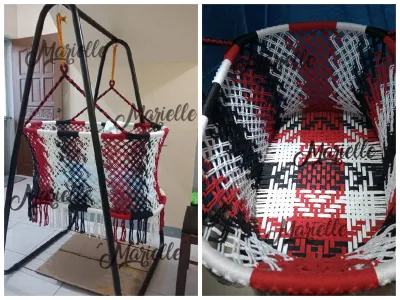
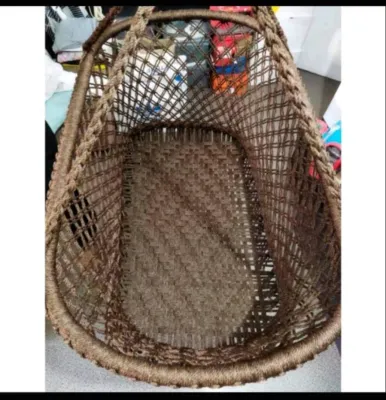
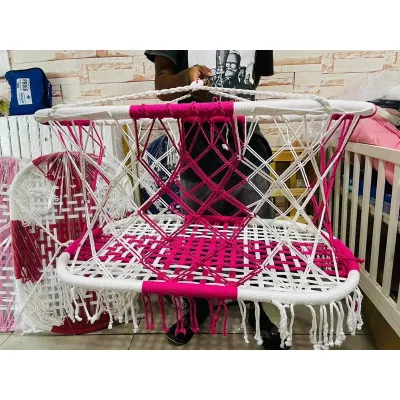

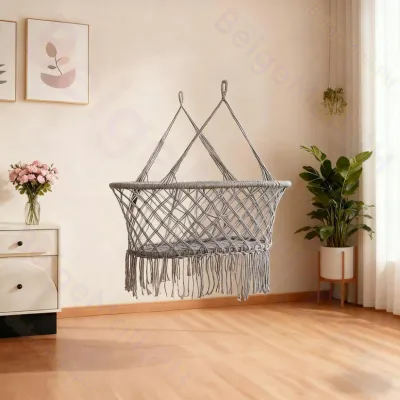
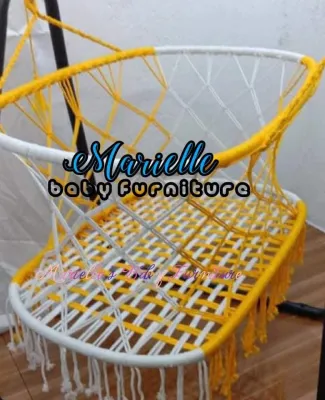
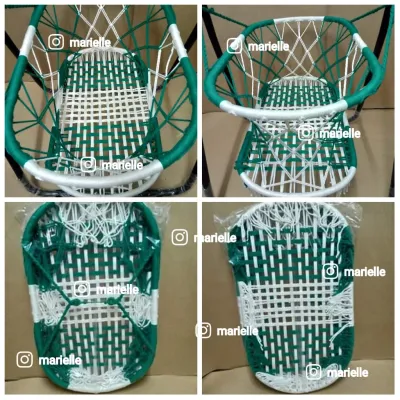
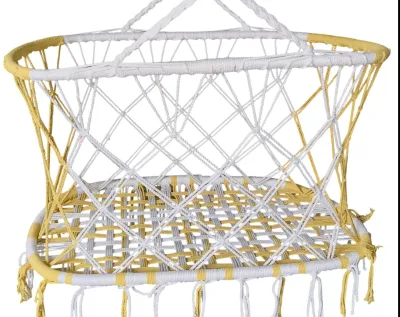
Prices are valid at publication and may change. Please refer to the product page for the latest price.
- A Wide, Tip-Resistant Base: The stand must have a generous footprint that distributes weight evenly and prevents the frame from tipping over when the baby moves or swings.
- Rust-Proof Metal Coating: Look for frames finished with a durable powder-coated or galvanized layer to protect the steel from moisture and corrosion.
- Heavy-Duty Locking Hardware: All connecting joints, folding hinges, and suspension points must utilize secure locking pins, bolts, or screw-gate carabiners rather than open hooks.
- Breathable, Natural Fabrics: The hammock portion should be made of highly ventilated fabrics, such as 100% cotton or open-weave muslin, to prevent overheating.
- Clear Manufacturer Guidelines: The product must come with explicit weight limits, age recommendations, and assembly instructions directly from the manufacturer.
While traditional fabric slings suspended from wooden rafters are deeply rooted in local child-rearing practices, a free-standing metal unit requires a different set of safety checks. Because the frame is self-contained, any structural weakness in the metal, joints, or suspension can compromise the safety of the entire unit. Focusing on these core features ensures you select a product designed to handle daily use safely.
How to Evaluate the Metal Stand for Stability and Rust Resistance
The metal stand serves as the foundation of the entire duyan system, meaning its material quality directly dictates the safety of your child. In the Philippines, the tropical climate presents a unique challenge for metal nursery furniture. High humidity levels and coastal air can accelerate the rusting process on untreated steel, leading to weakened joints and structural failure over time. When inspecting a metal stand, prioritize powder-coated or hot-dip galvanized steel finishes. Powder coating is electrostatically applied and cured under heat, creating a thick, resilient barrier that resists chipping, scratching, and moisture much better than standard liquid paint. Inspect the frame closely for any uneven application, bubbles, or exposed metal, especially around joints and pre-drilled bolt holes.

The physical design of the stand’s base determines how well it resists tipping when the duyan is in motion. Look for stands with a wide, stable footprint, such as a broad U-shape, an A-frame, or an extended cross-base design. A narrow base may save floor space, but it significantly increases the risk of the stand tipping over if the baby shifts weight abruptly or if a sibling accidentally bumps into the frame. To ensure the stand remains stationary, verify that the feet are equipped with thick, non-slip rubber or silicone caps. These caps prevent the metal frame from sliding on smooth ceramic tiles or polished hardwood floors, while also protecting your home’s flooring from scratches.
Tubing thickness and joint construction are equally critical indicators of overall stability. Examine the gauge of the steel tubing; thicker walls provide greater rigidity and minimize flexing when weight is applied. Avoid stands that feel excessively lightweight or flimsy when light pressure is exerted on the top bar. Examine the joints where the metal segments connect. Permanently welded joints should be smooth, continuous, and free of visible pinholes or slag, which indicate weak welds. For models that rely on bolted connections, ensure the package includes heavy-duty hardware, preferably with lock washers or nylon-insert lock nuts that resist loosening from the continuous vibration of a rocking duyan.
Choosing the Right Fabric for Breathability and Easy Care
The fabric hammock, or sling, is the part of the duyan that comes into direct contact with your baby, making material selection crucial for comfort and safety. In a warm, tropical climate, infants are highly susceptible to overheating and heat-related skin irritations, such as prickly heat rash (locally known as bungang-araw). To maintain a comfortable sleeping temperature, choose natural, highly breathable fabrics. Materials like 100% cotton, linen, or multi-layered muslin blends allow air to circulate freely around the baby, preventing sweat from pooling and keeping the skin dry. Avoid synthetic materials like polyester or nylon, which trap heat and moisture, creating an uncomfortable and unhygienic environment.
Hygiene is another vital consideration when evaluating duyan fabrics. Babies frequently spit up milk, drool, or experience diaper leaks, which means the fabric will require regular, thorough cleaning. Opt for a duyan fabric that is fully removable and machine-washable. Fabrics with integrated zippers, heavy-duty snaps, or sleeve designs that slide easily off the frame make laundry day much more manageable. Avoid designs where the fabric is permanently stitched around the suspension bars, as this makes proper washing nearly impossible and can lead to the accumulation of allergens, dust mites, and bacteria.
Beyond material and washability, the cut, depth, and ergonomic support of the fabric must align with safe sleep practices. The fabric should cradle the baby securely, preventing them from rolling out, but it must not sag so deeply that it forces the baby’s spine into a severe curve or chin-to-chest position. A chin-to-chest posture can restrict an infant’s narrow airway, posing a serious risk of positional asphyxia. The fabric should allow the baby to lie in a relatively flat, supported position on their back. Always consult your pediatrician or a certified safe-sleep professional if you have concerns about the safety of any infant sleep surface or positioning.
Checking Safety Hardware: Hooks, Springs, and Weight Limits
The hardware connecting the fabric hammock to the metal stand represents the primary load-bearing point of the system. Failure at these connection points can cause the hammock to drop instantly, risking serious injury. When evaluating a duyan, look closely at the hooks, carabiners, and suspension rings. Standard, open S-hooks are common in budget models, but they pose a significant safety risk because they can slip out of place if the duyan is lifted, bumped, or swung too vigorously. Instead, look for stands that utilize heavy-duty, locking carabiners—ideally screw-gate models—or closed eyelet bolts that physically prevent the suspension loop from detaching.
Many modern metal duyan stands incorporate a heavy-duty steel spring at the suspension point to provide a gentle, vertical bouncing motion that mimics the womb. While this spring can be highly soothing, it is a mechanical component subject to metal fatigue over time. A safe spring setup must include an integrated safety tether—a strong steel cable or heavy-duty nylon strap that runs through the center of the spring and connects the hammock directly to the frame. In the event that the spring deforms, cracks, or snaps under tension, this safety tether will catch the hammock, preventing it from falling to the floor. Additionally, check for hardware designs that limit excessive spinning or twisting, which can fray the suspension ropes or cause the baby to become disoriented.
Ultimately, safety relies on strict adherence to the manufacturer’s documented specifications. Every reputable duyan with a metal stand will have a clearly labeled maximum weight capacity and age limit. Never estimate these limits or rely on verbal assurances from retailers. Always locate the physical safety label on the frame or consult the official instruction manual. Furthermore, weight limits are only one part of the safety equation; developmental milestones are equally important. Even if your baby is well under the maximum weight limit, you must stop using the duyan immediately once they show signs of rolling over, pushing up on their hands and knees, or attempting to climb out of the fabric sling.
Managing Space: Portability and Folding Mechanisms
Integrating a duyan with a metal stand into your home requires careful planning around your available living space. Filipino households often feature multi-functional rooms where furniture must be easily moved or stowed away when not in use. If you live in a compact home, townhouse, or condominium, a folding or collapsible metal stand is highly practical. For these models, closely examine the locking mechanism that holds the frame open. The folding joints should utilize spring-loaded locking pins or heavy-duty detent pins that click audibly into place, ensuring the frame cannot accidentally fold or collapse if bumped by a family member or pet.
Before purchasing, measure the physical footprint of the stand and compare it to the dimensions of your nursery or living room. Keep in mind that you must account for both the static footprint of the frame and its dynamic clearance zone. The dynamic zone is the space required for the duyan to swing safely without hitting walls, wooden furniture, sharp corners, electrical outlets, or hanging cords. As a general safety rule, maintain at least a one-meter buffer zone around the entire perimeter of the duyan. This prevents accidental collisions and ensures that caregivers can walk comfortably around the unit to supervise the baby.
Finally, consider the balance between the stand’s physical weight and its portability. A heavier metal frame generally provides superior stability and resistance to tipping, but it can be difficult to move from room to room. If you plan to use the duyan in the living room during the day and the bedroom at night, look for a frame that strikes a practical balance—sturdy enough to remain stable, yet light enough to carry safely. Alternatively, some larger models feature integrated caster wheels on one end of the base. If you choose a model with wheels, verify that they are made of durable materials and feature robust, independent locking brakes that can be engaged to keep the stand completely stationary during use.
Frequently Asked Questions (FAQ)
Is a metal stand safer than a traditional wooden or bamboo duyan frame?
Metal stands generally offer more predictable engineering, consistent weight distribution, and uniform structural strength compared to traditional wooden or bamboo frames. Bamboo and wood are natural materials that can warp, splinter, or crack over time, particularly when exposed to the high humidity and seasonal temperature shifts of a tropical climate. Furthermore, wooden frames can harbor wood-boring insects or termites if not treated properly, which can silently compromise their structural integrity. However, a metal stand is only safer if it is manufactured to high standards. Parents must still perform regular safety checks on a metal frame, inspecting the welds for cracks, checking the bolts for tightness, and ensuring the protective powder coating remains intact to prevent rust. Regardless of the material, safety always depends on the specific product’s build quality, base width, and hardware.
At what age or weight should a baby stop using a duyan?
To ensure your baby’s safety, you must always follow the specific weight and age limits provided by the manufacturer of your duyan. However, developmental milestones are the most critical factor in determining when to transition your baby out of a duyan. Caregivers must stop using the duyan immediately as soon as the baby shows any signs of being able to roll over, push up on their hands and knees, or attempt to sit up or climb out. Even if a baby is far below the maximum weight limit, their ability to move independently inside a suspended hammock significantly increases the risk of the unit tipping over, or the baby suffocating against the fabric or falling out. Continuous, active adult supervision is mandatory whenever the baby is in the duyan, and the unit should never be used once these physical milestones are reached.
Can I use a regular hammock fabric on a metal duyan stand?
It is strongly advised against using non-compatible, generic, or adult-sized hammock fabrics on a baby duyan stand. The fabric sling, suspension cords, and attachment hardware provided with a baby duyan are specifically engineered as a system to match the dimensions, weight distribution, and center of gravity of that specific metal stand. Using an unapproved fabric can cause the hammock to sag too low to the ground, alter the swinging physics, or distribute the baby’s weight unevenly, creating a severe tipping hazard. Additionally, adult hammocks or generic fabrics often lack the safety closures, proper depth, and structural support required to keep an infant in a safe, flat, back-sleeping position. To prevent accidents, only use the original fabric hammock supplied by the manufacturer or replacement parts explicitly certified as compatible with your specific model of metal stand.

Community discussion
Share your experience or ask a question. Comments are reviewed before publication.