
Quick Guide: What Makes a Great Nursery Caddy?
A well-designed nursery storage caddy is an indispensable tool for parents navigating the demanding early months of baby care. When diaper changes, feedings, and soothing routines happen around the clock, having a centralized, portable station for your essential supplies saves time and reduces physical strain. A high-quality nursery caddy balances a sturdy structure, baby-safe materials, and practical compartmentalization.
Whether you are evaluating a specific option like a little lullaby caddy or browsing general storage solutions, prioritizing washable fabrics, reinforced bases, and ergonomic handles is essential for daily use. The ideal choice depends heavily on where the caddy will live and how often it will be carried. A caddy permanently parked on a changing table requires different features than one carried up and down stairs or packed into a car for weekend trips.
In tropical environments like the Philippines, where high humidity can affect fabric longevity and hygiene, choosing materials that resist moisture build-up is equally critical. By understanding your specific caregiving workflow, you can select an organizer that simplifies your daily routine while keeping your baby’s environment clean and safe.
Products mentioned in this guide
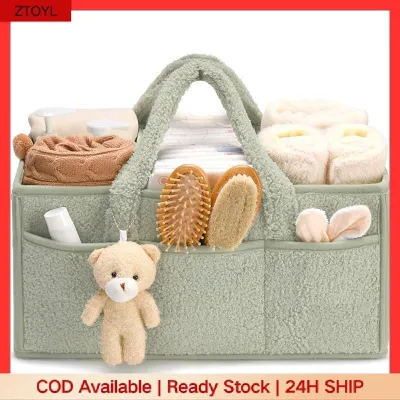
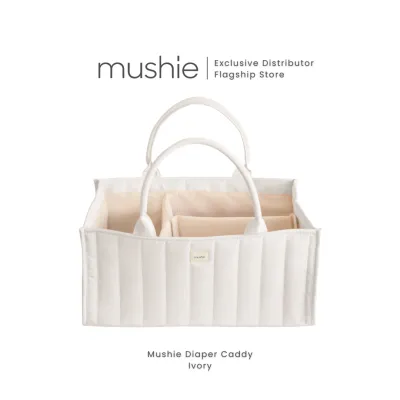
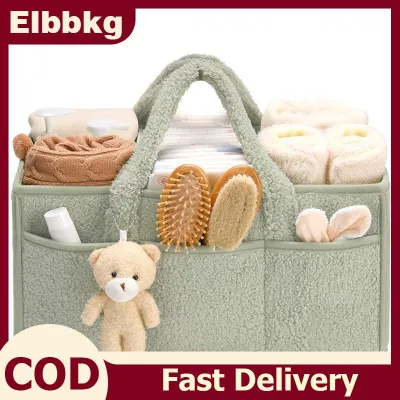
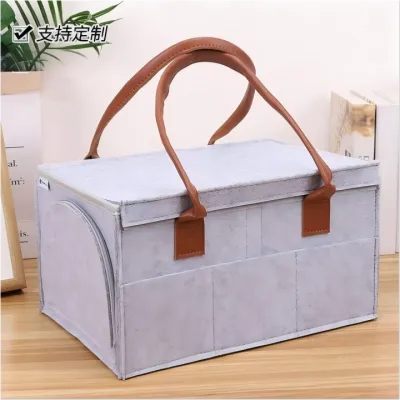
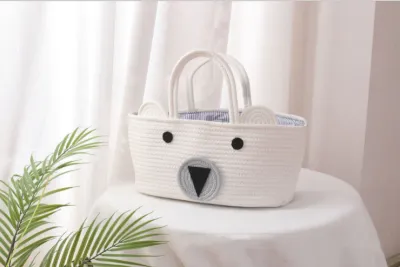
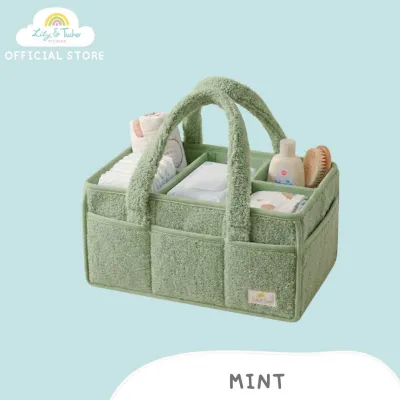
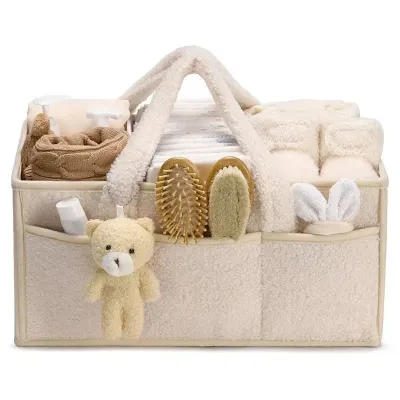
Prices are valid at publication and may change. Please refer to the product page for the latest price.
Essential Features to Evaluate Before You Buy
Material, Structure, and Humidity Resistance
When selecting a nursery caddy, the choice of material directly impacts its durability, ease of maintenance, and structural integrity. Common materials include thick polyester felt, heavy-duty cotton canvas, and woven natural fibers like seagrass or rattan. Polyester felt is popular for its soft texture, lightweight feel, and quiet handling, making it excellent for nighttime use. However, low-grade felt can quickly pill, lose its shape, or collect lint and dust. Cotton canvas offers superior durability and is often machine-washable, but it requires a rigid inner frame or thick fabric weight to prevent the walls from collapsing inward when the caddy is not fully loaded. Woven seagrass provides a beautiful, rustic aesthetic and natural rigidity, but its textured surface can be difficult to sanitize and may harbor dust or moisture if kept in damp areas.

Regardless of the primary material, look for structural reinforcements that preserve the caddy’s shape. High-quality caddies feature rigid baseboards, reinforced perimeter walls, and sturdy internal dividers that act as structural pillars. Removable base inserts, often made of plastic-reinforced cardboard or thin wooden boards wrapped in fabric, are essential for distributing weight evenly. Without a solid base, heavy items like a full pack of baby wipes or multiple glass bottles will cause the bottom to sag, pulling the side walls inward and causing the caddy to fold up like an accordion.
In tropical climates such as the Philippines, indoor humidity levels can fluctuate significantly, creating a breeding ground for mold, mildew, and musty odors. Dense, non-breathable fabrics can trap moisture from damp wipes or humid air, leading to hygienic issues near your baby’s sensitive skin care products. To combat this, prioritize breathable fabrics, machine-washable materials, or caddies with water-resistant polyester linings that can be wiped clean with a disinfectant cloth. Ensuring your storage solutions are easy to wash and dry helps maintain a clean, mold-free environment for your baby’s diapers, clothing, and feeding accessories.
Compartment Layout and Bottle Accessibility
An effective nursery caddy must feature a thoughtful layout that accommodates a wide variety of baby gear shapes and sizes. A versatile mix of large central spaces and smaller exterior pockets is the standard configuration for efficient organization. The large central compartments are best reserved for bulky items such as stacked diapers, receiving blankets, and large lotion bottles. Meanwhile, smaller outer pockets are ideal for keeping frequently used, small items within arm’s reach, including pacifiers, digital thermometers, nail clippers, nasal aspirators, and small tubes of diaper rash cream.
One common design oversight is failing to account for the height and weight of liquid containers. Before purchasing, measure your tallest baby bottles, lotion pumps, and sanitizing sprays to ensure the caddy’s walls are high enough to support them. If the walls are too low, tall items will tip over easily, causing spills and making the entire caddy top-heavy and unstable when lifted. A good rule of thumb is to look for a caddy with wall heights of at least six to seven inches, which provides adequate lateral support for standard baby bottles and lotion dispensers.
Removable or adjustable internal dividers offer significant long-term value as your baby’s needs evolve. Many modern caddies utilize hook-and-loop fastening strips along the inner walls, allowing you to customize the size and number of internal compartments. During the newborn stage, you might configure multiple small sections to separate cotton balls, breast pads, and burp cloths. As your child transitions to infancy and toddlerhood, you can remove the dividers entirely to create a single, open compartment suitable for larger pull-up diapers, toddler toys, or storybooks.
Portability and Handle Ergonomics
The primary benefit of a nursery caddy is its portability, which allows you to transport a fully stocked changing or feeding station from room to room. Consequently, the design and construction of the handles are critical factors in the caddy’s overall usability. Common handle materials include padded fabric, reinforced cotton webbing, and vegan leather. Vegan leather handles are highly durable, easy to wipe clean, and add a premium aesthetic, while padded fabric handles offer a softer grip that is comfortable to hold for extended periods.
Pay close attention to how the handles are attached to the body of the caddy. Handles that are simply stitched into the top hem without additional reinforcement are prone to tearing under heavy loads. Look for handles that feature cross-stitched reinforcement patterns (often referred to as an “X-box” stitch) or those secured with metal rivets. These construction methods distribute the weight of the loaded caddy across a larger surface area, preventing the fabric from tearing or the seams from unraveling over time.
Handle length and drop clearance also affect ergonomics and safety. The handle drop—the distance between the top of the handle loop and the rim of the caddy—should be sufficient to allow your hand to slide underneath easily, even when the caddy is fully packed. If the handle drop is too short, your knuckles will constantly rub against the tops of bottles and diaper packs, which can cause items to fall out or make carrying the caddy uncomfortable. Testing or verifying these dimensions ensures a seamless, pain-free carrying experience during busy caregiving moments.
Safety Boundaries and Smart Placement in the Nursery
While a nursery storage caddy is an exceptionally convenient organizing tool, it must be used with strict adherence to safety guidelines to protect your infant. First and foremost, a storage caddy should never be placed inside a crib, bassinet, or playpen. It must never be used as a makeshift crib bumper or sleep positioner. Keeping the sleep environment completely clear of loose items, including storage organizers, is vital to prevent accidental suffocation or entrapment.
The placement of the caddy within the nursery requires careful planning, especially as your baby reaches new developmental milestones. When your baby is a newborn, keeping the caddy on a changing table or a nearby dresser is highly convenient. However, once your baby begins to roll, crawl, or pull themselves up—typically between four and nine months of age—the caddy must be moved out of their reach. A curious infant can easily pull a heavy caddy down onto themselves, leading to physical injury or exposure to small, hazardous items stored inside.
To minimize the risk of toppling, always place the caddy on flat, wide, and stable surfaces. Avoid placing it on narrow shelves, unstable bedside tables, or the edge of a changing table where a sudden bump could send it falling. If you use the caddy in multiple rooms, consider placing it directly on the floor in a safe corner of the room when not actively in use. This eliminates the risk of gravity-related accidents while keeping your supplies organized and accessible.
Regular safety inspections of the caddy itself are highly recommended. Check for loose buttons, decorative tassels, detachable brand tags, weak stitching, or fraying fabric fibers that could easily be pulled off by a baby. These small components present serious choking hazards if placed in a child’s mouth. Additionally, always verify the manufacturer’s age recommendations, maximum weight limits, and specific safety warnings printed on the product label or instruction manual before putting the caddy into service. If any part of the caddy becomes damaged or structurally compromised, discontinue use immediately.
Match the Caddy Type to Your Daily Caregiving Routine
For the Main Diaper Changing Station
If your primary use for the caddy is to support diaper changes at a dedicated station, your main priorities should be maximum storage capacity, structural stability, and ease of cleaning. A dedicated diapering caddy needs to hold a generous supply of diapers, a full tub of wipes, multiple creams, and disposable diaper bags. Because diaper changes can be messy, look for a caddy with a water-resistant or wipe-clean interior lining. Accidental spills of baby oil, liquid soap, or diaper rash ointment can easily ruin untreated fabrics, leading to permanent stains and unpleasant odors.
Compatibility with standard diaper wipe dispensers is another key feature to consider. Some caddies feature a specialized exterior pocket or a dedicated slot designed to hold a standard wipe pack, allowing you to pull out individual wipes one-handed without removing the entire container. Exterior slip pockets are also invaluable for keeping rash creams, hand sanitizers, and clean changing mat covers separated from the main diaper pile, ensuring you can grab what you need instantly while keeping one hand safely on your baby.
For Bedside and Nighttime Feedings
Nighttime caregiving requires a completely different set of features focused on quiet operation, soft materials, and a compact footprint. When tending to a waking baby in the middle of the night, the last thing you want is to make loud noises that fully awaken the infant or disturb a sleeping partner. Soft felt or cotton canvas caddies are ideal for bedside use because they do not make clattering noises if bumped against a wooden nightstand or glider frame.
A compact footprint is essential for bedside caddies, as they often need to fit on small bedside tables, narrow shelves, or the armrest of a nursing chair. Look for open-top designs or caddies with silent magnetic closures rather than loud, ripping Velcro or stiff metal snaps. This allows you to retrieve a fresh burp cloth, a pacifier, or a swaddle in near-silence. Keeping the bedside caddy stocked with feeding essentials, a spare swaddle blanket, and a low-intensity, warm-toned nightlight helps streamline nighttime feedings and promotes a quicker return to sleep for both you and your baby.
For Travel and On-the-Go Use
For parents who frequently travel, visit relatives, or move between different floors of a multi-story home, portability and security are the most critical features. A travel-friendly caddy must prevent its contents from spilling out during transit. Look for designs that feature secure closures, such as a zippered top cover, a protective fabric flap, or heavy-duty snap buttons. These closures ensure that diapers, bottles, and wipes remain securely inside the caddy, even if it tips over in the trunk of your car or on the backseat.
Lightweight construction and collapsibility are also major advantages for travel. Many canvas and felt caddies are designed to fold completely flat when empty, allowing you to pack them easily into a suitcase, diaper bag, or car trunk without taking up valuable space. Additionally, look for water-resistant exterior fabrics that can withstand outdoor elements or accidental spills during road trips, ensuring your baby’s clean supplies remain dry and protected wherever your journey takes you.
How to Evaluate the Little Lullaby Caddy for Your Nursery
When shopping for a high-quality organizer, you may encounter specific options like the little lullaby caddy. To determine if this or any other branded caddy is the right fit for your home, it is essential to conduct a thorough evaluation based on your specific daily needs. Start by carefully reviewing the official product description, packaging, or manufacturer’s website to verify the exact dimensions, weight capacity, and material composition. Knowing the precise measurements helps you confirm whether the caddy will fit comfortably on your changing table, bedside nightstand, or inside your stroller basket.
Next, inspect the care and maintenance instructions provided by the manufacturer. Since baby products are highly prone to spills, spit-up, and dirt, understanding how to clean the caddy is crucial for maintaining a hygienic nursery. Check whether the material is machine-washable, hand-washable, or limited to spot-cleaning. If the product label or description lacks clear care guidelines, weight limits, or safety certifications, contact the seller or manufacturer directly to obtain this information before finalizing your purchase.
Cross-referencing user reviews and parent feedback is another highly effective way to assess real-world performance. Look for specific comments regarding handle durability under heavy loads, the stiffness of the base insert, and the overall stability of the side walls. Pay attention to how the caddy performs over several months of continuous use, noting if other parents have experienced issues with fabric pilling, sagging, or stitching failure. By comparing these real-world insights against your nursery layout and carrying habits, you can confidently decide if the little lullaby caddy meets your expectations for quality, convenience, and long-term durability.
Frequently Asked Questions (FAQ)
How do I clean a felt nursery caddy without losing its shape?
To clean a felt nursery caddy without damaging its structure, start by spot-cleaning the soiled areas using a clean, damp microfiber cloth and a mild, baby-safe liquid detergent. Gently dab the stain rather than scrubbing vigorously, as excessive friction can cause the felt fibers to pill, stretch, or fuzz. Once the stain is lifted, press a dry towel against the area to absorb excess moisture, then reshape the caddy by hand and allow it to air-dry completely flat in a well-ventilated room away from direct sunlight or heat sources. Always consult the manufacturer’s care label before cleaning, as some felt blends containing wool or delicate synthetic fibers can shrink, warp, or lose their structural stiffness if they are fully submerged in water or placed in a washing machine or tumble dryer.
Can I repurpose the nursery caddy for toddler toys later?
Yes, a high-quality nursery caddy can easily be repurposed to support your child’s changing needs as they transition into toddlerhood. The versatile compartments make it excellent for organizing lightweight items such as board books, soft plush toys, building blocks, flashcards, or art supplies like coloring books, markers, and crayons. It can also serve as a convenient storage station for hair accessories, socks, or small clothing items inside a toddler’s closet. However, avoid using the caddy to store heavy wooden toys, sharp plastic figurines, or heavy metal toy cars, as these items can puncture the fabric, tear the internal dividers, or cause the base to sag and lose its shape over time. Additionally, continue to inspect the repurposed caddy regularly for any signs of wear, loose stitching, or damaged parts that could present a choking hazard to an active toddler.

Community discussion
Share your experience or ask a question. Comments are reviewed before publication.