
Deciding on the right diaper changing setup is one of the most frequent daily interactions you will have during your baby’s first few years. The debate between investing in a premium solid-foam option like the Keekaroo changing pad and choosing a standard, budget-friendly changing pad often comes down to balancing upfront costs against daily convenience. While a premium pad requires a larger initial investment, its promise of quick cleanups without extra laundry appeals to many busy parents. On the other hand, standard pads offer a familiar, highly customizable, and cost-effective solution that has served families well for generations.
To determine if the premium price tag is truly justified for your nursery, you must evaluate how each option handles the realities of daily baby care. Factors such as tropical humidity, cleaning frequency, safety configurations, and long-term durability play critical roles in this decision. By examining the physical differences, maintenance demands, and safety requirements of both styles, you can select the option that best aligns with your household budget and lifestyle preferences.
Core Differences in Build and Materials
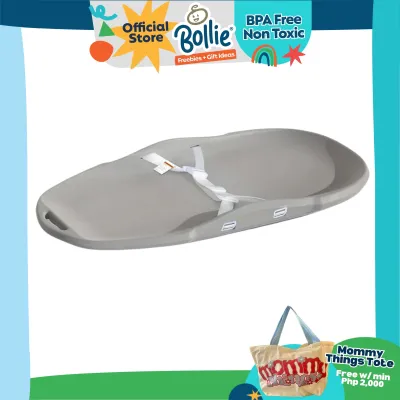
The primary distinction between premium solid-foam changing pads and standard changing pads lies in their structural composition and material properties. Premium models, such as those made by Keekaroo, are typically constructed from a single piece of molded polyurethane foam or similar high-density elastomeric materials. This design results in a solid, puncture-resistant structure that does not rely on an outer fabric or vinyl skin to hold its shape. The material is inherently non-porous, meaning liquids cannot penetrate the surface, and it naturally adapts to the ambient room temperature, providing a firm yet supportive surface for your baby.
Products mentioned in this guide

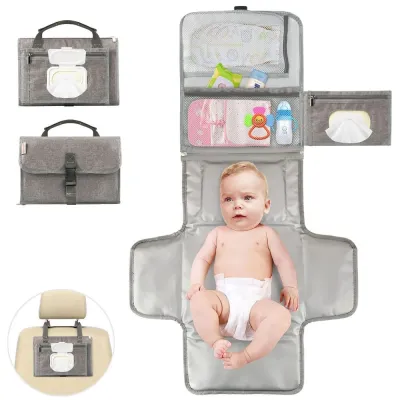
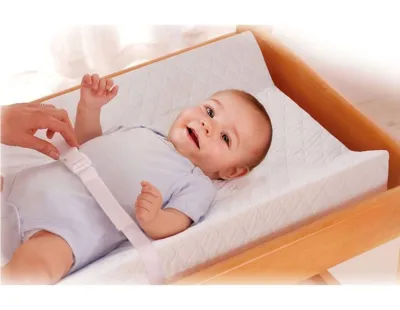
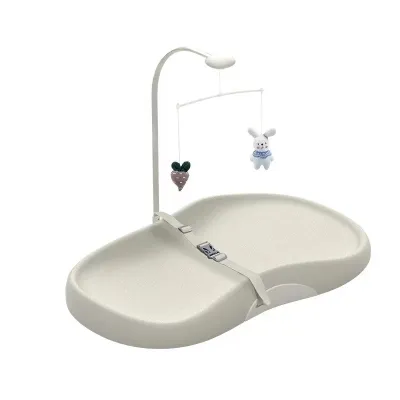
Prices are valid at publication and may change. Please refer to the product page for the latest price.
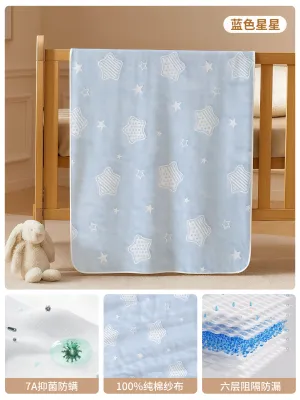
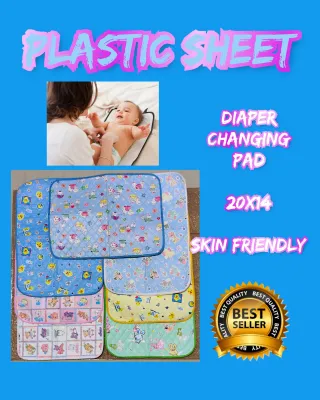
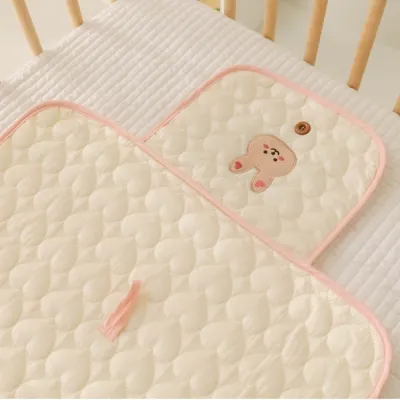
In contrast, standard changing pads generally feature a multi-layered construction consisting of a polyurethane sponge or fiberfill core wrapped in a thin sheet of vinyl, plastic, or water-resistant fabric. This design relies on the outer cover to protect the soft inner cushioning from moisture. While standard pads are lightweight and highly cushioned, the outer protective layer can be prone to cracking, tearing, or wearing down over time, especially along the seams where moisture can seep into the inner foam.
When evaluating these options, caregivers should check the overall weight, contoured edge height, and non-slip base features on the product packaging or manufacturer specifications. Premium solid-foam pads are significantly heavier and denser, which helps them remain stable on flat surfaces but makes them less portable. Standard pads are highly portable and easy to move between rooms, but their lightweight nature means they require secure anchoring to prevent shifting during use. The density of the material directly affects both the firmness experienced by the baby and the effort required by the caregiver when moving the pad for cleaning or storage.
Cleaning and Daily Maintenance
In a tropical climate like the Philippines, high humidity levels make moisture management and hygiene a top priority in the nursery. Premium solid-foam changing pads excel in this environment because their non-porous surfaces can be wiped completely dry in seconds. When diaper accidents occur, there is no fabric to absorb liquids, eliminate odors, or harbor mold and mildew. Caregivers can simply spray the surface with a mild cleaner and wipe it clean with a dry cloth, immediately preparing the pad for the next use without generating extra laundry.

Standard changing pads, however, typically require the use of removable fabric covers to provide a soft surface for the baby’s skin. While these covers are machine-washable, they add to the daily laundry pile, which can be particularly challenging during the rainy season when drying clothes takes longer. If an accident occurs, the cover must be removed, washed, and replaced, often requiring parents to keep multiple spare covers on hand. Even with a water-resistant vinyl layer underneath the cover, any liquid that slips through the seams can lead to persistent odors or deterioration of the inner sponge.
To maintain the integrity of either changing pad, always check the manufacturer labels for approved cleaning agents. Harsh chemicals, bleach, or abrasive scrubbers can degrade the polyurethane material of premium pads, causing discoloration, stickiness, or cracking, which may void the product warranty. Similarly, standard vinyl pads can crack if exposed to strong alcohol-based disinfectants. Additionally, diaper creams, baby oils, and markers can leave permanent stains on both types of surfaces; verifying stain resistance claims and care instructions on the product box before purchase will help preserve the appearance of your nursery furniture.
Safety Features and Furniture Compatibility
Regardless of how much you spend on a changing pad, safety remains the most critical factor in your nursery setup. Caregivers must inspect the safety strap mechanism, buckle quality, and anti-slip bottom grips on both types of pads before making a purchase. Premium solid-foam pads often feature integrated safety straps that are anchored directly into the molded material, along with a heavy, slip-resistant bottom surface designed to grip flat furniture tops. Standard pads usually include fabric straps that must be screwed or anchored directly to the back of a changing table or dresser to prevent the pad from sliding.
Before purchasing any changing pad, it is essential to measure the top surface of your changing table, dresser, or chest of drawers. You must ensure the pad’s dimensions leave no dangerous gaps or overhangs that could cause the pad to tip or slide when weight is applied. A secure fit means the pad sits entirely within the boundaries of the furniture surface or within a dedicated changing tray. Because premium pads are rigid and cannot be compressed, their dimensions must match your furniture exactly, whereas standard foam pads may offer a tiny amount of flexibility but still require a flat, stable base.
Always adhere to the manufacturer’s maximum weight limit and age recommendations, which can vary significantly between brands and models. Never leave your baby unattended on a changing pad, even for a split second, regardless of the pad’s premium status, high contoured edges, or anti-slip claims. Active babies can easily wiggle or roll, making constant physical supervision and the proper use of safety straps absolute necessities during every diaper change.
Cost and Long-Term Value Evaluation
The initial financial investment is often the deciding factor for many families planning their nursery budget. Premium solid-foam changing pads command a significant ₱ premium, often costing several times more than a standard contoured pad. For families trying to manage the overall cost of preparing for a new baby, this upfront expense can feel substantial. However, evaluating the long-term value requires looking beyond the initial purchase price to identify potential hidden costs associated with standard alternatives.
Standard changing pads may seem highly budget-friendly at first, but they often require ongoing purchases to remain functional and hygienic. Parents typically need to buy two to three fabric covers to ensure a clean one is always available during laundry cycles. Over time, the vinyl cover on a standard pad may tear, or the inner sponge may degrade from moisture exposure, forcing parents to replace the entire pad. These recurring costs for covers, liners, and replacement pads can gradually close the price gap between standard and premium options.
Furthermore, consider your planned usage duration and family planning goals. A high-quality, durable solid-foam pad is designed to withstand years of daily use without losing its shape, cushioning, or water-resistant properties. If you plan to use the pad for multiple children over a span of several years, the durability of a premium pad can make it a highly cost-effective choice in the long run. Conversely, if you only plan to use the pad for a single child or have limited space, a standard pad may represent a more practical allocation of your nursery funds.
How to Decide: Which Changing Pad Fits Your Nursery?
Choosing between a premium solid-foam changing pad and a standard model depends on your specific lifestyle, budget, and nursery configuration. A premium solid-foam pad is the ideal choice if you prioritize quick, hassle-free cleanups, want to minimize your weekly laundry load, and have the flexibility in your budget for a higher upfront investment. Its modern aesthetic and long-term durability make it a popular option for parents who value convenience and plan to reuse nursery gear for future siblings.
On the other hand, a standard changing pad is highly suitable if you are working within a strict budget, prefer the soft, cozy feel of fabric covers against your baby’s skin, or already own a changing table with a built-in wooden contour that restricts the thickness and shape of the pad. Standard pads are also highly portable, making them easier to move around the house or pack away when not in use.
Before making your final decision, verify if your nursery furniture has specific dimension constraints or if the pad requires specific anchoring hardware to be installed safely. If you plan to transition a standard dresser back to regular household use quickly after the diaper years, consider how each pad attaches to the surface and whether it will leave permanent marks or screw holes. By matching the physical features of the pad to your daily routine and home environment, you can create a safe, efficient, and comfortable changing station for your baby.
Frequently Asked Questions (FAQ)
Do I need to buy a special cover for a premium wipeable changing pad?
Premium wipeable changing pads are specifically designed to be used without any fabric cover. Using them bare allows you to take full advantage of their non-porous, easy-to-clean surfaces, which can be wiped down instantly after an accident. While some parents choose to place a thin, washable fabric liner or receiving blanket under the baby for added warmth or comfort, you must check the manufacturer’s guidelines to ensure that any added layers do not compromise the safety strap fit, reduce the effectiveness of the contoured edges, or interfere with the pad’s anti-slip bottom grip.
Can I use a standard changing pad on top of a regular dresser?
Yes, you can use a standard changing pad on top of a regular dresser, provided the dresser’s surface is flat, stable, and large enough to support the pad’s exact dimensions without any overhang. To ensure safety, you must secure the pad to the dresser using the safety straps and anchoring hardware provided by the manufacturer, which typically screw into the back of the furniture. Always verify the structural integrity and weight capacity of the dresser beforehand, and ensure that the height of the dresser is comfortable for diaper changes to prevent caregiver back strain.

Community discussion
Share your experience or ask a question. Comments are reviewed before publication.