
Choosing between a baby jumperoo and a baby bouncer comes down to matching the gear to your baby’s current physical milestones, your daily routine, and the physical layout of your home. While both items offer a secure spot to place your little one, they serve entirely different developmental purposes. A bouncer provides a reclined, gentle space designed primarily for relaxation and soothing, whereas a jumperoo is an upright, high-energy activity center built for active play. Understanding these differences helps you avoid unnecessary purchases and select the gear that truly supports your parenting journey.
Assess Your Baby’s Age and Developmental Readiness
Before introducing any new gear, you must evaluate your baby’s physical milestones. For a baby bouncer, your infant must have sufficient head and neck control to remain comfortable in a semi-reclined position without slumping. For a baby jumperoo, the physical demands are much higher; your baby must be able to hold their head up completely steadily without assistance and show a clear interest in supporting their weight on their feet.
Always verify the manufacturer’s labels and documentation for specific age, weight, and height requirements. Because these specifications vary significantly between brands and models, never assume suitability based on product names or general categories. Checking the manual ensures the gear matches your baby’s current physical measurements.
Products mentioned in this guide
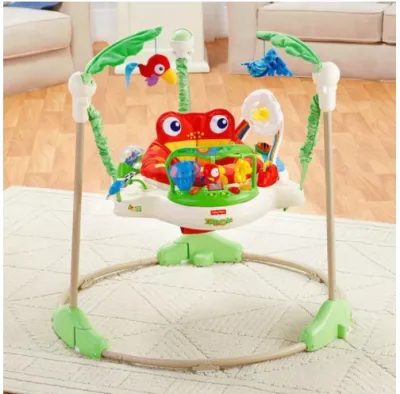
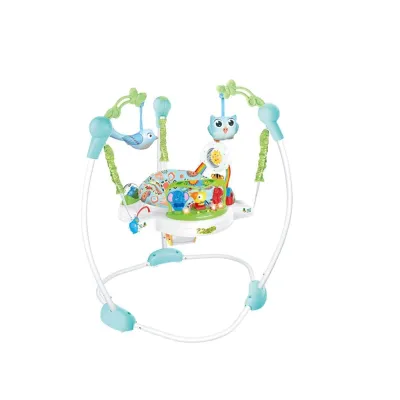

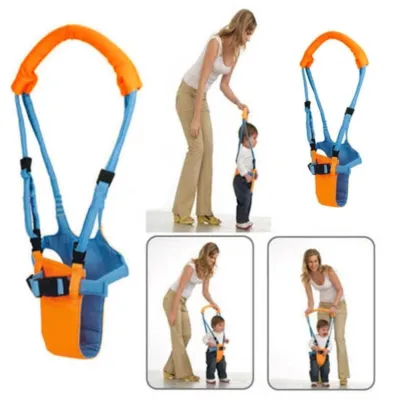
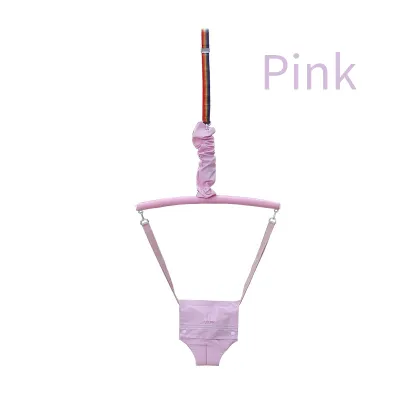
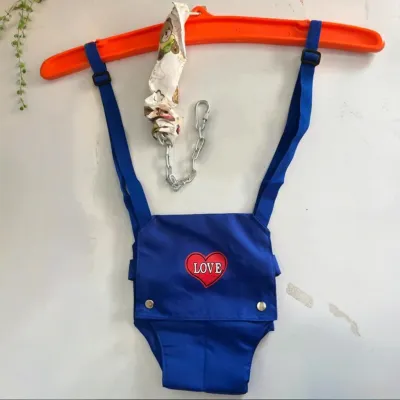
Prices are valid at publication and may change. Please refer to the product page for the latest price.
It is equally important to recognize the developmental signals that indicate it is time to stop using this gear. If your baby begins trying to climb out of the seat, approaches the maximum weight limit specified by the manufacturer, or starts walking independently, you should transition them out of the device immediately. Continuing use past these milestones can compromise stability and safety.
Evaluate Your Space and Lifestyle Needs
Living spaces in the Philippines often require careful furniture planning, especially when managing tropical humidity and keeping rooms well-ventilated. A typical jumperoo has a wide, stationary footprint that requires a dedicated, open floor area, making it a permanent fixture in a living room or nursery. In contrast, a baby bouncer features a compact, low-profile design that easily fits into smaller rooms or narrow hallways.

Portability is another key factor if you frequently move between rooms to keep an eye on your baby while managing household chores. Lightweight, foldable bouncers are highly mobile, allowing you to carry them effortlessly from the kitchen to the living room or pack them for visits to relatives. Jumperoos, being bulky and heavy, are generally designed to stay in one place once assembled.
Storage needs should also influence your decision. If your home has limited storage space, a bouncer that folds completely flat can be tucked under a bed or behind a sofa when not in use. Disassembling a jumperoo is often a complex process, meaning it will likely occupy floor space continuously until your baby outgrows it.
Compare the Core Purpose: Soothing vs. Active Play
A baby bouncer is primarily designed for soothing and gentle relaxation. The motion is typically baby-driven, meaning the seat bounces softly in response to your baby’s natural leg kicks or arm movements. This gentle, rhythmic swaying is ideal for calming a fussy infant, allowing them to rest comfortably nearby while you fold laundry or prepare a meal.
A jumperoo, on the other hand, is built entirely for active play and sensory stimulation. These upright activity centers feature elastic straps or springs that allow your baby to jump up and down, alongside built-in toys, lights, and music to engage their senses. It serves as an active station where an alert baby can burn off energy in a supported, upright position.
To choose between them, look closely at your daily routine and what your baby seems to need most. If you need a quiet, portable spot for a younger baby to relax and observe the family, a bouncer fits the bill. If your baby is older, highly active, and craves constant visual and tactile stimulation, a jumperoo provides the upright engagement they seek.
Safety Checks and Usage Limits for Both Gear Types
Managing your baby’s daily usage time is crucial for supporting natural motor development and preventing flat spots on the head. Pediatric professionals generally recommend limiting continuous sessions in both bouncers and jumperoos. Restricting their time in these devices ensures they get plenty of unrestricted floor play, which is essential for learning to roll, crawl, and sit up.
Proper placement is a non-negotiable safety rule for both types of gear. Always place bouncers and jumperoos on a flat, stable, and hard floor surface. Never place a bouncer on elevated or soft surfaces like beds, sofas, dining tables, or countertops, as the baby’s movements can cause the device to tip over or slide off the edge.
Active caregiver supervision is mandatory whenever your baby is using this gear. Keep your baby within your line of sight and within arm’s reach at all times, and never leave them unattended. Additionally, neither a bouncer nor a jumperoo should ever be used as a substitute for a safe sleep space; if your baby falls asleep in either device, transfer them to a firm, flat crib or bassinet immediately.
Making the Final Decision: Do You Need One, Both, or Neither?
A baby bouncer is the ideal choice if you have a younger infant who needs a cozy, portable spot to relax, and you have limited floor space or travel frequently. It offers a practical, space-saving solution for the early months of parenthood.
A baby jumperoo is the better option if your baby has achieved excellent head control, enjoys standing upright, and you have a dedicated, spacious area in your home for a stationary play center. It provides excellent entertainment for babies who love active movement.
You may decide to skip or delay purchasing both items if your baby prefers being held, thrives on a simple play mat, or is already showing signs of crawling and walking. Floor-based play mats and supervised tummy time are excellent, cost-effective alternatives that promote unrestricted physical development.
Budget considerations are also important when weighing the retail price in ₱ against the relatively short window of use. Because babies outgrow these items quickly as they reach new weight and developmental milestones, evaluate whether the cost fits your family’s financial plan before making a purchase. You can find high-quality options on local ecommerce platforms, but always prioritize checking the manufacturer’s safety labels over finding the lowest price.
Frequently Asked Questions (FAQ)
Can a newborn use a bouncer or jumperoo?
Newborns cannot use a jumperoo under any circumstances, as these devices require strong, independent head and neck control that young infants have not yet developed. Some baby bouncers are designed to accommodate newborns if they include specialized infant inserts and meet specific minimum weight requirements. Always check the manufacturer’s product manual to verify the exact age and weight limits before placing a newborn in any bouncer.
How long can a baby safely stay in a bouncer or jumperoo per day?
While exact time limits can vary, many pediatric experts suggest limiting a baby’s time in active gear or bouncers to short sessions of about 15 to 20 minutes at a time, up to a couple of times a day. These devices should never replace essential daily activities like supervised tummy time, free movement on a play mat, or sleeping in a dedicated crib. Consult your pediatrician for personalized guidance based on your baby’s physical development.

Community discussion
Share your experience or ask a question. Comments are reviewed before publication.