
Quick Answer: JollyBaby Bottle Materials and Safety
When choosing a JollyBaby feeding bottle, you will typically find options made from Polypropylene (PP), Polyphenylsulfone (PPSU), or glass. There is no single material that is universally safest for every situation, as each option serves a distinct purpose depending on your baby’s age, physical development, and your daily routine.
The safest choice for your family depends on how well the material matches your baby’s motor skills and your ability to follow the manufacturer’s specific cleaning and sterilization instructions. To ensure you are using the product correctly, always check the specific bottle’s packaging and official guidelines to verify its material properties and temperature limits.
Common Materials Used in JollyBaby Feeding Bottles
Feeding bottles are manufactured in different materials to accommodate the changing needs of growing infants. The three primary materials used in the industry—PP, PPSU, and glass—each offer unique physical characteristics that affect how they perform during daily use.
Products mentioned in this guide
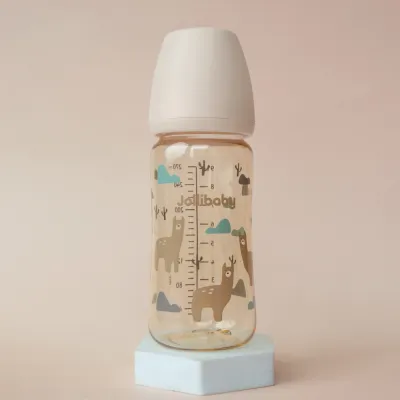
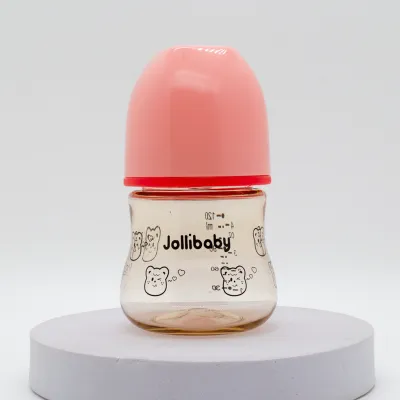
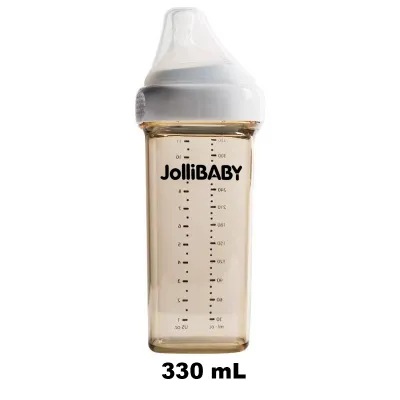
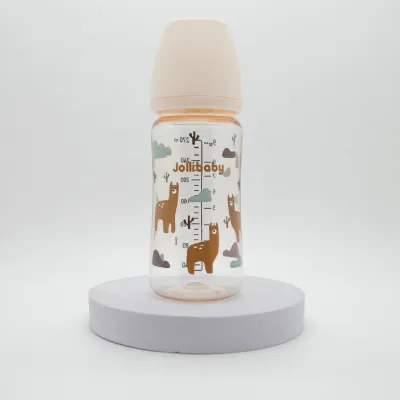
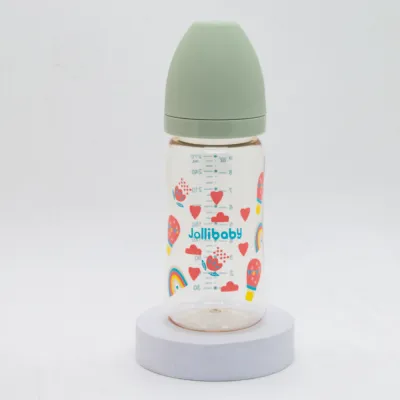
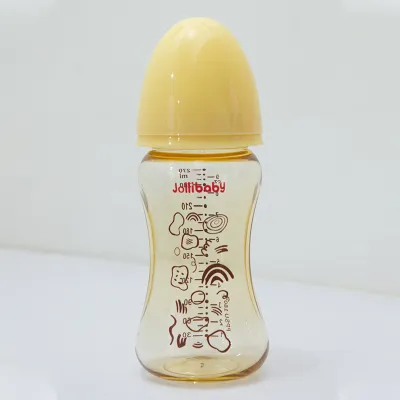
Prices are valid at publication and may change. Please refer to the product page for the latest price.

Caregivers should evaluate these materials based on observable factors such as weight, durability, and visual clarity. In warm and humid tropical climates like the Philippines, choosing a material that is easy to clean and dry thoroughly is essential for preventing the growth of mold and bacteria.
While physical traits are easy to observe, critical safety factors like heat resistance and chemical stability must not be assumed based on the material name alone. Always verify these specifications by reading the product label and the manufacturer’s instructions included with your specific JollyBaby bottle.
Plastic Options: PP and PPSU
Polypropylene (PP) and Polyphenylsulfone (PPSU) are the two most common plastic materials used in modern baby bottles. PP bottles are lightweight, highly impact-resistant, and typically have a translucent or slightly cloudy appearance. They are highly practical for daily use, especially when traveling or during busy daytime routines.
PPSU is a medical-grade plastic known for its high durability and distinct natural amber or honey-colored tint. It is significantly harder and more scratch-resistant than PP, allowing it to withstand repeated sterilization cycles without degrading quickly. While both plastics are lightweight and shatterproof, PPSU generally offers a longer usable lifespan under high-heat conditions.
Before exposing either plastic material to high heat, caregivers must verify the manufacturer’s stated temperature limits. Exceeding these limits during boiling, steam sterilization, or UV sanitizing can damage the structural integrity of the bottle.
Glass Bottles
Glass feeding bottles are favored by many parents for their excellent visual clarity and resistance to scratching. Because glass is non-porous, it does not absorb odors, colors, or fats from breast milk or infant formula, making it exceptionally easy to clean thoroughly.
However, glass is significantly heavier than plastic and is inherently fragile. This makes glass bottles most suitable for supervised feeding sessions where an adult holds the bottle, or for very young infants who do not yet hold their own feed.
To mitigate the risk of breakage, caregivers should check if the manufacturer offers compatible protective silicone sleeves. These sleeves provide a better grip and help absorb the impact if the bottle is accidentally dropped on hard surfaces, such as the ceramic tile floors common in many homes.
How to Determine the Safest Material for Your Baby
Selecting the safest bottle material requires matching the physical properties of the bottle to your baby’s current developmental stage. A bottle that is safe and convenient for a newborn may not be the most practical choice for an active toddler.
For newborns from birth to three months, glass bottles are often an excellent choice because the feeding is entirely managed by a caregiver. The risk of dropping the bottle is minimal, and the high scratch resistance of glass ensures a highly hygienic surface for young immune systems.
As babies reach four to six months and begin developing their motor skills, they will attempt to hold the bottle themselves. At this stage, transitioning to lightweight, shatterproof plastics like PP or PPSU reduces the risk of injury from a dropped bottle.
The feeding environment also plays a major role in your decision. If you frequently feed your baby on the go, travel in vehicles, or have active older siblings in the house, shatterproof plastic options provide a much safer, worry-free solution.
When purchasing any plastic bottle, always look for clear BPA-free and BPS-free certifications on the product packaging or official brand channels. These labels verify that the plastic does not contain harmful bisphenol compounds.
Ultimately, bottle safety is not just about the material itself, but how the bottle is used. True safety comes from a combination of choosing the right material for your baby’s age, assembling the parts correctly to prevent leaks, and strictly adhering to the manufacturer’s age recommendations.
Care, Cleaning, and Sterilization Guidelines by Material
Proper hygiene is critical to protecting your baby’s health, and cleaning methods must be tailored to the specific material of your JollyBaby bottle. Before cleaning, locate and interpret the sterilization symbols and temperature limits printed on the packaging or in the user manual.
In humid tropical environments, moisture can linger in small crevices, creating an ideal environment for bacterial growth. Ensure all bottle parts are completely disassembled, washed with mild baby bottle detergent, and allowed to air dry thoroughly in a clean, well-ventilated area.
While glass and PPSU can generally withstand higher temperatures, PP has a lower thermal tolerance. Caregivers must consult the specific JollyBaby product manual to confirm whether their bottle is compatible with boiling water, steam sterilizers, or UV sterilization systems.
When washing plastic bottles, avoid using abrasive scrubbers, stiff wire brushes, or harsh chemical cleansers. These can create micro-scratches on the inner walls of the bottle, which can trap milk residue and harbor bacteria over time. Instead, use soft silicone brushes or sponge cleaners designed specifically for baby bottles.
If you notice that a bottle has become cloudy, warped, sticky, or cracked during the sterilization process, stop using it immediately. These changes indicate that the material has degraded, and you should consult the manufacturer or replace the bottle to ensure your baby’s safety.
When to Replace Your Baby's Feeding Bottle
Feeding bottles do not last indefinitely, and regular inspections are necessary to identify when a bottle has reached the end of its safe usable life. Caregivers should examine all bottle components weekly under good lighting.
For plastic bottles, look for signs of physical wear such as deep scratches, persistent cloudiness, warping, or stubborn odors that remain after thorough washing. For glass bottles, carefully inspect the rim, threads, and body for any chips, hairline cracks, or rough spots that could cause injury or harbor bacteria.
Degraded materials compromise both the hygiene and the structural integrity of the bottle. A cracked bottle can leak or break during use, while scratched plastic can prevent proper sanitization.
It is highly recommended to replace plastic bottles and silicone nipples according to the manufacturer’s suggested lifespan—typically every six months for plastic bottles and every two to three months for nipples. However, if you detect any visible damage, cracks, or tears, replace the item immediately.
Frequently Asked Questions (FAQ)
Can I mix different JollyBaby bottle materials for my baby?
Yes, you can safely use different bottle materials within your daily feeding routine as long as each bottle is maintained according to its specific care instructions. Many parents prefer using glass bottles at home for easy cleaning and switching to lightweight PPSU or PP bottles when traveling or visiting family. Always ensure that the nipples, collars, and caps are compatible and properly fitted to prevent leaks during feeding.
How do I verify if a JollyBaby bottle is authentic and safe?
To ensure you are purchasing a genuine and safe product, buy only from authorized retailers, official brand stores, or reputable online marketplaces. Upon receiving the product, inspect the packaging for intact seals, clear material labeling, official safety certifications, and the correct brand logo. Avoid purchasing bottles that have misspelled labels, missing instructions, or packaging that appears tampered with.

Community discussion
Share your experience or ask a question. Comments are reviewed before publication.