
Selecting the right feeding bottle is one of the most important early decisions you will make for your newborn. Jollibaby feeding bottles are available in a variety of materials, including glass, polypropylene (PP), polyphenylsulfone (PPSU), and silicone. The safest material for your newborn depends on your feeding routine, cleaning habits, and how you manage the physical handling of the bottle.
For newborns, glass offers exceptional chemical stability and scratch resistance, making it a highly hygienic choice when parents handle all feedings. However, lightweight and shatterproof materials like PPSU or silicone provide excellent physical safety as your baby grows and begins to interact with the bottle. Ultimately, true safety is a combination of chemical purity, physical integrity, and strict adherence to the manufacturer’s cleaning and sterilization instructions.
Comparing Common Jollibaby Bottle Materials: Glass, PP, PPSU, and Silicone
Understanding the physical characteristics, advantages, and limitations of each bottle material is the first step in making an informed choice. Different materials respond differently to heat, physical impact, and long-term wear.
Products mentioned in this guide
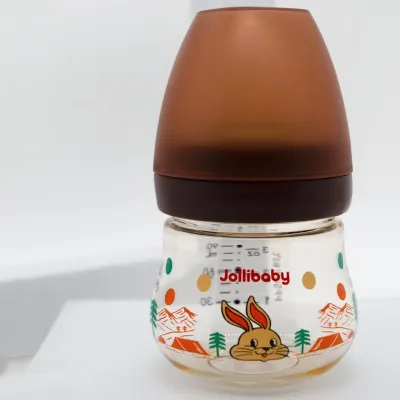
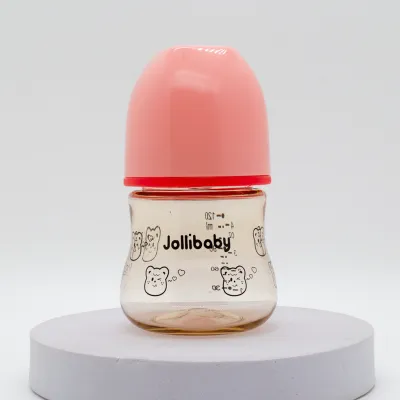
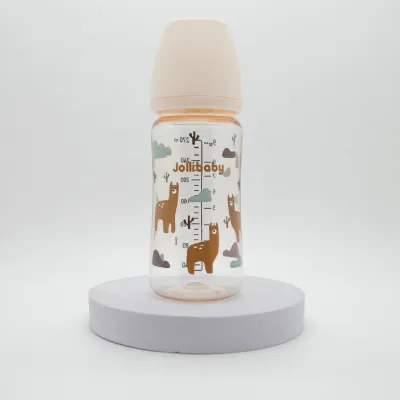
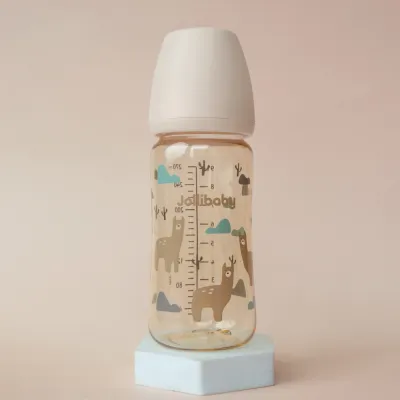
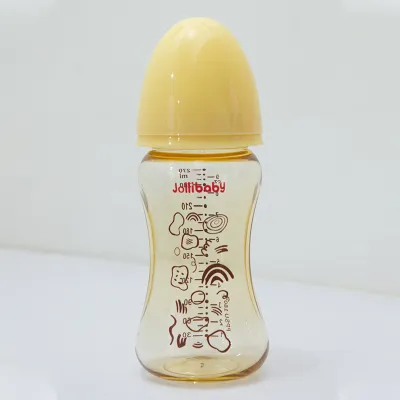
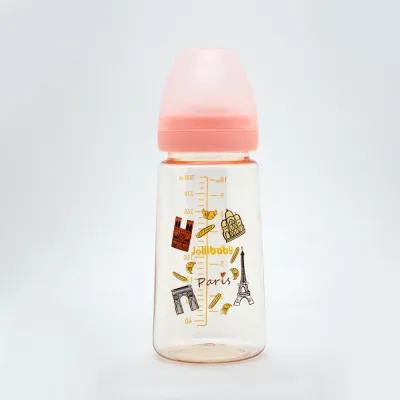
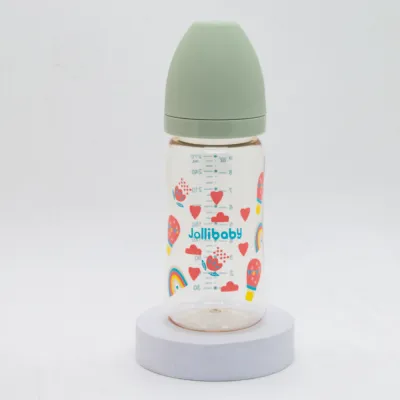
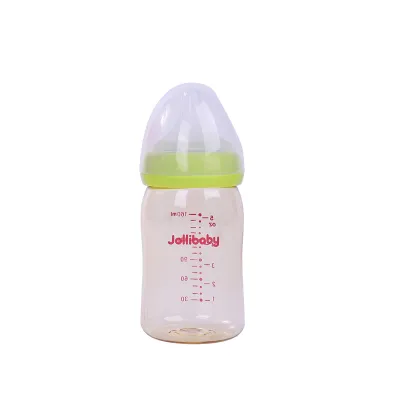
Prices are valid at publication and may change. Please refer to the product page for the latest price.
Glass Bottles
Glass is a traditional material valued for its high clarity and exceptional scratch resistance. Because glass has a non-porous surface, it does not easily absorb odors, retain stains, or degrade under high-heat sterilization. This makes it highly hygienic and simple to clean thoroughly. However, glass is heavy and fragile. If dropped on hard surfaces, it can shatter, presenting a physical hazard in the nursery. It also requires careful handling during late-night feedings when fatigue can lead to accidental drops.
Polypropylene (PP) Bottles
Polypropylene is a lightweight, semi-flexible, and highly common plastic used in many standard baby bottles. It is highly affordable, making it a popular choice for parents looking for budget-friendly options in the Philippines. While PP is shatterproof and easy to transport, it is less durable than other materials. Under repeated high-heat sterilization, PP bottles tend to become cloudy, lose their shape, or degrade faster, meaning they must be replaced more frequently than glass or PPSU.
Polyphenylsulfone (PPSU) Bottles
PPSU is a medical-grade plastic easily identified by its natural, honey-colored amber tint. It combines the best qualities of glass and plastic, offering high durability, impact resistance, and the ability to withstand extreme temperatures without warping or degrading. PPSU bottles are lightweight and virtually shatterproof, making them a premium, long-lasting investment. While they sit at a higher price point in Philippine pesos (₱), their extended lifespan often offsets the initial cost.
Silicone Bottles
Silicone bottles feature a soft, flexible, and skin-like texture that mimics the natural feel of breastfeeding, which can help some newborns transition more easily between breast and bottle. Silicone is highly drop-resistant, lightweight, and does not shatter. However, because silicone is a semi-porous material, it has a natural tendency to retain food odors, milk residues, or soap scents if not cleaned promptly and thoroughly. It also requires specialized care to prevent staining over time.
Crucial Verification Step
Material names alone do not guarantee specific heat tolerance, drop resistance, or chemical stability. Always check the specific Jollibaby product packaging and manufacturer labels for exact temperature limits, material grades, and usage guidelines before feeding your baby.
Which Material Is Safest for Newborns? Key Factors to Consider
When evaluating which material is safest for a newborn, parents must look beyond marketing claims and analyze chemical safety, physical handling, and the developmental stage of the baby.

Chemical Safety and Labels
Chemical safety is a primary concern for parents of newborns. When shopping for Jollibaby feeding bottles, look for clear labels indicating that the product is BPA-free (Bisphenol A) and BPS-free (Bisphenol S). These industrial chemicals, historically used to harden plastics, can pose health risks to infants. Rather than relying on generic marketing slogans, verify safety certifications, material declarations, and compliance standards directly on the Jollibaby product packaging. Authentic products will clearly state their material composition and safety testing compliance.
Physical Safety in the Newborn Stage
During the first few months of life, a parent or caregiver will hold the bottle and feed the newborn. Because the baby is not yet holding the bottle, the heavier weight of glass is generally manageable for adults. Glass bottles provide excellent chemical purity during this stage. However, physical safety risks, such as dropping a heavy glass bottle onto a hard tile floor—a common flooring material in Philippine homes—must be considered. If your household has high foot traffic or hard flooring, a lightweight, shatterproof material like PPSU or silicone may offer better physical safety.
Nipple and Vent Compatibility
Newborns are highly susceptible to swallowing air during feeds, which can lead to painful gas, colic, and spit-up. Regardless of the bottle material you choose, ensure the bottle design works seamlessly with anti-colic vent systems and slow-flow nipples designed specifically for newborns. The bottle and nipple must form a secure, airtight seal to prevent leaks and ensure the venting system regulates pressure correctly. A slow-flow nipple prevents feeding fatigue and allows the newborn to swallow comfortably at their own pace.
Defining "Safe"
Safety is not determined by a single material. Instead, it is a combination of chemical stability, physical integrity, and strict adherence to the manufacturer’s usage instructions. No single material is universally “safest” for every family. If your baby shows persistent signs of feeding aversion, severe reflux, excessive gas, or poor weight gain, consult a pediatrician or a certified lactation consultant. Feeding issues are rarely solved by changing the bottle material alone, and professional medical guidance is essential.
Material-Specific Cleaning, Sterilization, and Care Guidelines
Proper maintenance is critical to keeping your baby’s bottles hygienic and extending their usable lifespan. Different materials require different care techniques to prevent premature wear and bacteria buildup.
Sterilization Limits
Different bottle materials tolerate sterilization methods differently. Glass and PPSU bottles generally have high heat tolerance and can safely undergo boiling water, steam, or UV sterilization. However, PP plastic bottles are more sensitive to heat and prolonged UV exposure, which can accelerate plastic degradation, warping, or discoloration. Always consult the Jollibaby product manual to confirm the approved sterilization methods and exact time limits for your specific bottle model.
Washing Tools and Techniques
To clean plastic and silicone bottles, always use a soft-bristle brush or a dedicated silicone bottle brush. Avoid using stiff wire brushes, abrasive scrubbing pads, or harsh chemical cleansers. Abrasive tools can create microscopic scratches on the inner walls of plastic and silicone bottles. These micro-scratches are highly problematic because they can harbor stubborn milk residues and bacteria, making the bottle difficult to sterilize effectively. Glass bottles are highly scratch-resistant but should still be handled gently during washing to prevent accidental slips.
Drying in Humid Climates
The tropical, highly humid climate of the Philippines presents unique challenges for baby bottle hygiene. High humidity slows down natural evaporation, creating a damp environment where mold, mildew, and bacteria can quickly multiply. After washing and sterilizing, place all disassembled bottle components—including the bottle body, collar, nipple, and cap—on a clean, dedicated drying rack. Position the rack in a well-ventilated, dry area away from direct sunlight. Ensure every piece is completely dry before reassembling or storing them in a closed cabinet.
Inspection and Replacement Signals
Regularly inspect your baby’s feeding bottles under good lighting. You must retire and replace a bottle immediately if you detect any of the following warning signs:
- For Glass: Any chips, hairline cracks, or deep scratches that could weaken the structure and lead to shattering.
- For Plastics (PP/PPSU): Persistent cloudiness, deep scratches, warping, or a sticky texture on the surface.
- For Silicone: Discoloration, a sticky or tacky feel, or persistent sour odors that do not disappear after thorough washing.
Remember that hidden structural damage or bacterial buildup inside deep scratches cannot be fixed by deeper cleaning or extra sterilization.
How to Choose and Transition Bottles as Your Baby Grows
As your baby develops, their feeding habits, physical strength, and motor skills will change. Your choice of bottle material should adapt to match these developmental milestones.
Matching Material to Lifestyle
Align your bottle choice with your family’s daily routine. If you primarily feed your baby at home in a controlled environment, glass bottles are an excellent, highly hygienic option. If your lifestyle involves frequent travel, daycare, or outdoor activities, lightweight and shatterproof PPSU or silicone bottles are much more practical. They are easier to pack, lighter to carry in a diaper bag, and eliminate the worry of breakage while on the go.
Transitioning to Self-Feeding
Around six months of age, babies typically begin developing the motor skills needed to hold their own bottles. During this transition, physical safety becomes the top priority. Glass bottles are too heavy and dangerous for an infant to hold independently. Transitioning to lightweight, impact-resistant materials like PPSU or silicone allows your baby to practice self-feeding safely. These materials are easy for small hands to grip and will not break or cause injury if dropped from a high chair or stroller.
Purchasing Safely
To ensure you are getting authentic Jollibaby bottles made with certified, food-grade, and non-toxic materials, purchase them only from official brand stores, authorized physical retailers, or verified official online flagship stores. Avoid buying from unverified third-party sellers on online marketplaces, as counterfeit baby products may not comply with safety standards and could contain harmful chemicals or low-grade plastics.
Holistic Feeding Approach
While choosing the right bottle material is important, it is only one component of a successful feeding journey. Proper formula preparation using safe, clean water, practicing paced bottle-feeding techniques, and learning to read your baby’s responsive feeding cues are equally vital for your baby’s growth and comfort. Feed your baby in an upright position, keep the bottle horizontal to control the flow, and let your baby decide when they are full to support healthy digestion and development.
Frequently Asked Questions (FAQ)
Can I use UV sterilizers for all Jollibaby plastic bottles?
No, you cannot assume all plastic bottles are safe for UV sterilization. UV light can accelerate the aging, discoloration, and structural degradation of certain plastics, particularly polypropylene (PP). This can make the plastic brittle over time. Always check the specific Jollibaby product manual or packaging to confirm if your exact bottle model is rated safe for UV sterilizers before exposing it to UV light.
How do I know if a silicone bottle has absorbed odors?
You can perform a simple smell test after thoroughly washing and completely air-drying the silicone bottle. If a sour milk smell, soapy scent, or stale odor persists even when the bottle is dry, the semi-porous silicone has likely absorbed residues. Check the manufacturer’s guidelines for approved deodorizing methods, such as a gentle baking soda soak, and replace the bottle immediately if the odor cannot be safely removed.

Community discussion
Share your experience or ask a question. Comments are reviewed before publication.