
Finding the right sleeping arrangement for your newborn in the Philippines involves balancing comfort, safety, and the physical constraints of your bedroom. The Joie Kubbie Sleep stands out as a popular co-sleeping alternative, designed to secure alongside an adult bed while offering the flexibility of a compact travel cot. However, deciding whether this specific model or a competing bassinet is right for your home requires looking closely at how its dimensions, attachment mechanisms, and long-term utility align with your daily parenting routine.
Every household has unique priorities, whether you are navigating a compact condominium in Metro Manila or setting up a spacious nursery in a provincial home. A bedside sleeper must not only fit your physical space but also match the height of your bed and provide a secure, breathable environment for your infant. By comparing the core design of the Kubbie Sleep against other common bassinet types, you can identify which option offers the most practical and secure setup for those frequent nighttime feedings.
Ultimately, the best bassinet is one that matches your baby’s developmental stage and integrates smoothly into your living space. Rather than relying on brand names alone, evaluating specific design elements—such as frame stability, mattress firmness, and ease of cleaning—will guide you to a choice that supports safe sleep practices and fits your family budget.
Products mentioned in this guide
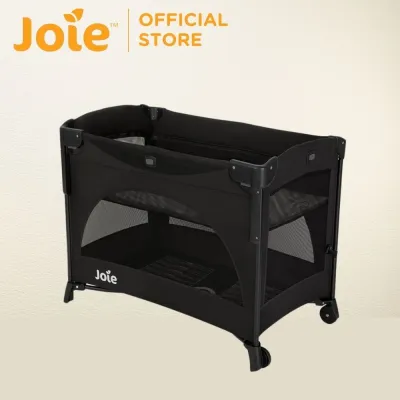
Prices are valid at publication and may change. Please refer to the product page for the latest price.
Key Features to Compare When Choosing a Bedside Bassinet
When shopping for a bedside bassinet, the physical footprint and space utilization should be your first considerations. Many urban homes in the Philippines feature cozy bedroom layouts where every centimeter of floor space matters. Before committing to a purchase, you must measure the available clearance between your bed and the surrounding walls or furniture. Comparing a bassinet’s fully expanded dimensions against its folded size will help you determine if it will block walkways or if it can be easily tucked away when not in use.
Height adjustment and bed alignment are equally critical for a bedside sleeper. To use a co-sleeping bassinet safely, the drop-side or zip-down barrier must align correctly with your adult mattress without creating a dangerous height differential. You should check the number of height adjustment settings a bassinet offers to ensure it can match the specific height of your bed frame and mattress combination, preventing any gaps where a baby could become trapped.
Portability and storage features dictate how easily you can move the bassinet throughout your home. In tropical climates, parents often prefer to keep their infants nearby in well-ventilated living areas during the day and move them to air-conditioned bedrooms at night. Look for bassinets equipped with integrated wheels, a lightweight frame, a straightforward folding mechanism, and a durable travel bag if you plan to transport the bed to a relative’s house or take it on family trips.
Breathability and visibility directly impact your peace of mind and your baby’s comfort. High humidity levels require excellent ventilation to keep your infant cool and prevent overheating during sleep. Inspect the bassinet for generous mesh side panels, which not only facilitate optimal airflow but also allow you to maintain clear sightlines to monitor your baby from your own bed without having to stand up.
How to Verify Joie Kubbie Sleep Specifications and Safety
To ensure the Joie Kubbie Sleep is safe and suitable for your growing baby, you must consult the manufacturer’s manual to verify its specific age and weight limits. While many bassinets are designed for the first few months of life, developmental milestones are the most critical indicators for transitioning your baby to a larger crib. You must stop using the bassinet as a bedside sleeper as soon as your baby can sit up, kneel, or push up on their hands and knees, regardless of their actual weight.

Mattress support and firmness are fundamental to preventing sleep-related hazards. When inspecting the Kubbie Sleep or any alternative bassinet, examine the included mattress pad to ensure it is flat, firm, and does not easily conform to the shape of your baby’s head. There should be no gaps between the edges of the mattress and the fabric sides of the bassinet; a tight, secure fit is essential to prevent suffocation risks.
Cleaning and maintenance routines are particularly important in warm, humid environments where sweat, spit-up, and spilled milk can quickly lead to mold or bacterial growth. Before buying, verify which fabric components of the bassinet are removable and machine washable, and check the manufacturer’s instructions for cleaning the frame. A frame that can be easily wiped down with mild soap and water will save you significant time and effort.
Safety certification labels provide independent verification that a product meets rigorous international standards. When browsing options in the Philippines, look for recognized certification marks on the product tags, packaging, or official retail listings. These labels indicate that the bassinet has undergone structural stability, chemical safety, and entrapment hazard testing, giving you confidence in its construction.
How the Kubbie Sleep Compares to Alternative Bassinet Types
Comparing the Joie Kubbie Sleep to standard standalone bassinets highlights distinct differences in functionality and nighttime accessibility. Standalone bassinets are often highly decorative and compact, making them easy to place in tight corners, but they lack the drop-side attachment feature. The Kubbie Sleep’s ability to secure directly to the side of your bed allows you to reach your baby easily for nighttime soothing and nursing, eliminating the need to stand up and walk over to a separate crib in the dark.
When weighed against convertible full-size wooden cribs, the differences in investment, lifespan, and space requirements become clear. A convertible crib is a long-term furniture piece that can transition from infancy through the toddler years, but it demands a permanent, spacious spot in your home and cannot be folded for travel. In contrast, a bedside sleeper like the Kubbie Sleep offers a temporary, highly portable solution for the early months, allowing you to keep your newborn close before transitioning them to a larger, permanent bed.
It is also helpful to evaluate where the Kubbie Sleep sits on the spectrum between a dedicated bedside sleeper and a lightweight travel cot. Standard travel cots are often larger and designed primarily for older babies to play and sleep in while away from home, sometimes lacking the refined height adjustments needed for safe bedside alignment. The Kubbie Sleep bridges this gap by offering a more compact, bassinet-sized footprint with specialized bedside attachment straps, making it more suitable for daily bedside use than a bulky, traditional playard.
How to Evaluate Price and Value for Your Nursery
To make a financially sound decision, you should check the current retail pricing of the Joie Kubbie Sleep and its competitors across authorized brand stores and reputable mother-and-baby retailers in the Philippines. Prices can vary based on promotions, shipping fees, and physical store locations. Avoid purchasing from unauthorized sellers or unverified online marketplaces to ensure you receive a genuine product covered by the manufacturer’s warranty.
Calculating the cost per use helps put the initial purchase price into perspective. If a bassinet costs several thousand pesos but is only usable for the first four to five months, you can estimate the monthly cost of ownership by dividing the price by the expected months of use. If you plan to have more children in the future, the long-term value increases significantly, provided the materials are durable enough to survive storage.
Be sure to identify any hidden or accessory costs that might not be included in the initial purchase price. Some bassinets require proprietary fitted sheets, specialized waterproof mattress protectors, or custom mosquito nets to protect your baby from insects. Factor these additional items into your total budget, as purchasing multiple sets of sheets and accessories can noticeably increase your overall investment.
Finally, assess the resale or hand-me-down potential of the bassinet by examining the quality of its frame and fabrics. A sturdy metal frame and high-density fabrics that resist staining and tearing will hold their value well. If you maintain the product in excellent condition, you may be able to recoup a portion of your initial investment by selling it to other parents in local pre-loved baby gear groups once your child outgrows it.
Final Decision Framework: Which Bassinet Fits Your Needs?
You should choose the Joie Kubbie Sleep if you prioritize portability, have limited bedroom space, and want a dedicated bedside sleeper that allows you to soothe your baby easily at night. Its compact fold and included travel bag make it an excellent match for families who travel frequently or need to move the sleeping unit between different rooms during the day.
On the other hand, a standard standalone bassinet may be the better choice if you have ample bedroom space, do not require a drop-side bedside attachment, and prefer traditional aesthetic designs or built-in rocking features. These models work well if your primary goal is simply to have a dedicated, stationary sleep space for the first few months of your baby’s life.
If you prefer to make a single, long-term investment and have a spacious bedroom or a dedicated nursery, a full-size convertible wooden crib is often the most practical route. While it lacks portability, it eliminates the need to purchase a secondary bed once your baby outgrows a temporary bassinet, saving you from making multiple furniture purchases over the years.
Before finalizing any purchase, you must physically measure your adult bed setup. If your bed has an unusual height, an extra-thick pillow-top mattress, or a wide wooden frame platform that creates a gap between the mattresses, some bedside attachment straps may not secure properly. Always verify these physical dimensions first to ensure a safe, gap-free fit for whichever bedside sleeper you choose.
Frequently Asked Questions (FAQ)
Can the Joie Kubbie Sleep be used as a standalone crib?
Yes, the Joie Kubbie Sleep can be used as a standalone crib, provided you follow the manufacturer’s instructions for securing the side walls. When using the unit away from your adult bed, you must ensure that the drop-side barrier is fully raised and locked securely into its highest position. Never leave your baby unattended in the bassinet with the side wall zipped down or lowered, as this poses a serious fall and entrapment hazard. Always verify that all locking mechanisms on the frame are fully engaged before placing your infant inside.
What are the safety signs that it is time to stop using a bedside bassinet?
You must transition your baby out of a bedside bassinet as soon as they reach any of the key developmental milestones that compromise safety. These signs include your baby attempting to roll over, pulling themselves up by holding onto the sides, or sitting up independently. Additionally, you must stop use immediately if your baby reaches the maximum weight limit specified in the product manual. Continuing to use a bassinet past these milestones increases the risk of the unit tipping over or the baby climbing out and falling.

Community discussion
Share your experience or ask a question. Comments are reviewed before publication.