
Comparing the absorbency and fit of Itchie diaper pants against mainstream brands like Pampers, Equator, and Huggies requires looking closely at manufacturer specifications, material structures, and real-world observation. Because independent laboratory tests comparing these specific brands are not universally available, parents must rely on systematic evaluation methods to determine which option suits their child. This guide helps you evaluate these critical performance metrics based on your baby’s specific developmental stage, activity level, and skin sensitivity, rather than declaring a single universal winner.
In the tropical climate of the Philippines, where high humidity and heat can exacerbate diaper rash and discomfort, finding the right balance between absorbency and fit is essential. A diaper that works perfectly for a sedentary infant might fail for an active toddler who is constantly crawling or walking. By understanding how to inspect diaper construction and monitor your baby’s skin, you can make an informed decision that keeps your baby dry and comfortable while managing your household budget.
Understanding Absorbency and Fit in Diaper Pants
Absorbency and fit are the two most critical factors in determining the overall performance of any diaper pant. For daily use, these elements directly impact your baby’s comfort, sleep quality, and skin health. When a diaper fails in either area, it can lead to leaks, skin irritation, and fussy periods that disrupt your family’s daily routine.
Products mentioned in this guide
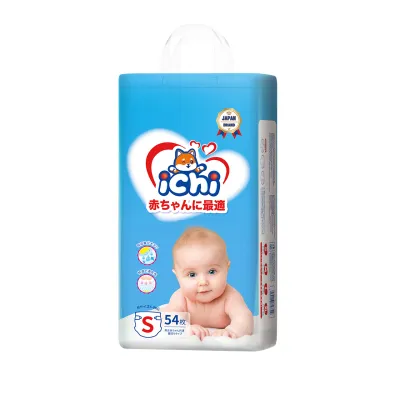
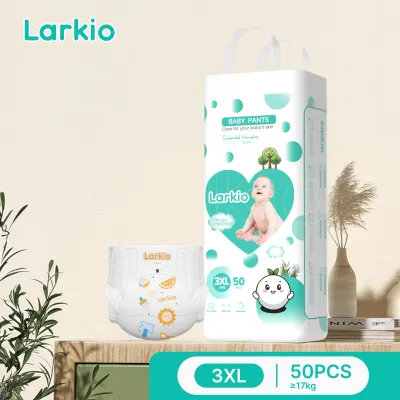
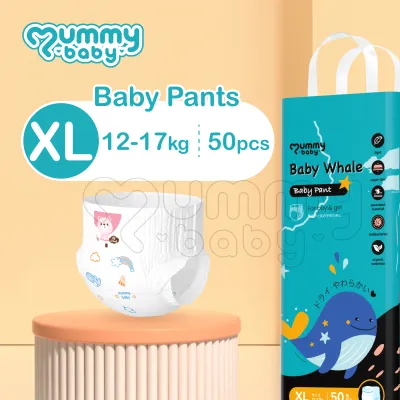


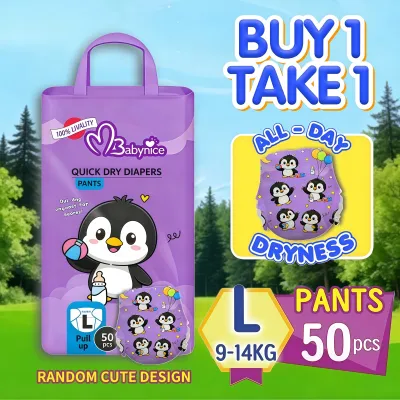
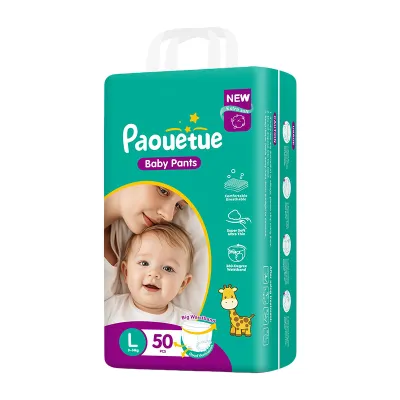
Prices are valid at publication and may change. Please refer to the product page for the latest price.
Absorbency refers to how quickly a diaper can draw liquid away from your baby’s skin and lock it securely inside the core. This process relies on the distribution of absorbent materials, such as superabsorbent polymers (SAP) and cellulose pulp, rather than just the overall thickness of the diaper. A well-designed core prevents fluid from resurfacing when your baby sits, rolls, or presses against the diaper, which is crucial for maintaining skin dryness.
Fit, on the other hand, determines how well the diaper conforms to your baby’s unique body shape during movement. A proper fit ensures that the diaper stays in place without shifting, which is the primary defense against leaks around the legs and waist. It also means the diaper provides enough room for mobility while avoiding excessive skin friction, chafing, or leaving deep red marks on your baby’s delicate skin.
It is important to recognize that diaper performance is highly individual and can vary based on your baby’s specific urine output volume and movement patterns. An active baby who drinks a lot of fluids before bed will place different demands on a diaper than a younger infant who sleeps quietly through the night. Understanding these dynamics allows you to look past marketing claims and focus on how a diaper actually interacts with your baby’s body.
Evaluating Absorbency Across Brands
To compare the absorbency of Itchie diaper pants with Pampers, Equator, and Huggies, parents need a reliable method for evaluating performance. Since you cannot run laboratory tests at home, you must combine a careful inspection of manufacturer specifications with structured real-world observations.

Checking Manufacturer Specifications and Core Materials
When evaluating diaper pants, the first step is to examine the packaging and product specifications for details about the absorbent core. Manufacturers often highlight specific technologies, such as absorbent channels, core distribution layers, or advanced polymer blends designed to distribute liquid evenly. These features help prevent the diaper from sagging in one spot, which can cause premature leaks even if the rest of the diaper is dry.
You should also compare the manufacturer’s stated maximum wear time, which is often listed as a baseline indicator of capacity, such as “up to 12 hours of dryness.” While this figure serves as a useful reference point for comparing the intended use of different product lines, it is a manufacturer claim that requires real-world verification. A diaper rated for overnight use typically contains a higher concentration of superabsorbent polymers than a standard daytime diaper.
Another practical feature to look for on the packaging is a wetness indicator. This is usually a color-changing strip on the outside of the diaper that shifts from yellow to blue as the diaper becomes saturated. Wetness indicators are highly useful for monitoring saturation levels without having to open or tear the diaper pants, helping you avoid unnecessary changes while ensuring your baby does not sit in a full diaper for too long.
Observing Real-World Performance and Leak Signals
To truly understand how Itchie, Pampers, Equator, or Huggies perform, you should conduct a trial period with each brand under normal daily conditions. During this trial, observe how the diaper behaves after a few hours of wear, paying close attention to whether the core sags, clumps, or feels damp to the touch on the outside. A high-quality absorbent core should maintain its structural integrity even when wet, distributing the liquid evenly across the entire pad.
Physical signs of poor absorbency are usually easy to spot if you know what to look for. If you notice frequent leaks from the leg cuffs or the waistband during periods of heavy wetting, it often indicates that the absorbent core cannot absorb liquid quickly enough to keep up with your baby’s flow. This is particularly common during morning bottle feedings or immediately after your baby wakes up from a long nap.
Additionally, you must closely monitor your baby’s skin for any signs of irritation, redness, or prolonged wetness exposure. When you change the diaper, gently touch your baby’s skin to see if it feels damp; a dry surface indicates that the diaper’s top sheet is effectively pulling moisture away. If the skin remains wet, the diaper’s core is not performing its primary job, which can quickly lead to painful diaper rash, especially in hot and humid tropical environments.
Assessing Fit and Comfort for Different Baby Profiles
A diaper with excellent absorbency can still leak if it does not fit your baby’s body shape properly. Because babies come in all shapes and sizes—some with round tummies, others with chunky thighs or long, lean torsos—you must evaluate how the structural design of each brand accommodates your baby’s specific profile.
Waistband and Leg Cuff Designs
The waistband and leg cuffs are the primary barriers against leaks, making their design and elasticity critical to overall comfort. Before putting a diaper pant on your baby, physically stretch the waistband and leg cuffs with your hands to assess their elasticity and recovery. A good waistband should stretch easily to accommodate your baby’s tummy after feeding, but snap back gently to prevent gaps when they stand or crawl.
You should also check for the presence of dual leak guards or standing leg cuffs, which are elasticized inner barriers that run parallel to the outer leg openings. These guards are essential for active babies who crawl, walk, or roll, as they create an extra seal that contains liquid and solid waste during sudden movements. Ensure these inner guards are flipped outward and not tucked inside when you put the diaper on.
Finally, a proper fit should leave no deep red marks or indentations on your baby’s thighs or waist after removal. While the diaper needs to be snug enough to prevent leaks, excessive tightness can restrict circulation and cause chafing, particularly in humid weather where sweat can build up under the elastic bands. If you consistently notice deep red lines that do not fade within a few minutes, the fit is too tight.
Navigating Sizing Charts and Weight Ranges
Selecting the correct size is crucial, as many fit issues and leaks are caused by incorrect sizing rather than inherent flaws in the diaper’s design. Always cross-reference your baby’s current weight with the specific weight ranges printed on the packaging of Itchie, Pampers, Equator, or Huggies. Do not rely solely on age recommendations, as babies of the same age can vary significantly in weight and body proportions.
It is important to understand that sizing standards can vary between brands; a medium size in Itchie diaper pants might fit differently than a medium in Pampers, Equator, or Huggies. This variation occurs because different manufacturers use different sizing templates and elastic tensions. If you are switching brands, treat the weight chart as a starting guide rather than an absolute rule, and be prepared to adjust based on visual fit.
If your baby’s weight falls near the upper limit of a size range, or if they have particularly chunky thighs or a round tummy, it is usually best to size up. Sizing up provides more absorbent material and a larger surface area to contain leaks, while also preventing the waistband and leg cuffs from constricting your baby’s movement. Conversely, if the diaper is too loose around the legs, it will inevitably leak, even if the weight range suggests it should fit.
Decision Framework: Choosing the Right Diaper Pants
To help you choose the right diaper pants for your baby, you can use a conditional decision framework based on your baby’s daily activity, skin sensitivity, and your specific usage scenarios. This approach allows you to select the most appropriate brand for different times of the day or developmental stages.
If your baby is highly active, crawling, or walking, prioritize diaper pants with high-stretch waistbands and robust dual leg guards, such as those found in premium lines of Huggies or Pampers. These structural features help the diaper stay securely in place during vigorous movement, reducing the risk of friction-induced chafing and active-use leaks.
If you are looking for a diaper specifically for overnight use, focus on options that emphasize maximum stated wear time and a high-capacity absorbent core. Many parents find that using a highly absorbent diaper for nighttime sleep prevents wake-ups caused by wetness, even if they choose a lighter, more breathable diaper for frequent daytime changes.
For babies with highly sensitive skin, your primary verification step should be checking the packaging for fragrance-free, hypoallergenic, or dermatologically tested labels. In the humid climate of the Philippines, trapped moisture and added fragrances can quickly trigger contact dermatitis. If your baby has sensitive skin, avoid diapers with strong artificial scents, regardless of how well they absorb.
In cases where you experience persistent diaper rashes, skin peeling, or unusual leakage patterns despite trying different sizes and brands, do not continue to experiment with different disposable options. These symptoms may indicate an underlying skin condition, an allergic reaction to a specific material, or a yeast infection that requires medical attention. In such situations, consult a pediatrician or a pediatric dermatologist for professional guidance and treatment.
Frequently Asked Questions (FAQ)
How do I know if I need to switch from Itchie to another brand?
You should consider switching diaper brands if you notice sudden, recurring leaks, persistent skin irritation, or if the diaper pants no longer fit your baby’s changing body shape. As babies grow and their activity levels increase, their diaper needs change; a brand that worked perfectly during the newborn stage may not provide enough coverage or stretch once your baby starts crawling. However, if your current brand is performing well, keeping your baby’s skin dry, and causing no irritation, there is generally no need to switch solely based on price, as consistency is often better for maintaining healthy skin.
Can I mix different diaper brands for day and night use?
Yes, mixing different diaper brands for daytime and nighttime use is a highly effective and economical strategy used by many parents. You can use a lighter, more breathable, and potentially more affordable diaper pant for daytime hours when changes are frequent (typically every 2 to 3 hours). For overnight use, you can transition to a high-capacity diaper designed specifically for extended wear to ensure your baby remains dry and comfortable throughout the night. If you adopt this strategy, keep in mind that you may need to purchase different sizes for day and night, as overnight diapers sometimes require sizing up to accommodate the extra absorbent material.

Community discussion
Share your experience or ask a question. Comments are reviewed before publication.