
Navigating prenatal nutrition is one of the most critical aspects of a healthy pregnancy, and determining whether a specific supplement like United Home Natafol is safe for you requires careful evaluation. While prenatal supplements are generally formulated to support maternal and fetal health, safety is never a one-size-fits-all matter. Your body undergoes rapid physiological changes across the first, second, and third trimesters, meaning what is highly beneficial in one stage may require adjustment in another. To ensure the safety of any supplement during your pregnancy, you must verify its specific formulation, consult your obstetrician-gynecologist (OB-GYN), and closely monitor how your body responds.
Evaluating Safety Across Different Pregnancy Trimesters
To determine if United Home Natafol is safe for your specific stage of pregnancy, your first step should always be to thoroughly examine the manufacturer’s packaging, label, and enclosed patient information leaflet. These documents contain essential details regarding trimester-specific indications, recommended daily dosages, and any potential contraindications. Because formulations can be updated or vary by batch, reading the physical insert ensures you have the most accurate, up-to-date instructions directly from the manufacturer before consuming the first tablet.
Nutritional requirements shift dramatically as your pregnancy progresses from the first trimester through to the third. During the early weeks, your body prioritizes embryonic development, where specific nutrients like folic acid play a foundational role in neural tube formation. As you enter the second and third trimesters, maternal blood volume expands significantly, and the growing fetus demands higher amounts of iron and other essential minerals to support tissue growth and oxygen transport. Because these physiological demands are dynamic, a supplement routine that fits your needs at week eight might require modification or supplementation by week twenty-eight.
Products mentioned in this guide
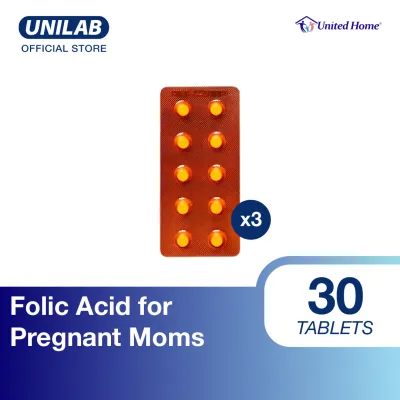
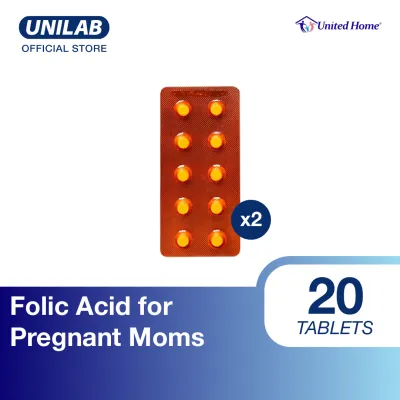
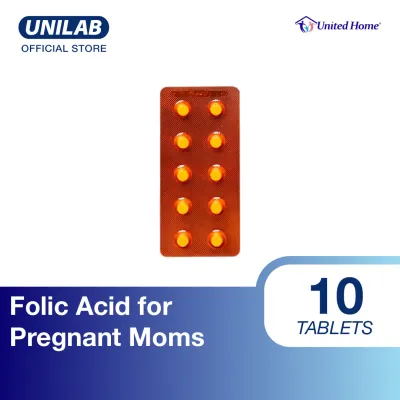
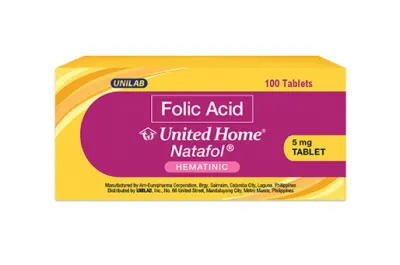
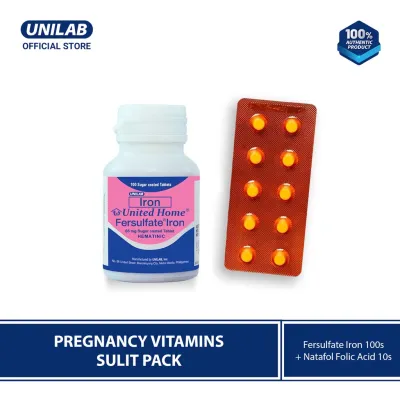
Prices are valid at publication and may change. Please refer to the product page for the latest price.
Given these shifting demands, a professional medical evaluation is indispensable before starting or continuing any prenatal supplement. Your OB-GYN is the only person qualified to review the exact ingredient profile of United Home Natafol against your personal medical history. They will assess your current health status, evaluate any pre-existing conditions such as gestational diabetes or anemia, and cross-reference the supplement with any other medications you may be taking. This personalized assessment ensures that you receive optimal nutritional support without exposing yourself or your developing baby to unnecessary risks.
Common Side Effects to Watch For
Like many prenatal supplements, United Home Natafol contains vitamins and minerals that, while beneficial, can sometimes cause mild physiological reactions as your body adapts. Gastrointestinal discomfort is the most common category of side effects associated with prenatal formulas, particularly those containing iron. You may experience mild nausea, occasional constipation, abdominal cramping, or notice that your stools appear darker than usual. These digestive changes are typical responses to iron supplementation and are generally manageable, but they should still be monitored closely.

To manage these symptoms effectively, it is helpful to track exactly when they occur and how severe they are. Keeping a simple daily log of when you take your supplement, what you ate alongside it, and any subsequent physical sensations can help you identify clear patterns. This tracking allows you to determine whether the discomfort is a direct reaction to the supplement itself or simply a standard symptom of pregnancy, such as morning sickness or hormone-induced sluggish digestion. If you notice that taking the supplement on an empty stomach triggers nausea, for example, you can discuss adjusting your routine with your doctor.
While mild digestive adjustments are common, you must also remain vigilant for signs of mild allergic reactions. These can manifest as sudden skin rashes, localized itching, or mild swelling around the face, hands, or feet. Allergic reactions indicate that your immune system is reacting to an ingredient in the formulation, and they should never be managed with over-the-counter allergy medications without professional guidance. If you observe any of these dermatological or systemic changes, you should temporarily pause the supplement and seek a prompt medical review to identify the underlying cause.
Crucial Precautions and When to Stop Use
One of the most critical precautions when taking any prenatal supplement is avoiding the temptation to combine multiple multivitamins or mineral products. It is a common misconception that taking more vitamins will yield better health outcomes for the baby; in reality, overlapping ingredients can easily lead to vitamin or mineral toxicity. For instance, excessive intake of fat-soluble vitamins like Vitamin A, or an overabundance of iron, can accumulate in your organs and pose serious health risks to both you and your developing fetus. Always present every single supplement you intend to take to your OB-GYN to ensure there is no dangerous duplication of nutrients.
You must also be aware of severe red-flag symptoms that require you to stop taking the supplement immediately and seek emergency medical care. These critical warning signs include severe, sharp abdominal pain, persistent or violent vomiting that prevents you from keeping fluids down, difficulty breathing, chest tightness, or signs of a severe systemic allergic reaction such as anaphylaxis. While these reactions are rare, they are medical emergencies that demand immediate professional intervention rather than waiting for a scheduled prenatal appointment.
To prevent adverse interactions, make it a habit to disclose all substances you consume to your healthcare provider. This disclosure must go beyond prescription medications to include over-the-counter pain relievers, herbal teas, traditional remedies, and dietary supplements. Even seemingly harmless herbal preparations can interact with the active ingredients in prenatal vitamins, potentially reducing their absorption or causing unexpected side effects. Keeping an updated, comprehensive list of everything you consume ensures your medical team can guide your prenatal care safely and cohesively.
Verifying Product Authenticity and Storage Conditions
Ensuring the safety of your prenatal supplement also depends heavily on the authenticity and physical integrity of the product you purchase. To protect yourself from counterfeit or substandard products, always verify that the packaging displays a valid Food and Drug Administration (FDA) Philippines registration number. Legitimate distributors must register their products with the local regulatory authority to prove they meet national safety and quality standards. Purchasing your supplements exclusively from licensed, reputable pharmacies rather than unverified sellers on online marketplaces is the best way to guarantee you are receiving an authentic product.
Before opening any new box or bottle, perform a thorough physical inspection of the packaging. Check that the tamper-evident seals are completely intact and show no signs of peeling or tearing. Examine the individual blister packs to ensure they are fully sealed, with no punctures, air pockets, or crushed capsules. Additionally, locate the printed batch number, manufacturing date, and expiration date on both the outer carton and the inner packaging. Never consume a supplement that has passed its expiration date or displays mismatched batch information, as the chemical stability of the ingredients can no longer be guaranteed.
Proper storage is especially vital in tropical climates characterized by high temperatures and humidity. To prevent the active ingredients from degrading, store your supplements in a cool, dry place, ideally below 30°C, and keep them completely away from direct sunlight, moisture, and heat sources. Avoid storing them in bathroom cabinets or near kitchen appliances where steam and humidity fluctuate. Keeping the product in its original blister packaging until the exact moment of consumption provides an extra layer of protection against environmental moisture, ensuring the supplement remains stable, potent, and safe throughout your pregnancy.
Frequently Asked Questions (FAQ)
Can I take this supplement alongside other prenatal vitamins?
No, you should not combine United Home Natafol with other prenatal vitamins or multivitamins unless specifically instructed to do so by your OB-GYN. Overlapping ingredients can lead to an excessive intake of certain vitamins and minerals, which can be harmful to both you and your baby. Always let your doctor review all your supplements to create a safe, non-overlapping nutritional plan.
What should I do if I experience severe constipation?
If you experience severe constipation, start by increasing your daily water intake and incorporating more fiber-rich foods, such as vegetables and whole grains, into your diet. However, if the constipation persists, worsens, or causes significant pain, do not use over-the-counter laxatives without consulting your doctor. Contact your OB-GYN to discuss whether you need to adjust your supplement dosage or switch to an alternative formula.
Is this supplement a substitute for a balanced pregnancy diet?
No, prenatal supplements are designed to fill specific nutritional gaps and support your body’s increased demands, but they can never replace a healthy, balanced diet. Whole foods provide a complex matrix of fiber, macronutrients, and natural compounds that supplements cannot replicate. You should continue to eat a diverse, nutrient-rich diet consisting of fresh fruits, vegetables, lean proteins, and whole grains alongside your prescribed supplements.

Community discussion
Share your experience or ask a question. Comments are reviewed before publication.