
To keep your baby’s feeding gear hygienic, using a dedicated baby bottle cleanser like the unilove cleansing bottle formula is a practical choice for breaking down stubborn milk fats. Generally, mild, plant-based baby bottle cleansers are safe for a wide variety of materials, including glass, polypropylene (PP), polyphenylsulfone (PPSU), and silicone. However, because manufacturer formulations and bottle designs can change over time, caregivers must always verify compatibility by checking the physical cleanser label and cross-referencing it with the care instructions of their specific bottle brand.
In the warm and humid climate of the Philippines, residual milk proteins can spoil rapidly, making thorough sanitization essential. Choosing the right combination of cleanser and bottle material ensures that your daily washing routine remains both highly effective and safe for your little one.
How to Check Unilove Cleansing Bottle Compatibility
Before applying any cleaning agent to your baby’s feeding accessories, take a moment to examine the physical packaging of your baby bottle cleanser. The label on the bottle provides the most accurate, up-to-date information regarding material compatibility, proper usage, and safety precautions. Manufacturers frequently update their packaging to highlight specific material approvals or chemical exclusions.
Products mentioned in this guide
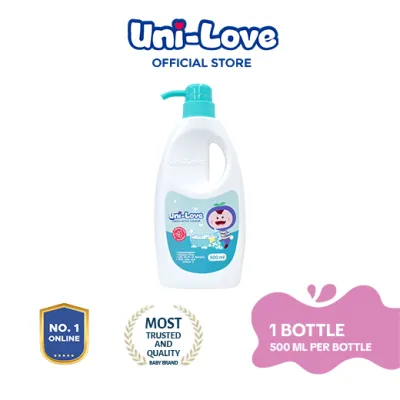
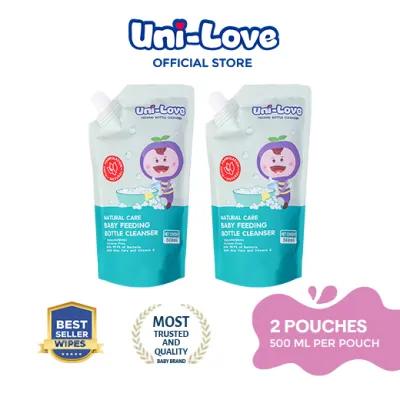
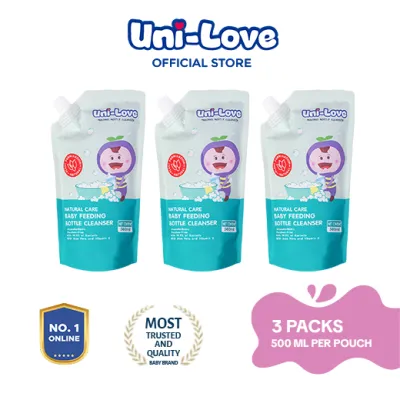
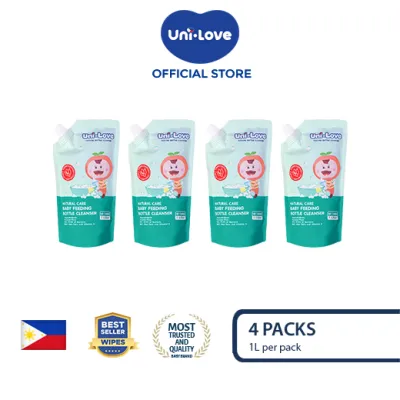
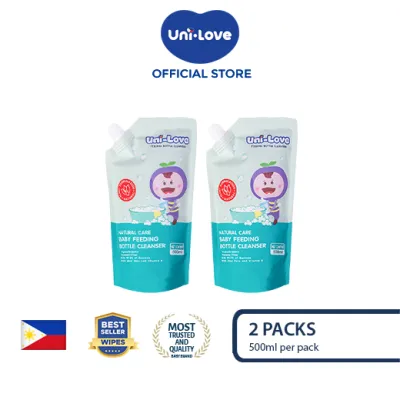
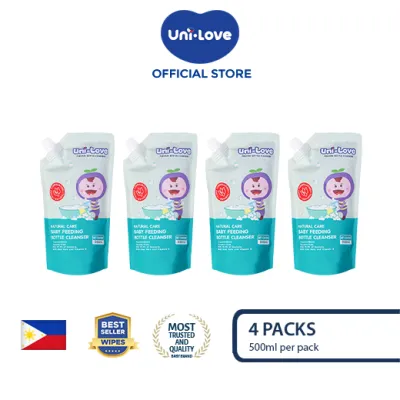
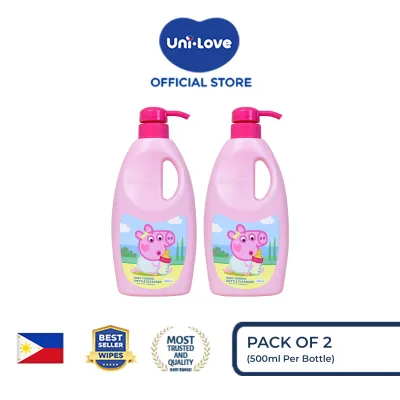
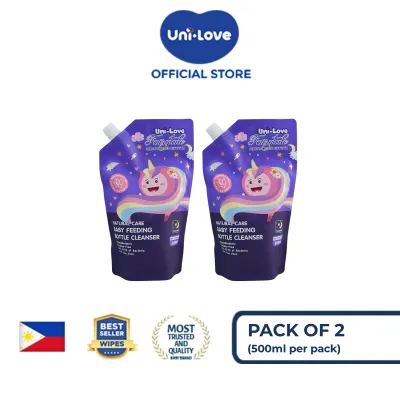
Prices are valid at publication and may change. Please refer to the product page for the latest price.
Most high-quality baby bottle cleansers utilize mild, plant-derived surfactants that are designed to strip away lipid residues without leaving synthetic chemical films. When reading the bottle label, look for explicit callouts such as “safe for all bottle materials,” “suitable for silicone and plastics,” or “biodegradable formula.” These phrases indicate that the solution has been formulated to clean delicate materials without causing premature clouding or structural degradation.
Even if a cleanser is labeled as universal, you must cross-reference its instructions with the official care manual provided by your baby bottle manufacturer. Some specialty bottle brands use proprietary coatings or unique silicone grades that require specific pH levels or washing techniques. Aligning the guidelines of both products protects your baby’s health and ensures you do not inadvertently void any product warranties.
Material-Specific Cleaning and Care Guidelines
Different bottle materials react uniquely to physical friction, water temperature, and chemical exposure. Understanding these distinct characteristics allows you to tailor your washing technique, preserving the lifespan of your feeding equipment while maintaining excellent hygiene.

Glass and Silicone
Glass Bottles: Glass remains a premier choice for many parents due to its exceptional durability and non-porous surface. It is highly resistant to chemical reactions, staining, and odor absorption, which makes it incredibly simple to clean and inspect. When washing glass, you can easily spot any lingering milk fat residue or cloudiness. However, the primary drawback of glass is the physical risk of breakage. Slippery, soapy hands can easily drop a glass bottle during washing. To mitigate this risk, always maintain a secure grip, consider washing glass components over a soft plastic basin, and inspect them daily for hairline cracks or chips that could harbor bacteria or cause injury.
Silicone Bottles and Nipples: Silicone is a highly flexible, durable, and temperature-resistant material commonly used for modern squeeze bottles and nipples. While silicone is non-porous, its surface chemistry makes it prone to absorbing strong odors and developing a sticky, greasy film if milk fats are not thoroughly emulsified. Mild, plant-based cleansers are ideal for breaking down these stubborn lipids. When caring for silicone, caregivers must routinely inspect the parts for physical degradation. Look closely for persistent cloudiness, a sticky texture that remains after drying, or micro-tears in the nipple. Because torn nipples can alter milk flow and present a choking hazard, replace them immediately upon detecting any wear.
PP and PPSU Plastics
PP (Polypropylene) Bottles: Polypropylene is the most common lightweight plastic used in baby bottles. While highly affordable and shatterproof, PP is a relatively soft plastic that is highly susceptible to micro-scratches and clouding over time. Even gentle cleaning brushes can create tiny, invisible abrasions on the inner walls of a PP bottle. These micro-scratches serve as perfect hiding spots for milk proteins and bacteria, making them difficult to sanitize. Using a mild cleanser helps minimize chemical wear on PP, but you must regularly hold these bottles up to a bright light to check for internal scratches or severe discoloration. If the plastic appears heavily scuffed or permanently cloudy, it should be replaced.
PPSU (Polyphenylsulfone) Bottles: PPSU is a medical-grade, high-performance polymer easily identified by its natural honey-gold tint. It offers superior durability, high chemical resistance, and can withstand repeated high-heat sterilization cycles without degrading. Although PPSU is significantly more scratch-resistant than standard PP, it still requires gentle handling to maintain its structural integrity over hundreds of washes. Mild cleansers are perfect for keeping PPSU clear and clean. However, regardless of how gentle your cleansing solution is, you must avoid using abrasive nylon-bristled brushes or steel wool, which can ruin the smooth inner surface. Always pair premium PPSU bottles with soft cleaning tools to maximize their longevity.
Verifying Cleanser Safety and Ingredient Transparency
Evaluating a baby bottle cleanser requires looking past marketing claims on the front of the bottle and focusing on observable traits, ingredient lists, and local regulatory compliance.
Ingredient Transparency: Turn the bottle over to inspect the active ingredients. A trustworthy baby bottle cleanser should feature a transparent ingredient list, highlighting plant-based surfactants such as decyl glucoside or coco-glucoside. Caregivers should exercise caution when using products that list vague “fragrance” mixtures or rely on harsh synthetic surfactants. Strong synthetic perfumes are designed to adhere to surfaces, which increases the likelihood of leaving a scented chemical residue on the bottle that your baby might find off-putting or ingest.
Rinsability Test: A well-formulated, safe cleanser must rinse away completely under running water without leaving any residue behind. You can perform a simple rinsability test at home. After washing a bottle, rinse it thoroughly and run your clean finger along the inner surface. It should feel squeaky clean. If the surface feels slippery, slimy, or retains a strong soapy aroma, the cleanser may contain excessive synthetic thickeners or may not be formulated for clean rinsing.
Certifications and Notifications: In the Philippine market, look for official regulatory indicators to verify product safety. Check the physical packaging for a valid notification or registration number from the Philippine Food and Drug Administration (FDA). These official marks, alongside pediatrician-tested or dermatologist-approved seals, provide objective assurance that the product meets local safety standards for infant use.
Observation for Sensitivities: Always monitor your baby’s behavior during and after feeding. If you notice sudden changes, such as bottle refusal, coughing, spitting up, or mild skin redness around the mouth, stop using your current cleaning setup immediately. These symptoms can indicate that a soapy residue remains on the nipple or that your baby is experiencing a localized sensitivity to an ingredient in the cleanser. If these signs persist, consult a pediatrician or qualified healthcare professional.
Safe Washing and Rinsing Steps to Prevent Residue
Establishing a consistent, careful washing routine is just as important as selecting a safe cleansing solution. Proper technique prevents chemical buildup and ensures your baby’s bottles remain pristine.
Dilution Ratios: Always follow the exact dilution instructions printed on your cleanser’s label. Many parents mistakenly believe that using more soap results in a cleaner bottle. In reality, over-concentrated soapy water is incredibly difficult to rinse away completely, especially from narrow nipple tips and collar threads. This practice increases the risk of leaving chemical residues behind. Use only the recommended number of pumps or drops per wash basin.
Brush Selection: Match your cleaning tool to the specific bottle material. For delicate PP and PPSU plastic bottles, as well as silicone nipples, always use soft silicone brushes or gentle foam sponge brushes. These soft materials sweep away milk film effectively without scratching the plastic. Standard nylon-bristled brushes are generally acceptable for durable glass bottles, but ensure the wire core of the brush is covered to prevent scratching the glass.
The Thorough Rinse Check: Rinse every single component under clean, running water rather than simply dunking them in a shared basin of standing water. Pay close attention to high-friction areas where milk fat and soap bubbles tend to collect, such as the screw threads of the bottle neck, the inner rim of the collar, and the tiny anti-colic valves on silicone nipples. Run water directly through the nipple hole to ensure no soap remains trapped inside.
Drying and Storage: In the humid Philippine climate, damp bottle parts left in enclosed spaces can quickly become breeding grounds for mold and bacteria. After a thorough rinse, place all disassembled parts on a clean, dedicated bottle drying rack. Position the rack in a well-ventilated area of your home, away from cooking grease or household dust. Let all components air-dry completely before reassembling or storing them. Avoid using kitchen towels to dry the parts, as towels can easily transfer lint and bacteria back onto the clean surfaces.
Frequently Asked Questions (FAQ)
Can I use Unilove cleansing solution to wash breast pump parts?
Yes, but you must verify compatibility by checking both your breast pump manufacturer’s manual and the cleanser’s label instructions first. Breast pump assemblies contain highly delicate components, such as thin silicone membranes, backflow protectors, and duckbill valves. These medical-grade parts can warp, stretch, or lose suction if exposed to incompatible cleaning chemicals or subjected to aggressive physical scrubbing. Always wash them gently and inspect them regularly for signs of wear.
What should I do if my PPSU bottle looks cloudy after washing?
If your PPSU bottle appears cloudy after washing, it is usually not caused by the cleansing solution itself. In many Philippine households, cloudiness is the result of mineral buildup from hard water during boiling or steam sterilization. It can also be caused by micro-scratches from abrasive brushes or natural material degradation from repeated high-heat exposure over time. To resolve this, try switching to a soft sponge or silicone brush, verify your water source, and inspect the bottle for deep physical wear. If the cloudiness is accompanied by a rough texture or sticky feel, it is time to replace the bottle.

Community discussion
Share your experience or ask a question. Comments are reviewed before publication.