
Uni-Love bottle cleanser is generally formulated to be safe and highly compatible with glass, plastic, and silicone baby bottles, provided it is used according to the manufacturer’s directions and paired with appropriate, non-abrasive cleaning tools. Ensuring absolute safety for your infant, however, requires understanding how different feeding materials react to liquid cleansers, physical scrubbing, and the unique environmental conditions of your home.
By matching the properties of your cleanser with the specific physical limits of your baby gear, you can maintain clean, hygienic feeding equipment while extending the lifespan of every bottle. Here is what you need to know to verify compatibility, protect your baby’s health, and keep various bottle materials in pristine condition.
Understanding Cleanser Compatibility and Material Safety
Material compatibility is a critical consideration when managing baby feeding gear. Breast milk and infant formula contain complex lipids, proteins, and carbohydrates that adhere tightly to bottle walls. To remove these stubborn residues, a bottle cleanser must effectively break down organic fats without causing material degradation or chemical leaching over time.
Products mentioned in this guide
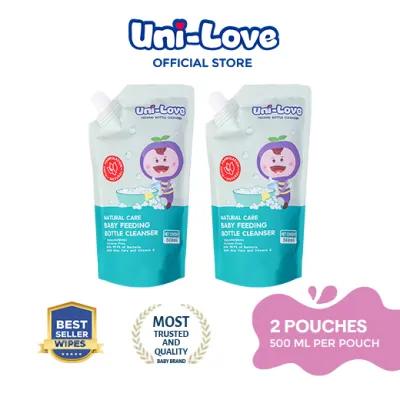
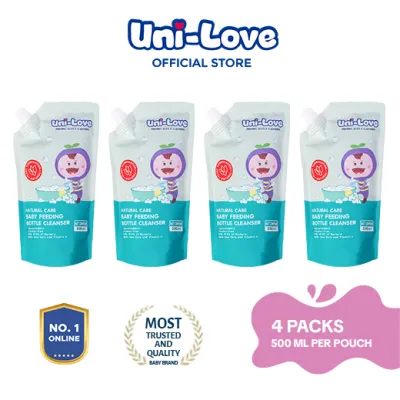
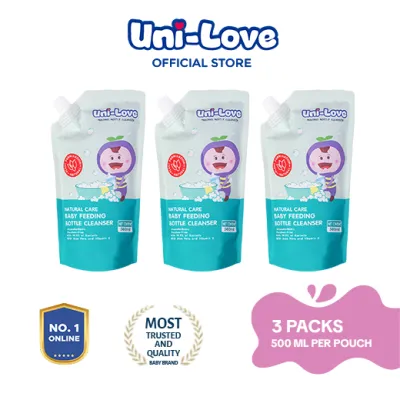
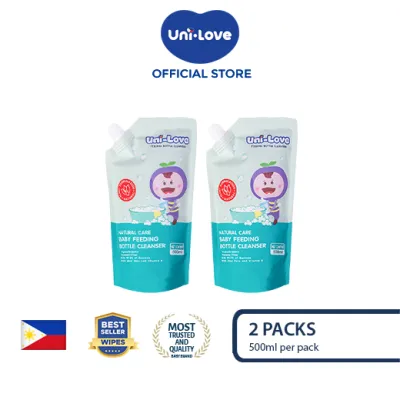
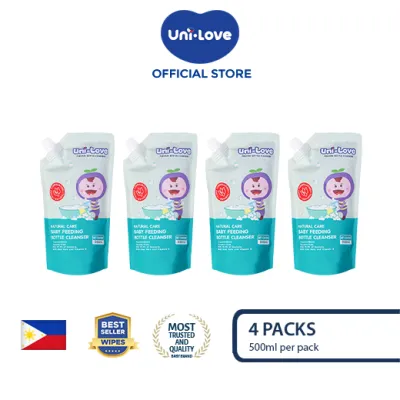
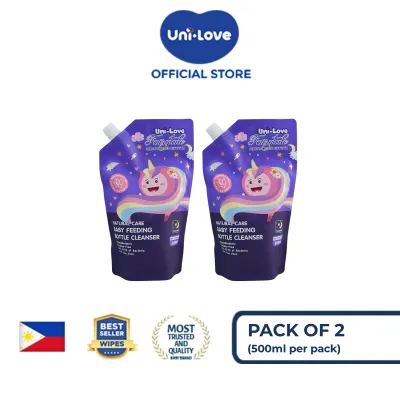
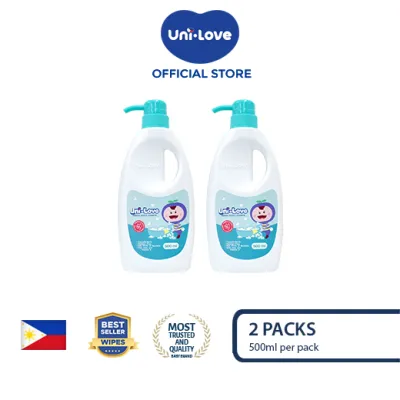
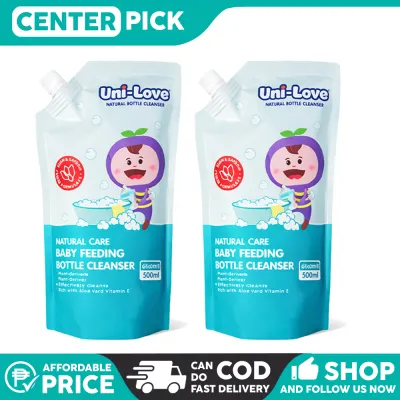
Prices are valid at publication and may change. Please refer to the product page for the latest price.
When evaluating any cleaning product, always check the Uni-Love bottle cleanser label for specific material claims, pH level indications, and surfactant types. Rather than assuming universal safety based solely on a “baby” category label, look for plant-derived surfactants and a formulation free from harsh synthetic dyes, parabens, and strong artificial fragrances. A truly safe cleanser must be non-toxic, leaving zero harmful residues for your infant, while remaining gentle enough to preserve the structural integrity of the bottle.
Using highly aggressive adult dishwashing liquids can accelerate the aging of plastics and silicone, making them brittle or prone to absorbing odors. Choosing a mild, baby-specific cleanser helps mitigate these risks, ensuring that the cleaning process does not compromise the safety of the container.
Material-Specific Cleaning Guidelines and Safety Checks
Different bottle materials demand unique handling. While a mild cleanser is designed to be gentle, the physical process of washing must adapt to whether you are cleaning glass, rigid plastics, or flexible silicone.

Glass Baby Bottles
Glass is highly regarded for its chemical durability and inert nature. It does not absorb stains, milk odors, or chemical residues easily, making it highly compatible with mild liquid cleansers. However, the primary concern when cleaning glass is physical fragility rather than chemical wear.
Always use soft, non-abrasive bottle brushes, such as those made of silicone or soft sponge, to clean glass bottles. Avoid brushes with exposed metal wires that can scratch the glass interior. If your glass bottle features an external protective silicone sleeve, slide it off periodically to wash underneath, preventing trapped moisture and soap residue from accumulating.
Temperature management is also vital during the washing process. Avoid exposing glass bottles to sudden, extreme temperature shifts—such as moving a bottle directly from cold tap water into boiling water—as thermal shock can cause micro-cracks or sudden shattering. Additionally, if you live in an area with hard water, check for a cloudy mineral residue after rinsing; this is a natural mineral buildup rather than a cleanser issue, which can be verified by rinsing with purified water.
Plastic Baby Bottles (PP, PPSU, PES)
Plastic baby bottles made from Polypropylene (PP), Polyphenylene Sulfone (PPSU), or Polyethersulfone (PES) are lightweight and break-resistant, but they are highly susceptible to micro-scratches, heat degradation, and chemical breakdown over time.
Mild, baby-specific cleansers are highly preferred for plastic bottles because they do not contain the aggressive degreasers found in standard adult dish soaps. Adult detergents can accelerate the breakdown of plastic polymers, leading to premature cloudiness or yellowing.
Never use stiff plastic bristles, steel wool, or abrasive scouring pads on plastic bottles. Micro-scratches on the inner walls of plastic bottles act as breeding grounds for bacteria and trap milk fats, making thorough sanitation nearly impossible regardless of the cleanser used.
To ensure safe usage, check the resin identification code on the base of the bottle and cross-check the manufacturer’s care instructions to verify temperature and chemical exposure limits. Regularly inspect your plastic bottles for signs of degradation, such as persistent cloudiness, changes in surface texture, or stubborn sour-milk odors; these indicators signal that the plastic has reached the end of its natural lifespan and the bottle must be replaced.
Silicone Baby Bottles and Nipples
Silicone is a highly flexible, heat-resistant, and chemically stable material, making it fully compatible with mild baby cleansers. However, its slightly porous surface means it has a natural tendency to retain organic fats and odors.
Breast milk fats easily cling to silicone nipples and bottle bodies, sometimes leaving a white, greasy film. Cleaning these components requires gentle agitation and occasionally soaking the parts in a warm water and cleanser solution to lift the lipids before scrubbing.
Because silicone can feel naturally slippery when wet, it is often difficult to determine if the cleanser has been completely washed off. Run the parts under running potable water and rub them with clean fingers; they should feel squeaky-clean rather than slick or soapy.
Regularly inspect silicone nipples, collars, and anti-colic valves for signs of material breakdown. Check for stickiness, swelling, discoloration, or tearing. If any of these conditions are present, stop using the component immediately and replace it to prevent choking hazards or feeding issues.
How to Verify Product Labels and Cross-Check Manufacturer Instructions
To ensure complete safety, establish a routine for cross-referencing your cleaning products with your specific baby gear. Start by reading the Uni-Love ingredient list and usage directions on the back of the packaging, paying close attention to recommended dilution ratios and soaking times. Many baby cleansers are concentrated, and using them undiluted can make rinsing exceptionally difficult and lead to unnecessary residue buildup.
Next, cross-reference these details with your baby bottle manufacturer’s warranty and care guide. Some premium bottle brands specify constraints, such as “use only mild, non-antibacterial, fragrance-free soap,” to maintain their warranties or protect specialized anti-colic valves.
If a cleanser label lacks specific material instructions for a new or uncommon bottle type, default to a simple spot test. Apply a diluted drop of the cleanser to an older, soon-to-be-replaced bottle or nipple. Let it sit for the recommended washing duration, rinse thoroughly, and inspect for any adverse physical changes, discoloration, or persistent chemical odor before committing to washing your entire inventory.
Best Practices for Washing, Rinsing, and Drying in Humid Climates
Establishing a rigorous physical cleaning process is essential for maintaining hygiene, especially when managing baby gear in warm, humid environments.
- Disassembly: Fully disassemble all components before washing. Separate the bottle body, collar, nipple, cap, and any internal anti-colic valves or straw systems. Milk easily pools and spoils in the threaded crevices of collars and the tight seals of valves.
- Washing Technique: Use dedicated cleaning tools. Keep a set of bottle and nipple brushes solely for baby gear. Never use the same sponge used for adult plates, pots, and pans, as this introduces grease, spices, and harmful foodborne bacteria to the baby's feeding equipment.
- Rinsing: Rinse every component thoroughly under clean, running potable water. Pay close attention to textured plastic surfaces, the inside tips of nipples, and small valve openings where soapy water can easily get trapped.
- Drying: In the tropical, high-humidity climate of the Philippines, drying baby bottles requires extra care. Standing water in an enclosed space is an open invitation for mold, mildew, and bacterial proliferation. Place all washed components on a clean, elevated, and well-ventilated drying rack. Ensure the rack is positioned in a dust-free area with good airflow, and make sure the bottles are completely dry to the touch before storage.
When to Replace Baby Bottles and Nipples Regardless of Cleanser
No cleanser, no matter how gentle or high-quality, can reverse the natural physical wear and tear of baby feeding gear. Parents must learn to recognize when a bottle or nipple has reached the end of its safe operational lifespan.
Inspect your feeding gear daily for clear, observable indicators that require immediate replacement:
- Glass: Replace immediately if you detect any chips, cracks, or deep internal scratches that could harbor bacteria or weaken the structure.
- Plastic: Replace every 3 to 6 months (or as recommended by the manufacturer) or sooner if you observe persistent cloudiness, deep scratches, warping, or a lingering sour smell.
- Silicone: Nipples generally require replacement every 2 to 3 months due to constant suction and biting. Replace them immediately if they become sticky, swollen, discolored, or if you notice any tears or a widened flow hole.
Regular inspection and timely replacement are fundamental safety practices. If you are ever unsure about the physical integrity of a bottle or nipple, err on the side of caution: stop using it and consult the manufacturer’s guidelines or a pediatric healthcare professional.
Frequently Asked Questions (FAQ)
Can I use Uni-Love bottle cleanser to wash breast pump parts?
Yes, mild baby bottle cleansers like Uni-Love are generally highly suitable for washing breast pump parts, including hard plastic flanges, connectors, and silicone membranes. However, you must first consult your breast pump manufacturer’s instruction manual to verify if there are specific chemical or temperature restrictions that could void the warranty. When washing, pay meticulous attention to small crevices, narrow connectors, and valves. Ensure every trace of milk fat is dissolved and rinse the parts thoroughly with running potable water to prevent any surfactant buildup, which could otherwise interfere with the pump’s suction or contaminate expressed breast milk.
Do I still need to sterilize bottles after using this cleanser?
Yes, washing and sterilizing are two distinct and equally important steps in infant feeding hygiene. A bottle cleanser is formulated to physically lift and remove organic residues, milk fats, proteins, and visible dirt from the bottle surfaces. It does not, however, eliminate microscopic pathogens. After washing the bottles thoroughly with the cleanser and rinsing them clean, you should proceed with sterilization to kill any remaining bacteria, viruses, or mold spores. Follow current pediatric health guidelines to choose a sterilization method—such as boiling in water, electric steam sterilization, or UV sterilization—and ensure that your specific bottle material is rated as safe for that chosen thermal or UV method.

Community discussion
Share your experience or ask a question. Comments are reviewed before publication.