
Parents in the Philippines frequently seek reliable cleaning solutions for their infants’ feeding gear. The safety of using the uni love bottle cleanser—or any dedicated baby bottle cleanser—depends heavily on its specific formulation, proper usage, and meticulous rinsing practices. While many modern baby cleansers are formulated to be gentle and plant-based, caregivers must always verify the exact ingredient list on the physical product packaging. In this context, “safe” means the cleanser is non-toxic when used according to the manufacturer’s directions, free from harsh chemical irritants, and formulated to leave no harmful chemical residue after a thorough rinse. However, even the most reliable cleanser cannot replace proper sterilization practices, especially for newborns or immunocompromised infants who require extra protection against pathogens.
Evaluating Uni Love Bottle Cleanser Ingredients for Safety
To truly understand the safety profile of the uni love bottle cleanser, caregivers must learn how to read and evaluate the ingredient label on the back of the bottle. Manufacturer formulations can change, making it essential to inspect the physical packaging of the specific bottle you purchase.
Surfactants and Cleaning Agents
The primary job of any bottle cleanser is to break down and lift milk fats, proteins, and sugars that adhere to plastic and glass surfaces. Standard household dish soaps often rely on harsh synthetic anionic surfactants, such as sodium lauryl sulfate (SLS) or sodium laureth sulfate (SLES). While highly effective at cutting grease on adult dishes, these chemicals can leave a persistent synthetic residue and strip natural oils from a caregiver’s hands. In contrast, specialized baby bottle cleansers typically utilize mild, plant-derived surfactants, such as decyl glucoside, coco-glucoside, or other coconut- and corn-derived cleaning agents. These plant-based alternatives effectively lift stubborn breastmilk and formula residues without leaving a stubborn chemical film on the feeding surfaces.
Products mentioned in this guide
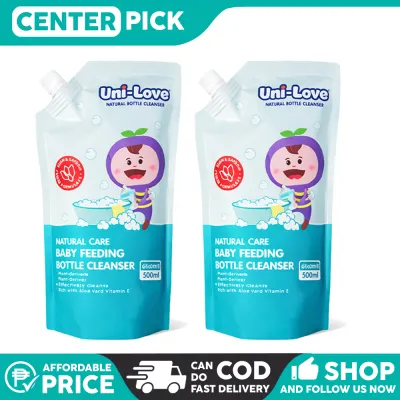
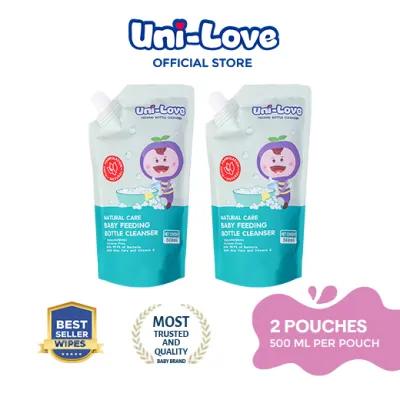
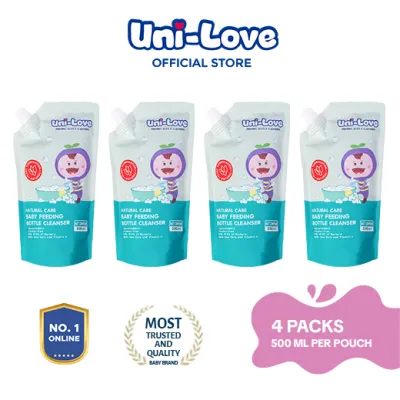
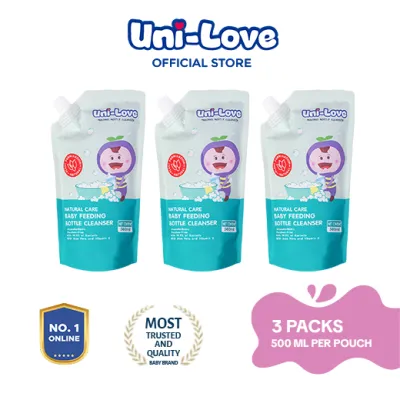
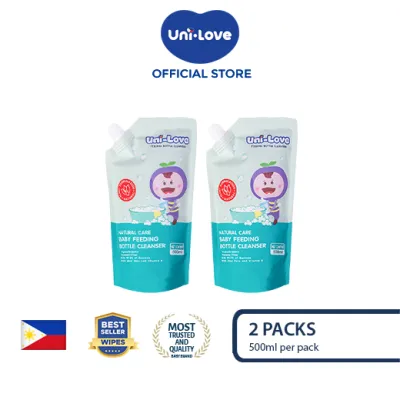
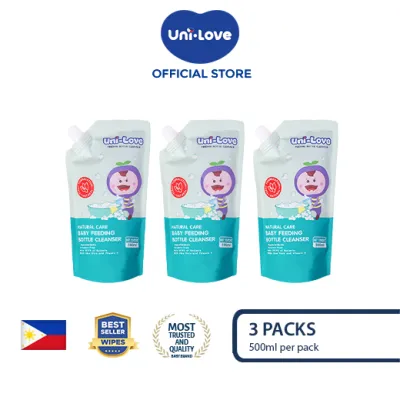
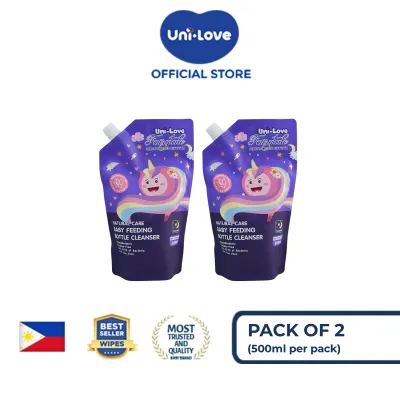
Prices are valid at publication and may change. Please refer to the product page for the latest price.
Fragrances and Dyes
Artificial dyes and strong synthetic fragrances serve no functional purpose in cleaning baby bottles and can introduce unnecessary risks. Infants have an exceptionally acute sense of taste and smell; even a faint trace of artificial floral or citrus scent left on a silicone nipple can cause sensory aversion, leading a baby to reject their bottle entirely. Furthermore, synthetic fragrances are common triggers for mild respiratory tract irritation or skin sensitivities in delicate newborns. When checking your cleanser’s label, prioritize fragrance-free and dye-free formulations, or ensure that any scent present is derived from mild, food-grade natural extracts rather than synthetic perfume compounds.
Preservatives
Because liquid bottle cleansers are water-based, they require preservatives to prevent the growth of harmful bacteria, mold, and yeast inside the bottle over time. However, not all preservatives are created equal. Caregivers generally look to avoid controversial preservatives such as parabens, formaldehyde releasers (like DMDM hydantoin), and methylisothiazolinone (MIT), which have been linked to contact allergies and skin irritation. Safe, modern baby cleansers often employ food-grade preservatives, such as potassium sorbate or sodium benzoate, which effectively maintain product shelf-life while minimizing the risk of adverse reactions.
Actionable Verification Steps
Do not rely solely on front-of-pack marketing claims like “natural” or “organic.” Turn the bottle over and cross-reference the printed ingredient list with recognized safe cosmetic or food-contact databases, such as the Environmental Working Group (EWG) Skin Deep database or the European Commission’s cosmetic ingredient database. If your infant has a history of severe allergies, eczema, or highly sensitive skin, always consult your pediatrician before introducing a new cleaning product to their daily feeding routine.
Preventing Harmful Residue on Feeding Items
The safety of a baby bottle cleanser is only as good as the rinsing process that follows it. Even the mildest plant-derived ingredients are not meant for ingestion, making thorough rinsing a critical step in preventing harmful residue from contacting your baby’s mouth.

The Rinsing Process
Washing baby bottles requires a systematic approach under clean, running water. After scrubbing the bottle, nipple, collar, and cap with a dedicated bottle brush and cleanser, rinse each component individually. Ensure that running water flows directly through the tiny holes of the silicone nipples to flush out any trapped soap bubbles or suspended milk fats. A continuous, thorough rinse of at least 10 to 15 seconds per item under running water is highly recommended to physically wash away all soap traces.
Visual and Tactile Checks
Once rinsing is complete, perform a quick physical inspection of each item. Hold the bottles up to a bright light source to check for a cloudy film, white spots, or water marks, which indicate that milk fats or soap residues are still present. Run a clean finger along the interior walls of the bottle and the surface of the silicone nipple. A properly rinsed bottle should feel squeaky clean; if you detect a slippery, greasy texture or a lingering soapy scent, the item must be rinsed again. In the warm and humid climate of the Philippines, any leftover milk fat or soap residue can quickly become a breeding ground for environmental bacteria.
Water Temperature and Solubility
Water temperature significantly affects how easily a cleanser rinses away. Warm water is highly effective at dissolving plant-based soaps and melting stubborn breastmilk or formula fats, which often solidify at cooler temperatures. If your tap does not supply warm water, you can prepare a clean basin of warm water to wash the items, but always perform the final rinse under clean, running tap water to ensure no dirty water is redeposited on the clean feeding gear.
Drying Methods
Proper drying is essential to prevent recontamination after washing. Never use a standard kitchen towel to dry baby bottles, as fabric towels can easily harbor bacteria, mold spores, and lint. Instead, place all washed and rinsed items upside down on a dedicated, clean drying rack. Ensure the rack is positioned in a well-ventilated area away from raw food preparation zones. In high-humidity tropical environments, prompt air-drying on a clean rack is the safest way to prevent moisture-loving microbes from colonizing the damp surfaces.
Verifying Safety Certifications and Product Claims
Marketing labels on baby products can be confusing. To ensure the uni love bottle cleanser or any alternative product meets high safety standards, caregivers must understand how to validate packaging claims.
Regulatory Marks
In the Philippines, consumer products intended for infant use or food contact should comply with local regulatory safety standards. Look for registration or notification details from the Food and Drug Administration (FDA) of the Philippines on the product label. An FDA-notified product indicates that the manufacturer has submitted the formulation for safety review, ensuring it does not contain prohibited or hazardous chemical concentrations. Caregivers can verify these details using the official FDA verification portal.
Hypoallergenic and Dermatologically Tested
These terms are frequently printed on baby cleansers, but they have specific meanings and limitations. A “hypoallergenic” claim indicates that the product is formulated with ingredients that have a lower statistical likelihood of causing allergic reactions. “Dermatologically tested” means the product was evaluated on human skin under the supervision of a dermatologist to check for irritation. While these claims are reassuring—suggesting the cleanser is gentler on the caregiver’s hands during frequent washing—they do not guarantee a zero-allergy rate for every individual, nor do they measure the safety of the product if it is poorly rinsed and ingested by the infant.
Food-Contact Safe
Always verify if the cleanser is explicitly labeled as “food-grade” or “safe for food-contact surfaces.” This certification means the chemical ingredients are cleared for washing surfaces that directly contact food, breastmilk, or your baby’s mouth. This is a vital distinction from standard household dishwashing liquids, which often contain industrial-strength degreasers, strong synthetic colorants, and heavy perfumes that are not cleared for food-contact safety.
Tear-Free Formulas vs. Bottle Cleansers
Do not confuse skin-care or bath-time certifications with food-surface safety. A “tear-free” claim is highly relevant for baby shampoos and body washes to prevent eye irritation during baths. However, this claim has no bearing on the safety of a bottle cleanser. Always prioritize food-grade and rinse-off safety standards over cosmetic claims when selecting a dish and bottle cleaning agent.
Signs of Irritation and When to Stop Using
Even when using a highly rated baby bottle cleanser, individual sensitivities can occur. Caregivers must remain vigilant and monitor both the infant and themselves for any signs of adverse reactions.
Observing the Baby
Pay close attention to your baby’s behavior during and after feeding sessions. If you observe sudden redness or irritation around their mouth, unusual fussiness, or a sudden refusal to feed, it could indicate a reaction to a residual soapy taste or a mild sensitivity to a cleanser ingredient. Because infants have delicate oral mucosa, even a minuscule trace of leftover chemical residue can cause discomfort or alter the taste of their milk, leading to feeding aversion.
Skin Reactions on Caregiver's Hands
Caregivers wash feeding gear multiple times a day, making their own skin a highly sensitive indicator of a product’s chemical harshness. If you develop excessive dryness, redness, itching, scaling, or contact dermatitis on your hands after using the cleanser, the formulation may contain surfactants or preservatives that strip your skin’s natural moisture barrier. If a product causes visible irritation to your hands, it underscores the absolute necessity of ensuring the product is completely rinsed off the baby’s feeding items.
Next Steps and Medical Consultation
If you suspect your baby or your own skin is reacting negatively to the cleanser, discontinue use immediately. Thoroughly rinse all feeding gear with plain hot water to remove any lingering traces. If your baby exhibits persistent oral redness, swelling, feeding refusal, or digestive discomfort, consult your pediatrician immediately. For severe skin reactions on your hands, seek advice from a dermatologist.
Alternative Cleaning Methods
If you must temporarily or permanently stop using a specific bottle cleanser, you can clean bottles using plain hot water combined with rigorous mechanical scrubbing using a clean bottle brush. Follow this immediately with steam or boiling-water sterilization to ensure pathogens are destroyed. Alternatively, switch to a different, verified fragrance-free and plant-based baby bottle cleanser that lists its ingredients clearly.
Frequently Asked Questions (FAQ)
Can I use Uni Love bottle cleanser to wash baby toys and teethers?
Yes, you can use a dedicated baby bottle cleanser to wash toys and teethers, but you must distinguish between porous and non-porous items. Non-porous items made of silicone, plastic, or rubber (like pacifiers and plastic teethers) can be washed and rinsed thoroughly under running water. However, avoid using liquid cleansers on porous wooden toys or plush toys, as they can absorb the soap and moisture, leading to mold growth or chemical retention. Always refer to the toy manufacturer’s specific care instructions before cleaning.
Is it necessary to sterilize bottles after using the cleanser?
Yes, especially for newborns, premature infants, or babies with weakened immune systems. Cleaning with a cleanser removes physical residues like milk fats, proteins, and sugars, which is a mandatory first step. However, cleaning does not kill all microscopic bacteria or viruses. Sterilization (using steam, boiling water, or a UV sterilizer) kills these remaining pathogens. While older, healthy babies may not require sterilization after every single wash, a clean bottle must always be achieved through washing before any sterilization process is attempted.
What should I do if my baby accidentally ingests a small amount of the cleanser?
If your baby accidentally ingests a small amount of diluted cleanser (for example, if a bottle was poorly rinsed), remain calm. Do not induce vomiting. Gently wipe the inside of your baby’s mouth with a clean, damp cloth to remove any remaining soap. Offer a small amount of water, breastmilk, or formula to help dilute the soap in their stomach. Monitor them closely for any signs of distress, vomiting, or diarrhea. For your peace of mind and immediate safety, contact a local poison control center or your pediatrician right away for professional guidance.

Community discussion
Share your experience or ask a question. Comments are reviewed before publication.