
To determine if Uni Love Baby Bottle Cleanser is safe for your baby’s bottles, we must look at how its formulation interacts with different materials. Generally, dedicated baby bottle cleansers are formulated to be gentler than standard household dishwashing liquids, making them highly compatible with common feeding gear materials such as glass, plastic (including Polypropylene or PP, Polyphenylsulfone or PPSU, and Polyethersulfone or PES), and food-grade silicone. However, because product formulations can change, absolute safety and compatibility always depend on the specific ingredients and instructions listed on your Uni Love packaging. Parents should always inspect the product label to verify its exact formulation, pH balance, and the absence of harsh chemical solvents, heavy artificial colorants, or abrasive agents that could degrade delicate surfaces.
In the context of infant feeding, a “safe” cleanser is one that effectively breaks down breast milk fats and formula residues without compromising the physical integrity of the bottle. It must not cause micro-cracks, surface cloudiness, or chemical degradation, nor should it leave behind toxic chemical residues or strong perfumes that could irritate a baby’s sensitive digestive system. Given the high humidity and warm climate in the Philippines, finding a cleanser that rinses off completely is crucial to prevent the damp, sticky surfaces where bacteria and mold thrive. Checking the manufacturer’s packaging for certified food-grade ingredients and safety standards is an essential first step before introducing any new cleaning agent to your baby’s feeding routine.
Material-by-Material Safety and Care Guide
Glass Bottles
Glass remains a popular choice among parents in the Philippines due to its exceptional durability and highly non-reactive nature. Because glass is non-porous, it does not absorb chemical residues, odors, or food colorings, making it generally safe to wash with almost any mild baby bottle cleanser. Standard surfactants in gentle cleansers easily lift milk fats from glass surfaces without causing any chemical degradation or wear over time. This makes glass bottles highly compatible with daily washing, sterilization, and long-term reuse across multiple developmental stages.
Products mentioned in this guide
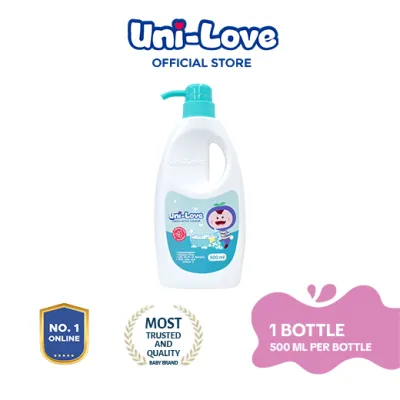
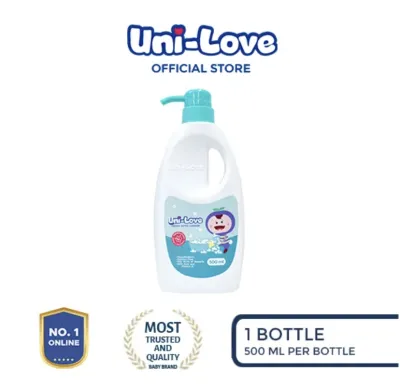
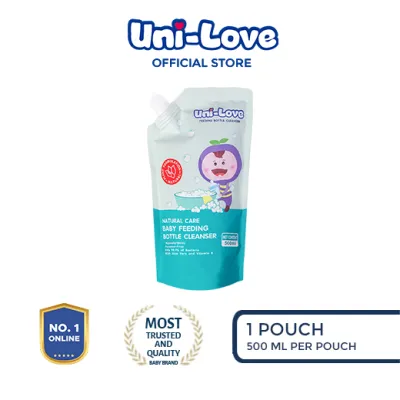
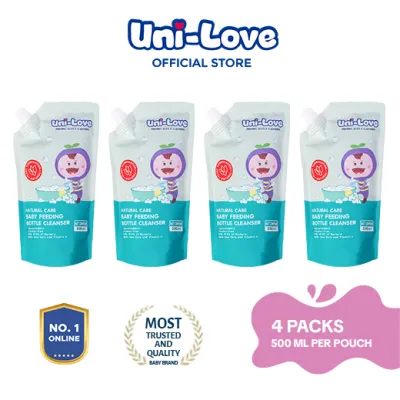
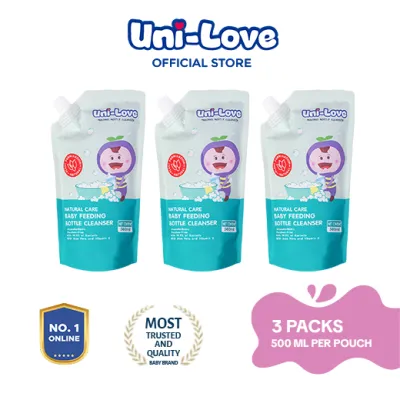
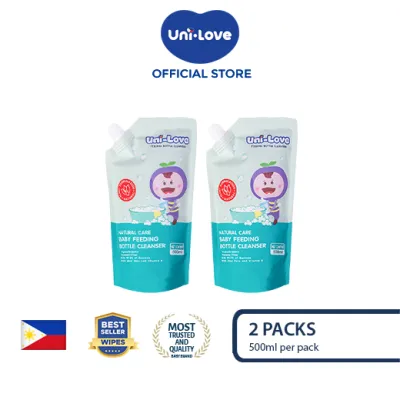
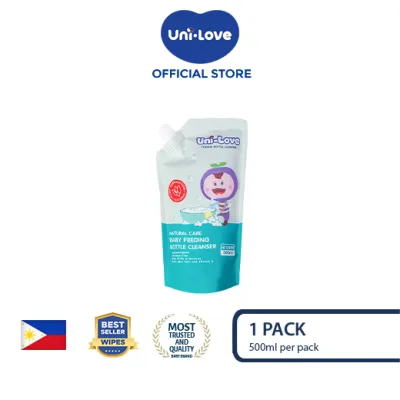
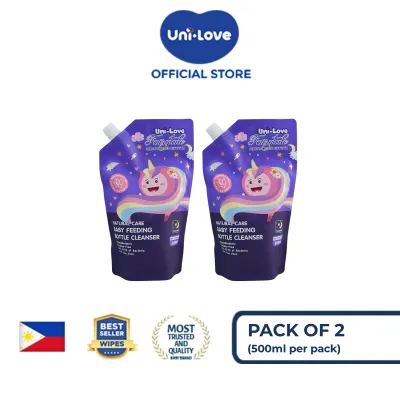
Prices are valid at publication and may change. Please refer to the product page for the latest price.
To ensure safe handling of glass bottles, keep these key factors in mind:
- Slippage Risk: When mixed with water and a liquid cleanser, glass surfaces become extremely slippery, which significantly increases the risk of dropping and shattering the bottle during washing. Always wash glass bottles over a plastic basin or a padded sink rather than directly over hard surfaces.
- Abrasive Damage: Avoid using metal scouring pads or stiff plastic brushes. These can create micro-scratches over time, which weaken the structure and harbor microscopic milk residues and bacteria that are difficult to sterilize.
- Care Recommendation: Rely on soft-bristled sponges or dedicated silicone bottle brushes to clean the interior gently.
Plastic Bottles (PP, PPSU, PES)
Plastic baby bottles, whether made of lightweight Polypropylene (PP), high-temperature resistant Polyphenylsulfone (PPSU), or Polyethersulfone (PES), require much more careful maintenance than glass. Plastics are inherently softer and more vulnerable to chemical degradation, surface scratching, and heat-induced wear. A safe baby bottle cleanser must clean these materials without containing strong solvents, high-alkaline agents, or heavy degreasers. If a cleaning solution is too harsh, it can accelerate the aging of the plastic, leading to micro-cracks, surface cloudiness, or a sticky surface texture that compromises the bottle’s structural safety.
When caring for plastic feeding bottles, parents should monitor the following:
- Chemical Degradation: Over time, repeated exposure to hot water, friction, and cleaning agents can cause plastic to degrade, which may manifest as a white, powdery film or a stubborn cloudy appearance.
- Texture Changes: If you notice that your PP or PPSU bottles are becoming permanently discolored, rough, or sticky to the touch, this indicates that the plastic polymer is breaking down.
- Action Step: Immediately stop using degraded bottles and replace them, while also re-evaluating whether your cleaning brush or cleanser concentration is too aggressive for the material.
Silicone Parts and Bottles
Food-grade silicone is widely used for bottle nipples, anti-colic valves, and even full-body squeezable bottles due to its flexibility and heat resistance. While silicone is highly durable under normal conditions, it is a relatively porous material compared to glass. This porosity means silicone can easily absorb strong fragrances, essential oils, or chemical odors from its environment, including those found in heavily scented soaps. A properly formulated baby bottle cleanser should rinse away completely with water, leaving no soapy film, slick residue, or artificial perfume that could alter the taste of the milk or cause your baby to reject the bottle.
To maintain the safety of silicone components, caregivers must routinely inspect them:
- Physical Wear: Harsh chemical exposures or excessive scrubbing can cause silicone to swell, become sticky, thin out, or develop tiny tears, especially around the nipple hole or valve slits.
- Choking Hazards: Because damaged silicone parts pose a severe choking hazard or can cause feeding difficulties, any sign of structural weakness means the part must be discarded and replaced immediately.
- Compatibility Checks: Always check the manufacturer's care instructions for both the silicone bottle and the cleanser to ensure they are compatible, and avoid using stiff brushes that can easily puncture or tear delicate silicone membranes.
How to Check for Residue and Material Damage
Verifying that your baby bottle cleanser is rinsing off completely is just as important as choosing the right product. To ensure no chemical residues or milk fats remain on the bottle, parents should perform a systematic three-step inspection after every wash. Start with a visual inspection by holding the washed, rinsed bottle up to a bright, natural light source. Look closely for any signs of cloudiness, water spots, white powdery deposits, or oily streaks on the interior walls. These visual cues often indicate that the cleanser was not diluted properly, that the rinse water was insufficient, or that the bottle material is beginning to suffer from chemical etching.

Next, perform a tactile inspection of all components once they have been thoroughly rinsed. Wash your own hands first, then run a clean finger along the inside surfaces of the bottle, the rim, and the silicone nipple. A properly cleaned and rinsed bottle should feel completely smooth and have a distinct “squeaky” clean texture. If the surface feels slippery, greasy, or sticky, it means either milk fat residue or a soap film is still present on the material. This requires an immediate re-wash and a more thorough rinsing process to prevent the buildup of bacteria or chemical ingestion.
Finally, conduct a smell test before assembling the bottles for drying or sterilization. Bring the dry bottle and the silicone nipple close to your nose and inhale deeply. There should be absolutely no lingering smell of sour milk, stale formula, or strong artificial soap fragrances. In the warm, humid climate of the Philippines, trapped moisture and organic residues can quickly turn sour, creating an ideal environment for mold growth. If a strong soapy perfume or a chemical odor persists even after multiple rinses, it is highly recommended to stop using that specific cleanser, as the fragrance or surfactant may be bonding too strongly with the bottle’s material. If your baby shows signs of digestive discomfort, persistent feeding refusal, or oral irritation, stop using the cleanser immediately and consult a qualified pediatrician or healthcare professional.
Best Practices for Washing and Rinsing Baby Bottles
To maximize the safety and effectiveness of your baby bottle cleanser, proper preparation and usage techniques are essential. Always begin by reading the manufacturer’s instructions on the Uni Love label to find the recommended dilution ratio. Using the liquid cleanser in its highly concentrated form does not make the bottles cleaner; instead, it makes the soap much more difficult to rinse off, increases the likelihood of leaving a chemical residue, and wastes product unnecessarily. Prepare a warm water bath in a dedicated basin with the correct amount of cleanser, rather than squirt-applying the soap directly into each dry bottle. Caregivers must always verify the recommended age ranges, weight or size parameters, and method of use from the specific bottle and cleanser manufacturer documentation, rather than inferring suitability from a product name alone. Ensure all washing and sterilization tasks are performed under direct adult supervision to keep infants safe from choking hazards or chemical exposure.
When rinsing the washed parts, always use clean, running water rather than static water in a basin, which can redeposit lifted fats and soap films back onto the items. Pay close attention to high-risk areas where cleanser can easily pool and hide, such as the screw threads of the bottle collar, the interior crevices of anti-colic valves, and the tiny tip of the silicone nipple. Carefully squeeze clean water through the nipple hole and any valve slits to ensure no trapped soap remains inside. If you are using a mechanical or steam sterilizer, ensure all soap residue is completely rinsed off beforehand, as heating leftover chemical surfactants can bake them permanently onto the bottle material or release unwanted fumes.
After rinsing, the drying phase is critical for maintaining hygiene, especially in tropical environments where ambient humidity is high. Place all disassembled parts upside down on a clean, dedicated bottle drying rack located in a well-ventilated, dry area away from food preparation zones. Do not use standard kitchen towels to dry the bottles, as these can easily transfer lint, dust, and household bacteria onto the sterilized surfaces. Allow the parts to air-dry completely before reassembling or storing them in a closed cabinet. If you observe any persistent moisture or a musty odor during drying, relocate the rack to a spot with better airflow to prevent mold colonization. When choosing a baby bottle cleanser, parents should independently verify current product certifications, active manufacturer recalls, and the full ingredient list on the product packaging, as safety standards and formulations can change over time.
Frequently Asked Questions (FAQ)
Can I use this cleanser to wash breast pump parts?
Before using any bottle cleanser on your breast pump components, you must consult the breast pump manufacturer’s user manual. Many breast pumps feature specialized, delicate parts like silicone membranes, duckbill valves, and tubing connectors that have strict cleaning requirements. Some brands specify using only mild, unscented dish soaps or warm water to avoid degrading these thin materials or voiding the product warranty. If the manufacturer permits a mild baby bottle cleanser, ensure you dilute it properly and rinse every component thoroughly under running water to prevent residue buildup that could affect the pump’s suction or contaminate expressed breast milk.
What should I do if my baby's bottle smells like the cleanser?
If a bottle or nipple retains a strong soapy odor after washing, immediately rinse the affected parts again with clean, warm water and allow them to air-dry completely in a well-ventilated space. If the chemical or fragrance smell persists despite thorough rinsing, you should discontinue using that specific cleanser on those bottles. This lingering odor suggests that the bottle material—especially porous silicone or older, degraded plastic—has absorbed the soap’s scent compounds, which can alter the taste of the milk and potentially cause your baby to refuse feed.
Is it necessary to use a specialized baby bottle cleanser?
Specialized baby bottle cleansers are specifically formulated to target and break down the complex proteins and fats found in breast milk and infant formula, which standard dishwashing soaps often struggle to remove without aggressive scrubbing. Furthermore, standard household dish soaps frequently contain strong artificial perfumes, heavy synthetic dyes, and harsh antibacterial agents that are difficult to rinse off completely and are not intended for ingestion. A dedicated baby bottle cleanser is designed to rinse away more cleanly, reducing the risk of leaving behind chemical residues that could irritate an infant’s sensitive digestive tract.

Community discussion
Share your experience or ask a question. Comments are reviewed before publication.