
When choosing a cleaning agent for your infant’s feeding gear, compatibility is key to ensuring both hygiene and product longevity. Liquid cleansers designed specifically for baby accessories, such as the Uni Love baby bottle cleanser, are generally formulated to be mild, plant-based, and highly compatible with standard baby bottle materials. This includes traditional glass, modern BPA-free plastics like polypropylene (PP) and polyphenylsulfone (PPSU), and flexible medical-grade silicone.
In this context, saying a cleanser is “safe” means its chemical formulation is gentle enough that it will not degrade, warp, or chemically break down these specific materials when used according to the manufacturer’s directions. Because baby-specific cleansers typically avoid harsh industrial surfactants, strong synthetic colorants, and heavy parabens, they minimize the risk of chemical damage.
However, material safety is never a one-size-fits-all guarantee. You must always cross-check the specific Uni Love product label and your bottle manufacturer’s care instructions before your first wash. Some specialized bottles feature proprietary coatings, anti-colic valves, or unique design elements that may have strict cleaning restrictions. Following both sets of instructions ensures you do not inadvertently void product warranties or compromise the physical integrity of the feeding system.
Products mentioned in this guide
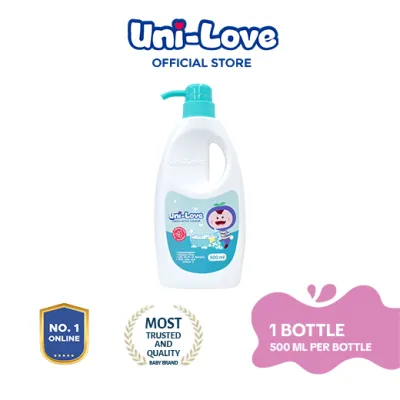
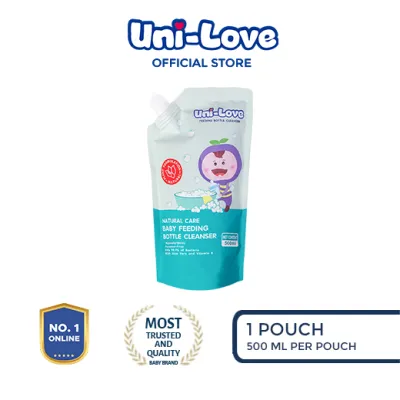
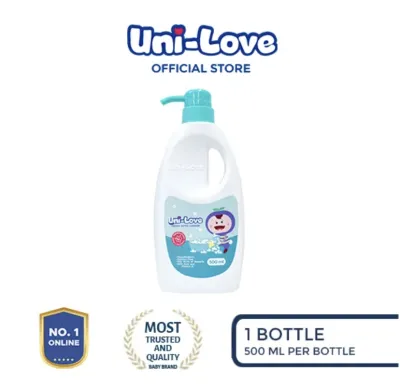
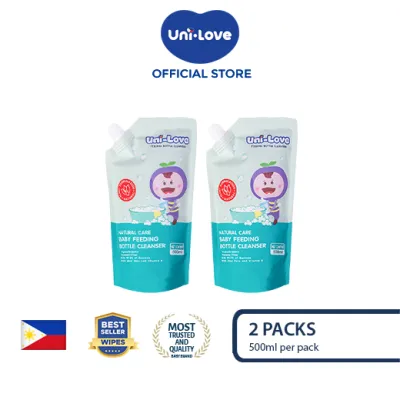
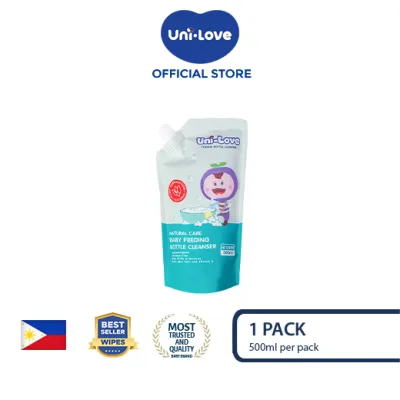
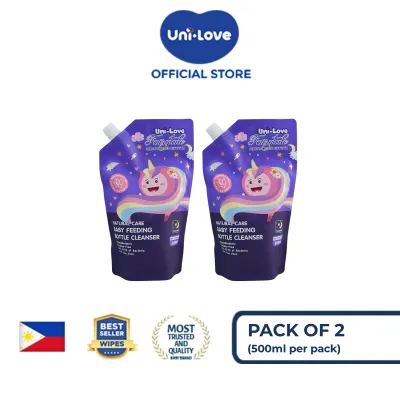
Prices are valid at publication and may change. Please refer to the product page for the latest price.
How Different Bottle Materials React to Cleansers
Every material used in baby bottles possesses distinct physical and chemical properties. Understanding how these materials interact with water, milk fats, and active cleaning agents allows you to tailor your daily maintenance routine and protect your investment.
Glass Bottles
Glass remains a popular choice for parents prioritizing durability and chemical inertness. Because glass is entirely non-porous, it features an incredibly smooth surface that does not absorb food odors, retain stubborn milk lipids, or harbor deep-seated bacterial colonies.
When exposed to baby bottle cleansers, glass does not undergo any chemical degradation or stress cracking. The primary hazard associated with glass feeding bottles is physical damage rather than chemical incompatibility. You must exercise caution to prevent accidental drops, chips, or thermal shock, which can occur if you transition the bottle too rapidly between freezing temperatures and boiling water.
Plastic Bottles (PP, PPSU, PES)
Plastic baby bottles are lightweight and shatterproof, making them highly practical for daily use. Polypropylene (PP) is the most common plastic, characterized by its slightly cloudy appearance, while polyphenylsulfone (PPSU) and polyethersulfone (PES) offer higher heat resistance and a distinct honey-colored tint.
Despite their convenience, all plastics are physically vulnerable to micro-scratches. Using abrasive cleaning tools or harsh, highly alkaline household dish soaps can create microscopic grooves on the inner walls of the bottle. These tiny scratches easily trap milk proteins, fats, and bacteria, making the bottle increasingly difficult to sanitize over time.
To maintain the structural integrity of plastic bottles, you must use a mild, non-abrasive liquid cleanser. A gentle formula prevents the plastic from becoming prematurely cloudy, brittle, or degraded. If you notice persistent cloudiness or fine cracks in your plastic bottles, the material has likely reached the end of its usable lifespan and should be replaced.
Silicone Bottles and Nipples
Silicone is widely utilized for flexible bottle bodies, transition cups, and bottle nipples due to its soft, breast-like texture. Unlike glass, silicone is slightly porous, meaning it can gradually absorb strong artificial fragrances, essential oils, and organic milk fats if not cleaned promptly and thoroughly.
If a bottle cleanser contains heavy synthetic perfumes or relies on oily moisturizing agents, the silicone components can retain these scents. This residue can alter the taste of the milk, potentially causing your baby to reject the bottle during feeding. Furthermore, residual milk fats that are not properly dissolved can oxidize, leaving a sticky, yellowed film on the nipple.
An effective silicone-safe cleanser must be formulated to cut through stubborn milk lipids cleanly without leaving behind strong artificial scents or chemical residues. It must rinse away completely with water, ensuring the silicone remains clean, odorless, and structurally sound.
How to Verify if Uni Love is Right for Your Specific Bottles
Before introducing any new cleaning product to your baby’s feeding routine, taking a few minutes to verify compatibility can prevent damage to expensive specialty bottles.

Checking the Cleanser Label
When examining a bottle of Uni Love baby bottle cleanser, look closely at the ingredient callouts and safety claims printed on the packaging. You will typically find terms such as “plant-based,” “natural enzymes,” or “fragrance-free.” Understanding these terms helps you evaluate how the formula will behave on different surfaces.
- Plant-Based Surfactants: These cleaning agents are derived from natural sources like coconut or corn. They are highly effective at breaking the surface tension of water to lift away grease, yet they rinse off much cleaner than synthetic, petroleum-based alternatives.
- Enzyme-Based Formulas: Natural enzymes specifically target and break down stubborn milk proteins and starches. This is highly beneficial for preventing the white, cloudy protein film that often builds up inside plastic bottles.
- Fragrance-Free or Low-Fragrance: Minimizing added perfumes reduces the risk of scent absorption in porous silicone nipples, keeping the taste of your baby's milk neutral.
Checking Bottle Manufacturer Guidelines
Always consult the care leaflet or instruction manual that accompanied your baby bottles. High-quality bottle brands often outline specific washing parameters to preserve their proprietary designs.
For instance, some bottles utilize specialized anti-colic vent systems with ultra-thin silicone membranes, while others feature external temperature-sensitive print or internal anti-adhesion coatings. The manufacturer may explicitly warn against using cleansers containing specific enzymes, high concentrations of citrus extracts, or heavy surfactants that could degrade these delicate components. If the bottle manufacturer’s instructions conflict with the cleanser’s label, prioritize the bottle manufacturer’s guidelines to avoid damaging the product.
Low-Risk Patch Testing
If you are using a new bottle brand or are concerned about how a specific material will react to a new cleanser, perform a simple, low-risk patch test. This step is highly recommended before washing an entire batch of expensive feeding equipment.
- Select a Test Subject: Use an older, spare silicone nipple, a pacifier, or an expired bottle part of the same material.
- Apply the Cleanser: Dilute a small drop of the cleanser in warm water and wash the test item thoroughly.
- Observe and Inspect: Allow the item to dry completely, then inspect it closely under good lighting. Check for any unusual texture changes, such as a sticky or tacky surface, swelling of the silicone, or localized discoloration. If the material remains clear, firm, and odorless, the cleanser is highly likely to be compatible with your primary bottles.
Safe Washing and Drying Practices for Long-Lasting Bottles
Even the mildest cleanser requires proper washing and drying techniques to ensure your baby’s bottles remain hygienic and durable over months of repeated use.
Tool Selection
The tools you use to apply your bottle cleanser play a significant role in preserving your bottle materials. Avoid using standard household kitchen sponges or stiff-bristled wire brushes, as these can easily scratch plastic and silicone surfaces.
Instead, invest in dedicated bottle cleaning tools. Soft-bristle nylon brushes, sponge-tipped brushes, or modern silicone bottle wands are ideal for plastic and silicone bottles because they clean effectively without scratching. While durable glass bottles can tolerate firmer brushes, using soft-bristled tools across all materials is a safe practice that prevents accidental damage to external measurement markings.
Rinsing and Drying
Thorough rinsing is a critical step that should never be rushed. After scrubbing your bottles with the cleanser, rinse each component under clean, running water until all traces of soapy bubbles and slippery residue are completely gone.
In the warm and humid tropical climate of the Philippines, drying practices require extra vigilance. High humidity levels create an environment where mold, mildew, and bacteria can rapidly multiply on damp surfaces. To prevent this, do not leave wet bottles sitting in a closed sink area or nested inside one another.
Immediately after rinsing, place all bottle parts, nipples, and collars on a clean, elevated drying rack. Position the rack in a well-ventilated area of your kitchen, away from cooking grease and household dust. Ensure that bottles are inverted so water drains out completely, and allow them to air-dry fully before assembly or storage.
When to Stop Using a Cleanser
Regularly inspect your baby’s feeding equipment during the washing process. You should stop using a specific cleaning routine or replace your bottle components if you observe any of the following warning signs:
- Persistent Sticky Residue: If silicone nipples feel sticky or tacky even after thorough washing, rinsing, and drying, the material may be breaking down or retaining oxidized milk fats.
- Lingering Soap Perfume: If your baby consistently rejects the bottle or if you detect a strong soapy odor coming from the silicone parts after drying, the cleanser's fragrance may be trapping inside the material.
- Cloudiness and Discoloration: While some plastic bottles naturally cloud over time due to heat sterilization, sudden cloudiness, white film, or yellowing can indicate chemical stress or heavy mineral buildup from your local water supply.
- Physical Deformation: Any warping, stretching, or thinning of silicone nipples compromises flow rate and safety. If a nipple loses its original shape, discard it immediately and consult a healthcare professional if you have concerns about your baby's feeding safety.
Frequently Asked Questions (FAQ)
Can I use Uni Love cleanser to wash breast pump parts and teethers?
Yes, mild baby bottle cleansers are generally safe and highly effective for washing breast pump flanges, connectors, collection bottles, and solid silicone teethers. Because these items frequently come into contact with breast milk or your baby’s mouth, removing milk fats and saliva residue is essential.
However, you must exercise extreme care when cleaning delicate breast pump components, such as thin silicone membranes, duckbill valves, and backflow protectors. Never use harsh scrubbing tools on these fragile parts, as even minor tears can destroy the pump’s vacuum suction. Always refer to your breast pump manufacturer’s manual for specific care and cleaning instructions, and ensure that no liquid enters the motorized pump unit.
Do I still need to sterilize bottles after washing them with a cleanser?
Yes, washing with a bottle cleanser and sterilizing are two distinct and necessary steps in baby bottle hygiene. Washing with a cleanser is designed to physically remove organic matter, including milk fats, proteins, and sugars, which water alone cannot dissolve. This physical cleaning is a mandatory first step because sterilization cannot be fully effective if milk residue remains on the surface.
Sterilization, on the other hand, uses heat or specialized light to eliminate microscopic pathogens, bacteria, and viruses that may survive the washing process. Especially for newborns, preterm infants, or babies with compromised immune systems, sterilizing washed bottles via boiling, steam, or UV sterilization is highly recommended. Always verify your bottle manufacturer’s heat and UV tolerance limits before sterilizing to prevent warping or material degradation.

Community discussion
Share your experience or ask a question. Comments are reviewed before publication.