
Ensuring the safety of your baby’s feeding equipment is a top priority for parents in the Philippines, where the tropical, humid climate creates an environment where bacteria and mold can rapidly multiply on damp surfaces. When choosing a cleaning agent, many parents turn to specialized products like the uni love baby bottle cleanser to wash their baby’s bottles, nipples, and pump parts. However, verifying whether a cleanser is safe for every material in your feeding setup is crucial for preventing chemical residue, material degradation, and potential health risks.
The safety of any baby bottle cleanser depends heavily on its specific formulation, proper dilution, and thorough rinsing. While baby-specific cleansers are generally engineered to be mild and compatible with common feeding materials—such as glass, food-grade silicone, and standard plastics—parents must always verify the manufacturer’s label for explicit material compatibility. Safe usage requires following instructions precisely to prevent chemical residue or material degradation over time.
Quick Answer: Is Uni Love Baby Bottle Cleanser Safe for All Bottle Types?
Specialized baby bottle cleansers, including the uni love baby bottle cleanser, are formulated to be significantly gentler than standard household dishwashing liquids. They are designed to target and break down stubborn milk proteins and fats without relying on harsh industrial degreasers. This makes them generally safe for the primary materials used in modern infant feeding systems, including borosilicate glass, food-grade silicone, and various plastics.
Products mentioned in this guide
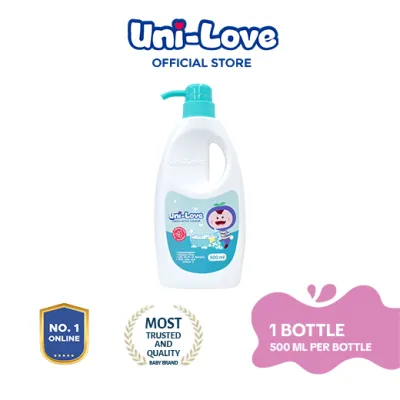
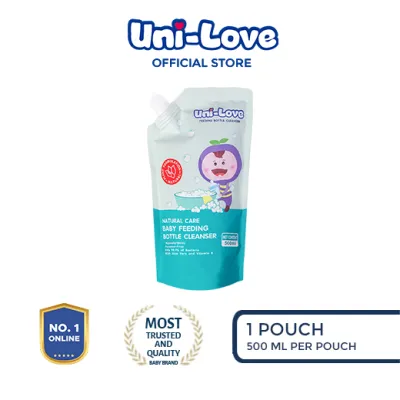
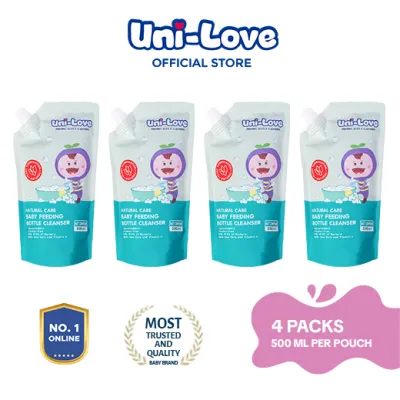
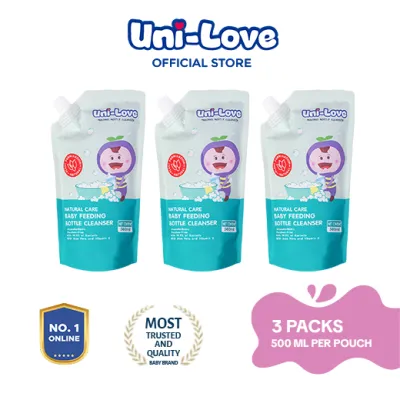
Prices are valid at publication and may change. Please refer to the product page for the latest price.
However, “safe for all materials” is a conditional safety standard rather than an absolute guarantee. The safety and longevity of your bottles depend on how the cleanser is applied. Factors such as water temperature, brush type, dilution ratios, and rinsing thoroughness play a major role in material preservation. For instance, using an incorrect dilution ratio or failing to rinse thoroughly can lead to surfactant buildup, which may degrade softer materials like silicone nipples over time.
Before using any cleanser on your feeding setup, it is essential to cross-reference the care instructions provided by your bottle manufacturer with the directions on the cleanser’s packaging. Some specialty bottles, particularly those with active anti-colic valves or specialized internal coatings, may have specific washing restrictions that rule out certain types of soapy cleansers altogether.
How to Evaluate Ingredients on the Cleanser Label
Reading the ingredient panel of a baby bottle cleanser is the most reliable way to verify its safety and compatibility with your feeding setup. Formulations can change over time due to manufacturing updates, so parents should make it a habit to inspect the label directly rather than relying solely on front-of-package marketing claims.

Surfactants and Cleaning Agents
Surfactants, or surface-active agents, are the primary ingredients responsible for lifting grease, milk fats, and proteins from the bottle surface so they can be washed away easily. When evaluating a baby bottle cleanser, look for plant-derived or mild surfactants on the ingredient panel. Common examples of gentler, plant-based cleaning agents include:
- Coco-Glucoside: A mild, non-ionic surfactant derived from coconut and fruit sugars.
- Decyl Glucoside: Another biodegradable, plant-derived surfactant known for its low irritation profile.
- Cocamidopropyl Betaine: An organic compound derived from coconut oil that helps create a mild lather.
These plant-based alternatives are preferred over harsh synthetic detergents such as Sodium Lauryl Sulfate (SLS) or Sodium Laureth Sulfate (SLES). While SLS and SLES are highly effective degreasers commonly found in adult dish soaps, they can be difficult to rinse completely from plastic and silicone surfaces. Any lingering residue from these industrial-strength surfactants can cause oral irritation or alter the taste of the milk, potentially leading to bottle rejection.
Preservatives, Fragrances, and Additives
Preservatives are necessary in liquid cleansers, especially in warm and humid environments like the Philippines. Without them, water-based cleaning products would quickly become breeding grounds for bacteria, mold, and yeast. However, the type of preservative used matters immensely for infant safety. Parents should check the label to ensure the formulation is free from harsh preservatives, including:
- Parabens (such as methylparaben, propylparaben, or butylparaben)
- Formaldehyde-releasing agents
- Methylisothiazolinone (MIT) and Methylchloroisothiazolinone (CMIT), which are known skin sensitizers and allergens.
Fragrances are another critical element to inspect. While a pleasant scent might make the washing process more enjoyable for parents, fragrance-free or unscented options are highly recommended for baby items. Synthetic fragrances are composed of complex chemical mixtures, including phthalates, which can linger on porous silicone nipples and plastic bottle walls. This lingering scent can irritate your baby’s highly sensitive olfactory system or make the milk taste unusual.
If a cleanser does contain a scent, ensure it is derived from food-grade, natural sources or essential oils in extremely low concentrations, and verify that your baby shows no signs of sensitivity. Additionally, avoid cleansers containing artificial dyes or colorants, as these serve no functional cleaning purpose and only introduce unnecessary chemical exposure. Look for labels indicating that the product is “hypoallergenic” or “dermatologically tested,” which signifies that the formula has undergone clinical patch testing to minimize skin irritation for the parent’s hands and oral irritation for the infant.
Checking Compatibility With Glass, Plastic, and Silicone
Baby bottles are rarely made of a single material; they typically consist of a glass or plastic body, a silicone nipple, and a plastic collar or cap. Each of these materials interacts differently with cleansers and physical cleaning tools.
Glass and Silicone Components
Borosilicate glass is highly durable, non-porous, and chemically inert. It does not absorb odors, stains, or chemical residues, making it highly compatible with almost all baby-safe cleansers. Glass can withstand repeated washings and high-temperature sterilization without degrading, cracking, or clouding. When washing glass bottles, the primary concern is physical damage (such as chips or cracks) rather than chemical degradation from the cleanser.
Silicone, which is commonly used for nipples, anti-colic valves, and straw components, requires much more careful monitoring. Although food-grade silicone is highly heat-resistant and flexible, it is inherently semi-porous. This means it can absorb oils from breast milk or formula, as well as surfactants and fragrances from cleansers over time.
To ensure your cleanser is compatible with your silicone components, perform regular visual and tactile inspections:
- Check for cloudiness: A foggy appearance that does not wash away can indicate surfactant buildup or mineral deposits from hard water.
- Test for stickiness: If the silicone nipple feels sticky, tacky, or greasy even after being washed and dried, the material is beginning to degrade and must be replaced immediately.
- Monitor texture changes: Stiffness, cracking, or stretching of the nipple tip indicates that the silicone has lost its structural integrity, which can pose a choking hazard or alter the milk flow rate.
Plastics (PP, PPSU, PES)
Plastic baby bottles are manufactured using several different types of polymers, each with its own level of chemical resistance and durability:
- Polypropylene (PP): The most common and affordable bottle plastic. It is slightly cloudy or translucent. PP is relatively soft, making it highly susceptible to micro-scratches from stiff bottle brushes. These micro-scratches can trap milk fats, bacteria, and cleanser residues.
- Polyphenylsulfone (PPSU) and Polyethersulfone (PES): Premium, medical-grade plastics characterized by a natural honey-gold or amber tint. They are highly durable, scratch-resistant, and chemically stable, meaning they resist degradation from surfactants much better than PP.
Regardless of the specific plastic type, exposure to incompatible surfactants, harsh scrubbing, or incorrect dilution ratios can accelerate the aging of plastic bottles. When plastic degrades, it can release microplastics or absorb soapy odors that are highly resistant to rinsing.
To protect your plastic bottles, always use a soft sponge or a silicone bottle brush rather than a stiff nylon bristle brush. Check both the bottle manufacturer’s care instructions and the cleanser label to ensure compatibility. If you notice persistent cloudiness, a soapy smell that remains after thorough rinsing, or any structural warping or cracking, discontinue use of the bottle immediately.
How to Prevent Residue and Chemical Exposure
Even the mildest baby bottle cleanser can leave behind unwanted residue if it is not used correctly. Implementing a precise, consistent cleaning routine is the best way to protect your baby from chemical exposure and ensure your feeding equipment remains hygienic.
- Follow Proper Dilution: Many parents mistakenly believe that using more soap results in a cleaner bottle. In reality, applying concentrated cleanser directly to a bottle brush makes rinsing incredibly difficult and significantly increases the risk of leaving a soapy film. Always follow the exact dilution ratio specified on the cleanser's label. Typically, this involves mixing a small, measured amount of cleanser (such as one or two pumps) into a basin of warm water rather than applying it directly to the dry bottle.
- Employ Thorough Rinsing Techniques: Rinsing is the most critical step in preventing chemical residue. Always wash and rinse bottle components individually. Disassemble every bottle completely, removing the nipple from the collar and detaching any anti-colic valves or straws. Rinse each part under clean, warm running water. Pay close attention to high-friction areas where soap bubbles easily trap, such as the screw threads on the bottle neck, the interior tip of the silicone nipple, and the tiny crevices of anti-colic valves. Use specialized, small detail brushes to clean these hard-to-reach areas without damaging the delicate silicone.
- Ensure Proper Drying and Storage: In the Philippines, the high ambient humidity can make drying baby bottles a slow process. Trapping moisture inside a partially assembled bottle creates a perfect breeding ground for mold and bacteria. After rinsing, place all components completely disassembled on a clean, elevated drying rack in a well-ventilated area. Avoid placing wet bottles on flat dish towels, which can trap moisture and transfer lint or bacteria to the clean components. Allow everything to air-dry completely before reassembling or storing the bottles in a closed, dust-free cabinet.
Signs You Should Stop Using the Cleanser
Monitoring your baby’s health and the physical condition of your feeding equipment will help you determine if your current bottle cleanser is suitable. You should discontinue use of the cleanser and re-evaluate your setup if you observe any of the following warning signs:
- A Persistent Soapy Smell or Taste: If your baby's bottles or silicone nipples retain a distinct soapy scent even after thorough rinsing and drying, or if your baby suddenly rejects the bottle or shows fussiness during feeds, there may be a surfactant film transferring to the milk.
- Visible Film or Cloudiness: The appearance of a dull, white, or greasy film on the interior walls of glass or plastic bottles that does not disappear after rinsing.
- Material Degradation: Rapid discoloration, peeling, cracking, or warping of plastic bottles, or silicone nipples that become sticky, tacky, or lose their original shape.
- Baby's Physical Reactions: Any signs of oral irritation, redness around the baby's mouth, unexpected spitting up, or changes in feeding behavior after introducing a new cleanser.
Safety Warning: If your baby shows any adverse physical reactions, signs of allergic response, or if you suspect chemical ingestion from improperly rinsed bottles, stop using the cleanser immediately and consult a pediatrician or qualified healthcare professional.
Frequently Asked Questions (FAQ)
Can I use regular dish soap instead of a baby bottle cleanser?
Regular household dishwashing liquids are formulated to cut through heavy grease on adult cookware and plates. Consequently, they contain much stronger synthetic surfactants, intense artificial dyes, and heavy fragrances that are highly resistant to rinsing. These chemicals can easily absorb into porous silicone nipples and plastic baby bottles, leaving behind a persistent residue and scent. Baby bottle cleansers are specifically engineered with milder, often plant-derived ingredients designed to target milk proteins and fats specifically, ensuring they rinse away cleanly without leaving harmful chemical residues that could irritate your baby’s digestive tract.
Do I need to sterilize bottles if I use a baby bottle cleanser?
Yes, cleaning and sterilizing serve two entirely different functions in baby bottle hygiene. Washing bottles with a baby bottle cleanser is the essential first step that physically removes organic matter, milk fats, and protein residues where bacteria thrive. However, washing alone does not eliminate all pathogenic microorganisms. Sterilization—whether through boiling water, steam sterilizers, or UV sterilizers—uses heat or ultraviolet light to destroy remaining bacteria, viruses, and mold spores. Parents should follow their pediatrician’s guidance on sterilization frequency, which is typically recommended at least once daily for newborns, premature infants, or babies with developing immune systems.

Community discussion
Share your experience or ask a question. Comments are reviewed before publication.