
Determining whether Tiny Buds Malunggay is safe to take during pregnancy requires a careful look at the product’s specific formulation, dosage, and regulatory status, alongside direct clearance from your obstetrician. While malunggay, also known as moringa, is a staple vegetable in Filipino households, concentrated supplements carry a very different safety profile compared to fresh leaves cooked in a family meal. Expecting mothers must evaluate the exact product label and consult their healthcare provider before introducing any new supplement to their daily routine.
Pregnancy introduces unique physiological changes that alter how your body processes nutrients, herbs, and active compounds. What is perfectly safe for a non-pregnant adult can sometimes pose unexpected risks to a developing fetus or affect uterine stability. For this reason, navigating the world of prenatal wellness requires a cautious, evidence-based approach that prioritizes professional medical guidance over general wellness trends.
Understanding Malunggay Supplements During Pregnancy
To understand the safety of any malunggay supplement, it is essential to distinguish between dietary malunggay and concentrated supplement forms. Fresh malunggay leaves are a common ingredient in traditional Filipino dishes like tinola and ginisang monggo. When consumed as part of a balanced diet, these cooked leaves are widely considered safe and highly nutritious, offering a natural source of vitamins and minerals.
Products mentioned in this guide
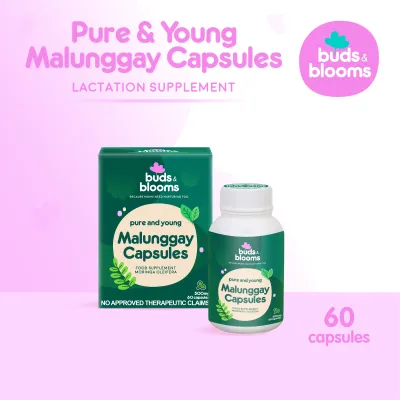
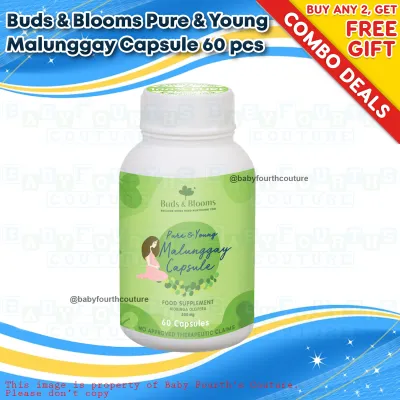
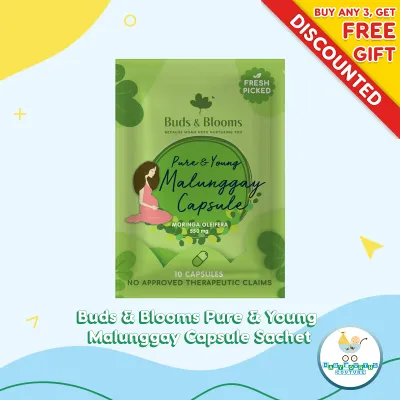

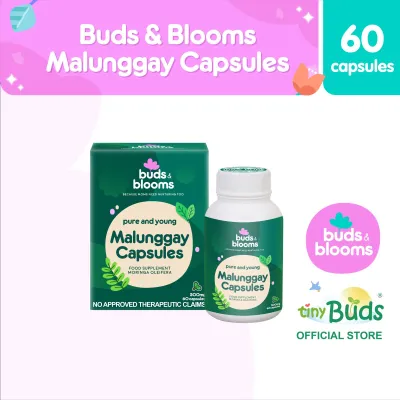
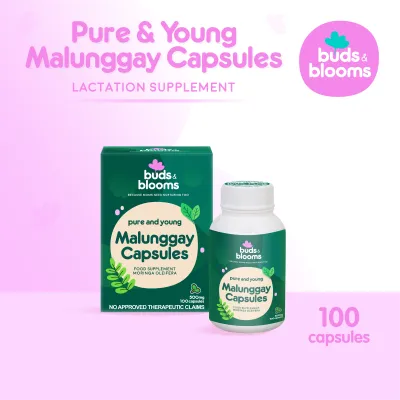
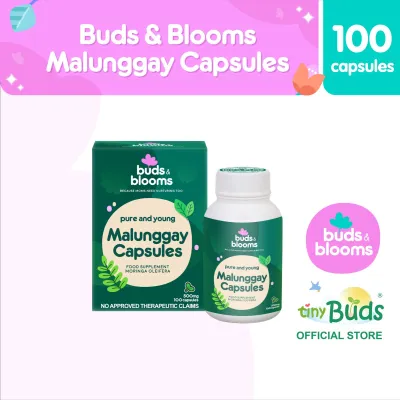
Prices are valid at publication and may change. Please refer to the product page for the latest price.
However, concentrated extract supplements, such as capsules, tablets, or liquid drops, are fundamentally different from culinary preparations. These products undergo extraction processes that concentrate the active botanical compounds, delivering a much higher dose per serving than you would typically consume from a bowl of soup. Because these doses are highly concentrated, their physiological effects on a pregnant body are much more pronounced.
The safety of any herbal supplement during pregnancy depends heavily on the specific dosage, the extraction methods used, and any additional active ingredients or fillers in the formulation. For instance, while the leaves of the moringa tree are generally associated with nutritional benefits, other parts of the plant, such as the roots, bark, and seeds, contain compounds that can trigger uterine contractions or interfere with systemic hormones. If a supplement contains extracts from these parts, or if the extraction process does not isolate the leaves cleanly, it could pose a risk to the pregnancy.
The general medical consensus regarding high-dose herbal supplements during pregnancy is one of extreme caution. Because clinical trials on pregnant women are ethically restricted, there is a lack of robust, large-scale scientific data proving the absolute safety of concentrated moringa extracts during gestation. Consequently, healthcare providers typically advise against starting high-dose herbal supplements unless they are specifically evaluated and approved for your individual health profile.
How to Verify the Safety of Tiny Buds Malunggay
When evaluating Tiny Buds Malunggay or any similar product, your first step should always be a thorough inspection of the product packaging. Carefully read the ingredient list to identify the exact dosage of malunggay extract per serving. Check whether the product contains only pure leaf extract or if it includes other active ingredients, preservatives, binders, or fillers that might not be recommended for pregnant women.

Next, verify the regulatory status of the supplement within the local market. In the Philippines, reputable dietary supplements should be registered with the Food and Drug Administration (FDA). You can use the official FDA Verification Portal online to check if the product has a valid Certificate of Product Registration (CPR). A registered product has undergone regulatory review for quality and manufacturing standards, which helps protect you from contaminated or mislabeled supplements.
Even if a supplement is registered and widely available, you must bring the exact product packaging or a clear photograph of the ingredient label to your next prenatal checkup. Your obstetrician is the only person who can provide personalized medical clearance based on your specific health history. Your doctor will evaluate the supplement’s ingredients in the context of your current gestational age, any pre-existing conditions, and the other prenatal vitamins or medications you are already taking.
Never rely solely on online reviews, parenting forums, or social media recommendations when deciding to take a supplement during pregnancy. What worked safely for one mother might not be appropriate for you, especially if you have specific risk factors such as gestational diabetes, hypertension, or a history of preterm labor. Your healthcare provider’s individualized assessment is the most reliable tool for ensuring both your safety and the safety of your baby.
Precautions, Side Effects, and When to Stop
While malunggay is celebrated for its nutritional properties, concentrated herbal supplements can still cause adverse reactions in sensitive individuals. Some expecting mothers may experience mild digestive side effects when introducing a new supplement. These symptoms can include mild stomach upset, nausea, gas, or loose stools, which can be particularly uncomfortable during pregnancy when the digestive tract is already slowed down by hormonal changes.
More importantly, you must remain vigilant for any red-flag symptoms that could indicate a serious complication. If you experience unusual abdominal cramping, uterine tightening, spotting, or any vaginal bleeding after starting a supplement, you must stop taking it immediately. These symptoms require urgent medical evaluation, as they could be signs of uterine irritation or early labor.
If you experience any adverse reactions, do not attempt to self-manage the symptoms or wait for them to resolve on their own. Discontinue the supplement completely and contact your obstetrician or visit your healthcare facility. It is always safer to err on the side of caution and have a professional evaluate your symptoms rather than assuming they are a harmless reaction to a dietary change.
Additionally, if you are scheduled for any medical procedures, including a planned cesarean section, you must inform your doctor about all herbal supplements you are taking. Some botanical extracts can affect blood clotting or interact with anesthesia, making it necessary to stop taking them several weeks before any scheduled surgery.
Safe Ways to Include Malunggay in a Pregnancy Diet
If your obstetrician advises against taking concentrated malunggay supplements, you can still safely enjoy the nutritional benefits of this plant through your regular diet. Incorporating fresh or dried malunggay leaves into your meals is a traditional, low-risk alternative that allows you to absorb essential vitamins and minerals in a natural, food-safe format.
You can easily add fresh malunggay leaves to standard Filipino dishes such as chicken tinola, ginisang monggo, or vegetable broths. When preparing these meals, ensure you use only the green leaves and discard any tough stems, bark, or roots, as these non-leaf parts are not suitable for consumption during pregnancy. Cooking the leaves thoroughly in boiling broth helps break down tough fibers and ensures they are easy to digest.
To maintain food safety, always wash fresh malunggay leaves thoroughly under clean, running water before cooking them. Raw produce can carry soil residues contaminated with harmful pathogens such as Toxoplasma gondii or Listeria monocytogenes. These foodborne pathogens pose severe risks to pregnant women and developing fetuses, so meticulous washing and thorough cooking are essential steps in your kitchen routine.
Keep your dietary portions moderate and balanced. While fresh malunggay is highly nutritious, it should be consumed as part of a varied diet that includes a wide range of vegetables, proteins, and whole grains. Relying on a diverse selection of whole foods is the best way to support your body’s nutritional needs throughout your pregnancy journey.
Frequently Asked Questions (FAQ)
Can I take malunggay capsules in my first trimester?
The first trimester is a critical phase of pregnancy characterized by rapid embryonic development and organogenesis. Because the developing baby is highly vulnerable to external substances during these early weeks, medical professionals recommend extreme caution regarding any non-food supplements. You should avoid starting any new malunggay capsules or herbal extracts during the first trimester without direct clearance from your obstetrician, as unverified concentrated doses could potentially affect uterine stability or early fetal development.
Does malunggay help with pregnancy-related anemia?
While malunggay leaves are a natural source of iron, vitamins, and minerals, they should not be used as a primary treatment or substitute for pregnancy-related anemia. The iron found in plant sources is non-heme iron, which is absorbed less efficiently by the body compared to the heme iron found in animal products. If you are diagnosed with anemia during pregnancy, your doctor will prescribe specific, highly absorbable prenatal iron supplements and monitor your blood levels closely. Always follow your healthcare provider’s targeted treatment plan rather than relying on herbal supplements to manage iron deficiency.

Community discussion
Share your experience or ask a question. Comments are reviewed before publication.