
Selecting the right prenatal vitamin is one of the most impactful decisions you can make during your pregnancy journey. A high-quality prenatal supplement should contain critical nutrients like folic acid, iron, calcium, vitamin D, and docosahexaenoic acid (DHA). These elements work together to support your changing body and fuel your baby’s rapid development from conception through delivery.
While a balanced diet rich in local fruits, vegetables, and proteins is the foundation of pregnancy wellness, meeting the elevated nutritional demands of gestation through food alone can be challenging. Prenatal vitamins act as a reliable safety net, bridging nutritional gaps to ensure both maternal health and optimal fetal growth.
Why Prenatal Vitamins Matter for Fetal Development
During pregnancy, your body undergoes remarkable physiological changes to support a growing life. Your blood volume increases significantly, your metabolism shifts, and your organs work overtime. These changes dramatically raise your daily requirements for specific vitamins and minerals, making targeted supplementation a key component of prenatal care.
Products mentioned in this guide

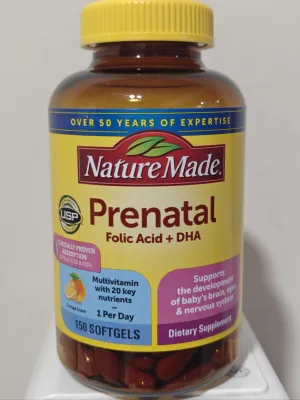
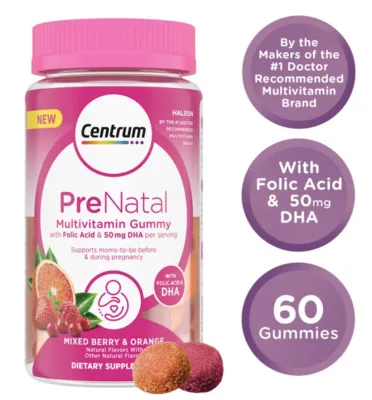
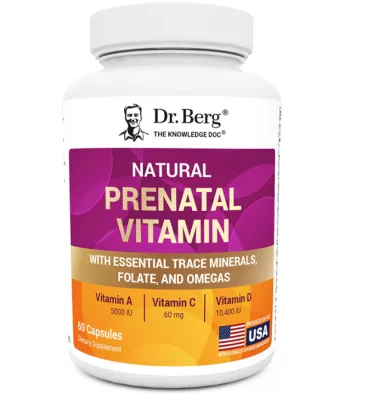
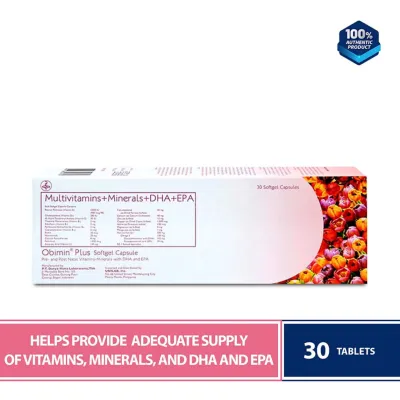
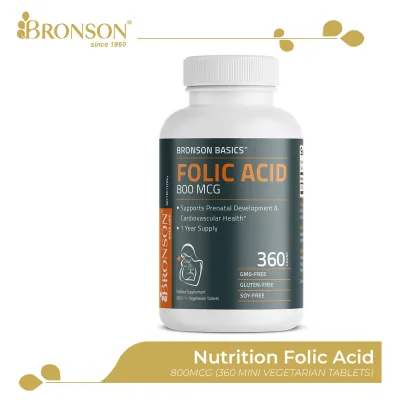
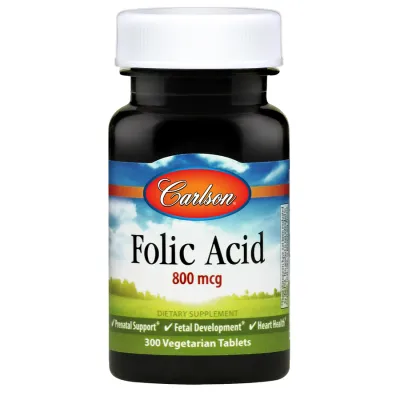
Prices are valid at publication and may change. Please refer to the product page for the latest price.
Fetal development occurs in precise, rapid stages, particularly during the first trimester when major organs and systems begin to form. If your dietary intake falls short of these increased demands, your body will naturally prioritize the baby’s needs, which can deplete your own nutrient stores and leave you feeling fatigued.
However, it is vital to remember that prenatal supplements are designed to complement, not replace, a nutrient-dense diet. Incorporating fresh, whole foods alongside your daily supplement ensures you receive a broad spectrum of macronutrients, fiber, and cofactors that pills alone cannot provide.
Core Nutrients Every Prenatal Vitamin Should Contain
When shopping for a prenatal supplement in local pharmacies or trusted online marketplaces, it is easy to get overwhelmed by attractive packaging and bold marketing claims. To make an informed choice, you must look past the front label and carefully examine the supplement facts panel on the back.

A comprehensive prenatal vitamin should feature a balanced profile of essential micronutrients, each provided in a highly bioavailable form. Verifying the exact chemical forms and dosages listed on the ingredient label ensures you are purchasing a product that your body can efficiently absorb and utilize.
Folic Acid (Folate) and Neural Tube Support
Folate is arguably the most critical nutrient to verify when selecting a prenatal vitamin. This B-vitamin is essential for early cellular division and plays a pivotal role in preventing neural tube defects, which affect the baby’s brain and spinal cord during the first few weeks of pregnancy.
On supplement labels, you will typically see either synthetic folic acid or methylfolate (often listed as L-methylfolate or 5-MTHF). While folic acid is highly stable and widely used, some individuals have genetic variations that make it difficult to convert synthetic folic acid into its active form, making methylfolate a highly bioavailable alternative to look for.
Because the neural tube closes very early in gestation—often before you even realize you are pregnant—healthcare providers strongly recommend starting folate supplementation before conception and continuing throughout the first trimester. Always check the label to ensure the dosage aligns with standard prenatal guidelines, which typically recommend at least 400 to 800 micrograms of dietary folate equivalents daily.
Iron for Blood Volume and Oxygen Transport
Iron is indispensable for supporting the dramatic expansion of maternal blood volume, which increases by up to 50 percent during pregnancy. This mineral is a key component of hemoglobin, the protein in red blood cells that carries oxygen to your organs and directly to the developing placenta.
When reviewing ingredient lists, look for gentle, highly absorbable forms of iron, such as ferrous bisglycinate or carbonyl iron, which are often easier on the stomach than traditional ferrous sulfate. To maximize absorption, consider pairing your iron intake with vitamin C, either within the supplement formulation itself or by consuming a glass of citrus juice.
Iron supplements can sometimes cause digestive discomfort, such as mild constipation or nausea—issues that can feel particularly challenging in hot, humid tropical climates where dehydration is a constant risk. Staying well-hydrated by drinking plenty of clean water throughout the day can help mitigate these side effects. Always verify the exact iron dosage on the label to ensure it matches the specific recommendations of your obstetrician.
Calcium and Vitamin D for Bone Health
Your developing baby requires a steady supply of calcium to build a strong skeletal system, healthy teeth, and functional muscles and nerves. If your daily calcium intake is insufficient, your body will draw this mineral directly from your own bones to supply the fetus, potentially compromising your long-term bone density.
Prenatal vitamins commonly utilize two primary forms of calcium: calcium carbonate and calcium citrate. Calcium carbonate is highly concentrated but requires stomach acid for optimal absorption, meaning it should be taken with food, whereas calcium citrate is more easily absorbed on an empty stomach and is less likely to cause gas or bloating.
Vitamin D is the essential partner to calcium, acting as the biological key that allows your body to absorb calcium efficiently from your digestive tract. When checking product labels, verify that both calcium and vitamin D3 (cholecalciferol) are present in adequate amounts to support this synergistic relationship and maintain your skeletal health.
DHA and Omega-3 Fatty Acids for Brain Development
Docosahexaenoic acid (DHA) is an omega-3 fatty acid that serves as a primary structural block for your baby’s rapidly developing brain and retinas. Adequate DHA intake during pregnancy is closely linked to healthy cognitive function and visual acuity in infants.
On ingredient labels, DHA is typically sourced from either purified fish oil or marine algae. Algae-based DHA is an excellent, sustainable option that is naturally free of ocean contaminants, making it highly suitable for vegetarian or vegan mothers, or those who want to avoid any potential fishy aftertaste.
When evaluating a supplement, look closely at the nutritional breakdown to identify the specific milligrams of DHA and EPA (eicosapentaenoic acid) rather than just the total weight of the “fish oil” or “algae oil” blend. A high-quality prenatal should clearly state the exact amount of active omega-3 fatty acids to ensure you are receiving a therapeutic dose.
Secondary Nutrients and Beneficial Additions
Beyond the core essentials, advanced prenatal formulations often include supportive secondary nutrients that contribute to maternal well-being and fetal health. Iodine is a crucial addition that supports maternal thyroid function, which regulates metabolism and plays a vital role in early fetal brain development. Choline is another increasingly recognized nutrient that works alongside folate to support cellular growth and structural integrity in the baby’s brain.
For mothers experiencing morning sickness, which can be exacerbated by warm tropical weather, B-vitamins—particularly vitamin B6 (pyridoxine)—are highly beneficial additions. Vitamin B6 is widely recognized for its role in helping to manage mild pregnancy-related nausea, making it a comforting ingredient to find on a label.
When deciding whether these secondary nutrients are necessary in your prenatal vitamin, evaluate your daily diet. If you regularly consume iodine-rich foods like seafood or iodized salt, or choline-rich foods like eggs, you may not need high doses in your supplement, whereas those with dietary restrictions may benefit from a more comprehensive formulation.
How to Read Prenatal Vitamin Labels and Verify Quality
Navigating the supplement aisle requires a critical eye to avoid common marketing traps. One major red flag to watch out for is the use of “proprietary blends.” When a manufacturer groups ingredients under a proprietary blend, they are not required to disclose the exact dosage of each individual nutrient, making it impossible to verify if you are getting a safe or effective amount.
Because dietary supplements are not regulated as strictly as prescription medications, verifying quality through independent third-party testing is highly recommended. Look for products that feature verification seals from reputable, independent testing organizations on their packaging, which confirm that the product actually contains the ingredients listed on the label without harmful contaminants.
Additionally, be cautious of fat-soluble vitamins, particularly Vitamin A, which can accumulate in the body and pose risks to fetal development if consumed in excessive amounts. Ensure that a significant portion of the Vitamin A in your prenatal is in the form of beta-carotene—a safe, water-soluble precursor that the body only converts to active Vitamin A as needed—rather than preformed vitamin A (retinyl palmitate or retinyl acetate).
When to Consult Your Healthcare Provider
While understanding label ingredients empowers you to make informed choices, a prenatal vitamin should never be selected in isolation from your professional medical care. If you have pre-existing health conditions, such as thyroid disorders, anemia, or metabolic concerns, or if you are taking daily prescription medications, you must consult your obstetrician before starting any supplement regimen to prevent adverse interactions.
If you experience severe, persistent nausea or vomiting that makes it impossible to swallow or keep down standard prenatal tablets, do not simply stop supplementing. Your healthcare provider can recommend alternative formats, prescribe gentle formulations, or suggest temporary dietary adjustments to ensure you and your baby remain supported.
Furthermore, carrying multiple babies, such as twins or triplets, significantly increases your nutritional requirements. In these cases, standard over-the-counter prenatal vitamins may not provide sufficient levels of iron, folate, or other key nutrients, requiring a customized supplementation plan designed specifically by your doctor.
Frequently Asked Questions (FAQ)
Can I take regular multivitamins instead of prenatal vitamins?
Regular multivitamins are formulated for general adult health and typically lack the specific nutrient ratios required to support a pregnancy. Most standard multivitamins do not contain sufficient amounts of folic acid or iron, both of which are critical for early fetal development and maternal blood expansion. Furthermore, some general multivitamins contain high levels of preformed Vitamin A, which can be harmful to a developing baby if taken in excessive doses during pregnancy.
What should I do if my prenatal vitamin causes nausea?
If your prenatal vitamin triggers stomach upset, try adjusting the timing of your dose by taking it with a hearty meal or right before you go to sleep. You can also explore alternative formats, such as chewable gummies or liquid supplements, which are often gentler on a sensitive stomach. However, be sure to check the labels of gummy vitamins carefully, as they frequently lack iron due to taste formulation challenges, meaning you may need to discuss an additional gentle iron source with your doctor.
Is it safe to take extra supplements alongside my prenatal vitamin?
Taking additional individual supplements alongside a comprehensive prenatal vitamin can increase the risk of nutrient toxicity, particularly with fat-soluble vitamins like vitamins A, D, and E, which accumulate in body tissues rather than being flushed out in urine. To ensure your safety, always bring all your current supplement bottles to your prenatal appointments so your healthcare provider can review the cumulative dosages and help you avoid dangerous overlaps.
Community discussion
Share your experience or ask a question. Comments are reviewed before publication.