
Determining whether Tiny Buds Malunggay is safe to consume during pregnancy and breastfeeding is a vital step in protecting your health and your baby’s development. While malunggay is a celebrated dietary staple in the Philippines, transitioning from fresh leaves in your kitchen to a concentrated commercial supplement requires a careful, structured approach. There is no universal guarantee of safety for any dietary supplement during these sensitive life stages, making individual verification and professional medical consultation absolutely necessary.
This guide provides a practical framework to help you evaluate this specific supplement, understand the critical differences between food-based nutrition and concentrated extracts, and establish clear safety boundaries. By learning how to read product labels, identify potential nutrient interactions, and verify regulatory compliance, you can make an informed decision that supports your maternal wellness journey.
Understanding Malunggay in Maternal Nutrition
Malunggay, scientifically known as Moringa oleifera, is highly regarded for its dense nutritional profile. It naturally contains essential vitamins such as Vitamin A, Vitamin C, and Vitamin E, alongside vital minerals like calcium, iron, and potassium. These nutrients play a supportive role in maternal health, aiding in tissue repair, immune function, and the prevention of nutritional deficiencies during periods of high physiological demand.
Products mentioned in this guide
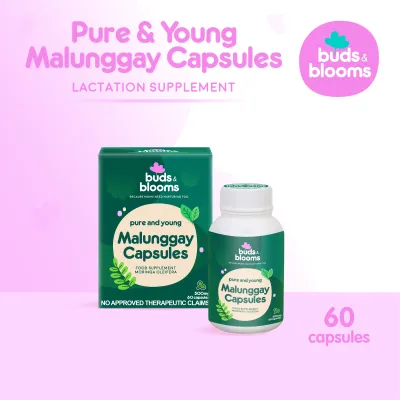



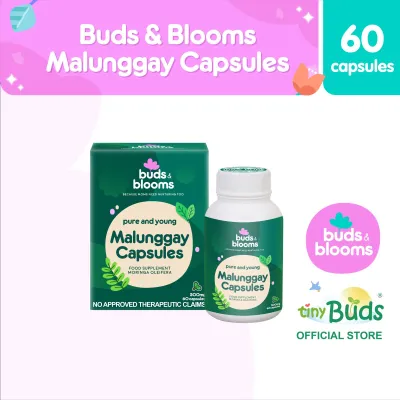
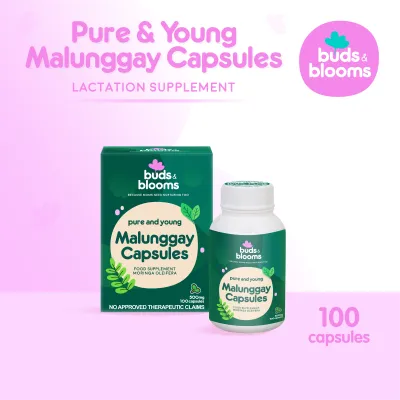
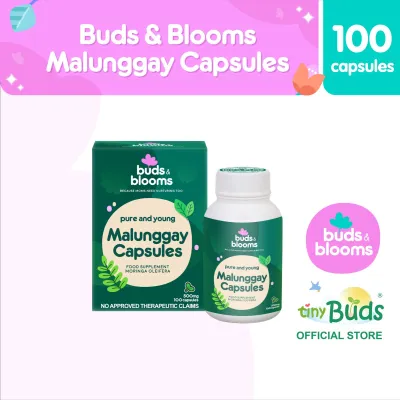
Prices are valid at publication and may change. Please refer to the product page for the latest price.
In the Philippines, fresh malunggay leaves are regularly added to traditional dishes like tinola or bulanglang to support maternal health. This culinary use is widely accepted and generally considered safe because the leaves are consumed in moderate, food-based quantities as part of a balanced diet. The body processes these nutrients gradually alongside other dietary components, minimizing the risk of sudden nutrient spikes.
However, eating fresh leaves cooked in a soup is fundamentally different from consuming a concentrated supplement. A supplement capsule or powder contains highly concentrated extracts of the plant, delivering a much higher dose of active compounds per serving than you would typically consume in a standard meal. This concentration means that traditional culinary safety does not automatically translate to supplement safety.
Because concentrated supplements introduce larger quantities of active botanical compounds to your system, they must be evaluated with a higher level of scrutiny. The physiological effects of concentrated doses on a developing fetus or a nursing infant are more pronounced, making it essential to treat supplements as distinct from everyday food items.
How to Evaluate Tiny Buds Malunggay for Your Safety
To determine if Tiny Buds Malunggay is appropriate for your specific needs, start by conducting a thorough inspection of the product label. Look closely at the ingredient list to identify the exact source of the malunggay, such as pure leaf powder or a concentrated extract, and note the precise dosage per serving. This information is critical for understanding exactly what you are introducing to your body.

Examine the label for any inactive ingredients, fillers, binders, or preservatives. Some individuals may have sensitivities or allergic reactions to these secondary components, which are often necessary to stabilize the supplement but are not present in fresh food. Identifying these ingredients early helps you avoid unnecessary exposure to substances that might trigger adverse reactions.
Carefully read the packaging for any specific manufacturer warnings, contraindications, or age recommendations. Manufacturers of maternal supplements often print specific guidelines regarding use during pregnancy or lactation, which must be followed strictly. If the packaging advises against use during pregnancy or lacks clear safety clearances, you should err on the side of caution.
Do not rely solely on the product packaging; you must consult your obstetrician, midwife, or a certified lactation consultant before starting the supplement. Bring the physical bottle or a clear photograph of the ingredient list and nutrition facts panel to your next prenatal or postpartum appointment. This allows your healthcare provider to review the product in detail.
Your healthcare provider will evaluate the supplement’s dosage in the context of your overall nutritional intake and medical history. They will ensure that adding this product does not cause you to exceed the safe upper limits of any nutrient, especially if you are already taking a comprehensive prenatal multivitamin. This professional review is the most reliable way to safeguard your health.
Precautions, Interactions, and When to Stop
Introducing any new supplement during pregnancy or breastfeeding requires close monitoring for potential adverse reactions. Your body undergoes significant physiological changes during these periods, which can alter how you digest and tolerate concentrated herbal products. What was easily tolerated before pregnancy may cause unexpected sensitivities now.
Watch closely for common signs of supplement sensitivity, such as gastrointestinal discomfort, bloating, nausea, cramping, or mild diarrhea. These symptoms can sometimes occur as your digestive system adjusts to a concentrated source of plant fiber and active nutrients. If these symptoms persist or worsen, it is a clear sign that the supplement may not be suitable for your digestive system.
Be highly aware of the risk of nutrient interactions and toxicity. If you are already taking prescribed prenatal vitamins, adding a concentrated malunggay supplement could lead to an excessive intake of specific vitamins or minerals, such as iron or fat-soluble vitamins like Vitamin A. Unlike water-soluble vitamins, fat-soluble vitamins accumulate in the body’s tissues and can reach levels that are unsafe for a developing fetus.
Your doctor must reconcile all your supplements to prevent this risk of nutrient overload. They will help you balance your intake so that you receive the benefits of maternal nutrition without crossing into toxic thresholds. Never assume that because a supplement is natural, it cannot cause harm when combined with other products.
Establish clear stop-use conditions for your safety. Discontinue the supplement immediately and contact your healthcare provider if you experience any unusual symptoms, such as abdominal pain, uterine cramping, spotting, or changes in fetal movement. These are critical warning signs that require immediate professional medical evaluation.
If you are breastfeeding, monitor your baby closely after you start taking the supplement. Stop use immediately if your infant exhibits signs of digestive distress, unusual fussiness, colic, diarrhea, or unexplained skin rashes. Active compounds can pass through breast milk, and a baby’s developing digestive system is highly sensitive to changes in maternal diet and supplementation.
Verifying Supplement Quality in the Philippines
Ensuring the authenticity and regulatory compliance of your supplements is critical for maternal and infant safety. In the Philippines, dietary supplements are regulated to ensure they meet basic safety and quality standards before they can be sold to the public. Consuming unregistered products exposes you to the risk of contamination or incorrect dosage levels.
Before purchasing Tiny Buds Malunggay, verify that the product is registered with the Philippine Food and Drug Administration (FDA). Look for a valid FDA registration number or a License to Operate (LTO) printed clearly on the packaging. You can cross-reference these numbers on the official Philippine FDA verification portal online to confirm that the registration is active and legitimate.
To minimize the risk of buying counterfeit or improperly stored items, purchase your supplements only from authorized pharmacies, official brand flagship stores, or reputable retail chains. Avoid buying from unverified third-party sellers on online marketplaces or social media platforms, as these channels may not guarantee product authenticity or proper storage conditions.
Improper storage, especially in the high heat and humidity of the Philippine climate, can degrade the quality and safety of dietary supplements. Reputable retailers maintain temperature-controlled environments to preserve product integrity. Exposure to excessive heat and moisture can cause capsules to degrade, reducing their efficacy and potentially causing harmful chemical changes.
Always perform a physical inspection of the packaging before opening the product. Check that the safety seal is completely intact, the expiration date is clearly legible and has not passed, and there are no signs of tampering, water damage, or unusual discoloration on the bottle. If the product appears compromised in any way, do not consume it and return it to the point of purchase.
Frequently Asked Questions (FAQ)
Can I take Tiny Buds Malunggay with my prescribed prenatal vitamins?
You should not combine Tiny Buds Malunggay with your prescribed prenatal vitamins without first consulting your healthcare provider. Prenatal vitamins are carefully formulated to provide the optimal balance of essential nutrients required during pregnancy and lactation. Adding a concentrated herbal supplement can inadvertently lead to an overaccumulation of certain vitamins and minerals, such as iron or Vitamin A, which can be harmful in high doses. To ensure your safety, bring both your prenatal vitamins and the Tiny Buds Malunggay packaging to your doctor so they can perform a comprehensive dosage reconciliation.
Does malunggay increase breast milk supply?
Malunggay has a long-standing traditional reputation in the Philippines as a natural galactagogue, meaning it is widely believed to help support and increase breast milk production. This reputation stems from its rich nutrient profile, which provides essential support to nursing mothers. However, scientific evidence regarding its efficacy as a lactation stimulant remains variable, and individual responses can differ significantly. It is important to remember that no supplement can replace the foundational practices of successful breastfeeding, which include maintaining excellent hydration, nursing or pumping frequently to stimulate demand, and seeking guidance from a certified lactation consultant.
What should I do if I experience side effects after taking it?
If you experience any adverse reactions or side effects after taking the supplement, you must stop consuming it immediately. Do not attempt to lower the dosage or wait to see if the symptoms subside on their own. Keep the product packaging intact, as it contains important information such as the batch number, manufacturing date, and full ingredient list. Document the exact symptoms you experienced, when they started, and how soon they occurred after taking the supplement. Contact your obstetrician, midwife, or pediatrician promptly and share these details to receive appropriate medical guidance.

Community discussion
Share your experience or ask a question. Comments are reviewed before publication.