
Tiny Buds Bottle Wash is generally safe for cleaning PPSU, glass, and silicone baby bottles because of its mild, plant-based formulation. Designed specifically for infant feeding accessories, this cleanser aims to remove stubborn milk fats and proteins without leaving harsh chemical residues behind. However, ensuring complete safety and maintaining the longevity of your baby bottles requires understanding how different materials react to cleaning agents, verifying the specific product label, and practicing proper washing and sterilization techniques.
Understanding PPSU, Glass, and Silicone Material Properties
Before choosing a bottle wash, it is essential to understand the unique properties of your baby’s bottles. Each material has distinct tolerances for heat, physical wear, and chemical exposure, which directly affect how they should be cleaned.
Polyphenylsulfone (PPSU) is a high-performance thermoplastic recognized by its natural honey-colored tint. It offers exceptional heat resistance and durability, making it a popular choice for frequent sterilization. While PPSU is highly resistant to chemical degradation, it is still susceptible to micro-scratches if cleaned with abrasive tools. These tiny scratches can harbor bacteria and make the bottle appear cloudy over time.
Products mentioned in this guide
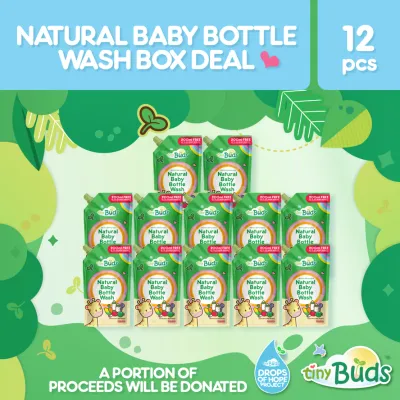
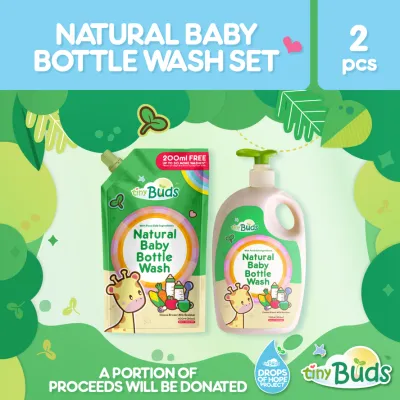
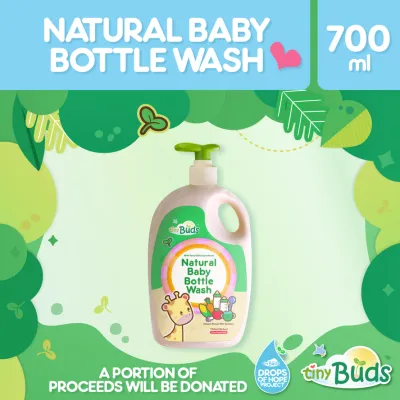
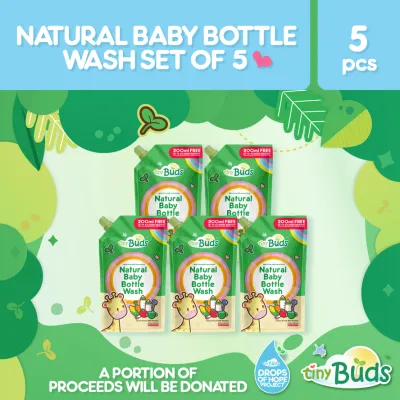
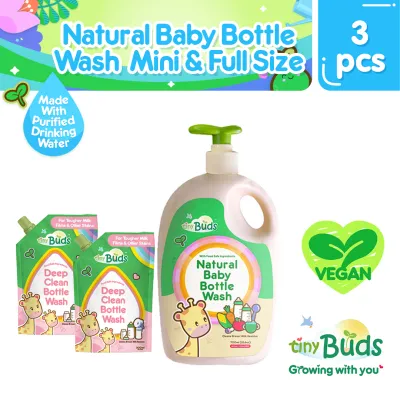
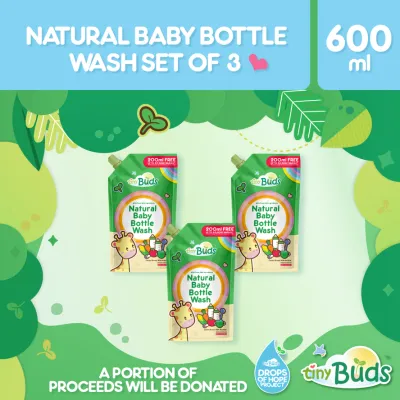
Prices are valid at publication and may change. Please refer to the product page for the latest price.
Glass remains a classic choice due to its outstanding durability and non-porous surface. High-quality borosilicate glass bottles do not absorb odors, stains, or chemical residues, making them exceptionally easy to clean. However, glass is vulnerable to thermal shock, meaning sudden temperature changes can cause it to crack. It is also heavier and prone to breaking if dropped, requiring careful handling during washing.
Silicone is widely used for bottle nipples, valves, and flexible bottle bodies due to its soft, breast-like texture. While food-grade silicone is highly heat-resistant, it is microscopically porous compared to glass and rigid plastics. This porosity means silicone easily absorbs milk fats, mineral deposits, and strong fragrances from detergents. Over time, improper cleaning can lead to a greasy film or persistent sour milk odors.
How to Verify Tiny Buds Bottle Wash Compatibility
To ensure that Tiny Buds Bottle Wash is fully compatible with your specific baby bottles, you should perform a few simple verification steps using the product packaging. Because formulations and certifications can change over time, inspecting the physical label of the bottle you purchase is the most reliable approach.

Start by reading the ingredient list on the back of the Tiny Buds packaging. Look for plant-based surfactants, such as those derived from coconut or corn, which are designed to break down milk fats gently. Verify that the formulation is free from harsh synthetic chemicals, including parabens, artificial colorants, and strong sulfates like SLS or SLES. A gentle, clean-rinsing formula is crucial for preventing chemical buildup on porous silicone.
Next, check the label for recognized safety indicators and testing claims. Look for terms such as “food-grade ingredients,” “biodegradable,” and “dermatologically tested.” These indicators suggest that the cleanser has undergone evaluation to ensure it is gentle on sensitive skin and safe for items that come into direct contact with your baby’s mouth. Verify these claims against the manufacturer’s current documentation for up-to-date compliance.
Finally, scan the packaging for any material-specific warnings or specialized instructions. While plant-based bottle washes are generally versatile, some manufacturers may include specific directions regarding dilution ratios, water temperature, or compatibility with specialized bottle coatings and printed measurements. Following these guidelines helps preserve the external designs and structural integrity of your bottles.
Material-Specific Washing and Rinsing Techniques
Adopting a material-specific cleaning routine is key to preserving your baby bottles and ensuring they are completely free of milk residue and detergent. Using the correct tools and methods prevents premature wear and maintains a hygienic feeding setup.
When using Tiny Buds Bottle Wash, avoid applying the concentrated liquid directly onto dry bottle parts. Instead, dilute a small amount of the cleanser in a basin of warm water. For bottles with stubborn, dried-on milk residue, let them soak in the warm, soapy water for a few minutes. This soaking process allows the plant-based surfactants to loosen milk proteins and fats naturally, reducing the need for vigorous scrubbing.
Choosing the right brush is critical for protecting different bottle materials. For PPSU and silicone parts, always use a soft sponge brush or a dedicated silicone bottle brush. Avoid stiff nylon bristle brushes, as they can easily create microscopic scratches on PPSU plastic and tear delicate silicone nipples. Glass bottles can tolerate firmer brushes, but using a soft sponge or silicone brush is still recommended to prevent accidental chipping around the rim.
Thorough rinsing is the final, crucial step in the washing process. Because silicone is highly porous, pay extra attention to rinsing nipples, valves, and collars under clean, running water. Ensure that all soapy residue is completely washed away, leaving no slippery film or scent behind. In the warm and humid climate of the Philippines, any leftover milk fat or soap residue can quickly spoil, leading to bacterial growth and unpleasant odors.
Safe Sterilization and Maintenance for Each Bottle Type
Once your bottles are thoroughly washed and rinsed, proper sterilization and drying are essential to keep them safe for your baby. Different materials react differently to heat and light, so your sterilization routine must align with each material’s limits.
PPSU, glass, and silicone are generally compatible with standard sterilization methods, including boiling, steam, and UV sterilization. When boiling glass bottles, place them carefully in the pot to prevent them from clanking against each other, and avoid exposing them to sudden temperature drops immediately afterward. For UV sterilizers, check your bottle manufacturer’s manual; while PPSU and glass handle UV light well, some silicone components can degrade, discolor, or become sticky more quickly under repeated UV exposure.
Proper drying is just as important as sterilization, especially in tropical environments where high humidity can slow down the drying process. Place all disassembled bottle parts on a clean, elevated, and well-ventilated drying rack. Avoid using kitchen towels to dry the bottles, as towels can easily transfer lint, dust, and bacteria back onto the sterile surfaces. Allow the parts to air-dry completely before reassembling or storing them.
Regularly inspect your baby bottles to determine when it is time to replace them. Stop using PPSU bottles if they become permanently cloudy, heavily scratched, or warped. Inspect glass bottles daily for any hairline cracks, chips, or sharp edges, and discard them immediately if any damage is found. Silicone nipples should be replaced every few months, or immediately if you notice tears, thinning, stickiness, or a persistent sour odor that does not go away after a thorough wash.
Frequently Asked Questions (FAQ)
Can I use regular dish soap instead of a dedicated baby bottle wash?
Standard household dish soaps are formulated to strip heavy grease from adult cookware and often contain strong surfactants, synthetic fragrances, and artificial dyes. These ingredients can be difficult to rinse completely from baby bottles, especially porous silicone nipples, potentially leaving behind a chemical residue or a strong perfume scent. Dedicated baby bottle washes use milder, food-grade, and plant-based surfactants that rinse away easily without leaving harmful residues or scents that could interfere with your baby’s feeding.
How do I remove milk fat residue from silicone nipples?
Silicone naturally attracts and holds onto milk fats, which can leave a cloudy, greasy film over time. To remove this residue safely, soak the silicone nipples in warm water mixed with a small amount of diluted baby bottle wash. Gently massage the nipple between your fingers to loosen the accumulated fats, taking care not to use sharp brushes or tools that could damage the feeding hole. Rinse the nipples thoroughly under warm running water until they no longer feel slippery.
Does plant-based bottle wash expire or lose effectiveness?
Yes, plant-based bottle washes can expire and lose their cleaning efficacy over time. Because they typically rely on natural preservatives rather than harsh synthetic ones, their shelf life may be shorter than conventional dish soaps. Always check the manufacturing or expiration date printed on your Tiny Buds bottle. To maintain its effectiveness, store the bottle wash in a cool, dry place away from direct sunlight and extreme heat, which can cause the natural ingredients to break down or change in consistency.

Community discussion
Share your experience or ask a question. Comments are reviewed before publication.