
Deciding on the right baby bottle drying method is essential for maintaining infant hygiene and managing daily kitchen workflows. The Muji bottle drying stick is a minimalist, single-point tool designed to absorb residual moisture from narrow vessels, but its utility in a nursery setup requires careful evaluation. While its compact design and moisture-wicking properties are appealing, its performance depends heavily on your daily feeding volume, bottle materials, and the ambient humidity of your home. For parents managing multiple feedings a day, a single-point stick often requires supplementation with larger drying setups or automated systems.
What to Know Before Buying the Muji Bottle Drying Stick
Before adding this minimalist tool to your baby registry or kitchen counter, it is important to understand its material composition and physical limits. The stick is typically crafted from a highly porous material, such as diatomaceous earth or porous ceramic, which naturally draws in liquid through capillary action. You should always check the product packaging or official documentation to verify the exact material composition and ensure it meets your standards for food-contact surfaces. Because these materials can be brittle, they require gentle handling to prevent chipping or cracking during daily use.
Physical compatibility is another crucial factor to verify before purchase. Baby bottles come in a wide variety of shapes, from narrow-neck standard bottles to wide-neck options designed to mimic breastfeeding. You must measure the inner diameter and depth of your specific bottle brands to ensure the drying stick can slide in and out freely without scraping the interior walls. If a stick is too snug, it may become wedged inside the bottle or scratch plastic surfaces, creating microscopic grooves where bacteria can accumulate.
Products mentioned in this guide
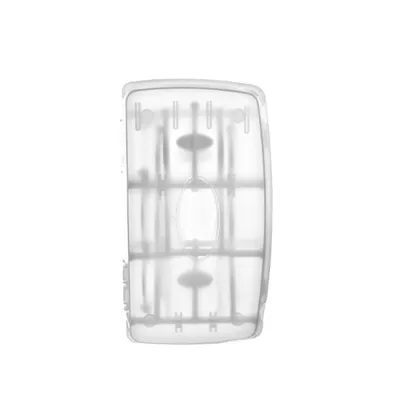
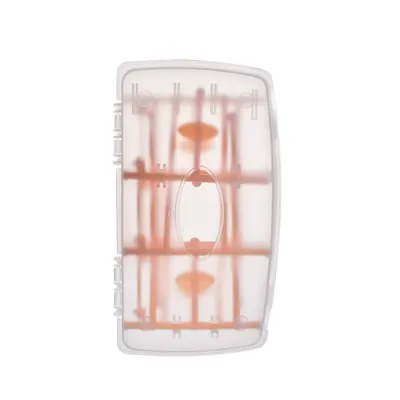
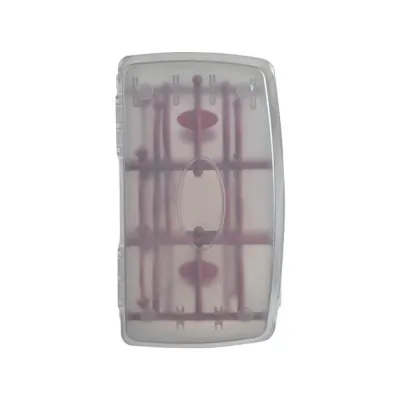
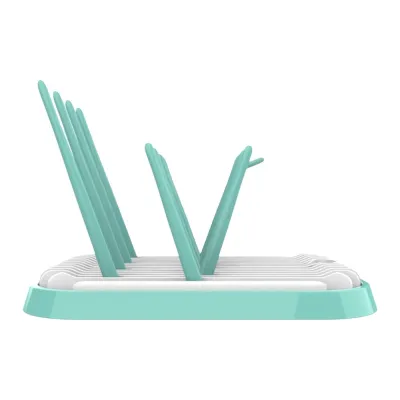
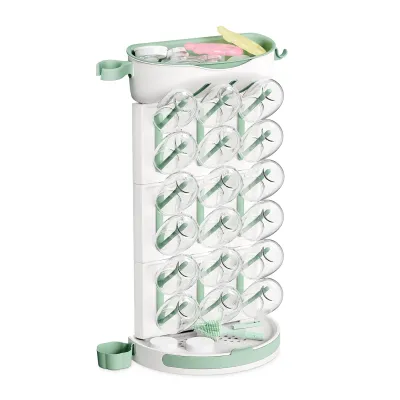
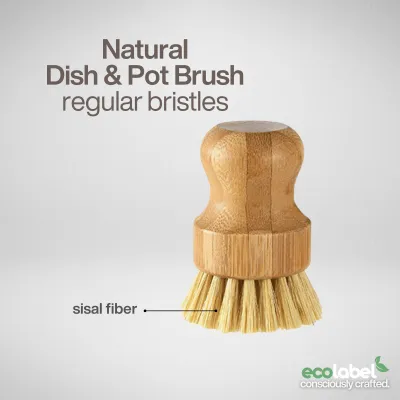
Prices are valid at publication and may change. Please refer to the product page for the latest price.
Proper care and maintenance of the drying stick itself are vital to prevent it from becoming a hygiene hazard. Unlike plastic or silicone tools, porous materials cannot simply be wiped dry; they must be allowed to release their absorbed moisture in a well-ventilated area. The manufacturer typically provides specific instructions for washing, which usually forbid the use of dish soaps or detergents, as these can clog the microscopic pores and permanently reduce absorbency. Over time, you will need to sanitize and dry the stick thoroughly, often by placing it in a warm, dry spot or exposing it to direct sunlight, to keep it free from mold and bacteria.
How to Evaluate If It Fits Your Bottle Care Routine
Integrating a new tool into your daily baby care routine requires assessing your physical kitchen space and your baby’s feeding schedule. A single-point drying stick has an incredibly small footprint, making it highly attractive for compact kitchens, shared apartments, or dedicated nursery prep stations. If you only need to dry a single bottle occasionally—such as a breast pump bottle or a nighttime comfort bottle—this minimalist setup keeps your countertops clear of bulky plastic racks. However, if your kitchen lacks vertical storage or dedicated dry zones, managing a loose, fragile stick can become cumbersome.

Drying capacity is often the deciding factor for growing families. If your infant feeds eight to ten times a day, relying on a single-point stick means you can only dry one bottle at a time, creating a massive bottleneck in your cleaning routine. To dry a full day’s worth of bottles, you would need to purchase multiple sticks, which quickly increases costs and clutter. For high-volume feeding, a batch-drying solution that accommodates multiple bottles, nipples, collars, and pacifiers simultaneously is far more practical.
Local climate conditions also play a significant role in how well porous drying tools perform. In high-humidity environments, such as the tropical climate of the Philippines, passive evaporation is significantly slowed down. A porous stick can quickly become saturated with moisture and struggle to dry out completely between uses, increasing the risk of mold or mildew growth. Parents living in humid regions must monitor the stick’s drying efficiency closely, ensure it is stored in an air-conditioned or highly ventilated area, and inspect it daily for any signs of dampness or discoloration.
Practical Alternatives to the Muji Bottle Drying Stick
If a single-point drying stick does not align with your daily feeding volume or maintenance preferences, several practical alternatives can streamline your bottle care routine. Transitioning from a manual, single-bottle tool to a multi-bottle rack or an automated appliance can save valuable time and provide peace of mind. Depending on your household budget, kitchen space, and hygiene priorities, you can choose from traditional racks, electric sterilizer-dryers, or flexible silicone stands.
Traditional Bottle Drying Racks
Traditional bottle drying racks are designed specifically for batch processing, allowing you to dry multiple bottles and accessories at the same time. These racks feature various branches, pegs, or slots that hold bottles upside down, utilizing gravity to drain water away from the interior surfaces. This open-air design ensures excellent ventilation, which is highly beneficial in humid climates where stagnant air can delay drying.
When selecting a traditional rack, base stability and branch configuration are critical safety features to evaluate. Heavy glass bottles require a sturdy, wide base to prevent the rack from tipping over and breaking your glassware. Additionally, you should consider the effort required to clean the rack itself; water naturally collects in the bottom drip tray, which must be emptied and washed regularly to prevent the buildup of slime, mold, and hard water stains in the crevices.
Electric Bottle Sterilizers with Dryers
For families seeking maximum convenience and automated hygiene, an electric bottle sterilizer with an integrated dryer is an excellent investment. These appliances use high-temperature steam or ultraviolet (UV) light to sanitize bottles, followed by a heated drying cycle that circulates filtered air in a closed environment. This closed-system drying prevents airborne dust, pet dander, and insects from settling on your clean bottles while they dry.
While highly efficient, electric sterilizer-dryers require a larger countertop footprint and access to a reliable power outlet. They also represent a higher upfront cost, with prices in the local market typically ranging from ₱2,000 to ₱8,000 or more, depending on the capacity and technology used. Maintenance is also more involved, as you must regularly descale the heating plate to remove mineral buildup and replace the air filters according to the manufacturer’s schedule to ensure optimal performance.
Silicone or Plastic Drying Stands
Silicone or plastic drying stands offer a flexible, low-maintenance middle ground for modern kitchens. Many of these stands feature a modular design, such as flexible silicone “grass” or removable plastic pegs, allowing you to customize the layout to fit different bottle shapes and pump parts. Because silicone and high-grade plastics are non-porous, they do not absorb moisture or odors, making them highly hygienic and exceptionally easy to clean.
Most silicone and plastic stands are dishwasher-safe, allowing you to sanitize the entire unit with minimal effort. Their lightweight and often foldable designs make them easy to pack away when your countertops need to be cleared or when traveling. However, unlike porous drying sticks, these stands do not actively wick moisture away; they rely entirely on gravity and ambient airflow, meaning bottles may take longer to dry completely in humid weather.
Comparison Matrix: Drying Sticks vs. Racks vs. Sterilizers
| Drying Method | Capacity | Space Requirement | Maintenance Effort | Best Suited For |
|---|---|---|---|---|
| Porous Drying Stick | Single bottle | Extremely low | High (requires regular drying/baking) | Travel, single-bottle touch-ups, small spaces |
| Traditional Rack | Multiple bottles & parts | Moderate to high | Moderate (requires tray washing) | Multi-feeding households, budget-conscious parents |
| Electric Sterilizer-Dryer | High (complete sets) | High | Low to moderate (descaling/filter checks) | Busy parents, maximum hygiene, fast turnaround |
| Silicone/Plastic Stand | Moderate | Low to moderate | Low (dishwasher safe) | Minimalist kitchens, flexible storage needs |
Final Checklist for Your Baby Bottle Drying Setup
Before finalizing your purchase, go through this step-by-step checklist to ensure your chosen drying solution is safe, compatible, and practical for your home:
- Verify material safety: Check the product packaging to ensure all components are BPA-free, food-grade, and free from harmful chemical additives.
- Confirm physical compatibility: Test or measure your specific baby bottle brands, breast pump flanges, and pacifiers to ensure they fit securely on the drying pegs or sticks.
- Review the manufacturer's replacement schedule: Understand how long the drying tool is expected to last and what warning signs indicate it is time to discard it.
- Assess your kitchen ventilation: Ensure the area where you plan to dry your bottles has adequate airflow, especially during the rainy season when indoor humidity rises.
- Establish a cleaning routine: Set a schedule for washing, descaling, or sun-drying your drying equipment to maintain a hygienic environment for your baby's feeding tools.
Frequently Asked Questions (FAQ)
How often should you replace a porous bottle drying stick?
You should always refer to the manufacturer’s recommended replacement timeline, which typically ranges from three to six months depending on how frequently the stick is used. Because porous materials naturally absorb moisture and organic residues over time, they can eventually degrade or harbor microscopic bacteria. You must inspect the stick regularly for observable signs of wear, such as persistent damp odors, dark spots indicating mold growth, structural crumbling, or deep discoloration. If you notice any of these warning signs, stop using the stick immediately and replace it to protect your infant’s health.
Can you use a bottle drying stick for other kitchen items?
While a drying stick’s physical design makes it highly compatible with adult travel mugs, sports bottles, or narrow vases, it is best to dedicate baby care tools exclusively to infant items. Mixing baby bottle equipment with general household dishware increases the risk of cross-contamination from adult food residues, oils, and pathogens. If you do decide to use the stick for other kitchen items, ensure it has been thoroughly sanitized according to the manufacturer’s guidelines, and consider keeping separate sticks for baby bottles and adult drinkware to maintain a strict hygiene boundary.

Community discussion
Share your experience or ask a question. Comments are reviewed before publication.