
Selecting the right baby bottle cleaner and sterilization method depends heavily on the physical properties of your bottle’s material. Glass, plastic, and silicone each react differently to chemical agents, physical scrubbing, and high temperatures.
Glass bottles are highly durable and tolerate extreme heat, making them compatible with almost any sterilization method, though they are vulnerable to thermal shock and physical breakage.
Plastic bottles are lightweight and convenient but scratch easily and degrade under high heat, which limits their sterilization options and requires gentle cleaning tools.
Products mentioned in this guide
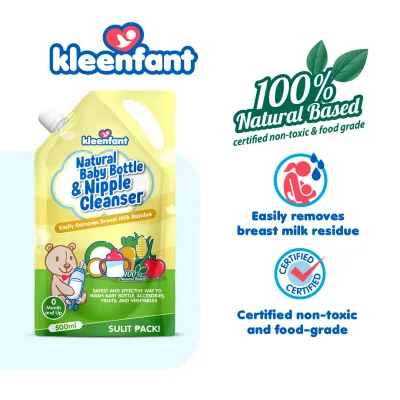
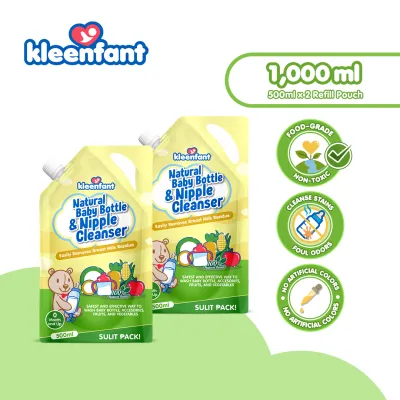
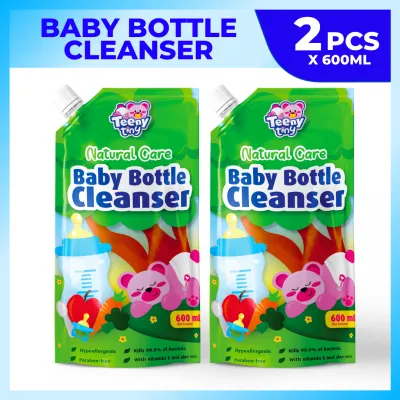
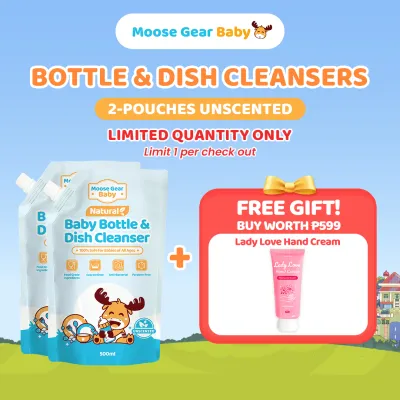
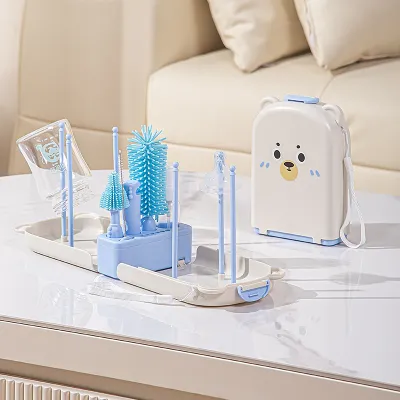
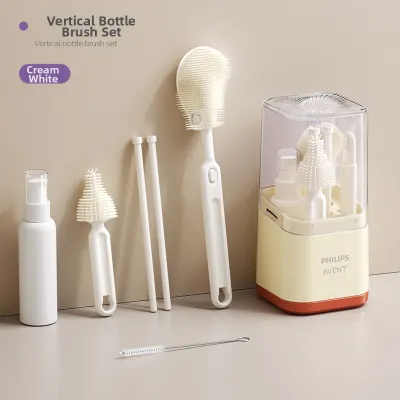
Prices are valid at publication and may change. Please refer to the product page for the latest price.
Silicone bottles offer excellent heat resistance and flexibility, but their porous surface can absorb strong soap fragrances and milk odors, requiring specialized, scent-free cleaners.
To protect your baby’s health and extend the lifespan of your feeding gear, always treat the manufacturer’s instruction manual as the ultimate authority on temperature limits and chemical compatibility.
Cleaning and Sterilizing Rules by Bottle Material
Every bottle material interacts uniquely with water temperatures, cleaning chemicals, and physical wear. In tropical climates like the Philippines, where high humidity can encourage rapid bacterial and mold growth on damp surfaces, understanding these material differences is essential for maintaining proper hygiene.
Before establishing your daily washing routine, take a moment to review the specific guidelines provided by your bottle’s manufacturer to avoid accidental warping or degradation.
Glass Bottles: High Heat Tolerance and Scratch Resistance
Glass remains a popular choice for parents who want a highly hygienic, long-lasting material that does not stain or retain stubborn milk odors. Because glass has a smooth, non-porous surface, it is highly compatible with standard liquid baby bottle cleaners and does not easily harbor bacteria in microscopic crevices.
However, the primary risk when handling glass bottles is thermal shock, which occurs when the material experiences a rapid, extreme change in temperature. For example, placing a cold glass bottle directly from the refrigerator into a pot of boiling water can cause the glass to crack or shatter instantly. To prevent this, always allow glass bottles to reach room temperature before exposing them to high-heat sterilization.
While glass can easily withstand boiling water, electric steam, and UV sterilization, its physical weight makes it prone to dropping. Using protective silicone sleeves can safeguard the bottles against accidental chips and cracks during washing and sterilization. Always inspect glass bottles for hairline fractures before each feed, and discard any bottle that shows signs of structural damage.
Plastic Bottles: Preventing Micro-Scratches and Heat Degradation
Plastic bottles, typically made from polypropylene or other food-grade plastics, are favored for being lightweight and shatterproof, making them highly practical for travel and self-feeding. However, plastic is a relatively soft material that is highly susceptible to micro-scratches.
Using abrasive wire brushes, stiff plastic bristles, or harsh scouring pads can create tiny scratches on the inner walls of the bottle. These microscopic grooves act as breeding grounds for bacteria and mold, which are particularly difficult to eliminate in warm, humid environments. To protect the plastic surface, always use soft sponge brushes or silicone bottle brushes designed specifically for delicate surfaces.
Plastic also has a lower heat tolerance than glass or silicone, meaning frequent exposure to extreme temperatures can cause the material to warp, cloud, or degrade over time. Before using boiling water or high-heat steam sterilizers, verify the maximum temperature rating specified on the packaging.
As plastic bottles age, they may become cloudy, deeply scratched, or discolored from repeated use and sterilization. When you observe these signs of wear, it is time to replace the bottles, as degraded plastic is more difficult to clean thoroughly and may lose its structural integrity.
Silicone Bottles: Managing Odor Absorption and Heat Limits
Silicone bottles have gained popularity due to their soft, breast-like texture, flexibility, and exceptional heat resistance. This material can easily withstand the high temperatures of boiling water, steam sterilizers, and microwave sterilization without warping or degrading.
Despite its durability against heat, silicone is a semi-porous material that tends to absorb oils from breast milk or infant formula, as well as strong fragrances from standard dishwashing liquids. This often results in a persistent soapy or sour milk odor that can affect how your baby accepts the bottle. To manage this, use a fragrance-free baby bottle cleaner and perform regular deodorizing checks, such as soaking the silicone parts in warm water with a mild, manufacturer-approved cleaning agent.
When washing silicone bottles, avoid using sharp tools or stiff-bristle brushes that could puncture or tear the flexible material, especially around the nipple and collar area. Opt for soft-bristle silicone brushes or gentle sponge cleaners to preserve the integrity of the bottle.
Choosing the Right Baby Bottle Cleaner for Your Material
Selecting a suitable baby bottle cleaner is just as important as choosing the right bottle material. Standard household dish soaps often contain strong degreasers, synthetic dyes, and heavy fragrances that are difficult to rinse completely from baby feeding gear.

Liquid and foam baby bottle cleaners are generally formulated to wash away easily without leaving a chemical film. While both types are safe for glass, plastic, and silicone, foam cleaners often rinse off more quickly, which is highly beneficial for porous silicone surfaces that tend to trap soap residues.
Effervescent cleaning tablets or powders offer a convenient option for deep cleaning, especially when traveling or dealing with stubborn milk film. However, because these products rely on active chemical agents to break down residues, you must verify whether the ingredients are approved for your specific grade of plastic or silicone to prevent surface etching.
To minimize the risk of lingering chemical scents and skin sensitivities, prioritize plant-based, fragrance-free, and dermatologically tested cleaners. When evaluating a baby bottle cleaner, review the ingredient label carefully and avoid products containing:
- Chlorine bleach
- Strong synthetic solvents
- Unverified or harsh antibacterial agents
- Artificial colorants and heavy perfumes
Sterilization Methods: Compatibility and Safety Checks
Sterilization provides an extra layer of protection against harmful pathogens, which is particularly crucial in warm, tropical climates where bacteria multiply rapidly. However, not all sterilization methods are suitable for every bottle material.
Boiling Water: This traditional method is highly effective and generally safe for glass and silicone bottles. For plastic bottles, boiling requires strict temperature and time monitoring; leaving plastic bottles in boiling water for too long or allowing them to touch the hot bottom of the pot can cause permanent warping.
Electric Steam Sterilizers: These devices offer a convenient, high-heat sterilization option. When using steam sterilizers, ensure that plastic bottle components are placed securely on the upper racks, away from the heating element at the base, to prevent localized heat damage.
Microwave Sterilizers: Utilizing steam generated by microwave heat, this method is fast and efficient. However, you must confirm that your specific bottle material and all its accessories are explicitly labeled as microwave-safe to avoid melting or releasing unwanted chemical compounds.
UV Sterilizers: UV sterilization uses ultraviolet light instead of heat to eliminate bacteria, making it an excellent option for heat-sensitive materials. While safe for glass and silicone, prolonged exposure to UV light can cause certain types of plastic to turn yellow or become brittle over time. Regularly inspect your plastic bottles for physical changes if you use a UV sterilizer daily.
| Bottle Material | Boiling Water | Electric Steam | Microwave Steam | UV Sterilization |
|---|---|---|---|---|
| Glass | Safe (Avoid thermal shock) | Safe | Safe (Verify metal-free parts) | Safe |
| Plastic | Check Manufacturer Label | Safe (Keep away from heating element) | Verify microwave-safe label | Observe for Warping/Discoloration |
| Silicone | Safe | Safe | Safe | Check Manufacturer Label |
Decision Framework: Matching Your Routine to the Right Setup
To build an efficient and safe feeding routine, match your choice of bottle material, cleaner, and sterilizer to your daily lifestyle and maintenance preferences.
Choose Glass if: You prefer a highly durable, non-porous material that tolerates high-heat sterilization without degrading, and you are comfortable managing the heavier weight and potential breakage risks.
Choose Plastic if: You require lightweight, shatterproof bottles that are easy to pack for travel or for your baby to hold, and you are willing to replace them regularly once signs of scratching or cloudiness appear.
Choose Silicone if: You want a soft, flexible, and virtually unbreakable bottle that handles high heat exceptionally well, and you are prepared to use fragrance-free cleaners to prevent odor absorption.
Verify First if: You are mixing different bottle brands, using third-party replacement nipples, or utilizing accessories from various manufacturers. Compatibility limits, heat tolerances, and cleaning requirements can vary significantly between brands, so always cross-reference individual product guidelines before sterilization.
Frequently Asked Questions (FAQ)
Can I use regular dish soap instead of a dedicated baby bottle cleaner?
While regular dish soap is highly effective at removing grease from family dishes, it is generally not recommended for baby bottles. Standard dish soaps often contain strong synthetic fragrances, artificial dyes, and harsh degreasing agents that can leave a stubborn chemical residue. This residue is particularly problematic for silicone nipples and bottles, which easily absorb strong scents and can alter the taste of milk. Using a dedicated, fragrance-free baby bottle cleaner ensures that the feeding equipment is thoroughly cleaned without leaving behind substances that could irritate your baby’s sensitive digestive system.
How often should I replace my baby bottles regardless of the material?
The lifespan of a baby bottle depends on its material, frequency of use, and cleaning methods. Perform regular visual and tactile checks to determine when a bottle needs to be replaced. Look for deep scratches, persistent cloudiness, cracks, discoloration, or a sour smell that does not go away after thorough washing. Generally, plastic bottles require replacement every three to six months due to micro-scratches and heat wear. Silicone bottles should be replaced if you notice any tears, stickiness, or permanent discoloration. Glass bottles can last indefinitely, provided they remain completely free of chips, cracks, or deep scratches.
Community discussion
Share your experience or ask a question. Comments are reviewed before publication.