
When choosing a baby bottle, understanding its exact material composition is the most critical step in ensuring your infant’s feeding safety. For parents considering or currently using a Moose Gear bottle, verifying the specific plastic or silicone type helps determine how to clean, sterilize, and maintain the product without compromising your baby’s health. Because manufacturers often produce multiple bottle lines using different materials, you must inspect your specific product’s physical markings and official documentation to confirm its safety profile.
How to Identify the Moose Gear Bottle Material
To determine what material your Moose Gear bottle is made of, start by inspecting the physical bottle itself. Most high-quality baby bottles have a recycling code or material abbreviation molded directly into the plastic on the bottle base. Look for common abbreviations such as PP (polypropylene), PPSU (polyphenylene sulfone), or PES (polyethersulfone), which indicate the specific type of plastic used. These molded codes are the most reliable physical indicators of what the bottle is made of, as they cannot be rubbed off or easily altered.
Next, review the original packaging, insert manuals, and official product listings from authorized retail channels. The packaging should clearly state the material composition of both the bottle body and the nipple, which is typically made of food-grade silicone. If you purchased the bottle online through an ecommerce platform, cross-reference the model number on the manufacturer’s official store page to verify the specifications. Keep in mind that product descriptions on third-party listings can sometimes contain errors, so verifying with the physical packaging or the manufacturer’s official documentation is always the safest approach.
Products mentioned in this guide
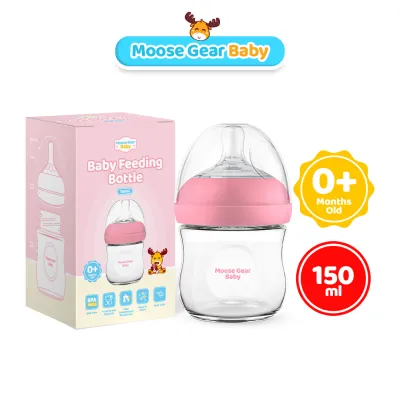
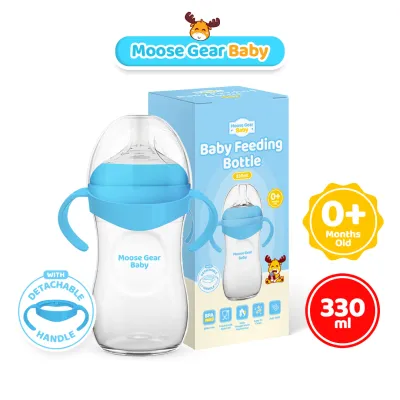
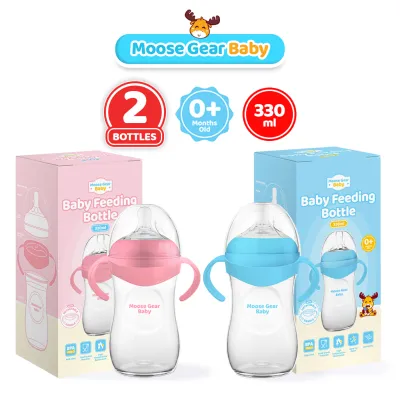
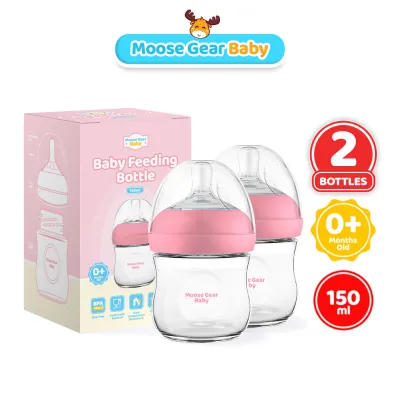
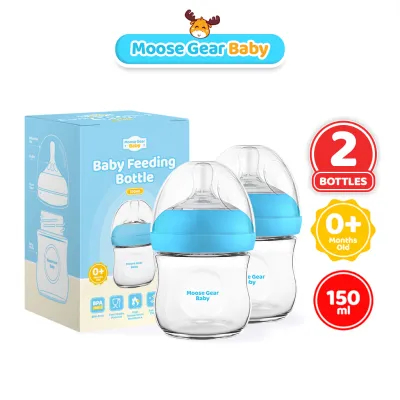
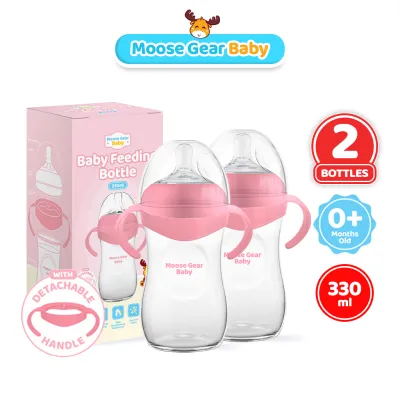
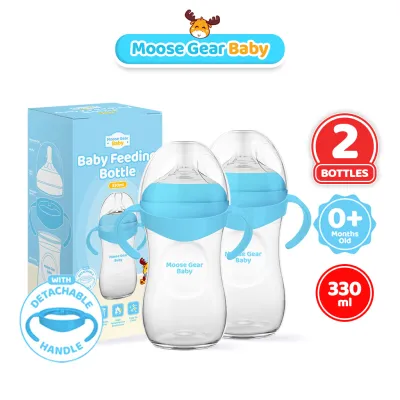
Prices are valid at publication and may change. Please refer to the product page for the latest price.
You can also distinguish between common baby bottle materials by observing their physical characteristics. Polypropylene (PP) bottles are usually lightweight, slightly cloudy or milky in appearance, and have a semi-flexible feel when squeezed. Polyphenylene sulfone (PPSU) bottles, on the other hand, typically exhibit a distinct honey or amber tint, are highly rigid, and feel more durable. Glass bottles are easily identifiable by their heavy weight, complete transparency, and cold feel. Understanding these physical differences helps you quickly assess what kind of care and sterilization your bottle requires.
Key Safety Checks for Infant Feeding Bottles
Once you have identified the material of your bottle, you must perform several safety checks to ensure it is suitable for daily infant feeding. First, verify that the packaging or official product documentation explicitly features chemical-free markings, such as a “BPA-free” label. Bisphenol A (BPA) is a chemical historically used in some plastics that can leach into liquids, so confirming its absence is a non-negotiable safety step. You should also look for certifications or compliance markings that indicate the bottle meets local or international safety standards for food-contact materials.

Second, check the manufacturer’s stated heat resistance limits before exposing the bottle to high temperatures. Different plastics degrade or release microplastics at different thermal thresholds. For instance, while PPSU can withstand very high temperatures, standard PP has a lower heat tolerance. Operating within the manufacturer’s specified temperature range prevents material degradation during warming or preparation. Never expose a plastic bottle to temperatures exceeding its rated limit, as this can compromise the structural integrity of the container.
Finally, confirm which sterilization methods are officially approved for your specific bottle variant. Some materials are highly compatible with steam or boiling water but may degrade rapidly when exposed to chemical sterilizing solutions or UV light. Always consult the product manual to ensure your chosen sterilization method matches the material’s chemical and physical tolerances. Using an incompatible sterilization method can shorten the lifespan of the bottle and potentially release unwanted compounds into your baby’s milk.
Cleaning, Sterilizing, and Maintenance Guidelines
Proper maintenance is essential to keep your baby’s feeding equipment hygienic and structurally sound, especially in warm, humid tropical conditions where bacteria can multiply rapidly. Always follow the exact temperature and time limits provided in the manufacturer’s care instructions during the cleaning process. Avoid boiling the bottle longer than recommended, as prolonged exposure to extreme heat can weaken the plastic over time. Use a soft sponge or a dedicated bottle brush with non-abrasive bristles to clean the interior, as harsh scrubbing can create microscopic scratches.
Regularly inspect the bottle under good lighting for any visible signs of wear and tear. Look closely for cloudiness, deep scratches, hairline cracks, or stubborn discoloration. Scratches on the inner surface of plastic bottles are particularly hazardous because they can harbor milk residue and harmful bacteria that standard washing cannot remove. If the plastic appears cloudy even after a thorough wash, it may be a sign that the material is beginning to degrade from repeated heat exposure.
After washing and sterilizing, ensure all components are completely dry before assembly and storage. In humid environments, damp bottles can easily grow mold or mildew, which poses a health risk to your infant. Place the disassembled parts on a clean, elevated drying rack in a well-ventilated area, keeping them away from stagnant water or kitchen contaminants. Avoid storing assembled bottles while they are still damp, as trapped moisture creates an ideal breeding ground for microbes.
When to Stop Using the Bottle or Seek Alternatives
Your baby’s safety should always come first, which means knowing when to discard a bottle or switch to a different product. If your bottle lacks clear material information, safety labels, or manufacturer contact details on its packaging, stop using it immediately. Feeding accessories without traceable manufacturing standards or clear origin details pose unnecessary risks to developing infants. It is always better to err on the side of caution and choose products with transparent labeling.
You must replace the bottle immediately if you detect any physical damage, such as cracks, leaks, or severe warping. Additionally, if your baby exhibits any unusual reactions during or after feeding, such as persistent fussiness, refusal to feed, or signs of oral irritation, discontinue use and evaluate the feeding equipment. Sometimes, a baby may have a sensitivity to a specific nipple material or flow rate rather than the bottle itself, requiring a change in accessories.
If you are ever unsure about the safety, suitability, or chemical composition of a specific bottle material for your baby, consult a pediatrician or a qualified healthcare professional. They can provide personalized guidance based on your baby’s developmental stage, health history, and specific feeding needs. Never hesitate to seek professional medical advice when it comes to your child’s nutrition and health.
Frequently Asked Questions (FAQ)
Can I use a UV sterilizer for the Moose Gear bottle?
Whether you can use a UV sterilizer depends entirely on the specific material of your Moose Gear bottle. Some plastics, like polypropylene (PP), can undergo premature degradation, discoloration, or micro-cracking when repeatedly exposed to ultraviolet light. You must check the manufacturer’s instruction manual or contact their customer support to confirm if your specific bottle model is rated as UV-safe. If the manual does not explicitly state that UV sterilization is safe, it is best to stick to steam or boiling water to prevent material breakdown.
How often should I replace my baby's feeding bottles?
There is no universal calendar timeline for replacing baby bottles, as their lifespan depends heavily on material wear, usage frequency, and cleaning methods. Instead of relying on a strict schedule, inspect the bottles daily and discard them immediately if you notice deep scratches, persistent cloudiness, structural warping, or damage to the nipple. Generally, silicone nipples require more frequent replacement than the plastic bottle bodies due to bite wear, stretching, and changes in flow rate over time.

Community discussion
Share your experience or ask a question. Comments are reviewed before publication.