
A baby’s sleep environment directly impacts their health, comfort, and safety. When choosing bedding, parents often prioritize softness and warmth, but breathability and skin safety are equally critical. For those considering the popular Kozy blankie, evaluating its material composition and physical characteristics is essential to ensure it does not compromise your infant’s well-being.
While many modern baby blankets are engineered to feel incredibly soft, their safety and suitability for sensitive skin depend on the specific fibers used, the child’s developmental stage, and how the bedding is utilized and maintained. Understanding these factors helps you make an informed decision for your nursery.
Quick Answer: Is the Kozy Blankie Safe and Breathable?
Determining whether a Kozy blankie is safe and breathable requires a balanced look at the product’s design, material construction, and safe sleep practices. Many blankets under this brand are crafted to offer a plush, comforting texture, but absolute safety against overheating and skin irritation is not automatic. Parents must inspect the specific product’s material composition and strictly adhere to pediatric safe sleep guidelines before introducing any blanket to a sleeping infant.
Products mentioned in this guide
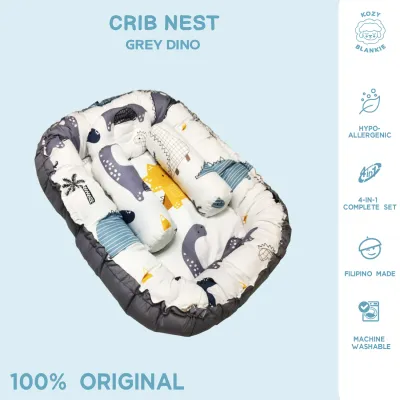
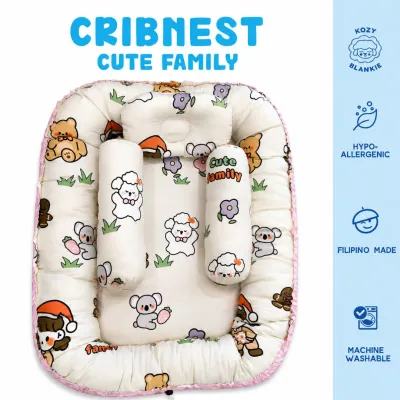
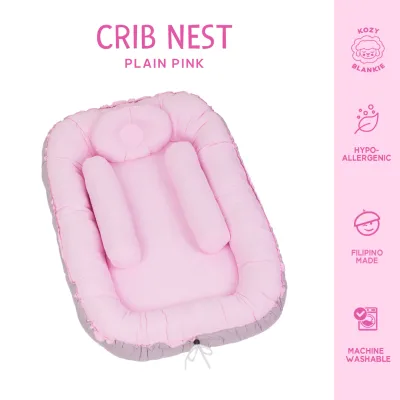
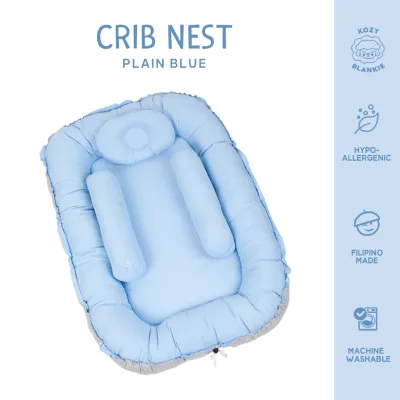
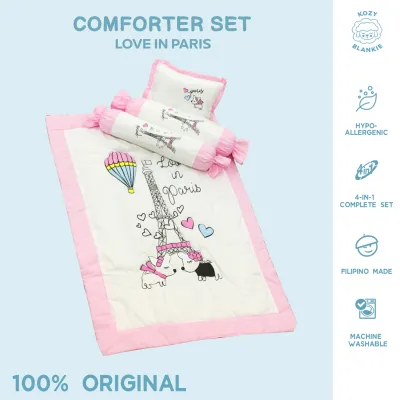
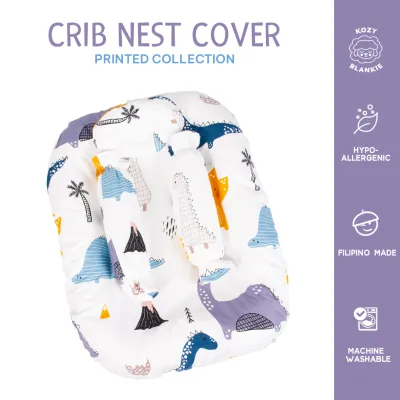
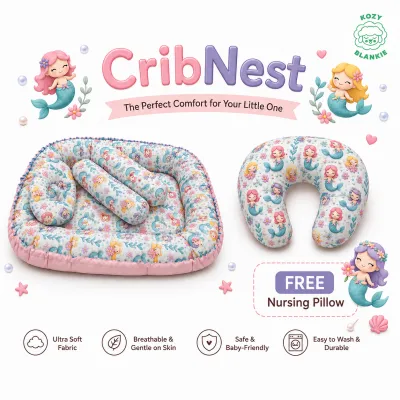
Prices are valid at publication and may change. Please refer to the product page for the latest price.
From a developmental standpoint, pediatric health organizations agree that no loose blanket is universally safe for unsupervised sleep for infants under 12 months of age. This rule applies regardless of the blanket’s brand, material, or advertised breathability. For babies older than one year, the safety of a blanket for sensitive skin is determined by its fabric blend, the tightness of its weave, and how well it is laundered and dried in a humid environment. In tropical climates, these factors become even more critical to prevent heat-related skin issues and respiratory discomfort.
Assessing Breathability and Overheating Risks in a Tropical Climate
Infants are highly susceptible to temperature fluctuations because their bodies cannot regulate heat as efficiently as adults. In a tropical climate like that of the Philippines, where high ambient temperatures and elevated relative humidity are common, the risk of overheating is a primary safety concern. Overheating is not merely uncomfortable; it is also a recognized risk factor for Sudden Infant Death Syndrome (SIDS). Caregivers must remain vigilant and regularly monitor their babies for physiological signs of overheating, which include sweating, damp hair, a hot chest or back, flushed cheeks, rapid breathing, and heat rash—locally known as bungang-araw.

To determine if a blanket like the Kozy blankie is sufficiently breathable for your nursery, you can perform a couple of simple tests at home. The first is the “breath test,” which involves holding a single layer of the fabric firmly over your mouth and nose and attempting to breathe through it. If you feel significant resistance or find it difficult to draw air, the fabric is tightly woven or made of synthetic materials that trap air, making it less suitable for warm environments. Another method is to hold the blanket up to a light source to examine the weave. A loose, open weave allows light and air to pass through easily, indicating better ventilation.
The ambient conditions of your baby’s room should dictate the type of bedding you use. In the Philippines, home environments can vary drastically between naturally ventilated rooms relying on electric fans and closed, air-conditioned spaces. In an air-conditioned nursery kept at a stable, cool temperature (typically between 22°C and 24°C), a slightly thicker or more insulating blanket may be appropriate to keep the baby comfortable. However, in a room cooled only by a fan, where humidity can trap warmth, even a moderately thick blanket can quickly lead to heat retention and sweating.
When selecting bedding, matching the blanket’s weight to the room’s actual temperature is crucial. Many manufacturers use Thermal Overall Limit (TOG) ratings to indicate a blanket’s thermal resistance. A low TOG rating (such as 0.5 or 1.0) is ideal for warm, tropical climates, as it provides a thin layer of comfort without trapping excessive body heat. If your specific blanket does not have a TOG rating, rely on physical inspection, choosing lightweight, single-layer options for warmer nights and reserving heavier plush fabrics for heavily air-conditioned spaces or cooler rainy-season evenings.
Choosing the Right Material for Sensitive Baby Skin
A baby’s skin is incredibly delicate, being up to 30 percent thinner than adult skin, which makes it highly sensitive to friction, chemicals, and moisture. The material composition of your baby’s blanket plays a decisive role in whether it soothes their skin or triggers irritation. Common textiles used in infant bedding include cotton, bamboo viscose, muslin, microfiber, and various polyester blends. Each of these materials has distinct properties regarding moisture absorption, thermal regulation, and texture.
Natural fibers, such as cotton and bamboo viscose, are generally preferred for sensitive skin. Cotton is highly breathable, naturally hypoallergenic, and capable of absorbing moisture away from the skin, which helps keep the baby dry and comfortable. Bamboo viscose is celebrated for its silk-like softness and cool-to-the-touch feel, making it highly appealing for tropical climates, though parents should ensure the weave is open enough to allow airflow. Muslin, which can be made from either cotton or bamboo, features a very loose, plain weave that offers maximum breathability and is exceptionally gentle on easily irritated skin.
In contrast, synthetic materials like polyester, microfiber, and fleece are highly durable and stain-resistant, but they present specific drawbacks for sensitive skin. Synthetic fibers are hydrophobic, meaning they do not absorb moisture effectively. Instead, they trap sweat and body heat against the baby’s skin. In a humid environment, this trapped moisture creates a warm, damp microclimate that can quickly lead to friction, clogged sweat glands, and flare-ups of infantile eczema or contact dermatitis. If a blanket is made primarily of polyester or a heavy synthetic plush, it is much more likely to cause skin irritation during warm periods.
Before using any Kozy blankie, parents should carefully inspect the product label to verify the exact fabric percentages. If the blanket contains a high percentage of synthetic fibers, it is best reserved for short, supervised periods in cool, air-conditioned rooms. Always monitor your baby’s skin closely after they use a new blanket. Look for localized redness, small red bumps, or dry, rough patches, particularly on the neck, back, and thighs where the fabric makes direct contact with the skin. If any signs of irritation appear, discontinue use and consult a pediatrician or pediatric dermatologist.
Critical Safe Sleep Rules for Using Baby Blankets
While choosing a breathable fabric is important, the way a blanket is used in the sleep environment is the most critical factor in preventing sleep-related accidents. Pediatric authorities worldwide maintain strict guidelines to minimize the risk of SIDS and accidental suffocation. For infants under 12 months of age, the sleep surface must be kept completely bare. This means no loose blankets, pillows, bumper pads, sheepskins, or soft toys should be present in the crib or bassinet during sleep, whether during overnight rest or daytime naps.
For babies in their first year of life, wearable blankets or sleep sacks are the safest alternatives to traditional loose blankets. These garments zip up over the baby’s clothes, providing consistent warmth without the risk of riding up over the infant’s face and blocking their airway. Swaddling is another safe option for newborns, but caregivers must stop swaddling as soon as the baby shows any signs of attempting to roll over, which typically occurs around two to three months of age.
Once your baby reaches 12 months of age and is developmentally capable of easily rolling over, pushing objects away from their face, and adjusting their position, a light blanket may be introduced. However, safety precautions still apply. When placing a blanket over an older baby in a crib, tuck the bottom and sides of the blanket securely under the mattress, ensuring it only reaches up to the baby’s chest. This “feet-to-foot” positioning prevents the blanket from slipping upward during sleep. The baby’s arms should remain outside the blanket to allow freedom of movement.
Caregivers must establish clear conditions for when to stop using a blanket or adjust the sleep setup. If you observe that your child is an exceptionally active sleeper who frequently untucks the bedding, twists themselves up, or pulls the blanket over their head, revert to using a sleep sack to eliminate the hazard. Additionally, regularly inspect the blanket for signs of wear and tear, such as loose threads, unraveling seams, or pilling. Loose threads can wrap around a baby’s fingers, toes, or neck, presenting a serious entanglement or tourniquet risk. If the blanket shows any structural damage, remove it from the nursery immediately.
What to Verify on the Product Label Before Use
A thorough inspection of the product label is a necessary safety step before introducing any bedding to your baby’s nursery. The manufacturer’s tag provides essential data regarding material composition, age limits, and safety standards that cannot be determined by touch alone. When examining your Kozy blankie, look for the specific fiber percentages to confirm whether the product meets your standards for breathability and skin safety, prioritizing high natural fiber content for daily use in warm weather.
In addition to fiber content, look for recognized independent textile safety certifications. A prominent example is the OEKO-TEX Standard 100 certification, which guarantees that every component of the product, from the fabric to the threads and dyes, has been rigorously tested for harmful levels of toxic substances and allergens. While the absence of such a certification does not automatically make a blanket dangerous, its presence offers valuable peace of mind for parents of children with highly sensitive skin or eczema. If the product lacks clear certification labels, caregivers must exercise extra vigilance in monitoring their baby’s skin reactions.
Proper maintenance is vital for preserving skin health, particularly in the humid climate of the Philippines, where dust mites, mold, and mildew thrive. Check the care label to see if the blanket can withstand regular washing and drying. Ideally, baby bedding should be washable in warm or hot water to effectively eliminate dust mites and skin-irritating allergens. Furthermore, the fabric must be capable of drying completely. Damp fabric stored or used in high humidity can quickly develop microscopic mold spores, which are potent triggers for both skin rashes and pediatric respiratory issues.
Before using the blanket for the very first time, it is crucial to perform a pre-use wash. New textiles often carry chemical residues from the manufacturing process, chemical finishing agents used to keep fabrics flat during shipping, and dust accumulated during warehousing. Wash the blanket separately using a gentle, hypoallergenic, and fragrance-free laundry detergent specifically formulated for babies. Skip the fabric softeners and scent boosters, as these products leave a chemical film on the fibers that reduces the fabric’s natural breathability and is a common cause of contact dermatitis in infants.
Frequently Asked Questions (FAQ)
Can I use the Kozy blankie in a stroller or car seat?
Using blankets in travel gear requires careful attention to safety guidelines. You should never place a thick, plush, or bulky blanket underneath a baby or behind their back in a car seat, nor should you route the harness straps over a blanket. In a vehicle collision, the heavy fabric of a blanket compresses instantly under the force of the impact, leaving dangerous slack in the harness that could allow the baby to be ejected from the seat. The safest method for keeping a baby warm in a car seat is to secure them tightly in the harness first, and then drape a lightweight blanket over their lap and chest, keeping it well clear of their face.
For stroller use, a loose blanket is generally acceptable, provided the baby is under constant, active supervision by an adult. Ensure the blanket is small enough that it does not drape over the sides of the stroller, where it could become caught in the wheels or drag on the ground. Never drape a blanket completely over the canopy of a stroller or infant carrier to block the sun, as this can trap heat inside and rapidly create a dangerously hot, oven-like environment for the child.
How often should I wash the baby blanket to protect sensitive skin?
To safeguard your baby’s sensitive skin, you should wash their blanket at least once a week. If the blanket becomes soiled with spit-up, drool, sweat, or diaper leaks, it must be laundered immediately to prevent the buildup of bacteria and fungal pathogens. In the humid Philippine climate, ensuring the blanket is completely dry before returning it to the nursery is vital, as even slight residual moisture can encourage mold and mildew growth within hours. Avoid using commercial fabric softeners or liquid softeners, as they coat the fibers in a chemical residue that impairs the fabric’s moisture-wicking capabilities and frequently triggers skin irritation in infants.

Community discussion
Share your experience or ask a question. Comments are reviewed before publication.