
Buying a baby crib complete set with foam is an appealing, convenient option for expectant parents preparing a nursery. These bundles promise a ready-to-use sleep setup, saving you the hassle of measuring and purchasing components separately. However, when it comes to newborns, the safety of the included foam mattress must never be taken for granted. A newborn baby spends up to 18 hours a day sleeping, making their sleep surface one of the most critical factors in their physical development and overall safety.
While many bundled foam mattresses meet basic standards, others may prioritize cost-efficiency over structural integrity. In tropical climates like the Philippines, where high humidity and elevated temperatures are daily realities, the physical properties of the foam mattress become even more critical. Parents must know how to evaluate the firmness, breathability, and material composition of the included foam before laying their baby down to sleep.
Understanding Foam Mattress Safety for Newborns
Newborns require a sleep surface that is significantly firmer than what an adult would find comfortable. Because an infant’s motor skills are still developing, they cannot easily turn their heads or roll over if their airway becomes obstructed by a soft surface. A mattress that is too soft poses a severe risk of suffocation and carbon dioxide rebreathing, which occurs when a baby breathes in their own exhaled air trapped in a surface depression.
Products mentioned in this guide
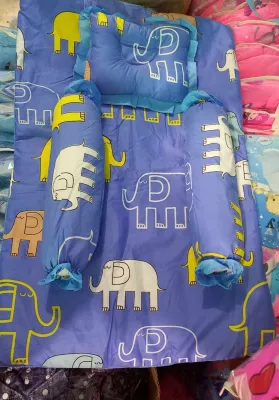
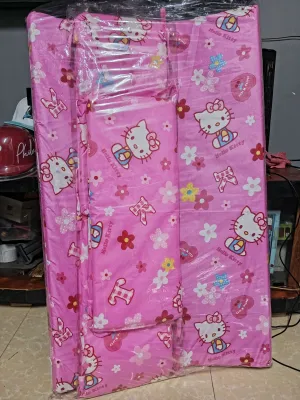
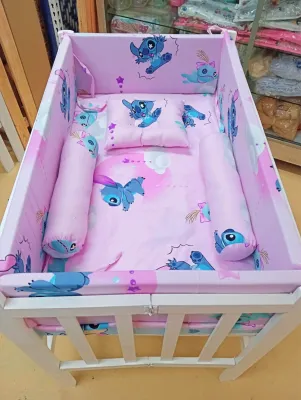
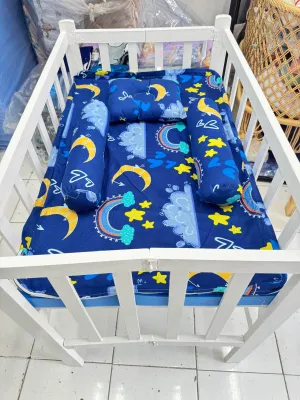

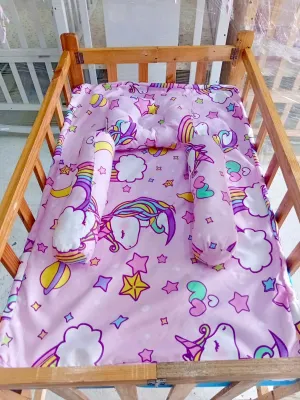
Prices are valid at publication and may change. Please refer to the product page for the latest price.
The term “foam” itself is broad and does not automatically indicate whether a mattress is safe or hazardous. Foam mattresses can range from highly supportive, high-density polyurethane structures to soft, contouring materials that are entirely unsuitable for infants. The safety of a foam mattress depends entirely on its density, structural design, and how well it resists compression under a baby’s weight.
Recognized pediatric health authorities worldwide emphasize that a safe infant sleep environment must feature a flat, firm, and separate sleep surface. A quality foam mattress must provide consistent, rigid support across its entire surface, ensuring that the baby’s head and body do not sink into the material. Understanding these baseline requirements is the first step in objectively assessing any mattress included in a crib bundle.
Essential Safety Features to Check Before Buying
When evaluating a baby crib complete set with foam, you should not rely solely on marketing claims or the convenience of the bundle. Instead, approach the mattress as an independent safety component that requires rigorous inspection. A safe infant mattress rests on three essential pillars: uncompromising firmness, adequate breathability, and non-toxic material composition.

To verify these pillars, parents must look past attractive fabric covers and examine the physical properties of the foam itself. This involves conducting simple physical tests and carefully reading the manufacturer’s product labels and specifications. By understanding what to look for, you can make an informed decision that protects your baby’s health.
Firmness and Surface Support
The most critical safety check for any newborn mattress is its firmness. You can perform a simple hand-press test to evaluate this: press your hand firmly down onto the center and edges of the mattress, then release. A safe infant mattress will feel remarkably rigid and will immediately spring back to its original shape without leaving any temporary handprint or indentation.
If the mattress feels plush, cushions your hand, or takes more than a second to recover its shape, it is too soft for a newborn. This rigid support is vital because it prevents the baby’s face from sinking into the material if they accidentally roll onto their stomach. Additionally, check the edges of the mattress; they must remain firm and supportive under pressure to prevent the baby from getting wedged between the mattress and the crib frame.
Always check the product label or user manual for explicit infant-specific firmness ratings. Manufacturers of high-quality baby mattresses will clearly state that the product is designed for infant sleep and meets standard firmness specifications. If the label lacks this information or describes the mattress as “plush” or “dual-sided” without specifying which side is for infants, proceed with extreme caution.
Breathability and Airflow Design
In tropical environments, heat and humidity can quickly build up within a crib, making breathability a key safety and comfort factor. Look for foam mattresses designed with an open-cell structure, which allows air to flow more freely through the material than traditional closed-cell foams. Some manufacturers also incorporate ventilation channels or perforated cores to enhance air circulation.
A breathable mattress helps regulate your baby’s body temperature and reduces the risk of overheating, which is a known risk factor for sleep-related infant issues. To check this, inspect the mattress cover. It should be made of a lightweight, breathable fabric rather than a thick, tightly woven synthetic material that traps heat.
While waterproof covers are highly practical for managing diaper leaks and spills, they can sometimes act as a barrier to airflow. If the mattress includes a waterproof layer, verify that it is made from a breathable, non-toxic membrane rather than a heavy, non-porous plastic sheet. Alternatively, you can use a separate, breathable waterproof mattress protector that can be easily removed and washed.
Material Composition and Labels
Because newborns spend so much time in close contact with their mattress, the chemical safety of the foam is just as important as its physical firmness. Polyurethane foam can sometimes release volatile organic compounds (VOCs) through a process known as off-gassing, which may cause a noticeable chemical odor. To minimize this, look for mattresses that are certified to have low chemical emissions.
Parents should actively verify safety certifications by looking for recognized, valid marks on the product label, such as CertiPUR-US or OEKO-TEX Standard 100. These independent certifications indicate that the foam has been tested for harmful substances, including heavy metals, formaldehyde, and specific flame retardants. Do not rely on generic “non-toxic” claims on the packaging; instead, look for the official certification logos and verify them against the manufacturer’s documentation.
Be cautious of terms like “hypoallergenic” or “organic” on crib set labels. While these terms suggest safety, they are not always regulated and do not guarantee that the mattress is firm enough for a newborn. A hypoallergenic cover is beneficial for preventing dust mite accumulation, but the underlying foam must still meet all physical safety standards to be considered safe for sleep.
Evaluating the Mattress in a Complete Crib Set
When purchasing a baby crib complete set with foam, the safety of the mattress cannot be evaluated in isolation; it must be assessed in direct relation to the crib frame. A common hazard with bundled sets is an improper fit, which can create dangerous gaps. To prevent entrapment, the mattress must fit snugly within the crib with absolutely no room for the baby to slip into the sides.
You can easily verify this fit using the “two-finger rule.” Once the mattress is placed inside the crib, try to slide your index and middle fingers between the edge of the mattress and the crib frame. If you can fit more than two fingers into the gap, the mattress is too small for that specific crib, creating a severe risk of limb or head entrapment.
Always cross-reference the physical dimensions printed on the mattress label with the internal measurements of the crib. Even a discrepancy of a few centimeters can compromise safety. If you are purchasing a complete set online or from a local nursery boutique, ensure the retailer guarantees that the included mattress is the exact, designated match for that specific crib model.
Additionally, inspect the complete set for any bundled accessories that do not align with safe sleep guidelines. Many crib sets come packaged with matching fabric bumpers, thick quilts, decorative pillows, or stuffed toys. While these items may look appealing in a showroom, they must be completely removed from the crib before your newborn sleeps in it, as they present significant suffocation and strangulation hazards.
Safe Sleep Setup and Usage Boundaries
Once you have verified that your foam mattress is firm, breathable, and fits perfectly within the crib, the next step is establishing a safe sleep environment. The mattress must always be covered with a tightly fitted sheet designed specifically for its dimensions. A loose sheet can bunch up or slip off the corners, creating a loose fabric hazard that could cover your baby’s face.
Keep the sleep surface entirely clear of any extra items. Your baby should sleep on their back on the firm, flat mattress with nothing else in the crib—no loose blankets, no pillows, no sleep positioners, and no toys. If you are concerned about your baby getting cold, use a wearable blanket or sleep sack appropriate for the room’s temperature instead of a loose quilt.
In warm, humid climates, managing the room temperature is essential when using a foam mattress, as foam naturally tends to retain body heat more than innerspring alternatives. Ensure the nursery is well-ventilated, using a ceiling fan or air conditioning to maintain a comfortable temperature. Regularly check your baby’s chest or the back of their neck; if they feel hot or sweaty, adjust the room’s cooling or dress them in lighter, breathable cotton clothing.
When to Stop Using or Replace the Foam Mattress
Foam mattresses do not last indefinitely, and their structural integrity can degrade over time, especially with daily use and exposure to moisture. Parents should perform regular visual and physical inspections of the mattress. Look for any signs of sagging, permanent body indentations, or soft spots where the foam has lost its resilience.
If you notice that the mattress does not immediately bounce back when pressed, or if there is a visible dip where your baby usually sleeps, it is time to replace the mattress immediately. In humid environments, also inspect the underside of the mattress and the crib base for any signs of mold, mildew, or persistent damp odors. If mold is detected, the mattress must be discarded, as cleaning cannot guarantee the complete removal of spores from deep within the foam.
Furthermore, pay attention to your baby’s developmental milestones and weight. As your child grows and begins to sit up, pull themselves up, or transition into a toddler, their weight will exert more pressure on the foam. Always consult the manufacturer’s guidelines for the maximum weight limit of the mattress. If the foam begins to compress significantly under your growing child’s weight, or if they reach the developmental limit specified by the manufacturer, transition them to a supportive toddler mattress or adjust the crib setup accordingly.
Frequently Asked Questions (FAQ)
Can I use a memory foam mattress for a newborn?
No, standard memory foam is highly discouraged for newborns and infants. Memory foam is specifically engineered to contour to the body’s shape in response to heat and pressure, creating a soft, cradling effect. While comfortable for adults, this contouring creates a deep depression that can easily pocket carbon dioxide or block a baby’s nose and mouth if they turn over. Always check the manufacturer’s age and weight recommendations on the product label, which typically restrict memory foam use until the child is much older.
How do I clean a foam crib mattress safely?
To clean a foam crib mattress safely, always start by checking the manufacturer’s care label for specific instructions. For general maintenance, spot clean spills or accidents immediately using a damp cloth and a mild, baby-safe soap. Avoid saturating the foam with water, as excess moisture can easily trap humidity inside the core and lead to mold growth. Allow the mattress to air dry completely in a well-ventilated space, away from direct heat sources, before covering it with a clean fitted sheet and returning it to the crib.

Community discussion
Share your experience or ask a question. Comments are reviewed before publication.