
As your baby transitions to solid foods, your pumping routine and milk storage needs naturally shift. The weaning stage often brings smaller daily milk volumes, requiring more flexible portioning and careful waste management. Evaluating whether the Dr. Isla milk storage bag aligns with your current feeding rhythm involves focusing on specific dimensions that matter most during this transition: portion adaptability, material safety, and everyday usability. In tropical climates like the Philippines, where high humidity and ambient temperatures can accelerate spoilage if milk is not handled correctly, choosing the right storage medium becomes even more critical.
During this developmental milestone, parents often find themselves storing smaller “snack-sized” portions of breast milk rather than full meals. This shift requires a storage solution that can preserve small quantities efficiently without taking up excessive freezer space or risking contamination. By understanding how to evaluate your storage options, you can minimize milk waste and ensure your baby receives safe, high-quality nutrition alongside their new solid diet.
Identifying Your Weaning-Stage Milk Storage Needs
The introduction of solid foods—such as local purees of squash, sweet potato, or mashed banana—gradually replaces some of your baby’s milk intake. Consequently, the volume of breast milk you need to pump and store per session will likely decrease. Instead of freezing standard five-to-eight-ounce portions, you may find yourself needing to store smaller increments of two to three ounces. Storing these smaller volumes in oversized, rigid containers can lead to excessive air exposure inside the container, which may compromise the quality of the milk over time.
Products mentioned in this guide
Prices are valid at publication and may change. Please refer to the product page for the latest price.
Additionally, weaning-stage feeding schedules can be highly irregular. On days when your baby enthusiastically consumes their solid meals, they may require very little breast milk; on other days, they might rely more heavily on milk for comfort and hydration. To accommodate these fluctuations without wasting your hard-earned liquid gold, you need a storage system that allows for quick thawing of small, customizable portions. This flexibility helps ensure that you only thaw what your baby will consume within a safe timeframe.
Freezer space also becomes a premium commodity during the weaning phase. As you begin storing baby food purees, frozen ingredients, and breast milk simultaneously, your freezer can quickly become crowded. Flexible, lay-flat storage bags are highly valued for their ability to stack neatly and maximize vertical space. However, when a bag is only partially filled with a small weaning-stage portion, it may not lay completely flat or could fold over, creating awkward shapes that are difficult to stack. Understanding how your chosen bag behaves under these conditions is essential for maintaining an organized freezer.
Checking the Dr. Isla Milk Storage Bag for Weaning Suitability
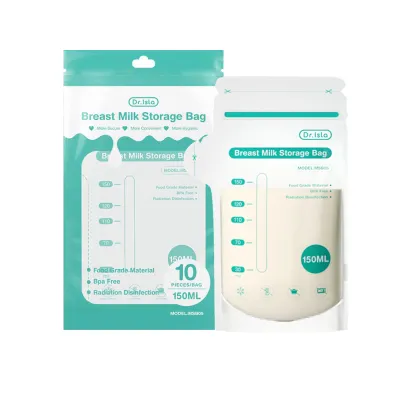
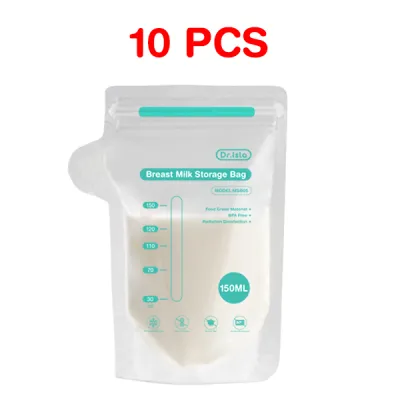
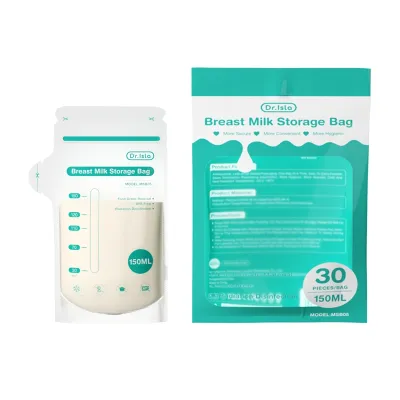
To determine if the Dr. Isla milk storage bag is suitable for your weaning journey, start by closely inspecting the product packaging and specifications. Check the stated maximum capacity of the bag, which is typically printed clearly on the box. For weaning purposes, you want to verify if the measurement markings on the side of the bag include clear, accurate gradients for smaller volumes, such as 50ml or 100ml. Accurate markings are crucial because underestimating or overestimating the volume can disrupt your feeding plans or lead to accidental waste.

Material safety is another critical factor to verify on the product label. Look for explicit indicators that the bags are BPA-free and made from food-grade materials, such as PET and PE laminates. In warm and humid environments, the stability of the plastic is paramount. You want to ensure that the material is designed to withstand freezing temperatures and subsequent warming without leaching any harmful chemicals into the milk. Since certifications and material standards can change, always verify these claims directly on the manufacturer’s packaging rather than relying solely on online descriptions.
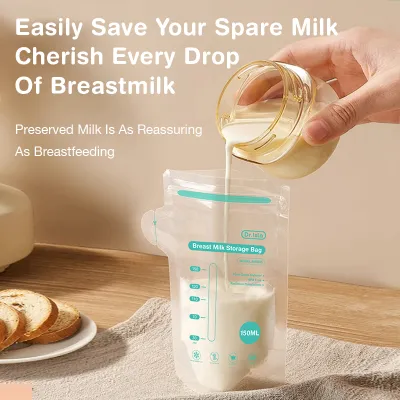
The design of the pour spout and the sealing mechanism also warrants a close look. During weaning, you may frequently transfer small amounts of breast milk into transition cups, or mix a few spoonfuls into baby cereal to adjust its consistency. A storage bag with a dedicated, tear-away pour spout can make this process much cleaner, preventing spills and minimizing the risk of external contamination. Examine the top seal to ensure it features a secure double-zipper design, which provides an extra layer of protection against leaks when handling smaller, more concentrated liquid volumes.
Performing At-Home Safety and Usability Checks
Before committing your entire milk supply to a new brand of storage bags, it is wise to perform a few simple, observable checks at home. Begin by filling a single bag with water to your typical weaning-stage volume and placing it in the freezer. Observe how the bag expands as the liquid freezes. Because water and breast milk expand when transitioning to ice, checking the physical expansion limits helps you determine if the seams of the bag are prone to splitting or if the plastic becomes brittle under standard freezing conditions.
Next, monitor the bag’s performance during the thawing and warming process. Place the frozen test bag in a bowl of lukewarm water—avoiding boiling water or direct heat—and watch for any signs of material degradation, slow leaks, or seal failures. In tropical climates, condensation on the outside of the bag is normal due to high humidity, but you should carefully distinguish this from actual milk leaking through micro-tears in the plastic. If you notice any moisture escaping from the seams or the zipper seal during thawing, it is a clear sign that the batch may not be reliable.
Finally, evaluate the usability of the bag’s labeling area. A functional storage bag should feature a dedicated, matte-finish writing surface that is separated from the main milk compartment to prevent ink from leaching through. Test this area with a standard permanent marker to see if the ink smudges easily in humid conditions. Clear labeling is vital during the weaning stage, as you will need to track precise dates, times, and smaller volumes to ensure older milk is used first and no portions are left in the freezer past their safe storage duration.
Knowing When to Switch to Alternative Storage Options
While disposable milk storage bags offer convenience, there are specific scenarios during the weaning transition where alternative storage tools may be more appropriate. If your baby’s milk intake drops to extremely small quantities—such as one-ounce portions used solely for mixing into solid foods—using a full-sized disposable bag can feel incredibly wasteful. In these instances, transitioning to food-grade silicone freezing trays with secure lids or small, reusable glass bottles can be a more sustainable and cost-effective choice.
Another factor to consider is direct-pump compatibility. If your daily routine requires you to pump directly into your storage container to save time and reduce the risk of contamination, check if the storage bags can securely attach to your specific breast pump model. If the bags require a separate transfer step from bottle to bag, and you find this process increases the risk of spills or hygiene concerns in your kitchen, switching to reusable storage cups that connect directly to your pump may be a safer and more efficient alternative.
Ultimately, your baby’s safety and your peace of mind should guide your choices. If you observe consistent seal failures, leaks during thawing, or any unusual plastic odors when warming your stored milk, you should stop using that specific batch or brand immediately. In such cases, consulting with a lactation professional or reaching out to the manufacturer for guidance can help you identify a safer, more reliable storage solution that fits your family’s unique weaning journey.
Frequently Asked Questions (FAQ)
Can I reuse Dr. Isla milk storage bags after washing them?
No, disposable breast milk storage bags are strictly designed for single-use and should never be washed and reused. The plastic materials and zipper seals are not manufactured to withstand the high temperatures required for proper sterilization, and washing them can create microscopic scratches where bacteria can easily multiply. Reusing these bags poses a significant contamination risk to your baby’s milk supply. Always discard the bag immediately after a single use and use a fresh, sterile bag for each new pumping session.
How should I thaw a partially filled milk storage bag safely?
To thaw a partially filled milk storage bag safely, place it in the refrigerator overnight or submerge the sealed bag in a bowl of lukewarm water. Avoid using microwaves, boiling water, or direct heat sources, as these methods can create dangerous hot spots and destroy the delicate nutrients in the breast milk. In warm, tropical climates, never leave breast milk to thaw on the kitchen counter at room temperature, as the ambient heat can encourage rapid bacterial growth. Once thawed, the milk should be kept in the refrigerator and used within 24 hours, and any leftover milk should never be refrozen.

Community discussion
Share your experience or ask a question. Comments are reviewed before publication.