
Choosing the right breast milk storage bag is a critical decision for breastfeeding mothers, especially when navigating the warm, humid climate of the Philippines where temperature control during storage and transport is paramount. The ideal bag must preserve the nutritional quality of your milk while standing up to freezing, thawing, and potential transport in insulated cooler bags. By focusing on material safety, capacity alignment, and seal integrity, you can establish a seamless pumping routine that minimizes waste and keeps your liquid gold secure.
Decoding Material Specs for Safety and Freezer Durability
When evaluating storage bags, safety labels are your first line of defense. Look closely at the product packaging to verify that the bags are explicitly labeled as BPA-free and BPS-free. Because these chemical compounds can potentially leach into liquids, verifying these safety labels on the manufacturer’s packaging is a crucial step before purchase.
The physical construction of the plastic determines how well the bag resists punctures and freezer burn. Single-layer plastic bags are often more flexible but are highly susceptible to tearing or cracking when frozen solid, especially if they brush against other frozen items. Multi-layer plastic constructions, typically combining polyethylene and nylon, offer superior puncture resistance and create a stronger barrier against the dry, freezing air that causes freezer burn.
Products mentioned in this guide
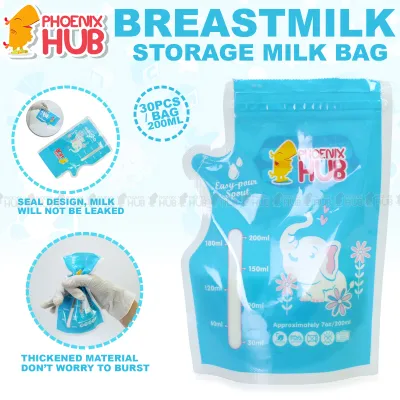
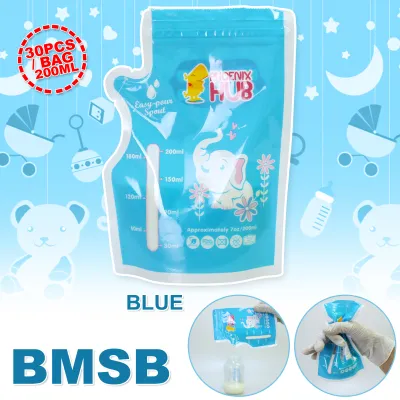
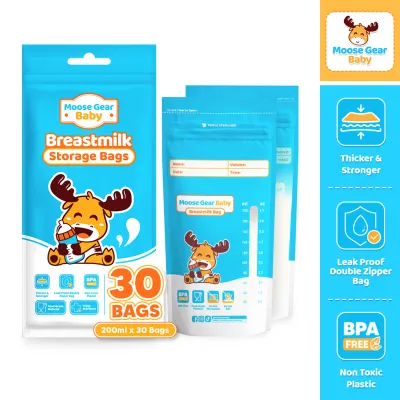
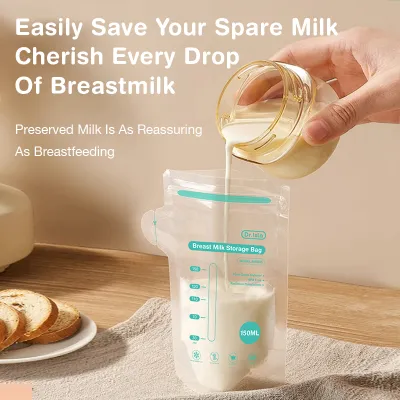
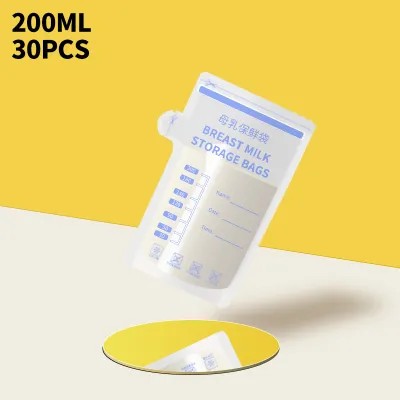
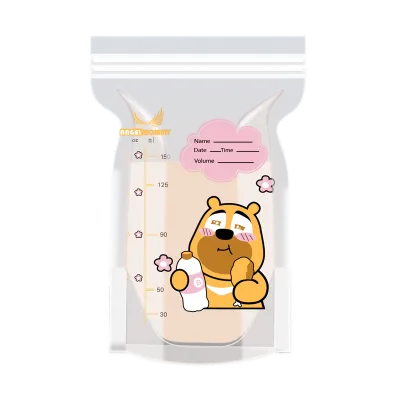
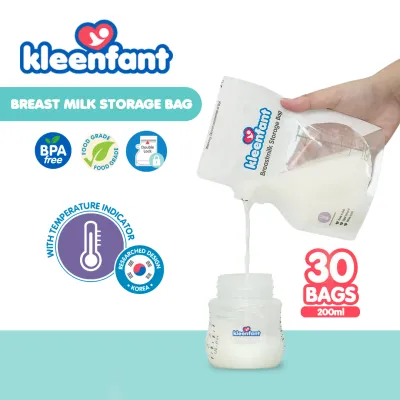
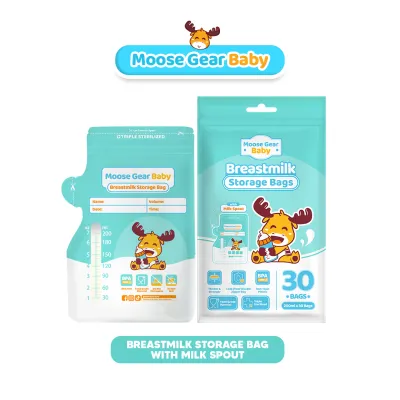
Prices are valid at publication and may change. Please refer to the product page for the latest price.
Heat tolerance is another critical factor to verify in the manufacturer’s instructions. While some specialized plastics can handle gentle warming, many standard breast milk storage bags are not designed to withstand high temperatures. Never expose these bags to microwaves, boiling water, or high-heat bottle warmers unless the manufacturer explicitly states it is safe to do so, as excessive heat can degrade the plastic and compromise the milk.
Matching Bag Capacity to Your Pumping Routine
Selecting the right bag volume is directly tied to your baby’s feeding patterns and your typical pumping yield. Standard bags generally range from 100 mL to 250 mL. If your baby typically consumes 120 mL per feeding, storing milk in 240 mL bags can lead to unnecessary waste, as thawed breast milk must be consumed within a limited timeframe and cannot be refrozen. Matching the bag capacity to your baby’s average meal size ensures you only thaw what is needed.

Accurate tracking requires reliable measurement markings. Examine the bag to see if the pre-printed measurement lines are marked in ounces, milliliters, or both. Keep in mind that these markings are often estimates; for precise tracking, it is best to measure the volume in a graduated baby bottle before pouring the milk into the bag.
The design of the bag’s base significantly impacts how you store it. Bags equipped with expansion gussets at the bottom are designed to stand upright on their own once filled. This self-standing feature makes the filling process much easier and helps organize your refrigerator or freezer shelves, preventing accidental tips and spills during the initial cooling phase.
Evaluating Seal Types to Prevent Leaks and Spills
A secure closure mechanism is vital to protect your milk from contamination and leaks, particularly during transport in a diaper bag or cooler. Standard single zip-lock seals can easily fail under pressure or if milk residue gets trapped in the tracks. Double zip-lock seals provide an extra layer of security, while slide-seal mechanisms offer a physical slider to ensure the tracks are fully engaged from end to end.
Pouring thawed milk out of a storage bag can easily lead to spills if the design is poor. Many modern bags feature a dedicated tear-away or cut-off spout located away from the main zip closure. This design allows you to pour the milk directly into a feeding bottle through a clean, narrow opening, minimizing the risk of spills and keeping the pouring path sanitary.
To ensure hygiene before the bag is even filled, look for tamper-evident features. High-quality options often come with a pre-sealed top that you must tear off to open the bag for the first time. This design guarantees that the interior of the bag has remained sterile and untouched by dust or moisture from the moment of manufacture until it reaches your hands.
Secondary Features That Simplify Freezing and Thawing
Proper organization in your freezer relies heavily on clear labeling. Look for bags that feature a dedicated write-on tab or label area that is physically separated from the milk storage compartment. This prevents your pen or marker from puncturing the inner layer. A textured surface on the label area makes it easier to write dates, times, and volumes clearly using a standard ballpoint pen or permanent marker, even in humid conditions where condensation can form quickly.
The overall shape of the bag determines how efficiently you can utilize your freezer space. Freezing bags completely flat is the most efficient method, as flat profiles stack neatly on top of each other and thaw much faster and more evenly than bulky, upright shapes. Once frozen flat, you can organize them vertically in a storage bin using a first-in, first-out (FIFO) system to ensure older milk is used first.
Some brands offer color-coding systems or visual indicators on the bags that change color when the milk reaches the correct feeding temperature. While these features add convenience, they should always be treated as secondary checks; always verify the temperature of the milk on your wrist before feeding your baby.
Building Your Breast Milk Storage Bag Shortlist
To find the perfect fit for your household, compile a checklist that balances essential safety specifications with your daily routine. Prioritize multi-layer, BPA-free materials with double zip-locks, then decide on the capacity that matches your baby’s current feeding stage.
Before committing to a large bulk box of 100 or more bags, it is wise to purchase a small starter pack. A small starter pack of 20 to 30 bags often costs around ₱150 to ₱300, making it a low-risk way to test how well the seal holds up in your specific freezer, how easy it is to write on the labels, and whether the pouring mechanism works smoothly with your preferred feeding bottles.
If you prefer a streamlined pumping process, check if the storage bags are compatible with direct-pump adapters. Some bags can be clipped directly to your breast pump flange, allowing you to pump straight into the bag and eliminate the need to transfer milk from a collection bottle, reducing both cleanup time and the risk of contamination.
Frequently Asked Questions (FAQ)
Can I reuse a breast milk storage bag after washing it?
No, breast milk storage bags are strictly designed and manufactured for single-use only. Attempting to wash, sterilize, and reuse these bags compromises their structural integrity, leading to micro-tears that can leak or harbor harmful bacteria. Always discard the bag immediately after a single use to ensure your baby’s safety.
Do I need to leave empty space at the top of the bag before freezing?
Yes, leaving empty space—often called headspace—at the top of the bag is essential because breast milk, like water, expands when it freezes. If you fill the bag completely to the brim, the expanding milk will put pressure on the seams and the seal, often causing the bag to burst or leak during the freezing or thawing process. Always follow the manufacturer’s maximum fill line to allow room for expansion.
Community discussion
Share your experience or ask a question. Comments are reviewed before publication.