
When setting up your baby’s nursery, comfort and safety must go hand in hand. The Baa Baa Sheepz pillow has gained popularity among parents for its soft texture and signature bamboo-derived fabric. However, determining whether it is safe for your baby requires a careful look at pediatric sleep guidelines and the specific design of the product. For infants under twelve months old, medical consensus is clear: pillows of any kind pose a serious safety risk and should not be placed in the crib. For older babies and toddlers who are developmentally ready, the safety of this pillow depends entirely on verifying its material integrity, checking for genuine safety certifications, and ensuring it is used in a safe sleep environment.
General Infant Sleep Safety and Age Guidelines
Pediatricians and child health organizations worldwide maintain strict guidelines regarding infant sleep environments to minimize the risk of Sudden Infant Death Syndrome (SIDS) and accidental suffocation. During the first year of life, a baby’s airway is highly vulnerable. Placing a pillow, loose blanket, or plush toy in the crib can easily obstruct their breathing if they roll over or if the fabric shifts during sleep. Because infants lack the motor skills and neck strength to lift or turn their heads away from soft surfaces, a flat, firm mattress covered only by a tight, fitted sheet remains the only recommended sleep surface.
Introducing a pillow too early can lead to positional asphyxiation, where a baby’s chin is pushed down toward their chest, crimping their windpipe and restricting oxygen flow. This risk is particularly high during the first twelve months, but many pediatric experts suggest waiting until a child is at least eighteen to twenty-four months old before introducing any head support. At this stage, their physical development is more advanced, and their shoulders are wider than their head, making a low-profile pillow more anatomically appropriate.
Products mentioned in this guide
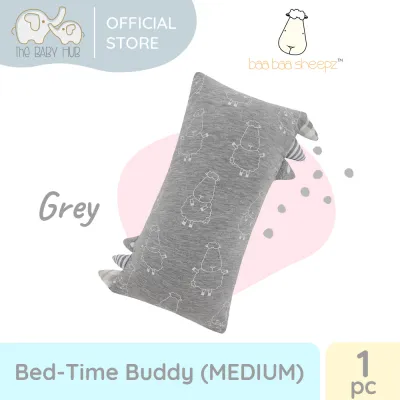
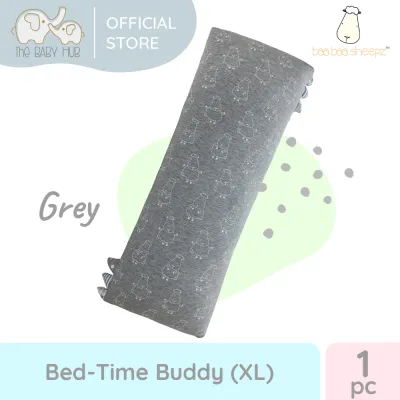
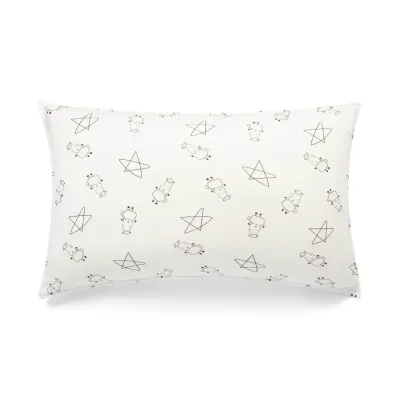


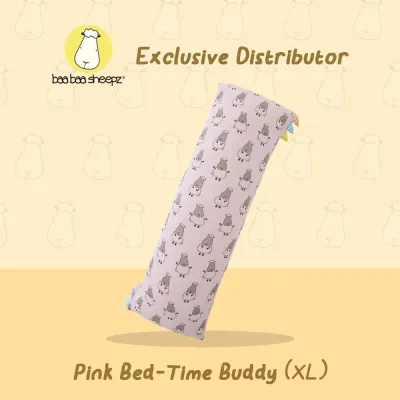
Prices are valid at publication and may change. Please refer to the product page for the latest price.
To determine if your toddler is ready for a pillow, look for specific physical and behavioral milestones rather than relying solely on age. If you notice your child consistently resting their head on a folded blanket, a stuffed animal, or your own arm during supervised rest, they may be seeking neck support. Additionally, toddlers who have transitioned from a crib to a toddler bed and sleep relatively still without constantly rolling around are generally better candidates for a small, firm pillow.
Essential Safety Features to Verify on the Baa Baa Sheepz Pillow
Before purchasing or using a Baa Baa Sheepz pillow, you must carefully inspect the product packaging, tags, and physical construction to ensure it aligns with safety standards. Start by checking the manufacturer’s official age and weight recommendations. These guidelines are designed to prevent premature use and ensure the pillow’s physical dimensions match your child’s developmental stage. Never ignore these age limits, even if the pillow feels exceptionally soft or lightweight.

The fabric cover and inner filling require close evaluation. Many premium toddler pillows utilize bamboo-derived viscose or cotton covers, which are favored for their soft texture and moisture-wicking properties. In tropical climates like the Philippines, high humidity and heat can cause babies to sweat excessively during sleep, making breathability a critical safety feature. Hold the fabric up to your light and check the weave; it should allow for adequate airflow while remaining dense enough to prevent any inner filling from escaping. Inspect the stitching along all seams to ensure there are no loose threads or weak points where the filling could leak, as loose fibers or stuffing can become inhalation or choking hazards.
Additionally, examine the pillow for any small, detachable components that could pose a danger. A safe toddler pillow should have a seamless design or a highly secure, recessed zipper that is completely inaccessible to curious fingers. Avoid pillows with decorative buttons, long ribbons, or loose tags that a child could chew off and swallow. If the pillow cover features a zipper, ensure the zipper slide is tucked away into a fabric pocket to prevent it from scratching your child’s face or becoming a choking hazard.
How to Check for Valid Safety Certifications and Material Labels
Marketing claims on online marketplaces can sometimes be misleading, making it essential for parents to verify safety certifications independently. When evaluating a Baa Baa Sheepz pillow, look for recognized textile and safety standards such as the OEKO-TEX Standard 100 or compliance with the Consumer Product Safety Improvement Act (CPSIA). An OEKO-TEX certification indicates that every component of the product, from the fabric to the thread and accessories, has been tested for harmful substances and is safe for close contact with sensitive infant skin.
To verify these claims, do not rely solely on a logo printed on a product listing. Genuine certifications will include a unique license or registration number on the physical product tag. You can enter this number directly into the official OEKO-TEX online database to confirm that the certification is active, valid, and registered to the correct manufacturer. If a seller claims a product is certified but cannot provide a verifiable registration number, treat the claim with caution.
If you purchase a pillow and find that it lacks clear safety labels, material disclosures, or washing instructions, it is best to withhold it from your child’s bed. A lack of transparent labeling often points to counterfeit goods or substandard manufacturing practices that do not meet local safety regulations. In such cases, contact the manufacturer directly or return the item to the authorized distributor to ensure you are not placing an unverified, potentially hazardous product in your child’s sleeping area. While authentic pillows may require a larger investment of several hundred pesos (₱), prioritizing safety over a cheap price tag is essential.
Creating a Safe Sleep Environment with Baby Bedding
Even the safest pillow can become a hazard if it is integrated into an unsafe sleeping environment. When you decide your toddler is ready for a pillow, the rest of the sleep space must remain highly organized and free of clutter. Do not surround the pillow with heavy quilts, multiple plush toys, or loose sheets. The crib or toddler bed should remain minimalist, with a firm mattress and a secure fitted sheet to prevent any accidental entrapment.
The physical dimensions of the pillow must be appropriate for the size of the bed. A pillow that is too large can create dangerous gaps between the mattress and the crib rails, where a child’s head or limbs could become wedged. Ensure the pillow sits flat on the mattress and does not slide around easily. If your child is still sleeping in a crib with slats, the pillow should be small enough that it does not press tightly against the sides, which could create a pocket of trapped air or restrict movement.
Parents must actively monitor their child during the initial weeks of introducing a pillow. Watch for observable signs of discomfort or physical strain during sleep, such as the neck being bent at an unnatural angle or the chin being pushed forward. If you notice your child sweating profusely, waking up frequently, or sliding off the pillow entirely, it may be too thick or warm for them. Any sign of restricted breathing, snoring, or restless positioning should prompt you to remove the pillow immediately and revert to a flat sleeping surface.
When to Seek Pediatric Advice for Special Sleep Needs
It is important to distinguish between standard commercial bedding and medical positioning devices. Many parents consider buying specialized pillows to address common infant concerns such as flat head syndrome (positional plagiocephaly) or infant acid reflux. However, commercial pillows, including those made from soft bamboo fabrics, are not medical devices and should never be used to treat these conditions without direct professional guidance.
Using a pillow to prop up an infant’s head to prevent flat spots or ease reflux can actually increase the risk of airway obstruction and suffocation. If you suspect your baby is developing a flat spot or is suffering from severe spit-up and discomfort after feeding, consult your pediatrician. They can recommend safe, medically approved techniques, such as supervised tummy time, physical therapy, or specific feeding adjustments, rather than relying on commercial bedding solutions.
If your child has underlying respiratory issues, allergies, or developmental delays, consult a qualified healthcare professional before introducing any pillow. Stop using the pillow immediately if your child experiences persistent coughing, wheezing, or skin rashes after contact with the bedding. Your pediatrician can help you determine if a hypoallergenic mattress protector or a different bedding material is necessary to keep your child safe and comfortable.
Frequently Asked Questions (FAQ)
Can a newborn use the Baa Baa Sheepz pillow?
No, newborns should never use a Baa Baa Sheepz pillow or any other type of head support. According to standard pediatric guidelines, newborns must sleep on a flat, firm surface completely free of loose bedding, pillows, and toys to prevent suffocation and reduce the risk of SIDS. Introducing a pillow to a newborn’s sleep environment is highly dangerous and contraindicated by medical professionals.
How do I clean the pillow safely without damaging it?
To clean the pillow safely, always locate and follow the specific care label attached to the product. Many bamboo-derived fabrics require gentle care, such as hand washing or using a delicate machine cycle with cold water and a mild, baby-safe detergent. Avoid using harsh chemical bleaches or fabric softeners, which can degrade the breathable fibers and compromise the fabric’s integrity. Ensure the pillow is completely dry before returning it to your child’s bed, as trapped moisture can promote the growth of mold and mildew, especially in humid climates.
What is the right age to introduce a pillow to a toddler?
Most pediatricians recommend waiting until a child is at least eighteen to twenty-four months old before introducing a small, low-profile pillow. At this age, their physical development, neck strength, and motor skills are advanced enough to handle head support safely. Always look for developmental cues, such as your toddler resting their head on stuffed animals or blankets, to determine if they are ready for this transition.

Community discussion
Share your experience or ask a question. Comments are reviewed before publication.