
Determining whether Tenderoo toothpaste is safe for your baby requires looking beyond the colorful packaging and understanding the specific formulation inside the tube. As a parent, your primary concern is ensuring that any product entering your infant’s mouth is gentle, non-toxic, and appropriate for their developmental stage. While Tenderoo offers oral care options designed for young children, safety is not a one-size-fits-all guarantee. It depends heavily on selecting the correct product variant, verifying the ingredients, and applying the paste in age-appropriate amounts.
In this guide, we will walk you through how to evaluate a tube of Tenderoo toothpaste, decode its ingredient list, manage fluoride exposure, and establish a safe brushing routine. By learning what to look for on the label and how to monitor your baby’s reaction, you can confidently support their early oral hygiene without compromising their health.
How to Verify the Safety of Your Tenderoo Toothpaste Tube
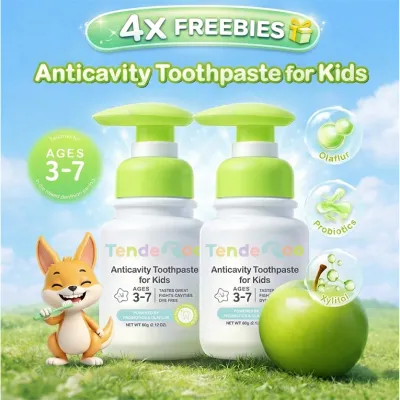
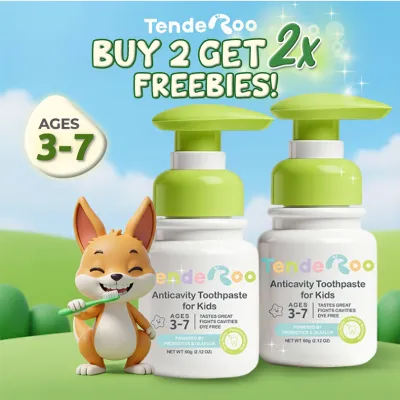
Before squeezing any toothpaste onto a brush, you must inspect the physical tube and packaging in your hands. Safety cannot be assumed based on brand reputation alone, as manufacturers often produce multiple formulas under the same brand name. Start by locating the explicit age recommendation printed on the front or back of the carton. Some formulations are tailored specifically for infants aged zero to two years, while others are intended for older toddlers who have learned how to spit.
Products mentioned in this guide
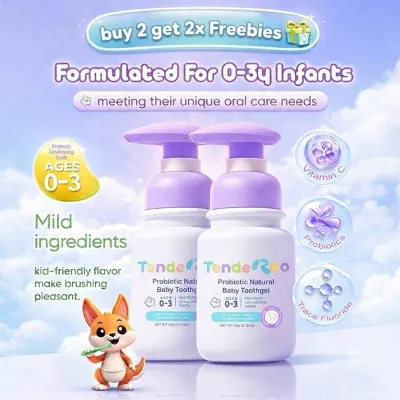
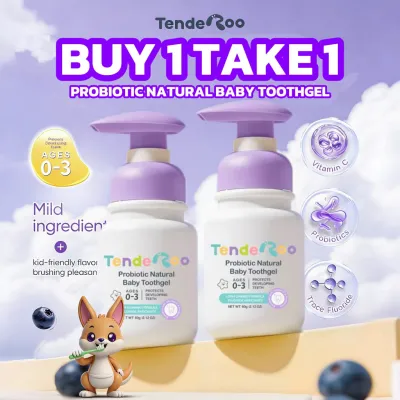
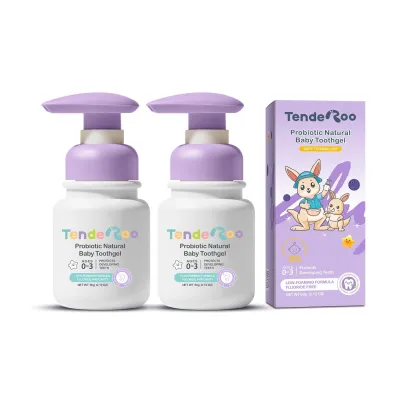

Prices are valid at publication and may change. Please refer to the product page for the latest price.
Next, look for clear “swallow-safe” or “safe if swallowed” labeling, which is crucial for infants who lack the coordination to spit out excess paste. In tropical climates where high humidity and heat can sometimes compromise packaging integrity, ensure the safety seal under the cap is completely intact before the first use. Additionally, verify that the product features local regulatory clearance, such as registration with the Food and Drug Administration of the Philippines, or endorsements from recognized pediatric dental associations. These markings confirm the batch has undergone standard quality checks before reaching retail shelves or online marketplaces.
Reading the Ingredient List: What to Avoid and What to Look For
Reading the fine print on the back of a toothpaste tube is one of the most effective ways to protect your baby’s developing oral microbiome. Infant oral tissues are highly sensitive and absorb substances more readily than adult gums. When reviewing a Tenderoo ingredient list, actively look for the absence of harsh foaming agents. Sodium lauryl sulfate (SLS), a common surfactant used to create lather in adult toothpastes, should be avoided in baby products because it can cause painful mouth sores and dry out delicate oral membranes.

Similarly, steer clear of artificial dyes, parabens, and strong artificial sweeteners like saccharin. Instead, look for formulations that utilize mild, plant-derived cleansing agents and natural humectants like vegetable glycerin to keep the paste moist. Safe baby toothpastes often incorporate xylitol, a natural sugar alcohol that helps inhibit cavity-causing bacteria without raising blood sugar levels. If your baby has a history of eczema, food allergies, or extreme skin sensitivities, cross-reference the ingredient list with your pediatrician before introduction. A quick consultation can prevent unnecessary allergic flare-ups triggered by hidden botanical extracts or synthetic flavorings.
Understanding Fluoride Levels and Swallowing Risks
The debate between fluoride and fluoride-free toothpaste is a central decision point for modern parents. Fluoride is highly effective at strengthening tooth enamel and preventing decay, but its introduction must be carefully timed. Because babies naturally swallow almost everything put into their mouths, introducing high-dose fluoridated toothpaste too early carries a risk of dental fluorosis. This condition occurs when excess fluoride is ingested during the years teeth are forming under the gums, leading to permanent white streaks or mottling on the adult teeth.
Pediatric dental guidelines generally recommend using a completely fluoride-free training paste for infants until they reach a specific age or until a pediatric dentist advises otherwise based on local water fluoridation levels. If you are considering a fluoridated Tenderoo variant, check the packaging for the exact fluoride concentration, typically measured in parts per million (ppm). For very young children, a low-fluoride formula (usually around 500 ppm or less) is standard in many regions, but it must only be used in microscopic amounts. Use a simple checklist to guide your choice: assess your baby’s ability to spit, determine if your local tap water is fluoridated, and consult a professional to decide if a fluoride-free training paste is the safest starting point for your household.
Matching Toothpaste Usage to Your Baby's Age and Teething Stage
Introducing toothpaste should align directly with your baby’s physical milestones rather than a rigid calendar date. The general rule of thumb is to begin brushing with a tiny smear of toothpaste as soon as the very first tooth erupts through the gums, which typically occurs between six and ten months of age. Introducing oral hygiene early helps get your baby accustomed to the sensation of brushing, making future dental care much easier to manage.
The volume of toothpaste you apply is just as important as the formula itself. For babies and toddlers under three years old, the correct amount is a minimal “smear” or a portion no larger than a single grain of uncooked rice. This tiny amount minimizes the risk of ingestion while still providing enough active ingredients to clean the tooth surfaces. For toddlers over three who are learning to spit, you can transition to a pea-sized amount. To make the process safer and more comfortable, cradle your baby’s head gently in your lap to secure their movement, use a soft-bristled infant toothbrush, and brush in gentle, circular motions to avoid irritating tender teething gums.
Recognizing Adverse Reactions and When to Stop Use
Even when using a highly rated baby toothpaste, individual sensitivities can still occur. Parents must remain vigilant for any physical signs of an adverse reaction during and after brushing. Inspect your baby’s mouth regularly for localized redness, swelling of the gums or lips, or a persistent rash around the mouth (perioral dermatitis). Other subtle signs of irritation include sudden, excessive drooling, fussiness during brushing sessions, or mild gastrointestinal upset if they happen to swallow a slightly larger amount of paste than usual.
If you observe any of these symptoms, stop using the toothpaste immediately and rinse your baby’s mouth with plain water. Transitioning back to a damp, clean cloth for oral care temporarily can help the tissues heal while you identify the trigger. Remember that baby-specific formulas are temporary stepping stones; as your child grows and develops the ability to spit reliably, you will need to transition them to toddler or children’s formulas. To ensure you are on the right track, schedule your baby’s first dental visit by their first birthday, allowing a pediatric dentist to evaluate their oral development and recommend the safest products for their specific needs.
Frequently Asked Questions (FAQ)
Should You Use Toothpaste Before the First Tooth Erupts?
No, toothpaste is not necessary before your baby’s first tooth emerges. Prior to teething, oral care should focus on keeping the gums clean and healthy. You can achieve this by gently wiping your baby’s gums with a clean, damp cloth or a soft silicone finger brush after feedings. This practice removes food residue, limits bacterial buildup, and helps desensitize your baby’s mouth to the sensation of daily oral cleaning before actual brushing begins.
Immediate Steps if Your Baby Swallows Too Much Toothpaste
If your baby accidentally swallows a small smear of toothpaste during brushing, there is generally no cause for alarm. However, if they manage to consume a larger quantity directly from an unsecured tube, take immediate action. Wipe any remaining paste from their mouth and offer them a small drink of water or milk; the calcium in milk can help bind fluoride in the stomach to minimize absorption. Monitor them for nausea, vomiting, or abdominal discomfort, and contact a healthcare professional or a local poison control center immediately if they exhibit symptoms or if you suspect a large amount was ingested.
Best Practices for Storing Baby Toothpaste
Proper storage is essential to maintain the safety and consistency of baby toothpaste, especially in warm, humid environments. Store the tube in a cool, dry place away from direct sunlight, such as a high cabinet or a dedicated nursery drawer, rather than on a damp bathroom counter. Always wipe the nozzle clean after use and seal the cap tightly to prevent bacterial contamination and keep the paste from drying out. Most importantly, keep the tube completely out of your baby’s reach to eliminate the risk of accidental ingestion.

Community discussion
Share your experience or ask a question. Comments are reviewed before publication.