
Welcoming a new baby brings a flood of decisions, especially regarding daily skincare routines. In the tropical climate of the Philippines, keeping a newborn dry and comfortable is a top priority for parents. Many households have long relied on tendercare baby powder to manage moisture and prevent heat rash or chafing. However, when it comes to the delicate, developing system of a newborn, safety guidelines require a closer look.
The short answer is that while tendercare baby powder is a household staple, its safety for newborns depends entirely on the specific formulation you choose, how you apply it, and whether your pediatrician approves its use. Pediatric associations worldwide generally advise against using loose powders on newborns due to the risk of accidental inhalation. Before shaking any powder onto your baby’s skin, it is essential to understand the active ingredients, the physical risks of airborne particles, and the safest application techniques.
The Short Answer: Is Tendercare Baby Powder Safe for Newborns?
The safety of any baby powder, including tendercare baby powder, is not a simple yes-or-no question. Instead, it depends heavily on the specific active ingredients in the bottle and the method of application. Different formulations use different base materials, and what is suitable for an older toddler may not be appropriate for a fragile newborn.
Products mentioned in this guide
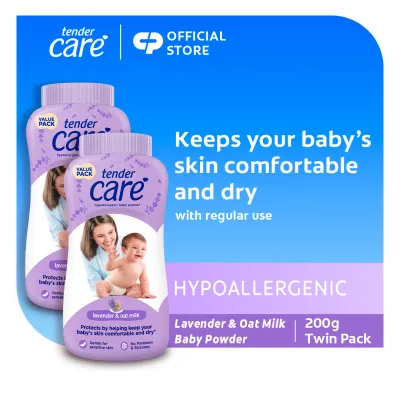
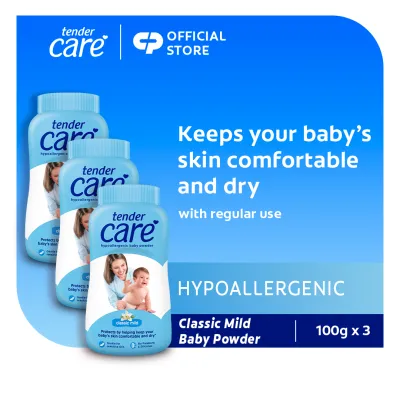
![[BUY 2 FREE 1] Tender Care Pink Soft Baby Powder - Hypoallergenic & Dermatologically Tested 100g Value Pack of 3](https://img.lazcdn.com/g/p/1a198013be52a2f9fc4725516f9fb01d.png_400x400q80.png_.webp)
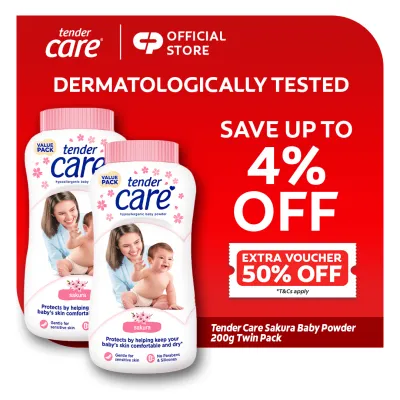
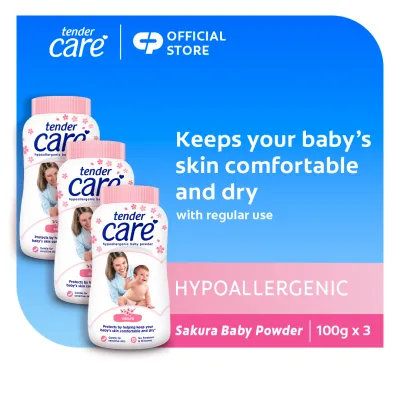
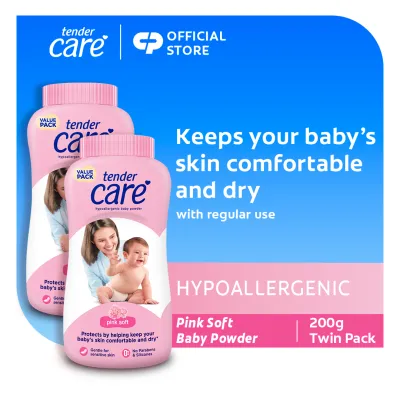

Prices are valid at publication and may change. Please refer to the product page for the latest price.
Major pediatric associations, including the American Academy of Pediatrics and local pediatric societies, generally advise caution or outright recommend avoiding loose powders for newborns. The primary concern is not always the skin itself, but the respiratory system. Newborns have highly sensitive, developing lungs that can easily be irritated by airborne particles, leading to accidental inhalation and respiratory distress.
Because formulations can change and skin sensitivities vary, parents must check the exact ingredient list on their specific product packaging. Always consult your pediatrician before introducing any powder to your newborn’s skincare routine. A healthcare professional can provide personalized guidance based on your baby’s health history and specific skin needs.
Checking the Label: Understanding Talc vs. Cornstarch Ingredients
To evaluate the safety of tendercare baby powder, you must first examine the physical container in your hand. Manufacturers frequently update their formulations, meaning two bottles of the same brand on a supermarket shelf might contain entirely different base ingredients. Turn the bottle over and locate the ingredient list to determine if you are holding a talc-based or a cornstarch-based product.

Historically, baby powders were primarily made of talc, a naturally occurring mineral composed of magnesium, silicon, and oxygen. In its natural state, some talc deposits can contain asbestos, a known carcinogen. While cosmetic-grade talc is highly refined and certified to be asbestos-free, medical authorities remain cautious. The primary concern for infants is not just chemical purity, but the physical structure of talc. Talc particles are extremely fine and can easily become airborne, posing a severe hazard if inhaled into a newborn’s tiny, developing lungs. Because of these safety concerns, many global health organizations recommend avoiding talc-based powders entirely for infants.
As a response to these concerns, cornstarch has become the primary alternative in modern baby powders. Derived from corn kernels, cornstarch consists of larger, heavier particles that do not suspend in the air as easily as talc, reducing the immediate risk of inhalation. While cornstarch is generally considered a safer alternative regarding chemical toxicity, it is not entirely without risk. It is still a loose powder that can be inhaled if mishandled. Furthermore, because cornstarch is an organic carbohydrate, it can serve as a food source for fungi, such as yeast, if applied to damp, compromised skin.
Potential Risks: Inhalation, Skin Irritation, and Caking
Newborn skin is incredibly thin, highly permeable, and still developing its natural protective barrier. In a warm, humid environment, managing sweat and friction is a constant challenge, but loose powders introduce several distinct risks that parents must weigh carefully.
Inhalation Risks
The most immediate danger associated with baby powder is respiratory distress. A newborn’s airway is exceptionally small and sensitive. When loose powder is shaken from a bottle, it creates an invisible cloud of fine particles. If a baby inhales these particles, they can travel deep into the lungs, causing immediate irritation, coughing, and wheezing. Over time, repeated exposure can lead to chronic respiratory issues, chemical pneumonia, or severe lung inflammation. This risk exists for both talc and cornstarch, as any fine particulate matter can irritate a newborn’s delicate respiratory tract.
Skin Caking and Moisture Trapping
In tropical heat, babies sweat frequently, particularly in their neck folds, armpits, and diaper areas. When loose powder is applied to damp skin, it does not simply disappear; it absorbs the moisture and forms a thick, pasty clump. This process, known as caking, traps sweat, urine, and friction right against the skin. Instead of keeping the baby dry, the caked powder creates an abrasive barrier that can worsen diaper rash and cause painful chafing. Furthermore, the warm, moist environment trapped beneath caked powder is the perfect breeding ground for bacteria and yeast.
Sensitivities and Allergies
Many baby powders contain added fragrances to give them that classic, clean baby scent. While pleasant, synthetic fragrances are common triggers for contact dermatitis and skin allergies in newborns. A newborn’s skin barrier is up to 30% thinner than adult skin, making it highly susceptible to irritation from botanical extracts, artificial scents, and preservatives. If your baby has sensitive skin or a family history of eczema, these added ingredients can trigger red, itchy patches and dry, flaky skin.
Harm Reduction: How to Apply Baby Powder Safely
If, after consulting your pediatrician, you decide to use tendercare baby powder to manage sweat and friction, you must adopt strict harm-reduction techniques. Minimizing the amount of airborne dust and keeping the product away from vulnerable areas can significantly reduce the risks associated with loose powders.
Keep Away from the Face
Under no circumstances should baby powder be applied near a newborn’s face, nose, mouth, or eyes. Shaking powder anywhere near the upper body increases the likelihood of the baby inhaling the airborne particles. Keep the container stored securely out of reach of children, and never let an older sibling play with the bottle near the infant.
The Hand-Pour Method
Never shake the powder bottle directly onto your baby’s skin. Instead, step slightly away from your baby and shake a small, controlled amount of powder directly into your own palm. Gently pat your hands together to settle any loose dust, and then carefully pat the powder onto the targeted areas of your baby’s skin. This method keeps the particles close to your hands and prevents the formation of a large, airborne cloud near the baby’s breathing zone.
Targeted Application
Limit the use of powder to areas highly prone to friction, such as the outer creases of the thighs. Avoid applying powder directly to the genital area. For baby girls, medical professionals strongly advise against applying any powder to the perineum or diaper area, as fine particles can migrate internally and cause irritation or long-term health concerns.
Preparation and Cleanup
Before applying any powder, ensure the baby’s skin is completely clean and 100% dry. Use a soft cloth to gently pat the skin dry after a bath or diaper change; never apply powder to damp skin, as this guarantees caking. During subsequent diaper changes, use a damp, gentle wipe to thoroughly clean away any leftover powder residue, ensuring that no buildup remains in the skin folds to cause irritation.
When to Stop and Safer Alternatives for Newborn Skin
Knowing when to stop using a product is just as important as knowing how to apply it. Parents must monitor their newborn closely for any adverse reactions and transition to safer, pediatrician-approved alternatives if issues arise.
Red Flags for Discontinuation
- Persistent coughing, wheezing, or rapid breathing during or after application.
- New or worsening redness, bumps, or a rough texture in the areas where powder is applied.
- A bright red, bumpy rash with small "satellite" spots in the diaper area, which often indicates a yeast infection.
- Signs of discomfort, such as your baby crying or pulling away when the powdered skin is touched.
Barrier Creams and Ointments For protecting the diaper area, pediatricians widely recommend fragrance-free barrier creams and ointments over loose powders. Products containing zinc oxide or white petrolatum (petroleum jelly) create a physical, breathable barrier that shields the skin from wetness and friction. Unlike powder, these creams do not carry an inhalation risk and will not cake or wash away easily, making them highly effective at preventing and treating diaper rash in tropical climates.
Hydrating Lotions If you are using baby powder to keep your baby’s skin feeling soft, consider replacing it with a gentle, hypoallergenic, fragrance-free baby lotion. Apply a thin layer after bath time to lock in moisture and support the skin’s natural barrier without clogging pores or releasing airborne dust.
Routine Adjustments The most effective way to prevent diaper rash and heat rash (bungang-araw) is through simple routine adjustments. Change your newborn’s diaper frequently to minimize contact with moisture. Allow your baby to enjoy diaper-free time on a clean, waterproof mat for a few minutes daily to let the skin air dry completely. When cleaning the diaper area, use warm water and a soft cloth, or mild, alcohol-free, and fragrance-free baby wipes to avoid stripping the skin’s natural oils.
Frequently Asked Questions (FAQ)
Can I use Tendercare baby powder on my newborn's face or neck folds?
No, you should never use baby powder on your newborn’s face or neck folds. Applying powder to the face puts the product directly in the baby’s breathing zone, drastically increasing the risk of inhalation and respiratory irritation. In the neck folds, where drool and sweat constantly accumulate, powder will quickly mix with moisture to form a thick, pasty cake. This caked residue traps moisture and bacteria against the skin, leading to painful friction rashes and yeast infections. Instead, gently pat the neck folds dry with a clean cotton cloth and keep the area clear of any powders.
Does cornstarch baby powder cause yeast infections?
Cornstarch itself does not cause yeast infections, but it can worsen an existing one or create conditions that allow yeast to thrive. Candida, the fungus responsible for yeast diaper rashes, feeds on carbohydrates. Because cornstarch is an organic carbohydrate, applying it to a warm, damp diaper area provides a direct food source for the fungus. If your baby already has a yeast infection, or if the skin is consistently damp, using cornstarch-based powder can cause the infection to spread and become more severe. If you suspect a yeast infection, stop using all powders and consult your pediatrician for an antifungal treatment.
What should I do if my baby accidentally inhales baby powder?
If your baby accidentally inhales baby powder, act quickly but remain calm. Immediately move your baby away from the powder cloud into fresh, clean air. Sit upright with your baby and monitor their breathing closely. Gently wipe any visible powder from their face, nose, and mouth using a clean, damp cloth. If your baby experiences mild coughing that resolves quickly and they return to breathing normally, continue to monitor them closely for the next few hours. However, if your baby exhibits persistent coughing, wheezing, rapid or shallow breathing, flared nostrils, grunting, or a blue tint around the lips, seek emergency medical attention immediately, as these are signs of severe respiratory distress.

Community discussion
Share your experience or ask a question. Comments are reviewed before publication.