
When you are caring for your baby’s delicate skin, especially in a warm and humid tropical climate like the Philippines, keeping them dry and comfortable is a constant daily challenge. Many parents turn to baby powder as a traditional remedy to combat sweat, friction, and diaper chafing. However, safety concerns surrounding traditional formulations have shifted the spotlight toward talc-free alternatives.
While switching to a talc-free baby powder eliminates the specific historical risks associated with talc mining and potential asbestos contamination, it does not make the product entirely risk-free. The truth is that any fine, loose powder can pose a significant inhalation hazard to your baby’s sensitive, developing lungs. Furthermore, plant-based starches can behave unexpectedly when mixed with sweat and moisture, sometimes worsening skin irritation rather than preventing it.
Understanding these nuances is essential for making an informed decision that protects both your baby’s breathing and their skin barrier. This guide helps you evaluate the safety profiles of different ingredients, understand the real risks to your baby’s breathing and skin, and establish safe application boundaries. Always consult your pediatrician for personalized advice regarding your baby’s specific skin and respiratory health.
Products mentioned in this guide
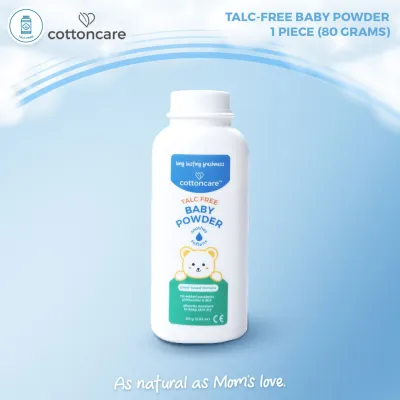
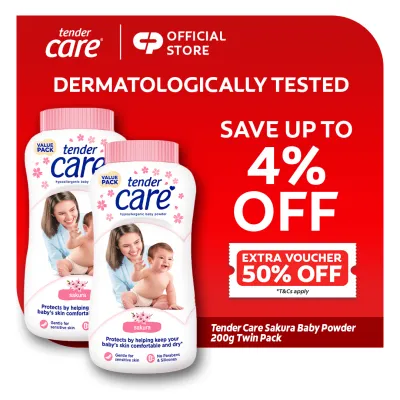
![[BUY 2 FREE 1] Tender Care Classic Mild Baby Powder - Hypoallergenic & Dermatologically Tested 100g Pack of 3](https://img.lazcdn.com/g/p/80e5214129fa997e2b1c6dca94ead629.png_400x400q80.png_.webp)
![[BUY 2 FREE 1] Tender Care Pink Soft Baby Powder - Hypoallergenic & Dermatologically Tested 100g Value Pack of 3](https://img.lazcdn.com/g/p/ad2be73c4cad55275aa02c34d9e427fc.png_400x400q80.png_.webp)
![[BUY 1 FREE 1] Tender Care Classic Mild Baby Powder - Hypoallergenic & Dermatologically Tested 200g x2](https://img.lazcdn.com/g/p/302bc979d85a5d59e97e49efef54084b.png_400x400q80.png_.webp)

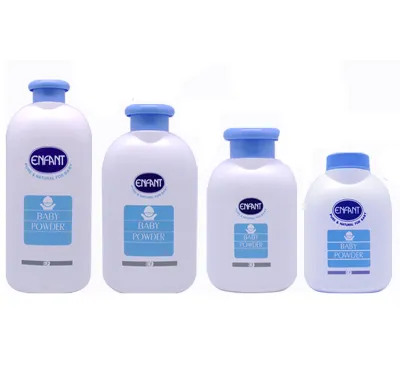
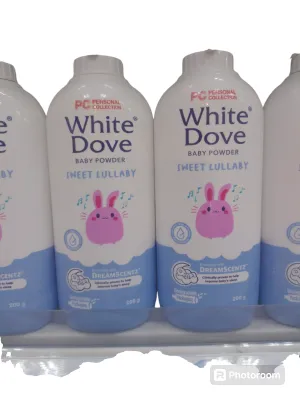
Prices are valid at publication and may change. Please refer to the product page for the latest price.
Understanding Baby Powder Ingredients: Talc vs. Plant-Based Alternatives
To make an informed choice, you must first learn how to identify what is actually inside the bottle. Flip the container over and locate the active ingredients list, which is typically found on the back label. Manufacturers are required to list ingredients in descending order of concentration, allowing you to quickly determine the primary base of the product.
Traditional baby powders rely on talc, a naturally occurring mineral composed of magnesium, silicon, oxygen, and hydrogen. Talc is highly valued for its ability to absorb moisture, reduce friction, and keep skin dry. However, talc deposits in the earth are often located in close proximity to asbestos, a highly toxic mineral known to cause serious respiratory diseases and cancers. Because of this geological overlap, raw talc can become contaminated with asbestos during the mining process.
In response to these safety concerns, many manufacturers have transitioned to plant-based alternatives. The most common substitute is cornstarch, derived from the maize plant. Other popular plant-based bases include tapioca starch, which comes from the cassava root, and arrowroot powder, harvested from tropical tubers. On product labels, these will often appear under their botanical names or simply as starch-based ingredients.
When evaluating current baby powders on the market, look for explicit manufacturer statements regarding asbestos-free testing, third-party quality seals, or independent laboratory verifications on the packaging. However, because these claims can vary by brand and region, verifying the exact testing standards and batch certifications directly with the manufacturer is a necessary step for complete peace of mind.
Evaluating Breathing Risks: The Inhalation Factor for All Powders
While choosing a talc-free powder eliminates the risk of asbestos exposure, it does not eliminate the risk of respiratory irritation. The physical form of the product—fine particulate matter—is the primary hazard. When any loose powder is shaken, squeezed, or applied, it creates an airborne cloud of microscopic particles that can easily hang in the air.

Infants have highly sensitive, developing respiratory systems with narrow airways. When a baby breathes in these airborne particles, the dust can travel deep into their lungs. This is true whether the powder is made of mineral talc or organic, food-grade cornstarch. The lungs do not differentiate between the chemical compositions of these fine dusts; both act as physical irritants that can trigger immediate coughing, sneezing, and airway inflammation.
Repeated inhalation of fine powders can lead to chronic respiratory issues, including bronchitis or general dust pneumonitis. For babies with underlying respiratory sensitivities, such as a family history of asthma or reactive airway disease, even a tiny puff of starch-based powder can trigger a severe bronchospasm.
To minimize these breathing risks, you must adopt safe physical application methods. Never shake the powder container directly over your baby’s body, and never spray it near their face. Instead, step slightly away from your baby, shake a small amount of powder directly into your own palm, and gently pat it onto the baby’s skin. Keep the container tightly closed and stored far out of reach of children to prevent accidental spills or sudden puffs of dust. If your baby shows any signs of respiratory sensitivity, stop using loose powders entirely and switch to cream or lotion alternatives.
Assessing Skin Safety and Common Irritation Triggers
Beyond respiratory concerns, plant-based powders present unique trade-offs when it comes to skin safety. In highly humid environments, such as the tropical climate of the Philippines, babies sweat frequently. While plant-based starches like cornstarch are highly absorbent, they are also organic materials that react differently to moisture than inert minerals like talc.
When cornstarch or tapioca starch mixes with sweat and urine in the warm, dark environment of a diaper, it can clump together and create a paste. This paste can trap moisture against the skin, leading to friction, chafing, and skin breakdown. Furthermore, starch is a carbohydrate, which means it can serve as a food source for microorganisms. If your baby has a yeast infection, applying a starch-based powder can actually feed the yeast, causing the infection to spread and worsen.
Another critical factor in skin safety is the presence of added ingredients. Many baby powders contain added fragrances, essential oils, or preservatives to mask odors or provide a pleasant scent. These additives are common contact allergens and skin irritants. Even a talc-free, organic starch base can cause a severe contact dermatitis if it is heavily scented.
Monitor your baby’s skin closely for any adverse reactions. If you observe new redness, tiny red bumps, a rough texture, or if an existing diaper rash seems to intensify or spread after application, discontinue use immediately. Clean the area thoroughly with lukewarm water and a mild, fragrance-free cleanser, and consult your pediatrician.
How to Choose and Apply Baby Powder Safely
If you decide to use baby powder, a careful selection and application routine can help minimize risks. When shopping, look for products labeled “fragrance-free” rather than “unscented” (as unscented products may still contain masking fragrances). Verify the ingredient list to ensure it contains minimal, recognizable plant starches without unnecessary chemical additives. Check that the packaging features a secure, twist-lock or child-resistant cap to prevent toddlers from opening the bottle and creating a hazardous dust cloud.
Before applying the powder, ensure the room is well-ventilated and free of strong drafts from fans or air conditioners that could blow the powder around. Keep the baby securely supported on a changing table or flat surface. Dispense a small amount of powder into your hand, away from the baby’s face. Rub your hands together gently to minimize loose dust, then pat the powder onto the target areas, avoiding the baby’s face, nose, mouth, and genitals directly. Wipe away any excess powder that accumulates in skin folds to prevent clumping. Close the container immediately and store it in a high, locked cabinet.
In many cases, you may find it safer to bypass powders entirely. If your baby has sensitive skin, eczema, or persistent diaper rashes, opt for zinc oxide-based barrier creams, petroleum jelly, or hypoallergenic emollients. These topical treatments create a physical shield against moisture and friction without any risk of inhalation or yeast proliferation.
Frequently Asked Questions (FAQ)
Is cornstarch baby powder safe to use on an active diaper rash?
No, it is generally not recommended to use cornstarch baby powder on an active diaper rash, especially without consulting a healthcare professional first. Active diaper rashes are often compromised skin barriers that may be complicated by yeast or bacterial infections. Because cornstarch is a carbohydrate, it can serve as a food source for Candida albicans, the fungus responsible for yeast diaper infections. Applying cornstarch to an active rash can trap moisture, promote fungal growth, and worsen the inflammation. Instead, keep the area clean and dry, allow for air time, and apply a pediatrician-approved barrier cream containing zinc oxide or petroleum jelly.
What immediate steps should I take if my baby inhales baby powder?
If your baby accidentally inhales baby powder, act quickly but remain calm. Immediately move your baby away from the powder source into a well-ventilated area with fresh air. Gently wipe any visible powder away from their nose and mouth with a clean, damp cloth. Encourage them to cough if they are old enough, or keep them upright to help clear their airway. Monitor them closely for any signs of respiratory distress. If you observe persistent coughing, wheezing, rapid or shallow breathing, flaring nostrils, chest retractions (the skin pulling in around the ribs), blue-tinted lips or skin, or unusual lethargy, seek emergency medical attention immediately.

Community discussion
Share your experience or ask a question. Comments are reviewed before publication.