
Talc-free baby powder is generally considered a safer option for newborns because it eliminates the risk of inhaling microscopic talc particles, which can cause severe respiratory irritation and long-term lung issues. While traditional talc-based powders have been used for generations to keep skin dry, modern pediatric guidelines strongly advise against using loose talc around infants due to these inhalation hazards. However, choosing a talc-free alternative is not as simple as grabbing any bottle labeled “natural.” Even alternative powders like cornstarch carry minor inhalation risks if mishandled, and they can behave differently under specific environmental conditions, such as high humidity. Understanding these differences is essential for protecting your newborn’s delicate skin and respiratory health.
When deciding on the best skincare routine for your baby, it helps to look closely at the ingredients and application methods of products like baby flo powder. While some formulations of baby flo powder utilize traditional talc, others are formulated with cornstarch or other talc-free alternatives to cater to different parental preferences and safety concerns. By evaluating the safety profiles, environmental factors, and proper application techniques of both options, you can make an informed decision that keeps your newborn comfortable, dry, and safe from unnecessary health risks.
Understanding Safety Concerns With Traditional Talc Powder
Traditional baby powders are made from talc, a naturally occurring mineral composed of magnesium, silicon, and oxygen. Talc is highly valued in cosmetics and personal care products for its ability to absorb moisture, reduce friction, and keep skin feeling silky smooth. However, the physical properties that make talc so effective at absorbing moisture also contribute to its primary safety risk: its extremely fine particle size. When talc powder is shaken or applied, it easily becomes airborne, creating a cloud of microscopic dust that can be easily inhaled by a newborn.
Products mentioned in this guide
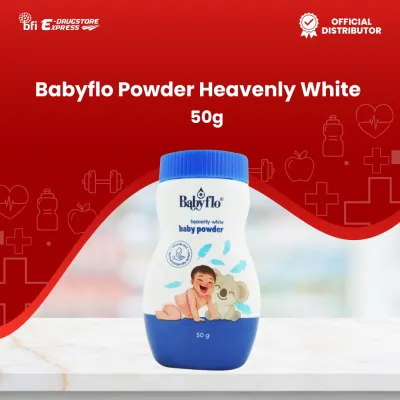
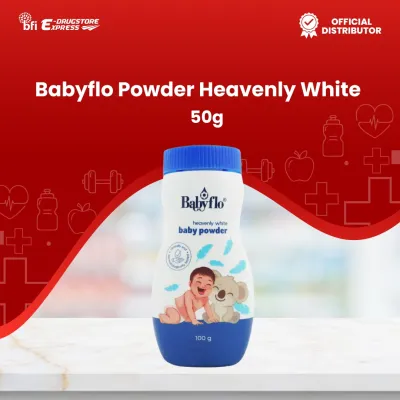
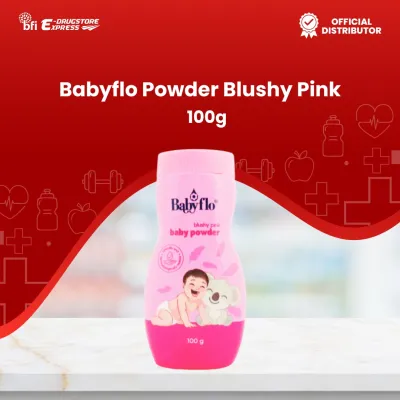
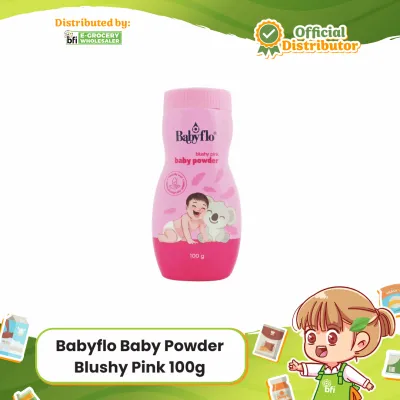
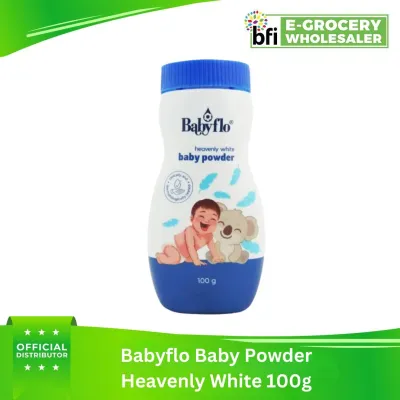
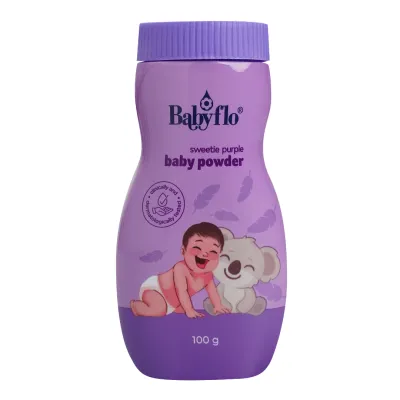
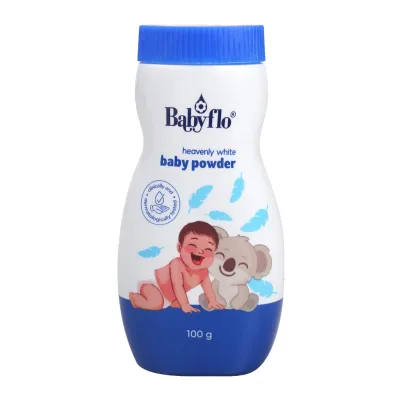
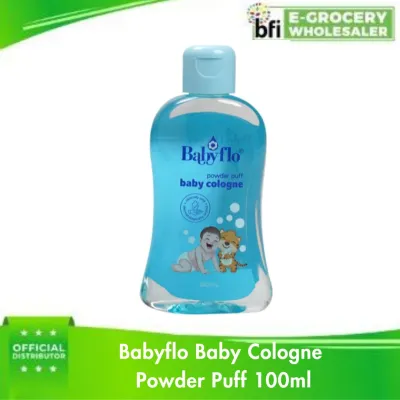
Prices are valid at publication and may change. Please refer to the product page for the latest price.
Newborns have highly sensitive, rapidly developing respiratory systems with narrow airways. Inhaling even small amounts of fine talc dust can irritate their delicate lungs, leading to immediate symptoms such as coughing, choking, sneezing, or rapid breathing. In severe cases, repeated inhalation of talc can cause chronic respiratory issues or chemical pneumonia, a serious inflammatory condition of the lungs. Because infants frequently move and wiggle during diaper changes, the risk of accidental inhalation is particularly high when loose powder is applied near their upper body or face.
Beyond the immediate respiratory risks, historical concerns regarding talc safety center on the potential for contamination. In its natural state, talc deposits are sometimes located in close proximity to asbestos, a known carcinogen. While modern cosmetic-grade talc is subjected to purification processes, concerns about trace contamination have led many parents and regulatory bodies to seek alternatives. To verify the safety of any talc-based product, parents should carefully inspect product labels for safety testing claims, looking for indications of rigorous purification or third-party testing, though many choose to avoid the ingredient entirely to eliminate any perceived risk.
Before applying any powder to your newborn, it is crucial to read the manufacturer’s label thoroughly. Check for specific age recommendations, as some powders are not intended for use on newborns or infants under a certain age. Look for explicit warnings regarding application, such as keeping the powder away from the baby’s nose and mouth. Understanding these warnings and the specific conditions under which the product should be used is the first step in ensuring your baby’s safety, regardless of whether you choose a talc-based or talc-free formulation.
Evaluating Talc-Free Alternatives Like Cornstarch
In response to safety concerns surrounding traditional talc, many manufacturers have turned to cornstarch as the primary active ingredient in talc-free baby powders. Cornstarch is a natural, edible starch derived from corn kernels, making it a popular choice for parents seeking a more organic approach to baby care. When comparing the physical characteristics of cornstarch and talc, the most notable difference is the particle size. Cornstarch particles are naturally larger and heavier than talc particles, which means they do not suspend in the air as easily or remain airborne for as long, slightly reducing the risk of accidental inhalation.

Despite the larger particle size, cornstarch powder is not entirely free of inhalation risks. If a bottle of cornstarch powder is squeezed or shaken vigorously, it can still produce a cloud of fine dust that a newborn can inhale, leading to temporary coughing or airway irritation. Therefore, while cornstarch is generally considered a safer alternative to talc from a respiratory standpoint, it must still be handled with a high degree of caution to prevent the baby from breathing in the dust.
Another critical factor to consider when evaluating cornstarch-based powders is how they interact with moisture, particularly in warm and humid tropical climates. Unlike talc, which is an inorganic mineral, cornstarch is an organic carbohydrate. When cornstarch absorbs sweat, urine, or drool in the deep skin folds of a newborn, it can create a warm, moist, and nutrient-rich environment. This specific combination can promote the rapid growth of fungi and yeast, particularly Candida albicans, which is a common cause of severe diaper rash and skin fold infections.
Because of this biological difference, using cornstarch powder on a baby who already has a yeast infection or a raw, broken diaper rash can actually worsen the condition rather than soothe it. Parents must carefully inspect the newborn’s skin before application; if the skin folds are red, irritated, or damp, applying cornstarch may trap moisture and feed fungal growth. Additionally, it is important to verify the complete ingredient list on “talc-free” products, as some formulations may contain added fragrances, essential oils, or preservatives that can trigger allergic reactions or irritate sensitive newborn skin.
Safe Application and Non-Powder Alternatives for Newborns
If you decide to use a talc-free baby flo powder or cornstarch-based product, adopting safe application techniques is essential to minimize any remaining risks. Never shake the powder bottle directly onto your baby’s body, as this action releases a concentrated cloud of dust directly into their breathing zone. Instead, step slightly away from your baby, shake a small amount of powder into your own palm, and gently pat your hands together to settle the dust. Once the airborne particles have dissipated, gently smooth the powder onto your baby’s skin folds, ensuring you avoid the face, nose, and mouth entirely.
Always store the powder container tightly closed and completely out of reach of children. Toddlers can easily open powder bottles and create large clouds of dust, leading to accidental inhalation emergencies. Furthermore, limit the use of powder to areas that are completely dry; applying powder to wet skin will only cause the product to clump, paste, and lose its friction-reducing properties, which can lead to further skin chafing and discomfort for your newborn.
For many parents, the safest approach is to bypass loose powders entirely and rely on non-powder alternatives for moisture control and diaper rash prevention. Barrier creams, ointments, and lotions are highly effective at protecting a newborn’s skin without posing any respiratory risks. Zinc oxide-based barrier creams, for example, create a thick, protective shield over the skin that repels moisture from wet diapers, preventing the friction that leads to diaper rash. Ointments containing petroleum jelly or lanolin can also soothe dry skin and protect the skin barrier without clumping or feeding yeast. While high-quality barrier creams or ointments may cost slightly more than a standard bottle of powder—typically ranging from ₱150 to ₱400 depending on the brand—they offer targeted protection that loose powders cannot match.
In hot and humid environments, adjusting your daily skincare routine can significantly reduce the need for any powder. Rather than relying on products to absorb excess moisture, focus on keeping the baby’s skin naturally clean and dry. This can be achieved by increasing the frequency of diaper changes, allowing your baby to enjoy “diaper-free time” on a clean towel to let their skin air out, and gently patting the skin dry with a soft, clean cotton cloth after baths or diaper changes instead of rubbing. These simple adjustments help maintain a healthy skin barrier naturally, minimizing the risk of irritation.
When to Stop Using Powder and Consult a Pediatrician
While baby powders can be helpful for maintaining dryness, they are not suitable for all situations, and parents must be ready to discontinue their use at the first sign of trouble. If you notice any redness, tiny red bumps, raw patches, or a worsening rash in your baby’s diaper area or skin folds, stop using the powder immediately. These symptoms often indicate that the skin barrier has been compromised, or that a yeast infection has developed, both of which can be aggravated by the continued application of loose powders, particularly those containing cornstarch.
Respiratory symptoms are another critical trigger for stopping powder use. If your newborn coughs, wheezes, exhibits rapid or shallow breathing, or shows signs of nasal flaring during or after you apply powder, discontinue the product immediately and seek medical attention. Even minor respiratory irritation should not be ignored, as a newborn’s airways are highly reactive and can constrict quickly in response to inhaled particles.
If your baby’s skin irritation does not improve within a few days of stopping the powder, or if the rash appears to be spreading, consult a pediatrician for a professional evaluation. A pediatrician can accurately diagnose the underlying cause of the rash—whether it is a fungal infection, contact dermatitis, or simple chafing—and recommend targeted treatments such as mild medicated creams or ointments. Transitioning to alternative skincare products under professional guidance ensures that your newborn’s skin heals safely and effectively without further complications.
Frequently Asked Questions (FAQ)
Can I use baby powder on a newborn's face or neck folds?
No, you should never use baby powder on a newborn’s face or neck folds. Applying powder near the face puts the baby at an extremely high risk of inhaling the fine particles directly into their lungs, which can cause respiratory distress or irritation. Neck folds are also high-risk areas because they are very close to the baby’s nose and mouth, and they frequently collect drool and milk, which can cause the powder to clump into a paste that irritates the skin. Instead of using powder, clean your baby’s neck folds daily with warm water, pat them completely dry with a soft, clean cloth, and apply a thin layer of a gentle, pediatric-approved barrier cream if the skin becomes red or chafed.
Is liquid talc or powder lotion a safer alternative?
Yes, liquid talc or powder lotions are generally considered much safer alternatives to traditional loose powders because they completely eliminate the risk of inhalation. These products are formulated as creams or lotions that glide smoothly onto the baby’s skin and dry down to a soft, powdery finish, absorbing moisture without releasing any airborne dust. However, because these are liquid formulations, parents must be diligent about checking the ingredient list on the product label. Ensure the product is free of alcohol, strong fragrances, and common allergens that could dry out or irritate a newborn’s sensitive skin barrier, and always verify the manufacturer’s age suitability guidelines before applying it to your baby.

Community discussion
Share your experience or ask a question. Comments are reviewed before publication.