
Sudocrem Original Cream is widely recognized as a household staple for managing diaper rash, but when it comes to the delicate skin of a newborn, parents must exercise extra caution. The short answer is that this classic barrier cream is generally safe for newborn babies, provided it is applied correctly and used strictly for its intended purposes. However, because a newborn’s skin is up to thirty percent thinner than adult skin, it absorbs substances more rapidly and is highly susceptible to irritation from fragrances, preservatives, and heavy formulations.
Before purchasing the popular 125g tub or applying it to your infant, understanding what goes onto your baby’s skin is the first step in safe care. In tropical climates where high humidity and heat are constant factors, diaper rash can develop quickly due to trapped moisture and friction. Choosing the right protective barrier and knowing how to apply it can make a significant difference in keeping your baby comfortable and rash-free.
Checking the Ingredients in Sudocrem Original Cream
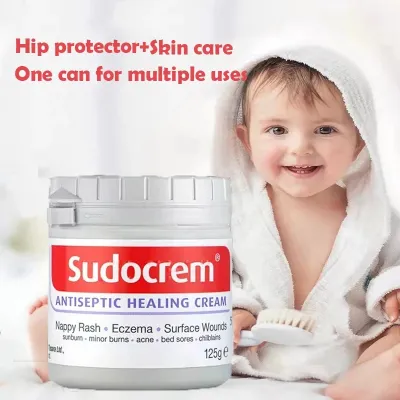
When evaluating any skincare product for a newborn, the ingredient list is your most reliable guide. Sudocrem Original Cream relies on a combination of active ingredients and emollient bases designed to soothe irritated skin and form a protective shield against moisture. The primary active ingredient is zinc oxide, a mild astringent that helps reduce the loss of tissue fluid and provides a physical barrier against wetness. This is supported by anhydrous hypoallergenic lanolin, an emollient that mimics the skin’s natural oils to soften and soothe dry or chapped areas.
Products mentioned in this guide


Prices are valid at publication and may change. Please refer to the product page for the latest price.
In addition to these soothing agents, the formulation contains paraffin wax and other synthetic bases that help create a water-repellent seal over the skin. However, parents should also look closely at the secondary ingredients listed on the packaging. The original formulation contains benzyl alcohol, which acts as a mild local anesthetic and disinfectant to ease discomfort, as well as benzyl benzoate and benzyl cinnamate. While these components serve important roles in preserving the product and reducing irritation, they can occasionally act as sensitizers for highly sensitive or compromised skin.
While lanolin is highly effective at locking in moisture, some babies can have a lanolin allergy, which is why checking the label and patch-testing is so critical. Because formulations can vary slightly depending on the region of manufacture or the specific batch, it is essential to verify the label on the exact 125g container you purchase. Some regional variations may include different fragrance profiles or preservative systems.
The 125g tub is a popular size for home use, but because it is a tub where you dip your fingers, parents must wash their hands thoroughly before each use to avoid introducing bacteria into the container. Before applying the cream to your newborn’s diaper area, performing a simple patch test is highly recommended. Apply a tiny, pea-sized amount of the cream to a small, healthy patch of skin on your baby’s arm or leg and monitor the area for twenty-four hours to ensure no redness, swelling, or irritation develops.
Safe Application Steps for Newborn Skin
Applying barrier creams to a newborn requires a gentle touch and a specific technique to ensure the product works effectively without causing further skin issues. The absolute prerequisite for any application is ensuring the diaper area is completely clean and thoroughly dry. In warm, humid environments, trapping even a small amount of moisture beneath a heavy barrier cream can create an ideal breeding ground for yeast and bacteria, potentially worsening diaper dermatitis. Use a soft, damp cloth or alcohol-free, fragrance-free wipes to clean the skin, then gently pat the area dry with a clean towel or let it air-dry completely.

Once the skin is dry, apply the cream using a “thin layer” technique. Many parents make the mistake of slathering on a thick, white paste, believing that more cream equals better protection. In reality, a heavy buildup of cream can clog pores, prevent the skin from breathing, and make subsequent cleanings difficult and painful for the baby. Take a small amount of the cream on your fingertips and gently smooth it over the vulnerable areas until it forms a translucent, barely visible film. If the skin still looks heavily white after application, you have likely used too much.
Because zinc oxide is water-resistant, it does not wash away easily with water alone. Parents should use a gentle baby oil or a mild baby wash to clean off the residue during diaper changes without rubbing the skin too harshly, which could cause friction burns or irritation. Additionally, allowing your baby to spend some time without a diaper on a clean towel or waterproof mat is one of the most effective ways to let the skin heal naturally, especially in warm, humid tropical climates.
There are also specific conditions and areas where you should never apply this cream. Avoid putting it on open wounds, deep cuts, bleeding skin, or weeping lesions, as the ingredients are not formulated for deep tissue absorption. Keep the cream far away from your baby’s eyes, nose, and mouth to prevent accidental ingestion or mucosal irritation. If your baby has a severe diaper rash that appears raw, blistered, or bleeding, stop using over-the-counter barrier creams immediately and seek professional medical advice.
Spotting Side Effects and When to Stop
While adverse reactions to zinc oxide-based barrier creams are relatively rare, they can occur, particularly in newborns with extremely sensitive skin or pre-existing allergic conditions. Parents must remain vigilant and monitor their baby’s skin closely after each application. The most common adverse reaction is contact dermatitis, which presents as localized irritation where the cream was applied. You may notice increased redness, swelling, small bumps, hives, or a rash that seems to spread or worsen rather than improve after using the product.
If you observe any of these signs, the immediate course of action is to stop using the cream. Gently wash the area with lukewarm water and a mild, fragrance-free baby cleanser to remove all traces of the product, then pat the skin dry. Do not apply other creams or home remedies to the irritated area until you have identified the cause of the reaction. Continuing to apply a product to sensitized skin can exacerbate the irritation and lead to secondary infections.
It is also important to distinguish between a standard diaper rash and a yeast infection. A yeast infection often presents as bright red, defined patches with small satellite spots nearby, and it does not respond to standard zinc oxide barrier creams. If you suspect a yeast infection, a pediatrician must prescribe a specific antifungal treatment.
Knowing when to transition from home care to professional medical evaluation is crucial for newborn health. You should consult a pediatrician if the diaper rash does not show signs of improvement after three to four days of consistent, proper care, or if it worsens rapidly. Additionally, seek immediate medical attention if you notice signs of a secondary bacterial or fungal infection, such as pus-filled blisters, yellow crusting, peeling skin, or if your baby develops a fever or seems in unusual pain and discomfort during diaper changes.
Comparing Sudocrem with Other Diaper Rash Creams
Choosing the right diaper care product often involves comparing different formulations to match your baby’s specific skin needs and your daily routine. Sudocrem is characterized by its thick, paste-like consistency, which provides a highly durable barrier that stays in place even during long periods between diaper changes, such as overnight. However, this thick texture can be more challenging to spread smoothly and wash off compared to lighter, lotion-based alternatives.
When comparing active ingredients, zinc oxide-based creams like Sudocrem are generally preferred for active diaper rash prevention and mild irritation because they physically block moisture. In contrast, petroleum-based ointments are highly effective for daily moisture protection and dry skin but do not offer the same astringent properties. For parents seeking botanical or fragrance-free options, there are alternative creams that utilize natural oils, calendula, or chamomile, though these may lack the heavy-duty barrier performance of zinc oxide and still require careful patch-testing for plant-based allergens.
To help you decide which type of barrier product fits your newborn’s skin profile, consider the following comparison of common diaper cream characteristics:
| Feature | Zinc Oxide Pastes (e.g., Sudocrem) | Petroleum-Based Ointments | Botanical/Natural Creams |
|---|---|---|---|
| Primary Function | Active barrier protection and skin soothing | Daily moisture prevention and skin softening | Mild soothing and natural hydration |
| Texture | Thick, dense, and long-lasting paste | Greasy, translucent, and easy-to-spread ointment | Lightweight, creamy, and fast-absorbing lotion |
| Best Suited For | Preventing and managing mild to moderate diaper redness | Daily protection on healthy skin and dry patches | Parents preferring plant-based, fragrance-free options |
| Ease of Removal | Requires gentle wiping with oil or mild cleanser | Wipes off easily with standard baby wipes | Washes away easily with water |
| Key Consideration | Contains mild fragrances and preservatives | Lacks active astringent properties for wetness | Higher risk of botanical or essential oil sensitivity |
Frequently Asked Questions (FAQ)
Can I use Sudocrem Original Cream on my newborn's face or eczema?
Sudocrem Original Cream is formulated primarily for the diaper area and body skin, and it is not recommended for use on a newborn’s delicate facial skin or unverified eczema. The skin on a baby’s face is exceptionally thin and sensitive, and the fragrances and preservatives in the original formula may cause irritation or clog pores. Furthermore, applying cream near the face increases the risk of the baby accidentally rubbing it into their eyes or mouth. If your newborn has dry patches, baby acne, or suspected eczema on their face, consult your pediatrician for a safe, fragrance-free treatment plan specifically designed for facial application.
How often should I apply the cream during diaper changes?
For active diaper redness or prevention, you can apply a very thin layer of the cream during every diaper change, especially before bedtime or long car rides when the baby will wear a wet diaper for an extended period. However, you should always adjust the frequency based on your baby’s skin condition and the product’s label instructions. If your baby’s skin is healthy and clear, you do not need to apply a barrier cream at every change; instead, focus on keeping the skin clean, dry, and exposed to fresh air whenever possible to maintain a natural, healthy skin barrier.

Community discussion
Share your experience or ask a question. Comments are reviewed before publication.