
Choosing between Sudaypo cream and other diaper rash creams in the Philippines depends on your baby’s specific skin needs, the severity of the rash, and your ingredient preferences. Since formulations vary, this guide provides a structured framework to evaluate Sudaypo against other widely available local options, helping you make an informed, safe choice for your baby’s delicate skin.
In the tropical climate of the Philippines, high humidity and heat can exacerbate diaper rash, making the choice of protective barrier cream highly critical. Parents must balance the need for a strong moisture barrier with the practicalities of daily application, cleanup, and local availability. By systematically comparing active ingredients, textures, and costs, you can determine whether Sudaypo cream or a traditional alternative best fits your baby’s daily skincare routine.
Understanding Sudaypo Cream's Core Profile
To evaluate whether Sudaypo cream is the right fit for your baby, you must first establish a baseline of what this specific product offers. Because product formulations can change and different batches may feature distinct ingredients, always start by inspecting the physical packaging or the official online store listings of authorized distributors. Look closely at the active ingredients list to identify the primary compounds responsible for protecting your baby’s skin.
Products mentioned in this guide

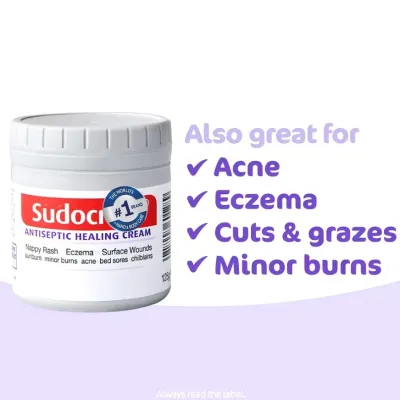
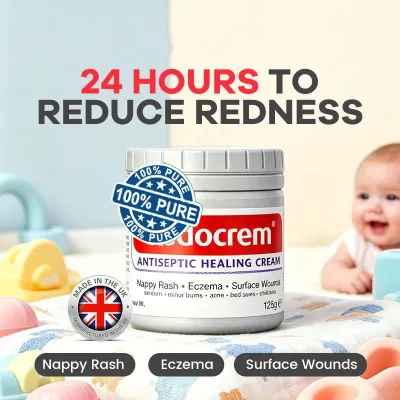
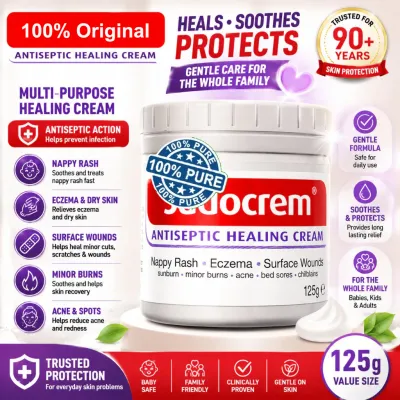
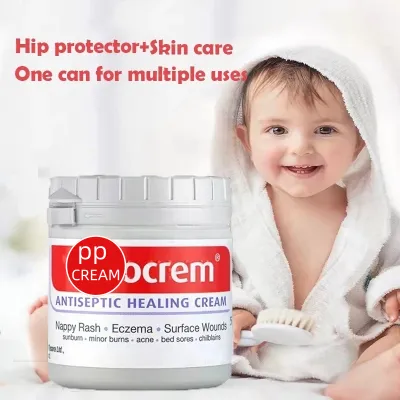

Prices are valid at publication and may change. Please refer to the product page for the latest price.
When reviewing the label, check for the presence of classic barrier agents such as zinc oxide or petroleum jelly, as well as any supporting natural oils or botanical extracts. The concentration of these ingredients determines how the cream functions on the skin. For instance, a higher percentage of zinc oxide typically indicates a thicker, more heavy-duty barrier, whereas a formulation rich in plant-based oils may focus more on skin hydration and mild soothing.
It is equally important to scan the ingredient list for potential irritants that could trigger sensitivity. Look for added synthetic fragrances, parabens, alcohol, or common botanical allergens that might aggravate compromised skin. If your baby has a history of reactive skin, choosing a fragrance-free and hypoallergenic formula is essential to prevent further inflammation.
Finally, identify the manufacturer’s stated primary purpose for the cream. Some products are formulated specifically as daily preventative barriers designed to be applied at every diaper change, while others are intensive treatments meant only for active, moderate-to-severe flare-ups. Understanding where Sudaypo cream falls on this spectrum will help you avoid misapplying the product and ensure it matches your current diapering goals.
Key Dimensions for Comparing Diaper Rash Creams
Evaluating diaper rash creams requires looking beyond brand names and focusing on practical performance indicators. To compare Sudaypo cream with other popular options found in local pharmacies and online stores, you should assess three main areas: ingredient composition, physical texture, and intended usage frequency.

Active Ingredients and Barrier Mechanisms
The effectiveness of any diaper rash cream relies on its active ingredients and how they interact with moisture. Barrier agents like zinc oxide, petrolatum, or dimethicone form a physical shield over the skin, preventing urine and stool from making direct contact with delicate tissue. When comparing Sudaypo to other local options, check the label to see which barrier agents are utilized and in what concentrations.
In contrast to physical barriers, soothing and moisturizing agents like calendula, aloe vera, chamomile, or shea butter work to calm existing irritation and support natural skin recovery. A well-balanced cream often combines a reliable barrier agent with these nourishing ingredients. If you are looking at alternative brands, note whether they rely primarily on heavy mineral barriers or if they incorporate these plant-based soothing elements.
Always verify any hypoallergenic or pediatrician-tested claims by checking the official brand website or contacting the manufacturer directly. These labels are helpful indicators, but understanding the specific testing standards behind them provides better peace of mind. For babies with highly sensitive skin, a shorter ingredient list with fewer botanical extracts often minimizes the risk of contact dermatitis.
In the warm, humid Philippine climate, sweat can mix with diaper moisture, making a breathable yet effective barrier crucial. Some heavy petroleum-based creams might trap heat and sweat against the skin if applied too thickly, whereas zinc oxide-based formulas tend to keep the area drier. Comparing how these ingredients behave under tropical conditions will guide you toward the most comfortable option for your baby.
Texture, Application, and Cleanup
The physical texture of a diaper rash cream directly affects your daily diapering routine. Heavy, thick pastes containing high percentages of zinc oxide offer robust protection but can be difficult to spread evenly over irritated skin. On the other hand, lightweight lotions or cream-to-powder formulas glide on easily but may require more frequent reapplication to maintain a protective layer.
Consider the trade-offs of cleanup during diaper changes. A thick, stubborn barrier cream is excellent for overnight protection, but removing it completely during a change can require excessive wiping, which might further irritate your baby’s skin. Conversely, a cream that washes off too easily with water might not survive a heavy wet diaper, leaving the skin vulnerable.
Before purchasing, look for parent feedback on local ecommerce platforms and parenting forums regarding the practical usability of Sudaypo and its competitors. Pay attention to comments about whether the cream leaves a stubborn white residue on the skin or if it stains fabric diapers and clothing. These real-world observations can save you from the frustration of dealing with messy applications during late-night diaper changes.
The ease of dispensing the product is also worth noting. Squeeze tubes are generally more hygienic than open tubs, as they minimize the risk of introducing bacteria from your fingers back into the container. Evaluate how the packaging of Sudaypo compares to other local options in terms of hygiene and ease of one-handed operation while holding a squirming baby.
Intended Use: Daily Prevention vs. Active Treatment
Using the right cream for the right situation is key to maintaining healthy baby skin. Preventative daily barrier creams are designed for continuous use at every diaper change. These formulas are typically lighter, highly breathable, and focused on keeping external moisture away from the skin without clogging pores or trapping sweat.
Treatment creams, however, are formulated with higher concentrations of active ingredients to address active redness, swelling, and raw skin. These should generally be reserved for active flare-ups rather than daily wear. Using a heavy treatment cream unnecessarily can sometimes trap moisture against the skin, which can worsen irritation in hot and humid weather.
When comparing Sudaypo cream to other local alternatives, match each product’s formulation to your baby’s current skin condition. If your baby rarely gets rashes, a light, preventative daily cream is sufficient. If your baby is prone to frequent, severe irritation, you may need to keep both a daily preventative cream and a dedicated treatment paste on hand.
Be cautious of products that claim to do everything without clear instructions on usage frequency. Always follow the manufacturer’s guidelines regarding how often to apply the cream and whether it is safe for long-term daily use. If a rash does not improve after a few days of targeted treatment, it is time to reassess the product rather than applying more of it.
Evaluating Price and Accessibility in the Philippines
When managing ongoing baby care expenses, the cost-effectiveness of diaper rash creams is a major consideration for Filipino households. To make an accurate financial comparison, do not simply look at the retail price of the tube. Instead, calculate the price per gram or per milliliter by dividing the total cost in ₱ by the volume of the product.
This calculation often reveals that a seemingly expensive larger tube actually offers better long-term value than a cheaper, smaller container. Additionally, consider how much product is required per application; a highly concentrated, thick paste that requires only a pea-sized amount may last significantly longer than a thin lotion that you must apply generously.
Accessibility is another critical factor, especially when you run out of cream unexpectedly. Evaluate whether Sudaypo cream is readily available at major local drugstores, supermarkets, and neighborhood pharmacies, or if it must be ordered online. Having a reliable cream that you can purchase quickly down the street is invaluable during a sudden diaper rash emergency.
If you choose to purchase diaper care products through online marketplaces, always buy from authorized distributors or official brand stores. The market for baby care products can sometimes include counterfeit items, which may contain unauthorized ingredients or lack proper quality control. Ensuring your purchase comes from a verified source protects your baby from potentially harmful chemical exposures.
Decision Framework: When to Choose Sudaypo or an Alternative
To help you finalize your choice, use this structured decision framework to compare Sudaypo cream against other popular options based on your specific circumstances.
Choose Sudaypo if:
- The verified ingredient list on the packaging aligns perfectly with your baby's skin tolerances and avoids any known allergens.
- The price per gram fits comfortably within your monthly baby care budget, and the product is easily accessible through your preferred shopping channels.
- You prefer a texture that matches your daily diapering routine, whether that is a lightweight daily barrier or a thicker protective paste.
Choose an alternative if:
- Your baby's skin requires a specific clinical concentration of zinc oxide or a particular soothing agent (such as pure calendula or medical-grade petrolatum) that is not present in Sudaypo.
- You need an immediate, over-the-counter solution that you can buy instantly from a nearby physical pharmacy during an active rash flare-up.
- Your baby has shown sensitivity to any of the specific ingredients, fragrances, or preservatives listed on the Sudaypo label.
Verify first if:
- Your baby has a history of severe eczema, extremely sensitive skin, or diagnosed contact dermatitis, which requires extra caution with any new skincare product.
- You are uncertain about the safety or suitability of any botanical extracts or active ingredients listed on the packaging.
- The product packaging lacks clear ingredient labeling, batch numbers, or expiration dates, which are essential for verifying product safety.
Safety Checks and When to Consult a Pediatrician
While over-the-counter diaper rash creams are excellent for daily care and mild irritation, they have clear limitations. Parents must monitor the rash closely and perform regular safety checks to ensure the skin is healing. If you notice signs of worsening irritation, such as blistering, bleeding, pus, or a rash that spreads significantly beyond the diaper area, stop using the cream immediately.
A persistent rash accompanied by a fever, or one that does not improve after several days of consistent care, requires professional medical attention. These symptoms often indicate a fungal or bacterial infection, such as a yeast infection, which cannot be cured by standard barrier creams. Applying heavy barrier pastes over a fungal infection can actually trap the yeast and make the condition worse.
Never hesitate to consult a pediatrician if you are unsure about the cause of your baby’s skin irritation. A qualified professional can provide an accurate diagnosis and prescribe targeted treatments, such as mild antifungal or antibacterial ointments. Always prioritize professional medical advice over product labels or online reviews when it comes to your baby’s health and safety.

Community discussion
Share your experience or ask a question. Comments are reviewed before publication.