
Is Stretch Mark Oil Generally Safe During Pregnancy?
Most stretch mark oils are generally safe to use during pregnancy, but this safety is entirely conditional on their specific ingredients. While pure, single-ingredient plant oils are highly compatible with prenatal skin, complex commercial formulations often contain active ingredients, synthetic additives, or essential oils that require careful inspection. Navigating prenatal skincare requires a shift in how you evaluate products, prioritizing gentle, non-toxic formulations over marketing claims.
The necessity for caution stems from the biological process of dermal absorption. The skin is your body’s largest organ, and while it acts as an effective barrier, topically applied substances can be absorbed into your bloodstream in trace amounts. During pregnancy, hormonal fluctuations alter your skin barrier, often making it more permeable, sensitive, and prone to irritation. Consequently, ingredients that were perfectly harmless before pregnancy could potentially pose risks to your developing baby or trigger adverse skin reactions.
Because every pregnancy is unique, establishing a personalized safety standard is essential. Always consult your OB-GYN or a board-certified dermatologist before introducing any new skincare product, including stretch mark oils, into your daily routine. A medical professional can help you evaluate specific formulations and ensure your prenatal skincare choices support both your skin health and your peace of mind.
Products mentioned in this guide
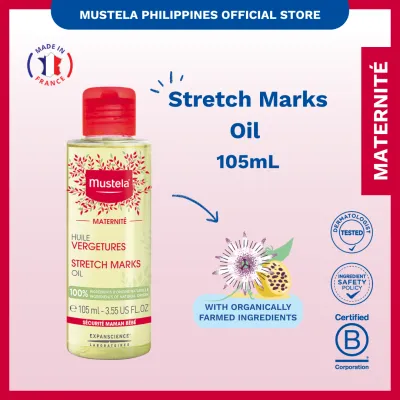
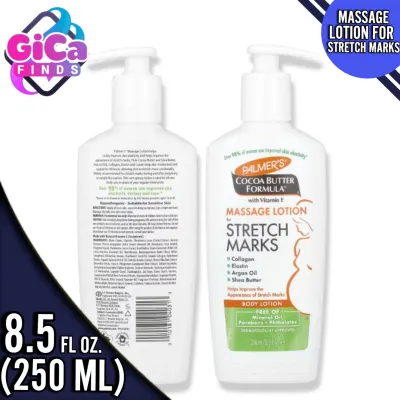
![Bio-Oil (For Scars Stretch Marks Uneven Skin Tone Aging & Dehydrated Skin) 125ml [New Version]](https://img.lazcdn.com/g/p/bd66f1a49b61d529033ffe36bda136f4.jpg_400x400q80.jpg_.webp)
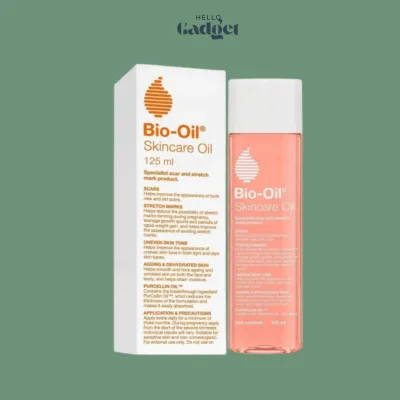
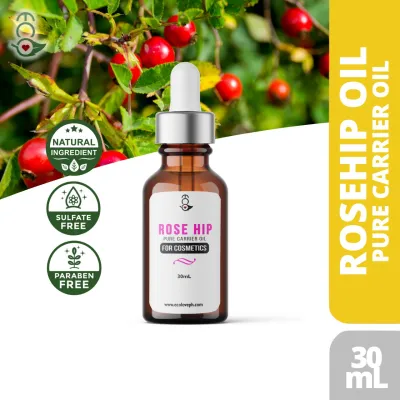
Prices are valid at publication and may change. Please refer to the product page for the latest price.
Harmful Ingredients to Avoid in Pregnancy Skincare
When selecting a stretch mark oil, reading the ingredient label is your most reliable line of defense. Many products feature appealing front-label claims such as “natural,” “organic,” or “maternity-safe,” yet these terms are not strictly regulated. To ensure maternal and fetal safety, you must look past the marketing and actively scan the ingredient list for specific compounds that are contraindicated during pregnancy.

Retinoids and Vitamin A Derivatives
Vitamin A derivatives—including retinol, retinyl palmitate, retinaldehyde, and prescription-strength tretinoin (Retin-A)—are highly celebrated in standard skincare for their ability to accelerate cell turnover. However, high systemic levels of Vitamin A are well-documented teratogens, meaning they carry a significant risk of causing congenital developmental issues in a fetus.
While the amount of Vitamin A absorbed from a facial cream is relatively low, applying retinoid-infused body oils over large surface areas like your expanding abdomen, breasts, and thighs significantly increases the risk of systemic absorption. Because of these potential risks, medical consensus advises a strict avoidance of all topical retinoids and Vitamin A derivatives in body care products throughout your pregnancy.
High-Risk Essential Oils
Essential oils are highly concentrated plant extracts that possess active chemical properties. While aromatherapy can be incredibly soothing, certain essential oils are contraindicated during pregnancy because they can act as emmenagogues, meaning they can stimulate blood flow in the pelvic area and potentially trigger uterine contractions or cause systemic toxicity. Essential oils to avoid in your body products include clary sage, rosemary, parsley seed, jasmine, and sage.
Furthermore, many commercial stretch mark oils use undisclosed “essential oil blends” or “parfum” to provide a pleasant scent. Because manufacturers are not always required to list the individual chemical components of these proprietary fragrance blends, it is safest to avoid products that do not transparently disclose every single plant extract. Opting for fragrance-free formulations or those utilizing low-risk, highly diluted safe carrier oils is a much safer approach.
Salicylic Acid and Strong Exfoliants
Beta-hydroxy acids (BHAs), most notably salicylic acid, are commonly used to exfoliate skin and clear pores. While low-concentration salicylic acid (2% or less) in rinse-off facial cleansers is generally considered low-risk by dermatologists, leave-on body formulations are a different story.
Applying high-concentration salicylic acid or using strong chemical peels over large areas of the body can lead to unnecessary systemic absorption. Additionally, pregnancy hormones can make your skin barrier more vulnerable and sensitive to peeling agents, leading to severe irritation, dryness, and barrier compromise. It is best to avoid leave-on body oils containing salicylic acid or other strong chemical exfoliants.
Phthalates, Parabens, and Synthetic Fragrances
Synthetic fragrances are among the most common triggers for allergic contact dermatitis, a risk that increases as pregnancy hormones sensitize your skin. The generic term “fragrance” or “parfum” on an ingredient list often masks a complex mixture of synthetic chemicals, including phthalates like diethyl phthalate (DEP), which are used as scent stabilizers. Phthalates are suspected endocrine disruptors that can interfere with normal hormonal development.
Similarly, certain parabens used as chemical preservatives—such as propylparaben and butylparaben—have raised health concerns due to their potential endocrine-disrupting properties. To protect your changing body and your baby, prioritize products that are explicitly labeled fragrance-free and paraben-free, or those that derive their subtle scents solely from safe, cold-pressed carrier oils.
Safe and Hydrating Ingredients for Maternity Skin
Fortunately, there is a wide array of nourishing, plant-based carrier oils that are Generally Recognized as Safe (GRAS) for prenatal use. Jojoba oil is an outstanding choice because its molecular structure closely mimics human sebum, allowing it to hydrate deeply without clogging pores or triggering body acne.
Other excellent plant oils include sweet almond oil and argan oil, both of which are rich in essential fatty acids that support skin elasticity and repair the skin’s lipid barrier. In the warm and humid climate of the Philippines, cold-pressed virgin coconut oil is a highly accessible and popular option known for its intense moisturizing and antimicrobial properties, though mothers prone to body breakouts should apply it sparingly. Sunflower seed oil is another lightweight, non-comedogenic option that effectively calms dry, stretching skin.
Many high-quality stretch mark oils also include tocopherol (Vitamin E), a safe, plant-derived antioxidant that helps protect skin cells from oxidative stress and naturally extends the shelf life of the oil. However, it is important to manage expectations: while these safe ingredients are exceptional at keeping your skin supple and relieving the tight, dry itchiness of an expanding belly, they cannot guarantee the complete prevention of stretch marks. Stretch marks (striae gravidarum) occur in the deep dermis layer and are primarily determined by genetics, rapid weight gain, and your individual skin structure.
How to Safely Select and Apply Stretch Mark Oil
To ensure you are choosing a truly safe product, always flip the bottle over and read the International Nomenclature of Cosmetic Ingredients (INCI) list. Do not rely on front-label marketing claims. Look for simple, recognizable ingredients and verify that the formulation is free from retinoids, phthalates, parabens, and high-risk essential oils. Skincare products in the Philippines can range from budget-friendly local options around ₱300 to premium imported oils exceeding ₱2,000, but safety and efficacy are determined entirely by the ingredient profile, not the price tag.
Because pregnancy hormones can cause your skin to react unpredictably to ingredients you previously tolerated, performing a 24-hour patch test is a vital safety step. Apply a small, coin-sized drop of the oil to your inner forearm or the side of your neck. Monitor the area for a full 24 hours; if you experience any redness, itching, burning, or swelling, discontinue use immediately and do not apply the product to your body.
In a tropical, humid climate, applying heavy oils to bone-dry skin can feel sticky and uncomfortable. To maximize absorption and comfort, apply your stretch mark oil immediately after showering while your skin is still damp. This locks in surface moisture, allows the oil to glide smoothly, and helps it absorb quickly without leaving a greasy residue. Use gentle, upward circular motions, and avoid applying deep tissue pressure to your abdomen.
Natural plant oils are highly sensitive to heat, light, and air because they lack harsh synthetic preservatives. To prevent your oil from oxidizing and going rancid, store the bottle in a cool, dark cupboard away from direct sunlight and tropical humidity. If you notice a change in the oil’s color, consistency, or if it develops a sour, rancid odor, discard it immediately to avoid applying oxidized lipids to your skin.
Warning Signs: When to Stop Use and See a Doctor
Your skin’s safety should always be your top priority. If you experience immediate redness, burning, hives, bumps, or scaling after applying a stretch mark oil, stop using the product immediately. Wash the affected area thoroughly with cool water and a mild, fragrance-free soap to remove any remaining oil residue.
While mild, occasional itching is a normal consequence of your skin stretching to accommodate your growing baby, severe and persistent itching is a critical warning sign. If you experience intense itching that worsens at night and specifically affects the palms of your hands and the soles of your feet—often without any visible skin rash—this could indicate a serious liver condition known as Intrahepatic Cholestasis of Pregnancy (ICP). ICP requires immediate medical evaluation by your OB-GYN, as it can pose significant risks to your baby.
Never ignore severe skin changes or persistent discomfort during pregnancy. If your skin does not improve after discontinuing a product, or if you suspect your symptoms extend beyond simple skin dryness, contact your healthcare provider or OB-GYN promptly for a professional diagnosis and guidance.
Frequently Asked Questions (FAQ)
Are popular commercial stretch mark oils safe in the first trimester?
The first trimester is a highly critical period of fetal organogenesis, during which your baby’s major organs are forming. While many commercial stretch mark oils are perfectly safe, you must be exceptionally vigilant. Meticulously verify the full ingredient list of any commercial product to ensure it contains zero Vitamin A derivatives (like retinyl palmitate) or high-risk essential oils. If you are uncertain about a complex commercial formula during these early weeks, opt for simple, single-ingredient carrier oils like organic jojoba or sweet almond oil, and consult your OB-GYN for personalized guidance.
Does applying oil actually prevent stretch marks from forming?
From a dermatological standpoint, no topical oil can guarantee the complete prevention of stretch marks. Stretch marks form when the collagen and elastin fibers in the deep dermal layer tear due to rapid stretching, a process heavily dictated by genetics, hormonal influences, and the rate of weight gain. However, applying stretch mark oil remains highly beneficial. It keeps the superficial layers of your skin deeply hydrated, enhances skin elasticity, and provides immense relief from the dry, tight itchiness that accompanies a growing belly.

Community discussion
Share your experience or ask a question. Comments are reviewed before publication.