
Determining whether Sansflou toothpaste is safe for your child requires a careful look at its specific product label, active ingredients, and age-appropriate guidelines. Because children’s oral care needs change rapidly as they grow, a toothpaste that is suitable for a five-year-old may not be appropriate for an infant who has just cut their first tooth. Parents must evaluate the formulation of any oral care product against established pediatric dental standards to ensure it supports dental health without posing unnecessary risks.
In tropical climates like the Philippines, managing baby oral care also involves practical environmental considerations. High humidity and warm temperatures can affect the stability of cosmetic and personal care products, making proper storage and careful inspection of packaging even more critical. By understanding what to look for on a toothpaste label and how to manage the risks of accidental swallowing, you can confidently select and use oral care products that keep your child’s developing smile clean and healthy.
Understanding Children's Toothpaste Safety Standards
Evaluating the safety of any children’s toothpaste begins with understanding the universal standards established by pediatric dental authorities. The primary factor to consider is the presence and concentration of fluoride, a mineral highly effective at preventing tooth decay but one that must be carefully managed in early childhood. Pediatric dental guidelines generally recommend specific fluoride levels based on a child’s age and their ability to spit out excess product.
Products mentioned in this guide
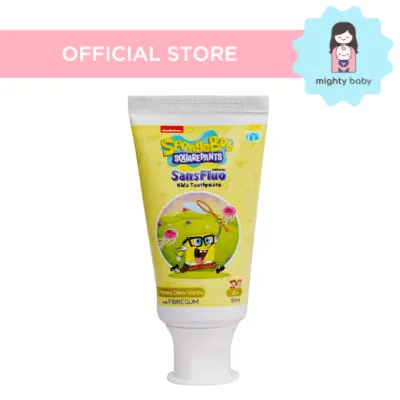
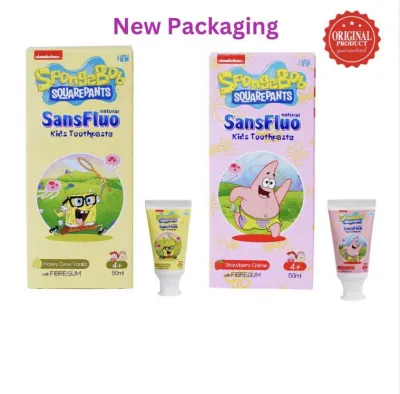
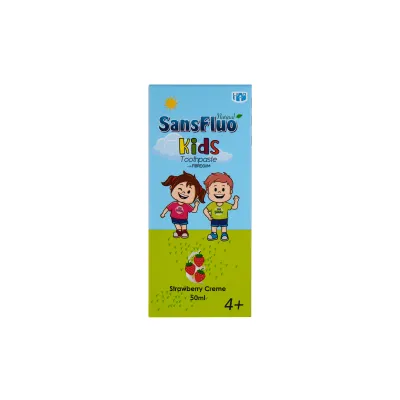
Prices are valid at publication and may change. Please refer to the product page for the latest price.
For infants and toddlers who have not yet learned how to spit, fluoride-free training toothpastes are often recommended as a starting point. These formulations allow parents to clean newly erupted teeth without the risk of dental fluorosis, a cosmetic condition that causes faint white lines or streaks on the permanent teeth if too much fluoride is ingested during their development under the gums. Once a child reaches an age where they can reliably spit out toothpaste, transitioning to a low-fluoride or standard children’s fluoride toothpaste helps strengthen their enamel against cavities.
The distinction between “safe to swallow” and “spit-out” formulations is crucial for parents to understand. Safe-to-swallow training gels are typically formulated without fluoride, artificial colors, or strong foaming agents, making them gentle on a toddler’s digestive system if small amounts are swallowed during brushing. Conversely, spit-out toothpastes contain active ingredients designed to remain in the mouth briefly to protect the teeth before being expectorated, and these should only be used under close supervision.
Beyond fluoride, parents should monitor other common ingredients in children’s oral care products. Sodium Lauryl Sulfate (SLS), a common surfactant used to create foam, can sometimes cause oral irritation, dryness, or canker sores in children with sensitive mouths. Artificial dyes, synthetic flavorings, and harsh chemical preservatives are other additives that parents may want to avoid to minimize the risk of allergic reactions or mucosal sensitivity. Opting for products with simplified ingredient lists can help reduce these risks.
How to Verify Sansflou Toothpaste Labels and Ingredients
To determine if Sansflou toothpaste is the right choice for your child, you must know how to locate and interpret the information on its packaging. Start by looking for the manufacturer’s recommended age range, which is typically displayed on the front of the tube or the outer box. This age guide is a critical indicator of whether the formulation is designed for infants, toddlers, or older children who can spit.

Next, examine the active ingredients list on the back of the packaging to identify the exact components and their percentages. If the Sansflou product is a training toothpaste, it may list natural ingredients like xylitol, which helps inhibit the growth of cavity-causing bacteria, rather than fluoride. If it is a fluoride toothpaste, the concentration should be clearly stated in parts per million (ppm) or as a percentage of sodium fluoride, allowing you to verify if it aligns with your pediatrician’s or pediatric dentist’s recommendations.
Allergen warnings, sensitivity notes, and expiration dates are also essential elements to verify. In warm and humid tropical environments, checking the expiration date is particularly important, as heat can cause toothpaste ingredients to separate, lose their efficacy, or become a breeding ground for bacteria. If the packaging lacks a clear expiration date or shows signs of tampering, it is safest to discard the product and choose an alternative.
Verifying product authenticity is another vital step for parents purchasing oral care products. Counterfeit baby products can sometimes find their way onto online marketplaces and local ecommerce platforms, posing significant health risks due to unregulated ingredients. To ensure you are getting a genuine Sansflou product, purchase only from authorized distributors, official brand stores, or reputable local pharmacies, and inspect the packaging for secure seals and clear batch numbers.
Age Appropriateness and Swallowing Risk Management
Matching a toothpaste to your child’s developmental stage is key to managing the risks associated with swallowing. Infants and toddlers under the age of two generally do not have the muscular coordination required to spit out toothpaste after brushing. For this age group, oral hygiene should focus on gently cleaning the gums and newly erupted teeth using a soft-bristled baby toothbrush and a tiny smear of toothpaste—no larger than a grain of rice—or a fluoride-free training paste.
As children grow and reach the age of three, they typically begin to develop the ability to spit, though they may still swallow a portion of the toothpaste. For children aged three to six, standard pediatric guidelines recommend using a pea-sized amount of children’s fluoride toothpaste. This controlled portion ensures that even if some toothpaste is accidentally swallowed, the amount of fluoride ingested remains well within safe limits.
Active parental supervision is the most effective way to ensure proper brushing habits and minimize ingestion. Parents should always apply the toothpaste to the brush themselves rather than letting young children handle the tube, which can lead to excessive portions. During brushing, guide your child to tilt their head slightly downward so that excess saliva and toothpaste can flow out of their mouth, and encourage them to practice spitting throughout the process.
In the Philippines, where sweet tropical fruits, sticky rice delicacies, and sugary snacks are common parts of daily life, establishing a consistent and supervised brushing routine is especially important. Brushing twice a day—once in the morning and once before bed—helps protect young teeth from the rapid onset of early childhood caries. By combining proper portion control with active supervision, you can safeguard your child’s oral health while preventing the risks of chronic toothpaste ingestion.
When to Stop Use and Seek Professional Advice
While most children’s toothpastes are formulated to be gentle, individual sensitivities can still occur. Parents should closely monitor their child’s mouth for any signs of adverse reactions during and after brushing. If you observe redness, swelling, localized rashes around the mouth, or peeling of the delicate skin inside the cheeks or gums (mucosal peeling), discontinue use of the toothpaste immediately. These symptoms can indicate an allergic reaction or a sensitivity to a specific ingredient in the formula.
Accidental ingestion of a large amount of toothpaste requires prompt and calm action. If your child swallows a small, brushing-sized amount of fluoride toothpaste, it is generally not a cause for concern. However, if they consume a significant quantity directly from the tube, it can lead to acute fluoride toxicity. Symptoms of over-ingestion include nausea, vomiting, abdominal pain, and excessive salivation.
In the event of significant ingestion of fluoride toothpaste, offer your child a small glass of milk or a serving of calcium-rich food like yogurt. Calcium binds with fluoride in the stomach, helping to reduce its absorption into the body. You should then immediately contact a healthcare professional, your pediatrician, or a local poison control center for further guidance. Do not attempt to induce vomiting unless specifically instructed to do so by a medical professional.
Ultimately, routine pediatric dental check-ups play a vital role in ensuring your child’s oral care products are safe and effective. A pediatric dentist can evaluate your child’s specific dental development, assess their risk for cavities, and provide personalized recommendations on the best toothpaste formulations and fluoride levels for their needs. Establishing a relationship with a dentist early on helps ensure your child’s oral hygiene routine remains safe and supportive of their growing smile.
Frequently Asked Questions (FAQ)
Can toddlers use regular adult toothpaste if a kids' version is unavailable?
Using regular adult toothpaste for toddlers is not recommended due to the high concentration of fluoride and the presence of strong flavoring agents. Adult toothpastes typically contain 1,000 to 1,500 ppm of fluoride, which is much higher than the levels found in children’s formulations and increases the risk of dental fluorosis if swallowed. Additionally, the intense mint or menthol flavors in adult products can irritate a toddler’s sensitive mouth, making brushing an unpleasant experience. If a dedicated children’s toothpaste is temporarily unavailable, brushing with a plain, soft-bristled toothbrush and clean water is a much safer interim alternative until you can obtain an age-appropriate product.
What immediate steps should I take if my child swallows a large amount of toothpaste?
If your child has swallowed a large quantity of toothpaste directly from the tube, first check the packaging to determine if the product contains fluoride. For fluoride-free training toothpastes, the risk of serious toxicity is very low, though your child may experience mild stomach upset or diarrhea from the binders and flavorings. If the toothpaste contains fluoride, immediately offer your child a small glass of milk or another calcium-rich food to help bind the fluoride in their stomach and minimize absorption. Contact your pediatrician, a local healthcare provider, or a poison control center immediately for professional advice, and keep the toothpaste tube nearby so you can provide the exact ingredients and concentration to the medical team.

Community discussion
Share your experience or ask a question. Comments are reviewed before publication.