
Determining whether plastic is safe for storing breastmilk depends entirely on the specific material grade, manufacturing standards, and how the container is used. While many parents rely on plastic bottles and storage bags for their convenience and durability, not all plastics are designed to withstand the temperature changes required for freezing, thawing, and warming milk. In a tropical climate like the Philippines, where high ambient temperatures and humidity can accelerate material degradation and bacterial growth, choosing the right container is crucial. This guide helps you navigate product labels, identify the right safety specifications, and follow manufacturer instructions to ensure your baby’s milk remains safe and uncontaminated.
Understanding Plastic Safety for Breastmilk
When selecting storage options for breastmilk, it is vital to distinguish between general-purpose plastics and those specifically manufactured for food and infant feeding. General-purpose plastics, such as standard disposable water bottles or generic takeaway containers, are not engineered to withstand the extreme temperature shifts of freezing and warming. These lower-grade materials can degrade rapidly, potentially releasing harmful chemical compounds into the milk. In contrast, food-grade plastics are manufactured under strict quality controls to ensure they remain stable and do not leach substances into food or liquids under normal usage conditions.
One of the primary concerns for parents is the presence of endocrine-disrupting chemicals like Bisphenol A (BPA) and Bisphenol S (BPS). Historically, BPA was widely used to harden plastics, but research into its potential health effects led to widespread bans in infant products. In response, some manufacturers substituted BPS, which may carry similar chemical stability concerns. When evaluating plastic for breastmilk storage, look for products that are explicitly labeled as both BPA-free and BPS-free. This double designation helps ensure that the manufacturer has avoided these specific chemical hardeners in their production process.
Products mentioned in this guide
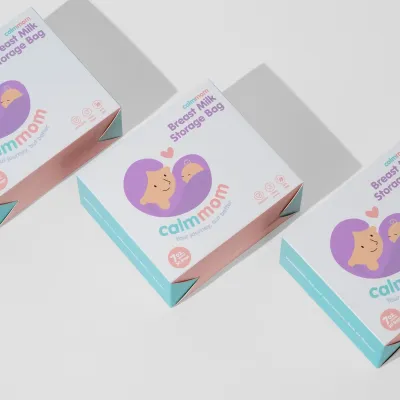
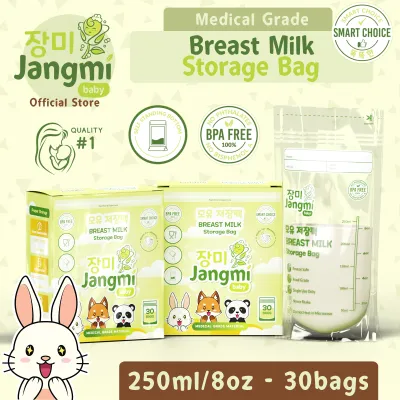
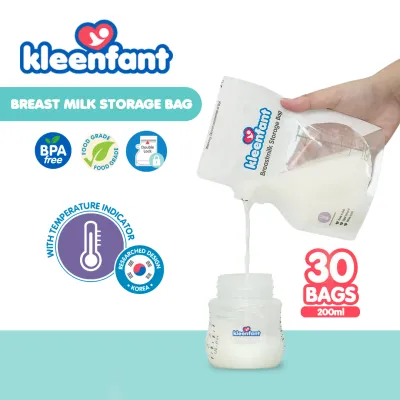
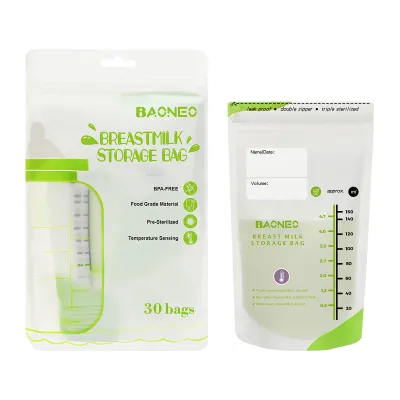
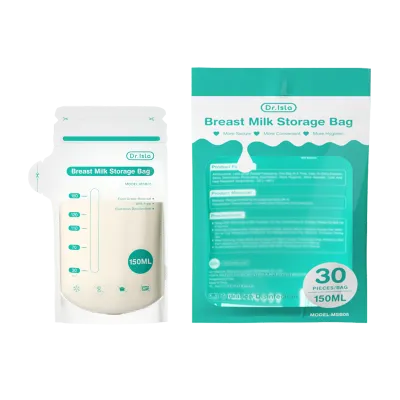
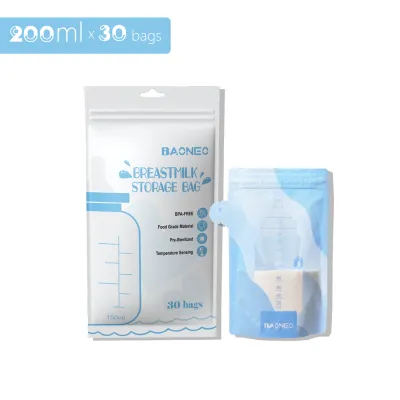
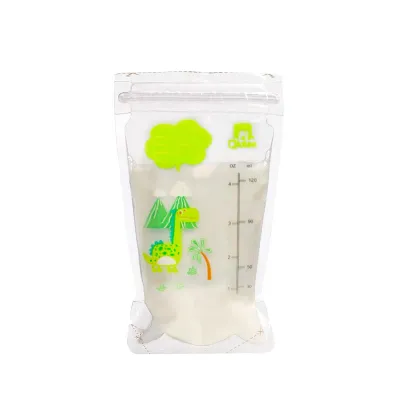
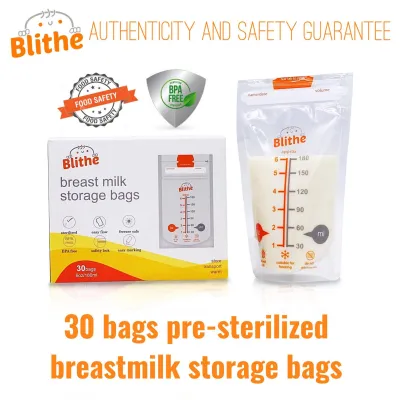
Prices are valid at publication and may change. Please refer to the product page for the latest price.
Temperature fluctuations play a significant role in the long-term integrity of plastic containers. Breastmilk storage typically involves freezing milk down to sub-zero temperatures, refrigerating it, and then warming it to body temperature (around 37°C) for feeding. These rapid thermal shifts cause the plastic to expand and contract. Over time, this physical stress can compromise the structural integrity of the container, leading to micro-cracks, increased porosity, or accelerated material degradation. Understanding how different plastics react to these temperature cycles is the first step in maintaining a safe feeding routine.
Key Labels and Specifications to Check Before Buying
To ensure you are purchasing a safe product, always look for explicit “food-grade” and “breastmilk storage” designations on the packaging or product listings. These labels indicate that the manufacturer has designed the product specifically to handle human milk, which contains fats and proteins that can interact differently with materials compared to water. Products intended for breastmilk storage are typically made from high-quality polypropylene (PP) or polyethersulfone (PES), which are known for their thermal stability and chemical resistance.

Do not rely solely on generic recycling codes, such as the triangle symbol with a number inside, to determine safety. While a recycling code of #5 indicates polypropylene—a plastic generally considered safe for food contact—it does not guarantee that the specific container is free from unsafe additives, colorants, or processing aids. Instead, check the manufacturer’s official specifications for precise temperature limits and material composition. Reliable brands will clearly state the minimum and maximum temperatures the container can safely endure, helping you verify if the product is suitable for deep freezing and high-heat sterilization.
Additionally, look for compliance marks or safety standards indicated on the packaging or the brand’s official website. These marks demonstrate that the product has undergone third-party testing to meet rigorous safety standards. When shopping on online marketplaces or at local baby boutiques in the Philippines, verify these claims by visiting the manufacturer’s official website. If a brand does not provide detailed material specifications, temperature limits, or compliance certifications, it is best to choose an alternative product with transparent safety documentation.
Safe Handling, Warming, and Usage Conditions
Using plastic breastmilk storage containers safely requires strict adherence to the manufacturer’s explicit instructions. Each brand designs its products with specific temperature limits for freezing, refrigerating, and warming. Exceeding these limits can cause the plastic to warp, degrade, or release chemicals. In the humid tropical climate of the Philippines, proper cleaning and drying are also essential. After washing and sterilizing your containers, place them on a clean, elevated drying rack in a well-ventilated area to prevent the growth of environmental mold and bacteria on damp surfaces.
Never microwave plastic breastmilk storage containers or submerge them in boiling water unless the manufacturer specifically approves these methods. Microwaving creates uneven heating, resulting in dangerous hot spots in the milk that can burn your baby’s mouth, and it can also subject the plastic to localized high temperatures that exceed its thermal threshold. Similarly, direct stovetop boiling can easily warp or melt plastic containers. Instead, use a warm water bath or a dedicated bottle warmer, operating the device strictly according to both the warmer’s and the container’s instructions.
Establish a regular routine for inspecting your plastic containers before each use. Look closely for physical signs of wear, such as deep scratches, persistent cloudiness, warping, or lingering odors that do not disappear after thorough washing. Scratches are particularly problematic because they can harbor harmful bacteria that are difficult to clean out. If you observe any structural compromise, or if a container has been accidentally subjected to unauthorized high-heat sterilization, discard it immediately to protect your baby’s health.
Evaluating Alternatives to Plastic Containers
For parents who prefer to avoid plastic entirely or need specialized solutions for different feeding scenarios, several alternatives are available. Glass storage options are highly stable, completely free from chemical leaching concerns, and exceptionally easy to clean and sterilize. However, glass is significantly heavier than plastic, making it less convenient for travel or daycare. It is also breakable and susceptible to thermal shock, meaning a glass bottle can crack if moved directly from a cold freezer into a warm water bath.
Food-grade silicone has emerged as a popular, flexible alternative to traditional plastic. Silicone is highly durable, resistant to extreme temperatures, and less prone to scratching. It can safely transition from the freezer to a warm water bath without the risk of shattering. However, silicone containers are often more expensive upfront and can sometimes absorb strong odors or soap scents if not washed promptly with mild, unscented dish soap.
When choosing between reusable containers and single-use bags, consider practical factors like portability, cost, and compatibility with your breast pump. Single-use plastic breastmilk storage bags are highly portable and lay flat to save valuable freezer space, but they represent an ongoing cost—often ranging from ₱5 to ₱15 per bag—and generate non-recyclable waste. Reusable silicone or glass bottles are more sustainable and cost-effective over time, but they require more storage space and diligent washing. Ensure that any reusable container you select is compatible with your specific breast pump model or has appropriate adapters to prevent milk loss during transfer.
Frequently Asked Questions (FAQ)
Can I reuse single-use plastic breastmilk storage bags?
No, single-use plastic breastmilk storage bags are designed and manufactured for one-time use only. Reusing these disposable bags compromises the sterile environment required for infant feeding and significantly increases the risk of bacterial contamination. Additionally, the plastic material and seals are not engineered to withstand repeated washing, drying, and thermal cycles, which can lead to seal failure, leaking, and milk loss during subsequent uses.
How do I safely warm breastmilk in a plastic bottle or container?
To safely warm breastmilk, place the plastic container in a bowl of warm water or use a dedicated bottle warmer set to a safe, low-temperature setting. Always follow the manufacturer’s instructions for both the container and the warming device. Avoid using microwaves or placing the container in boiling water on the stovetop, as these high-heat methods can damage the plastic’s structural integrity and destroy the beneficial nutrients in the breastmilk.
When should I throw away a plastic breastmilk storage container?
You should throw away a plastic breastmilk storage container immediately if you notice any physical signs of wear, such as deep scratches, persistent cloudiness, warping, cracks, or lingering odors that persist after washing. Additionally, discard any container that has been exposed to temperatures exceeding the manufacturer’s recommended limits, as this exposure can compromise the safety and stability of the plastic.

Community discussion
Share your experience or ask a question. Comments are reviewed before publication.