
Plastic matting can be a safe and highly practical addition to baby changing tables and nursery furniture, provided it is specifically designed for infant use, fits the furniture securely, and is operated under constant adult supervision. However, because “plastic” is a broad category encompassing many different polymers, safety is not a universal guarantee. Caregivers must carefully evaluate the physical design, material composition, and manufacturer guidelines of each specific product before allowing direct contact with a baby.
In tropical climates like the Philippines, where high humidity and warm temperatures are constant, choosing and maintaining the right plastic matting requires extra diligence. Heat and moisture can accelerate material wear, promote bacterial growth, and increase the risk of skin irritation. Understanding how to select, secure, and maintain these mats is essential for keeping your nursery both hygienic and safe.
Evaluating Plastic Matting Safety for Direct Baby Contact
When assessing any plastic matting for your nursery, the first step is to thoroughly review the manufacturer’s labels and product documentation. Look for explicit indications of age appropriateness, weight limits, and intended use cases. A mat designed for general household shelving or industrial use is not a safe substitute for a dedicated baby changing mat, as it may lack the necessary physical stability and material testing required for infant contact.
Products mentioned in this guide
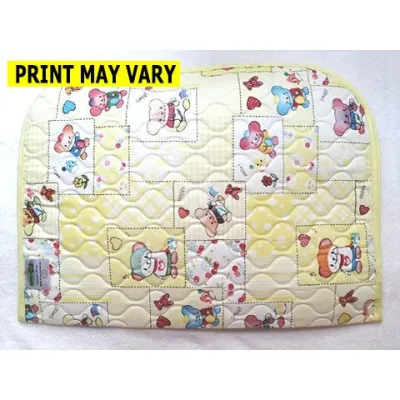
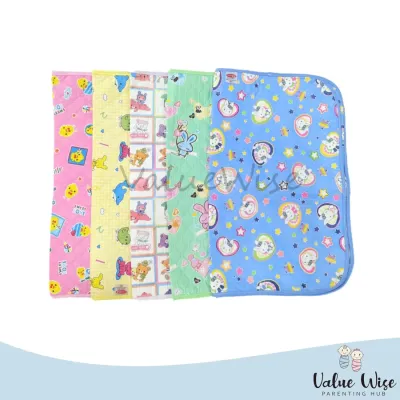
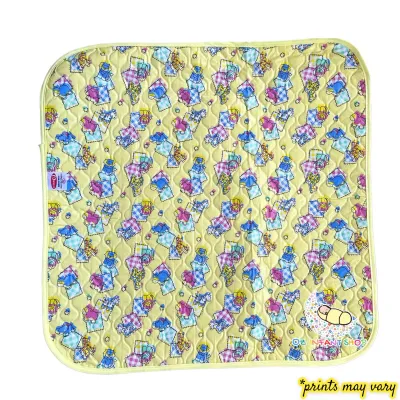
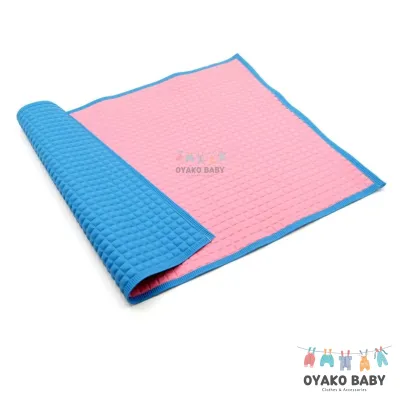
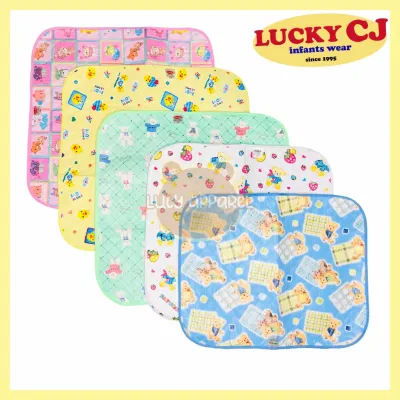
Prices are valid at publication and may change. Please refer to the product page for the latest price.
It is important to recognize that “plastic” is not a single material but a diverse family of polymers. Some mats are made of polyvinyl chloride (PVC), while others utilize polyurethane, ethylene-vinyl acetate (EVA), or food-grade silicone. Because these materials have different chemical and physical properties, you should verify specific product safety claims on the packaging, such as “BPA-free” or “phthalate-free,” rather than assuming all plastics are identical.
Always consult the product manual to ensure the mat is compatible with your specific nursery furniture, whether it is an elevated changing table, a dresser top, or a baby chair. Check if the manufacturer specifies a maximum weight limit or requires a contoured furniture frame to keep the mat in place. If the documentation does not explicitly support your intended setup, it is safest to look for an alternative product that does.
Finally, pay close attention to safety standards and certifications mentioned by the manufacturer. While many products claim compliance with international safety standards, caregivers should treat these claims as details to verify. Check the packaging for recognized testing marks and ensure the product has not been subject to recent safety recalls before introducing it to your baby’s environment.
Identifying and Managing Physical Hazards
Elevated nursery furniture, such as changing tables, introduces a natural risk of falls, making the physical stability of your plastic matting a primary safety concern. To prevent slip-and-fall incidents, the mat must have an effective non-slip backing or a reliable anchoring system that keeps it completely flat and stationary. A mat that slides easily across a polished wooden or laminate furniture surface can shift unexpectedly when a baby moves, compromising stability.

Carefully inspect the edges and corners of the plastic matting before and during use. Mats that are too large for the furniture surface may overhang or curl upward, creating tripping hazards or areas where a baby’s fingers, toes, or clothing could become trapped. Conversely, a mat that is too small can leave gaps between the mat and the furniture barrier, posing a pinching or entrapment risk if the baby rolls to the side.
To mitigate these physical risks, always secure the mat according to the manufacturer’s precise instructions. Many dedicated changing mats come equipped with safety straps that anchor directly to the back of the changing table or dresser. If your mat relies on a high-friction underside, regularly wipe both the bottom of the mat and the furniture surface to remove dust and lint, which can drastically reduce grip over time.
In warm and humid environments, sweat or spilled liquids can quickly turn a smooth plastic surface into a slippery hazard. During diaper changes or feeding times, even a small amount of moisture can cause a baby to slide. Choosing a mat with a textured, slip-resistant surface—or using a securely fitted, breathable fabric cover designed specifically for that mat model—can help maintain traction and keep your baby secure.
Navigating Chemical Odors and Skin Sensitivities
New plastic products often emit a distinct chemical smell, commonly referred to as off-gassing. While this odor is typical for many newly manufactured polymers, it can be unpleasant and irritating to sensitive airways. Before placing a new plastic mat in your nursery, air it out in a well-ventilated, shaded outdoor area or a room with active cross-ventilation for several days until the initial manufacturing scent has completely dissipated.
Because plastic is non-porous, it does not absorb moisture and can trap body heat against your baby’s skin. In tropical climates, direct contact with a warm plastic surface can cause rapid sweating, which may lead to friction, chafing, or heat rash, locally known as bungang-araw. Monitor your baby’s skin closely during and after use; if you notice redness, irritation, or excessive sweating, discontinue direct skin contact immediately and consult a pediatrician.
To protect delicate skin while maintaining the hygienic benefits of a waterproof plastic mat, consider placing a thin, breathable cotton liner or a manufacturer-approved fabric cover over the mat. This layer absorbs sweat and provides a soft barrier against the skin, while the underlying plastic mat continues to protect your nursery furniture from spills and leaks. Ensure any cover used fits snugly and cannot bunch up near the baby’s face.
Establishing a consistent cleaning routine is vital to prevent the buildup of bacteria, mold, and mildew on the plastic surface. Wipe down the mat after every diaper change or spill using a damp cloth and mild, baby-safe soap. Always follow the manufacturer’s care instructions, as using harsh household detergents, bleach, or alcohol-based sanitizers can degrade the plastic, causing it to become brittle, sticky, or prone to releasing micro-particles.
Essential Supervision and Usage Boundaries
No matter how many safety features a plastic matting product boasts—whether it has contoured edges, non-slip grips, or safety straps—it can never replace active adult supervision. The absolute rule of nursery safety is to keep at least one hand on your baby at all times while they are on an elevated surface. Infants can roll or shift their weight unexpectedly in a fraction of a second, and safety features are only meant to assist, not replace, your physical presence.
It is critical to understand the boundaries of use for plastic changing mats. These products are designed strictly for short-term activities like diaper changes, dressing, or supervised feeding; they are not designed, tested, or safe for sleeping. Never allow your baby to nap on a plastic changing mat, and never use plastic matting as a substitute for a crib mattress, as the non-porous material poses a serious suffocation and overheating risk.
Environmental factors in your home can also impact the safety of plastic nursery furniture accessories. Keep plastic mats away from direct heat sources, such as sunny windows, space heaters, or hot sterilizers. High temperatures can warp the plastic, degrade its structural integrity, or cause the surface to become hot enough to burn a baby’s sensitive skin. Always touch-test the temperature of the mat with your inner wrist before placing your baby on it.
Signs It Is Time to Replace the Plastic Mat
Over time, regular use and environmental exposure will cause plastic matting to wear out. Caregivers should inspect the mat weekly for physical signs of degradation. Look closely for deep scratches, cracks, punctures, or peeling layers. These damaged areas are not just physical hazards that can scratch your baby; they also create deep crevices where moisture, bacteria, and mold can thrive, making the mat impossible to sanitize properly.
Another clear sign that a mat has reached the end of its safe lifespan is a noticeable loss of surface grip or structural integrity. If the non-slip backing has worn away, if the mat no longer sits completely flat, or if the safety straps have frayed or lost their fastening strength, the mat is no longer safe for elevated furniture. Continuing to use a compromised mat increases the risk of sliding and falls.
If your current plastic mat shows signs of irreversible wear, or if you find that your baby consistently experiences skin irritation from plastic contact, it is time to replace it. You might consider upgrading to a high-quality, fabric-covered foam pad with a waterproof inner lining, or exploring alternative materials like organic cotton changing pads with removable, washable waterproof covers. Prioritize products that align with your daily routine and meet your ongoing safety expectations.
Frequently Asked Questions (FAQ)
Can I use a regular plastic tablecloth instead of a dedicated baby mat?
No, you should not use a regular plastic tablecloth as a substitute for a dedicated baby mat. Tablecloths are typically thin, lightweight, and lack the non-slip backing, contoured support, and secure anchoring systems required to stay in place on elevated nursery furniture. They can easily bunch up, slide off the table, or wrap around an active baby, presenting severe slipping, entrapment, and suffocation hazards.
How do I clean a plastic changing mat without damaging it?
To clean your plastic changing mat safely, always follow the manufacturer’s specific care instructions. Generally, you should wipe the surface with a soft cloth dampened with warm water and a mild, baby-safe soap. Avoid using abrasive scrubbing pads, bleach, or harsh chemical solvents, as these can break down the plastic coating and leave harmful residues. Ensure the mat is completely air-dried before using it again to prevent mold and mildew growth.
Are thicker plastic mats always safer for nursery furniture?
Not necessarily. While a thicker mat may seem to offer more cushioning, excessive thickness can actually compromise safety if it raises the baby too high, reducing the effective height of the changing table’s protective side barriers. Additionally, overly thick or stiff mats may not conform properly to contoured changing tables, creating unstable surfaces or gaps. Focus on finding a mat that offers a secure, flat fit and excellent edge stability rather than prioritizing thickness alone.

Community discussion
Share your experience or ask a question. Comments are reviewed before publication.