
When introducing oral care to your baby, choosing the right toothpaste is a critical step for their developing teeth and gums. Nurture to Nature toothpaste is a popular choice among parents seeking gentle, natural alternatives for their little ones. However, determining if this or any other baby toothpaste is safe for your specific child requires looking beyond the front label. Parents must evaluate the ingredients, check age-specific recommendations, and verify local regulatory approvals to ensure the product aligns with their child’s developmental stage.
Because infants and toddlers have not yet developed the ability to spit reliably, they inevitably swallow a portion of the toothpaste used during brushing. This makes the formulation of infant oral care products incredibly important. By establishing a systematic way to check baby toothpaste, you can confidently protect your child’s oral health while avoiding unnecessary chemical exposure.
Understanding Age Recommendations and Fluoride Guidelines
Before purchasing any baby toothpaste, the first step is to locate and interpret the age recommendation on the product packaging. Manufacturers typically print age guidelines, such as “0 to 2 years” or “6 months and up,” on the outer box or the back of the tube. These guidelines are not arbitrary; they correspond to the developmental stage of a child’s oral cavity and their ability to spit out excess product.
Products mentioned in this guide
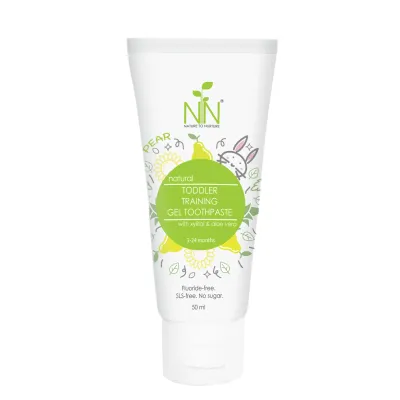
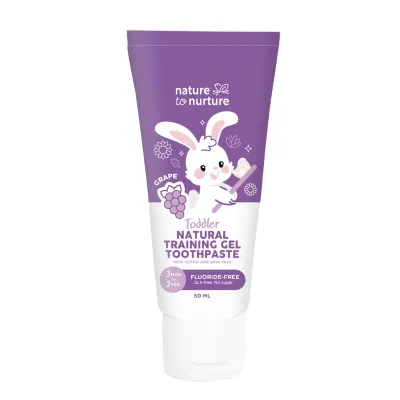
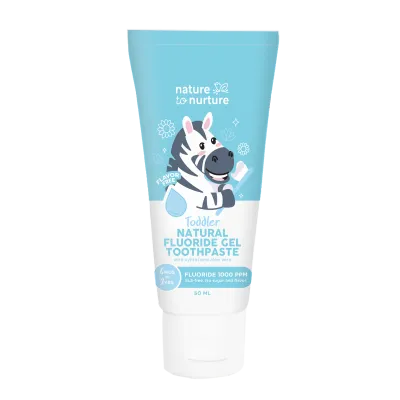
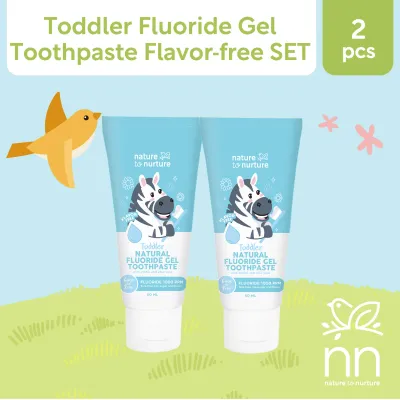
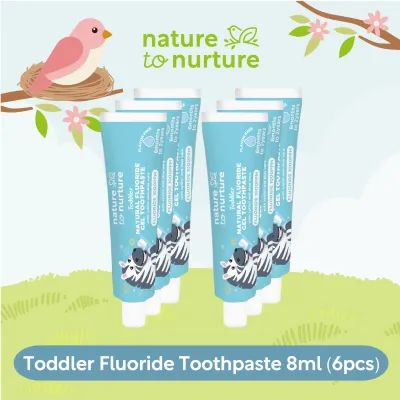
Prices are valid at publication and may change. Please refer to the product page for the latest price.
Pediatric dental guidelines regarding fluoride have evolved to balance cavity prevention with the risk of fluorosis, a cosmetic condition that causes faint white lines on developing permanent teeth. For very young infants who cannot spit, many pediatricians and dentists recommend starting with a fluoride-free toothpaste. This allows parents to clean emerging teeth and massage tender gums without the risk of systemic fluoride ingestion.
As your child grows, their oral care needs will transition. Around the age of two or three, or when a pediatric dentist advises based on individual cavity risk, you may transition your child to a mild fluoride toothpaste. Understanding this timeline helps you choose the right formulation at each stage of your baby’s growth, ensuring they receive the appropriate level of protection without unnecessary exposure.
In tropical climates like the Philippines, where dietary habits and local water fluoridation levels vary significantly by region, consulting a local pediatric dentist is highly recommended. A professional can assess your baby’s specific risk factors and provide a personalized recommendation on when to introduce fluoride into their daily routine.
How to Read the Ingredient List for Baby Safety
Reading the ingredient list on the back of a baby toothpaste tube is the most reliable way to verify its safety. Parents should actively look for the absence of harsh foaming agents, such as Sodium Lauryl Sulfate (SLS). SLS is commonly used in adult toothpastes to create foam, but it can irritate sensitive baby gums, dry out oral tissues, and potentially contribute to painful mouth sores.

Artificial dyes and strong synthetic preservatives should also be avoided in baby oral care products. Young children do not need bright blue or red pastes to clean their teeth, and these additives serve no therapeutic purpose while presenting potential allergen risks. Instead, look for formulations that use mild, food-grade preservatives to keep the product stable.
Safe baby toothpastes rely on gentle abrasives to clean developing enamel without scratching it. Hydrated silica is a common, mild abrasive that effectively removes plaque and food debris while remaining gentle on soft baby teeth. Additionally, humectants like vegetable glycerin or sorbitol are used to keep the toothpaste moist and provide a naturally sweet taste without using cavity-causing sugars.
It is important to understand the practical meaning and limitations of marketing claims like “swallow-safe” or “fluoride-free.” While these terms indicate that the product does not contain ingredients that are toxic in small quantities, they do not mean the toothpaste should be treated as food. Even the gentlest natural toothpaste can cause mild stomach upset if ingested in large amounts, so minimizing swallowing remains a primary goal during brushing.
Verifying Safety Certifications and Product Authenticity
With the rise of online marketplaces and global importing, verifying the authenticity and regulatory compliance of baby products has become more critical than ever. In the Philippines, legitimate baby cosmetics and oral care products should be registered with the Food and Drug Administration (FDA). Parents can use the official FDA Verification Portal online to search for the product’s registration or notification number to ensure it has undergone proper safety evaluations.
Do not rely solely on unregulated marketing buzzwords like “100% organic,” “all-natural,” or “pediatrician-approved” printed on the front of the packaging. These terms are often used loosely for marketing purposes. Instead, look for verifiable third-party certifications from recognized organic, cruelty-free, or dental health organizations, which require brands to meet strict manufacturing standards.
Counterfeit baby products are a real concern when shopping online. To protect your baby, always purchase toothpaste from official brand stores, authorized distributors, or reputable local pharmacies. When you receive the product, inspect the packaging for a clear batch number, manufacturing date, and expiration date. If the printing is blurry, the seal is broken, or the packaging looks altered, do not use the product and contact the manufacturer for verification.
Furthermore, consider how the product is stored. In hot and humid tropical environments, natural toothpastes that lack heavy synthetic stabilizers can separate or degrade if exposed to direct sunlight or extreme heat. Always store the tube in a cool, dry place, and check the consistency of the paste before applying it to your baby’s brush.
Safe Brushing Practices and When to Stop Use
Even the safest toothpaste requires proper application and strict adult supervision to ensure your baby’s safety. For infants under the age of three, pediatric dental associations recommend using a tiny smear of toothpaste, no larger than a single grain of uncooked rice. This minimal amount is highly effective for cleaning while ensuring that any accidental swallowing is kept to an absolute minimum.
Always supervise brushing sessions closely. Do not allow your baby or toddler to hold the toothpaste tube unsupervised, as they may attempt to squeeze and eat the sweet-tasting paste. Use a soft-bristled baby toothbrush or a clean silicone finger brush designed specifically for infants to gently clean the teeth and massage the gums.
After brushing, monitor your baby for any signs of oral irritation or discomfort. Look for redness around the lips, swelling of the gums, or unusual fussiness during or after brushing. In rare cases, babies may experience mild gastrointestinal discomfort if they swallow too much paste, which may manifest as spitting up or mild stomach sensitivity.
If you observe any signs of an allergic reaction, persistent redness, or digestive upset, stop using the toothpaste immediately. Rinse your baby’s mouth with clean water if possible, and consult your pediatrician or a pediatric dentist. Bringing the toothpaste tube with you to the consultation will help the healthcare professional evaluate the ingredient list and identify any potential triggers.
Frequently Asked Questions (FAQ)
Can babies safely swallow this toothpaste?
Fluoride-free baby toothpastes are specifically formulated with mild, non-toxic ingredients to ensure they are safe if small amounts are accidentally swallowed during brushing. However, parents should still treat these products with care. While a tiny smear swallowed daily is harmless, swallowing large amounts of any toothpaste can lead to mild stomach discomfort or nausea. Parents should always supervise brushing and encourage babies to spit out excess paste as they grow older.
How much toothpaste should I use for my baby?
For infants and toddlers under three years old, you should use a tiny smear of toothpaste that is roughly the size of a grain of rice. This small amount is sufficient to clean their emerging teeth without introducing excess product into their mouths. Once your child reaches the age of three and has learned how to spit effectively, you can gradually transition to a pea-sized amount of toothpaste under continued adult supervision.

Community discussion
Share your experience or ask a question. Comments are reviewed before publication.